NAIDOC Week 2026: Six Indigenous Australian Artists Redefining Contemporary Creativity.
For 50 years, NAIDOC Week has celebrated the enduring strength, creativity and cultural legacy of Aboriginal and Torres Strait Islander peoples. In 2026, the milestone theme "50 Years of Deadly" honours five decades of community-led advocacy while recognising the artists, storytellers, Elders and visionaries who continue to shape Australia's cultural landscape. In this context, deadly carries its true meaning: exceptional, inspiring and powerful.
Contemporary Indigenous Australian artists are redefining the country's creative identity across painting, photography, sculpture, fashion, design and installation. Their work speaks to memory, identity, and resilience while pushing artistic boundaries and challenging how Australia sees itself. These are voices that deserve to be experienced not only during NAIDOC Week and beyond.
From internationally acclaimed names to emerging talents reshaping the future of contemporary art, this collection highlights Indigenous artists whose practices offer powerful perspectives on culture, connection, and creativity, showcasing the remarkable breadth of Indigenous Australian creative practice.
Kaylene Whiskey
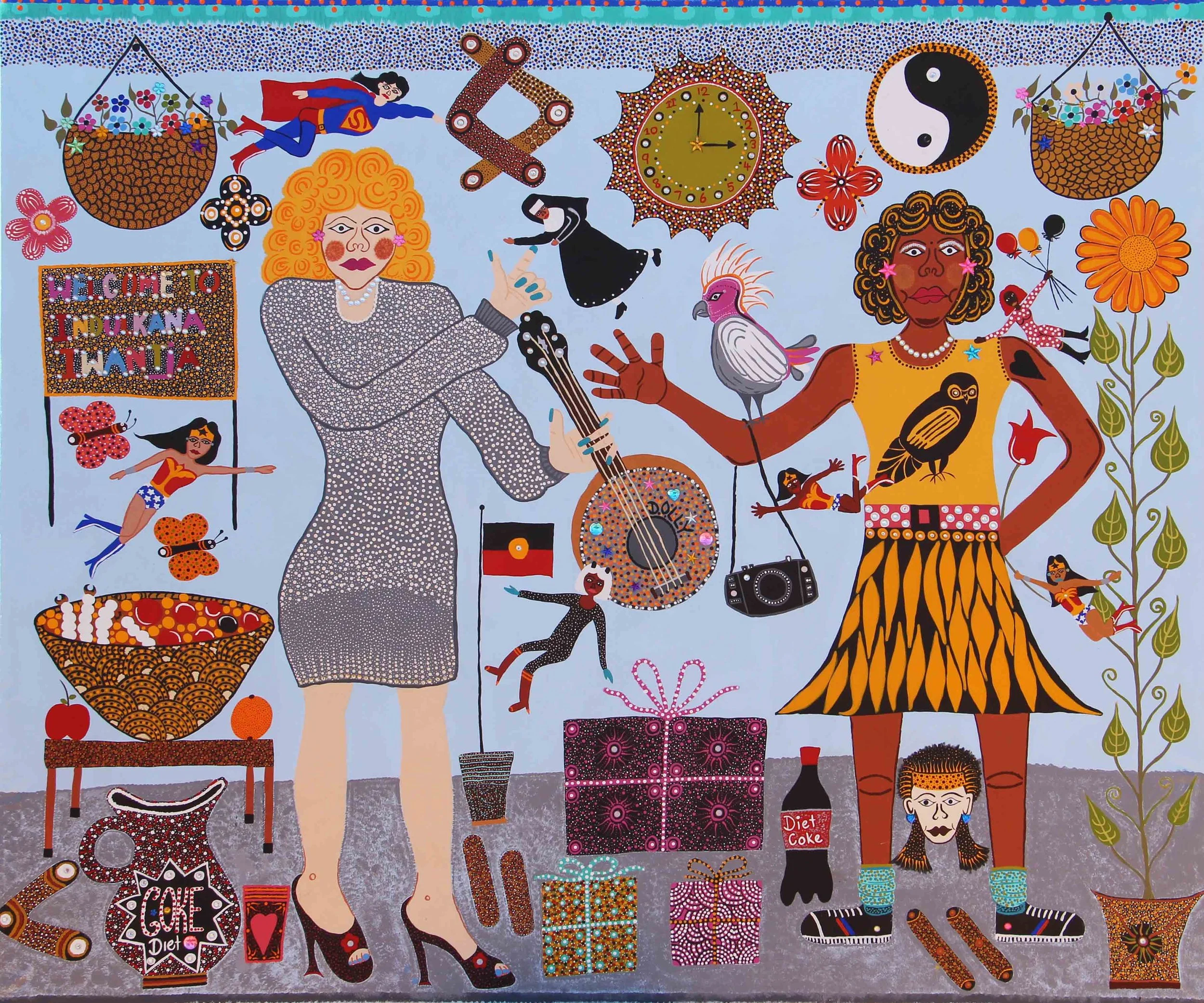
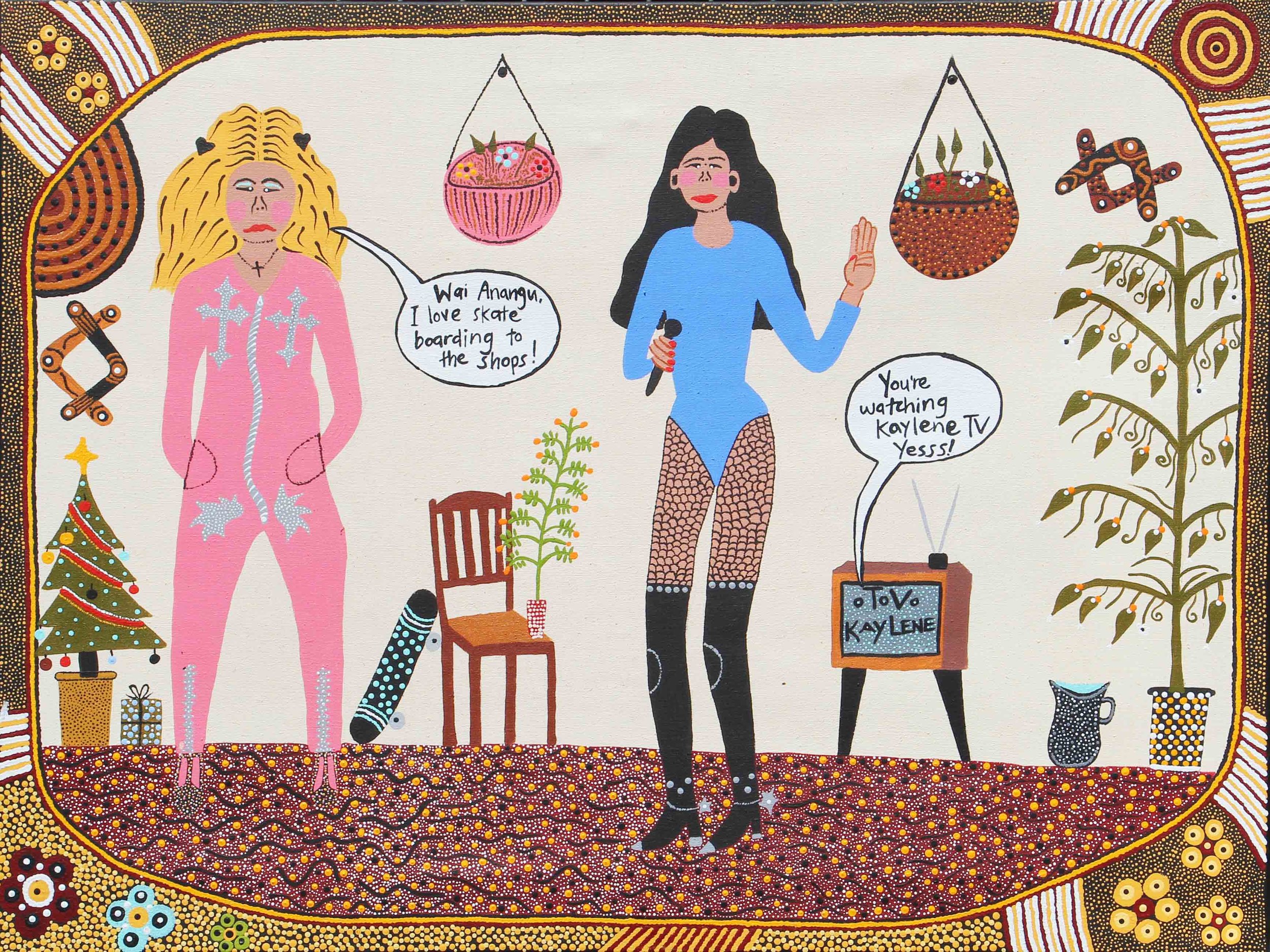
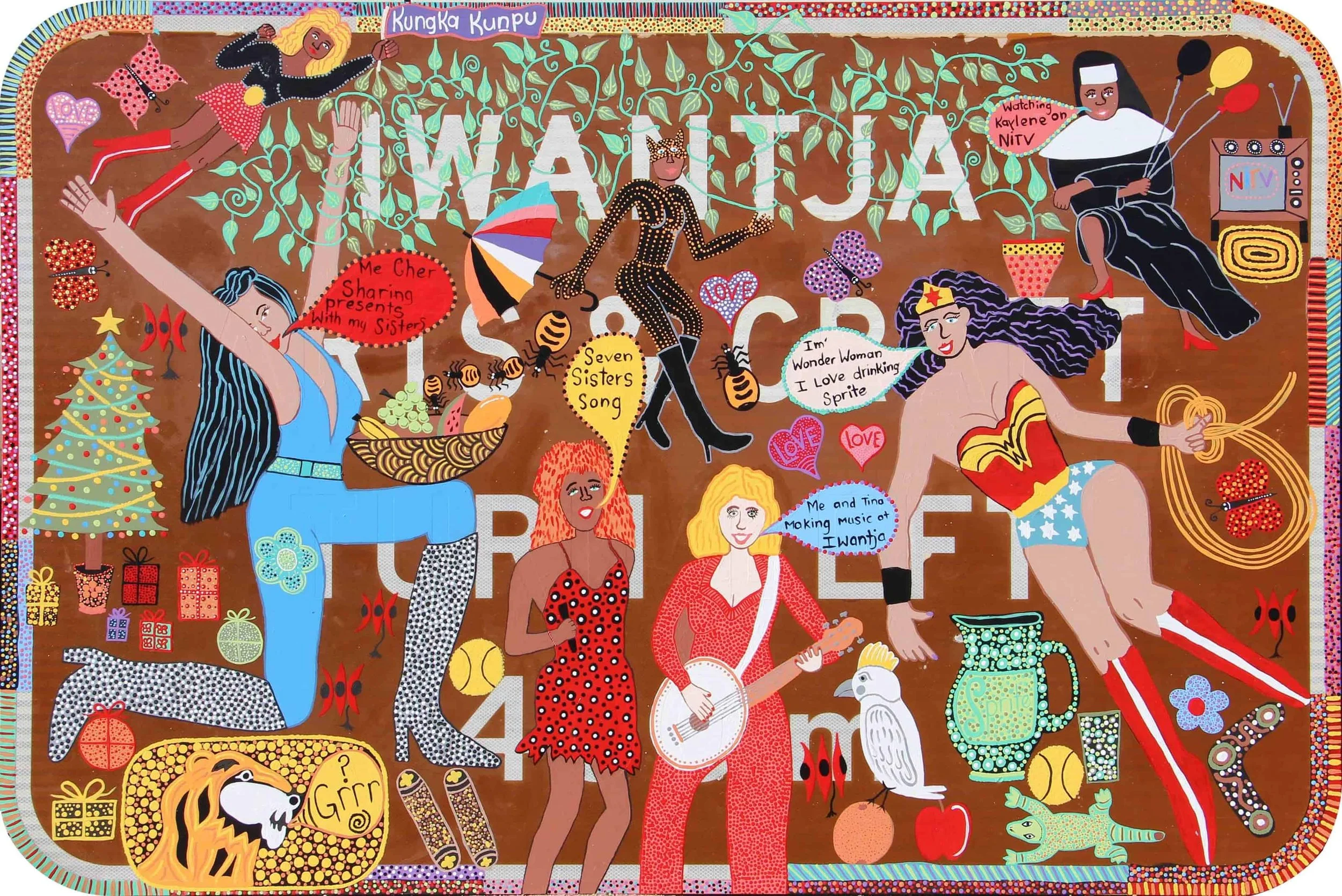
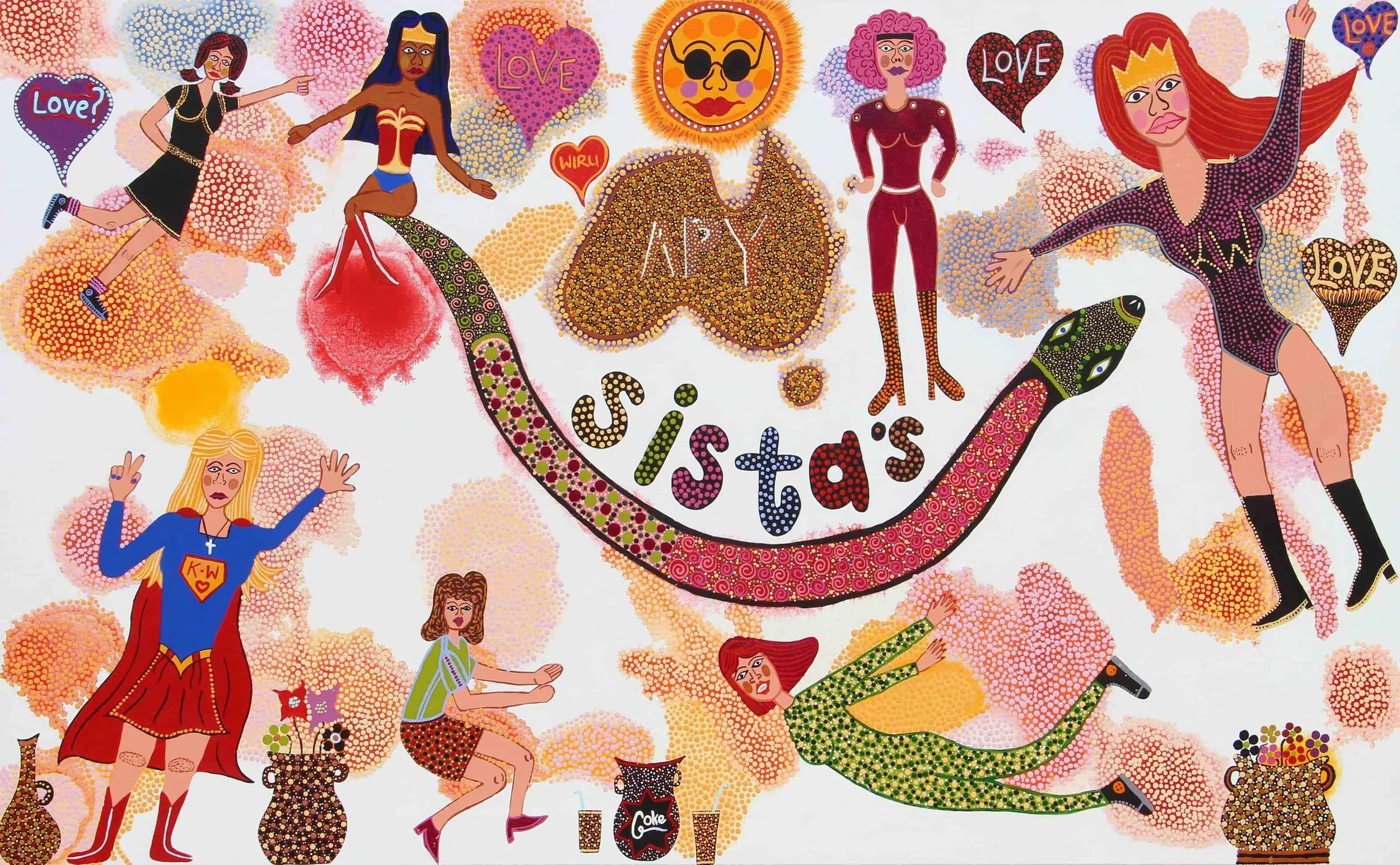
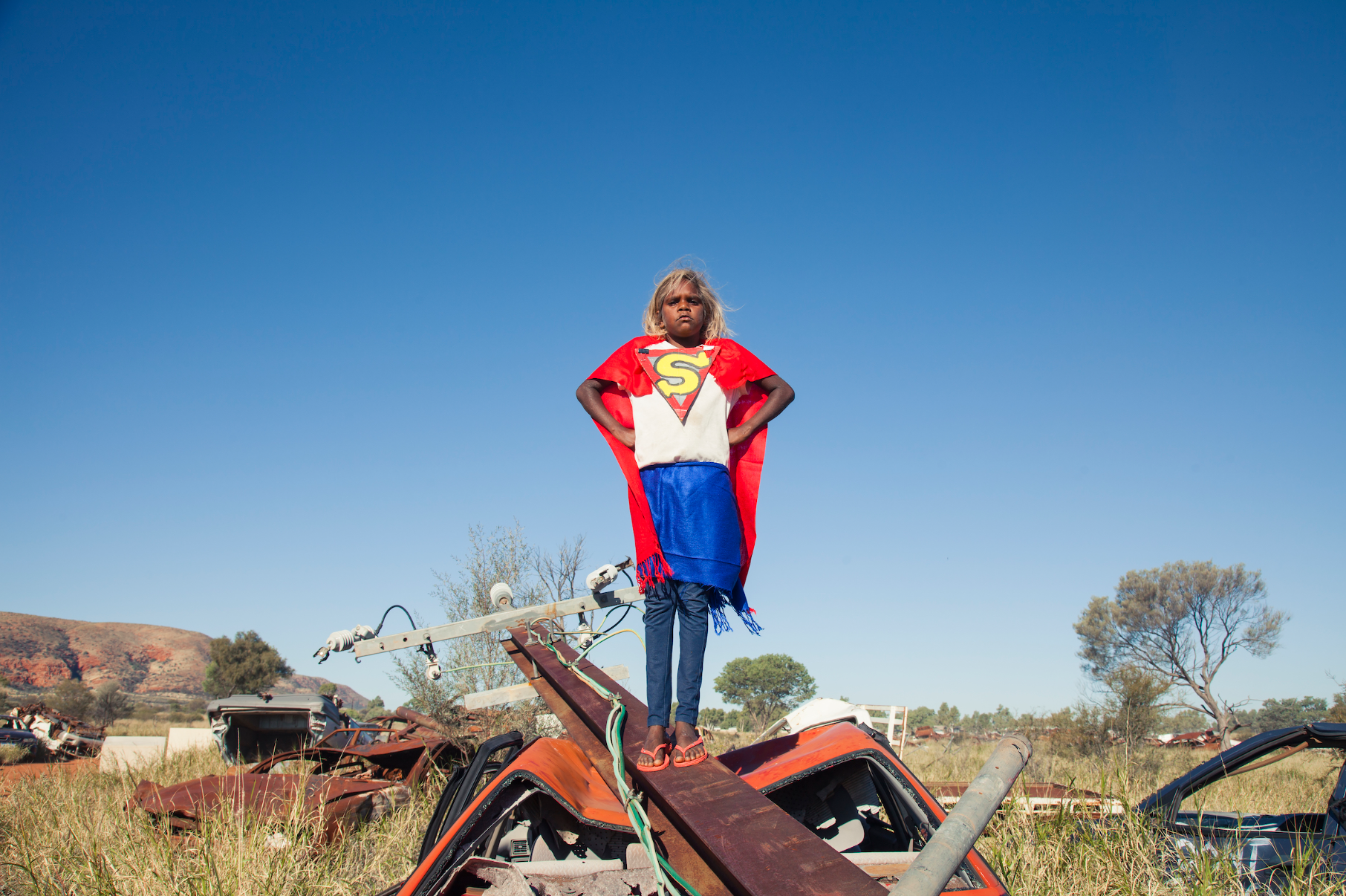
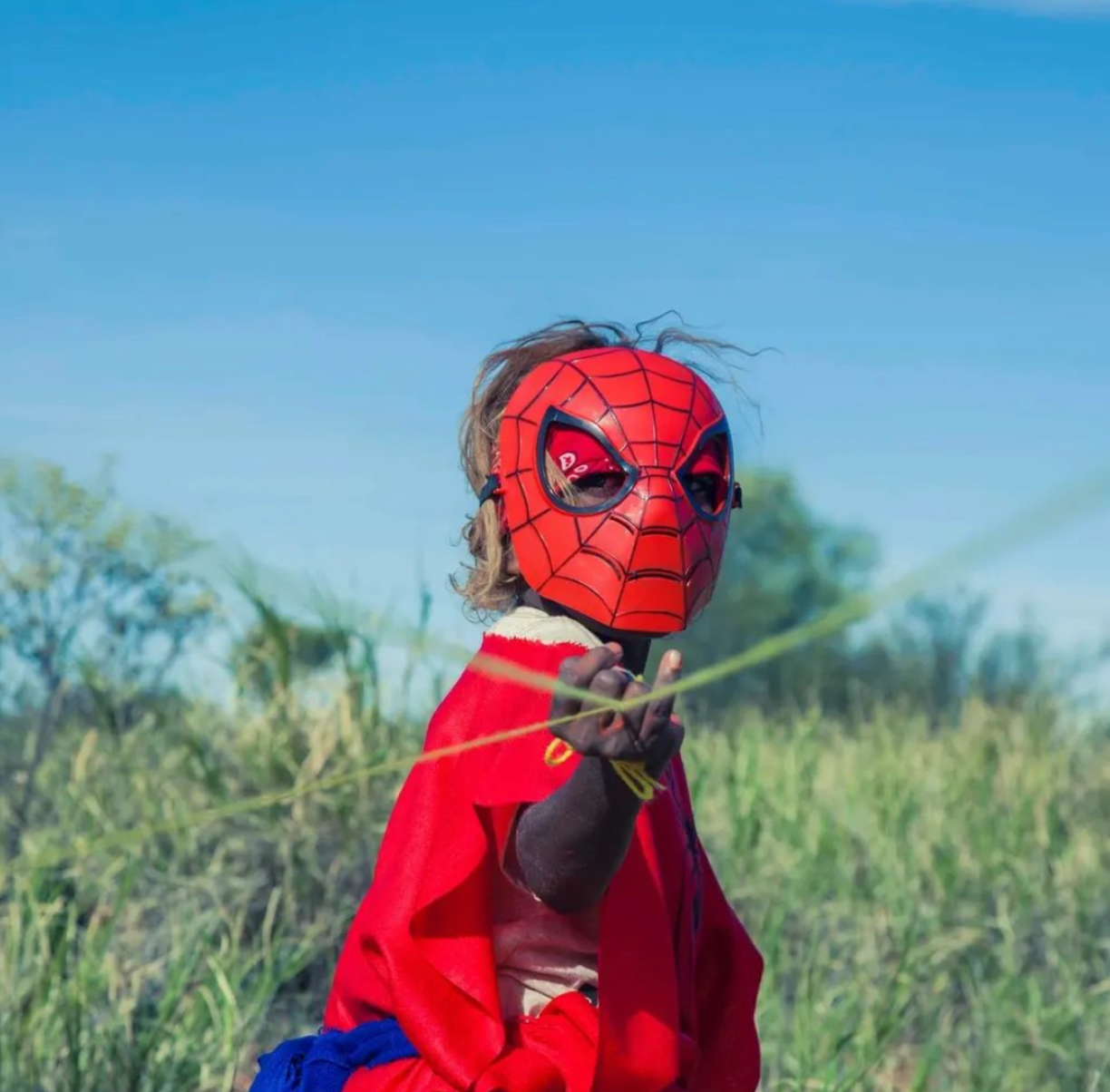
Bright, bold and unmistakably joyful, Kaylene Whiskey creates paintings that celebrate the meeting of two worlds. Drawing on her Anangu heritage and life in the remote South Australian community of Indulkana, Whiskey weaves together traditional cultural knowledge with global icons and pop culture that have shaped her generation.
In her vibrant compositions, figures such as Dolly Parton and Tina Turner appear alongside native wildlife, bush tucker, and desert landscapes, blurring the boundaries between contemporary life and enduring cultural traditions. Infused with humour, colour and an infectious sense of optimism, Whiskey's work champions the power of storytelling, community and female empowerment while offering a distinctly personal perspective on modern Indigenous life.
Her playful visual language has earned international recognition, including winning the prestigious Sir John Sulman Prize in 2018, cementing her place as one of Australia's most celebrated contemporary Indigenous artists.
Website 01 | Website 02 (represented by Roslyn Oxley Gallery)
Reko Rennie
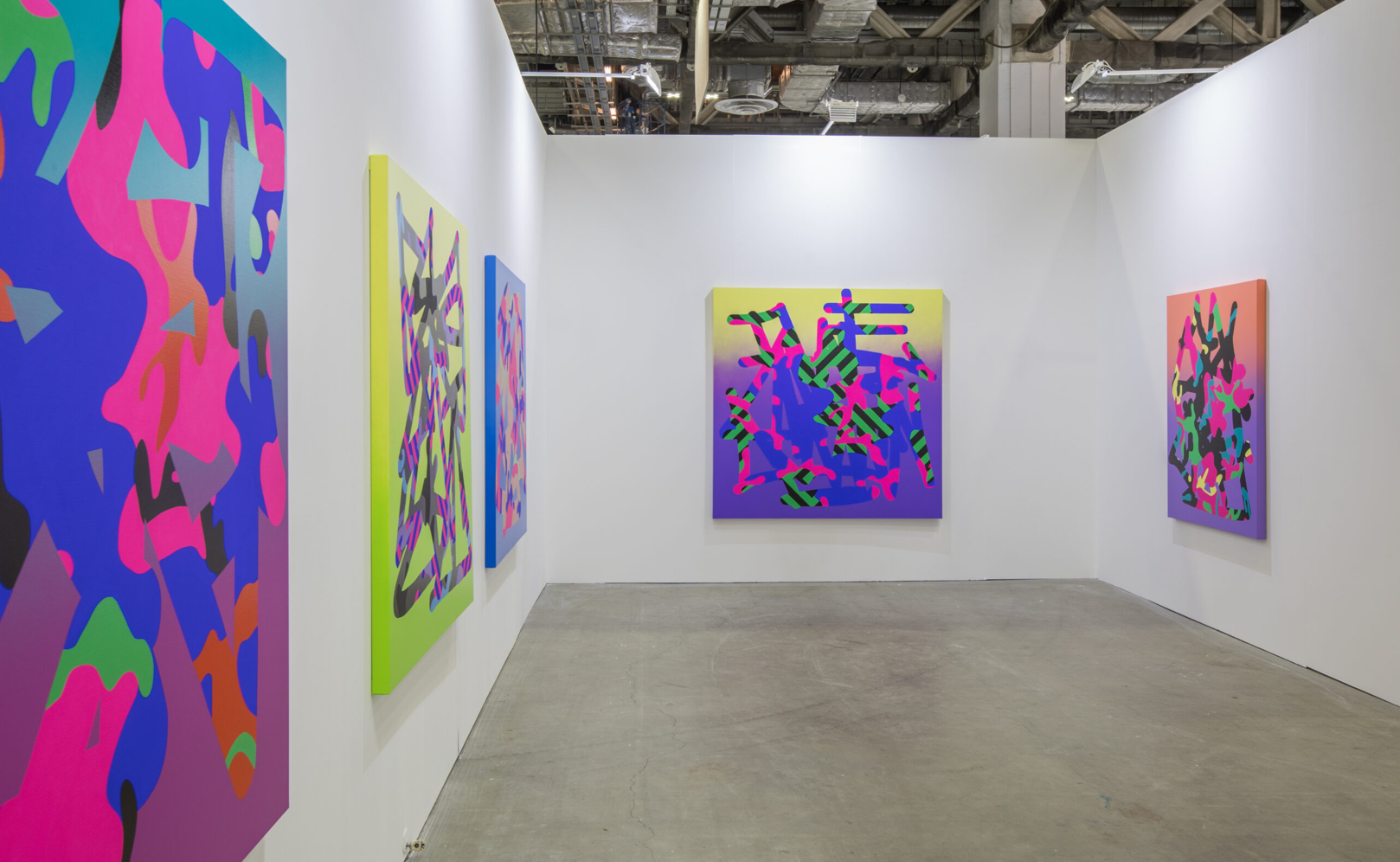
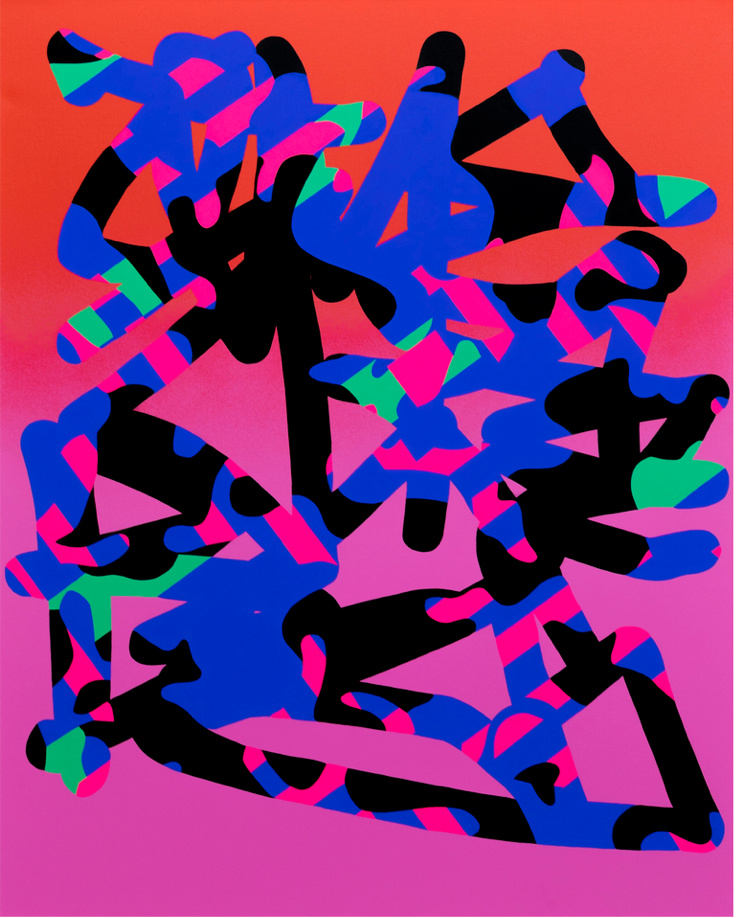
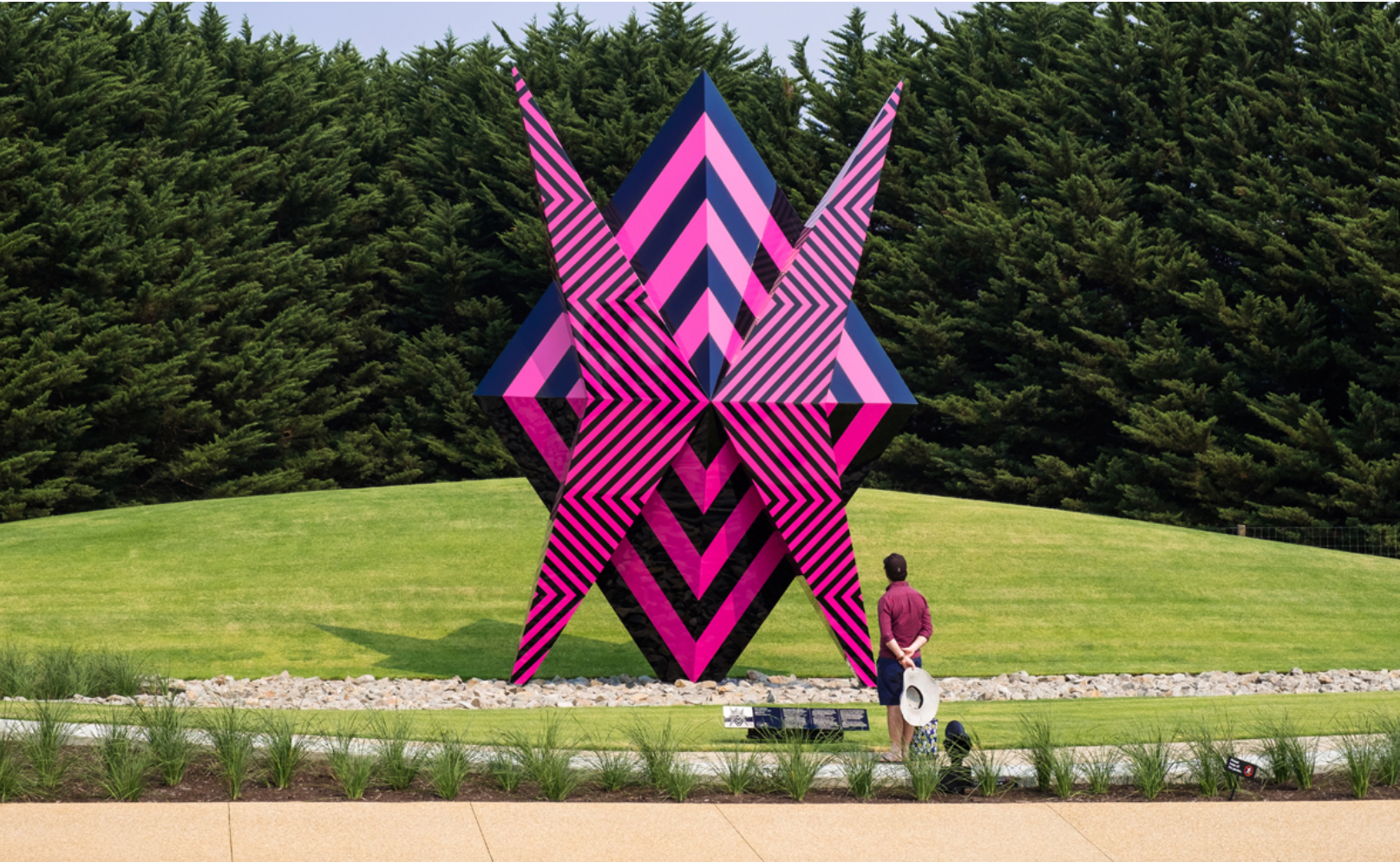
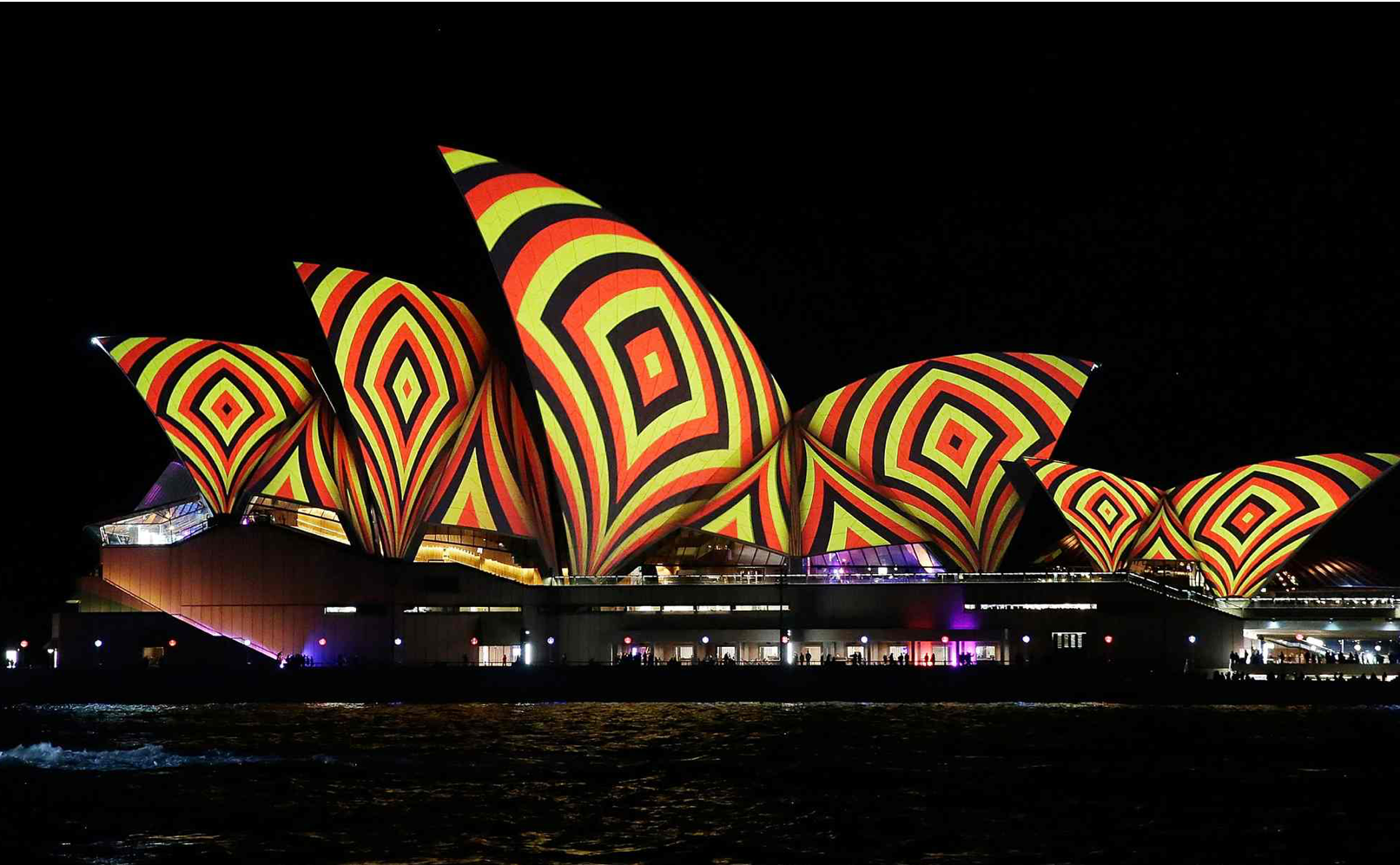
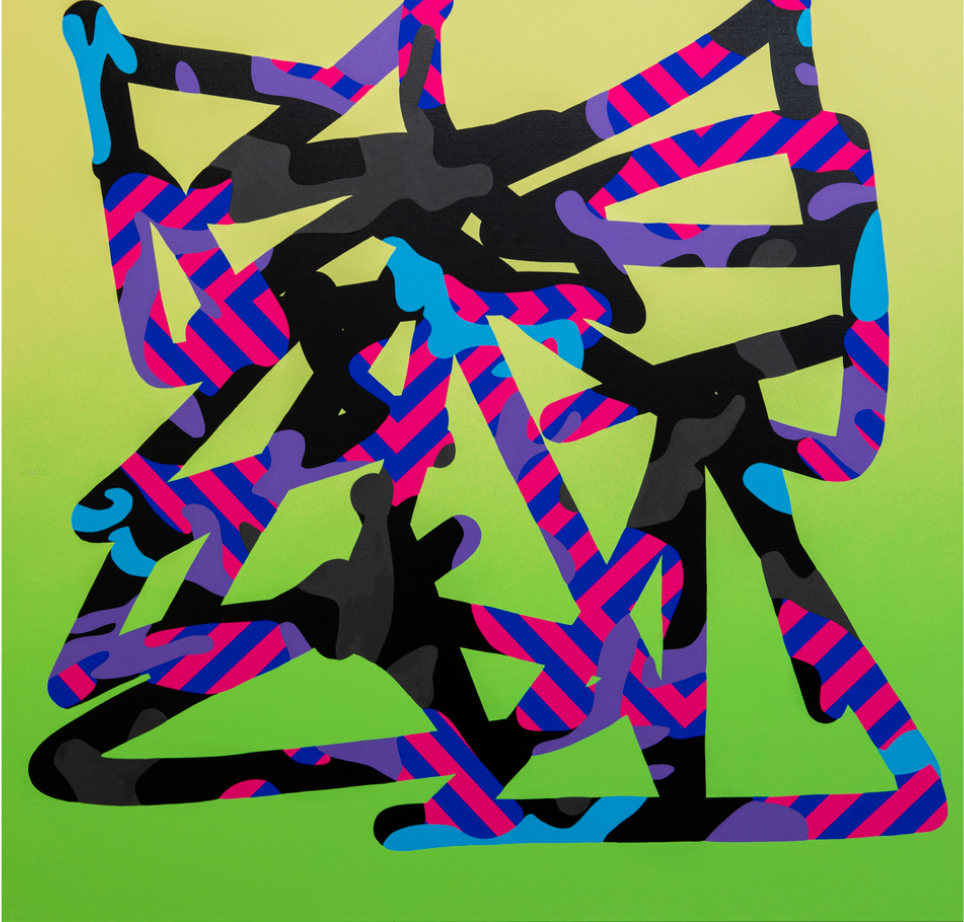
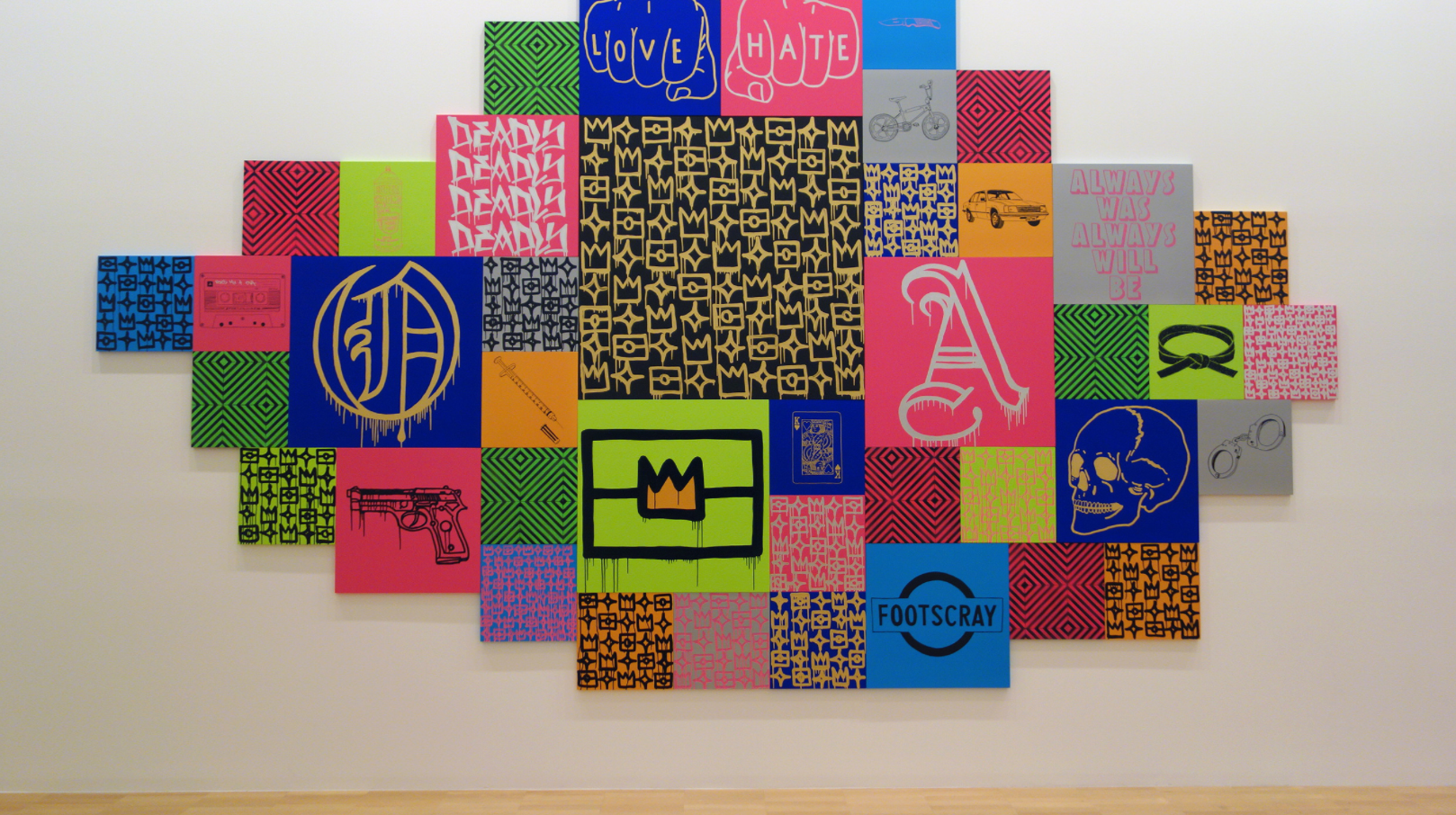
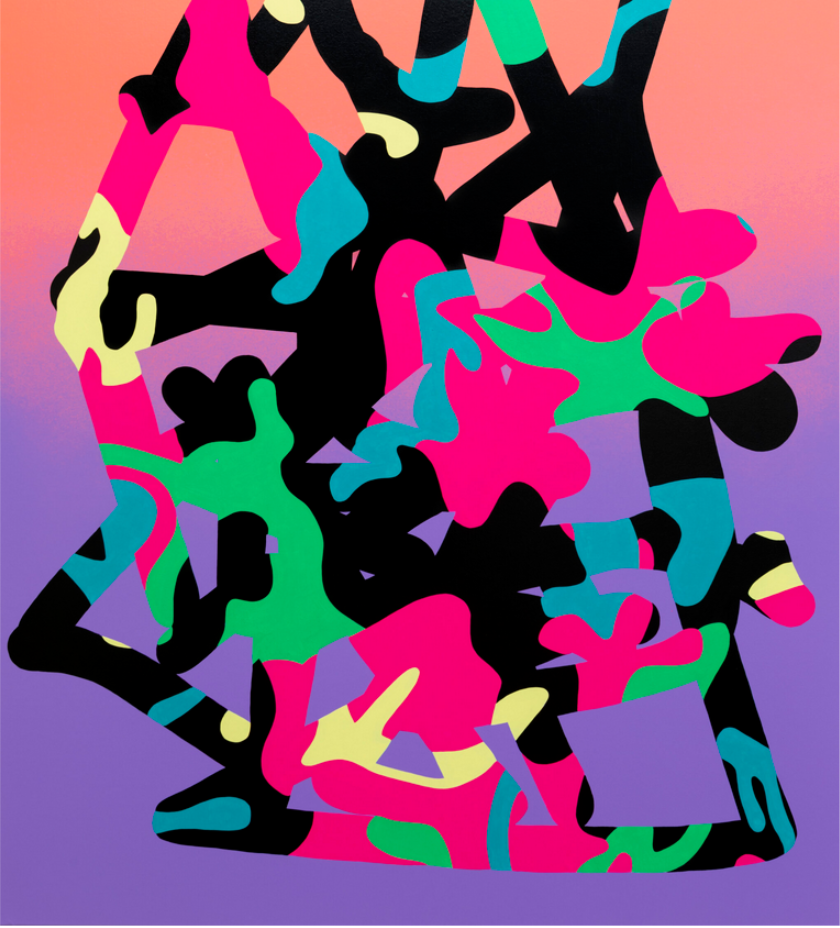
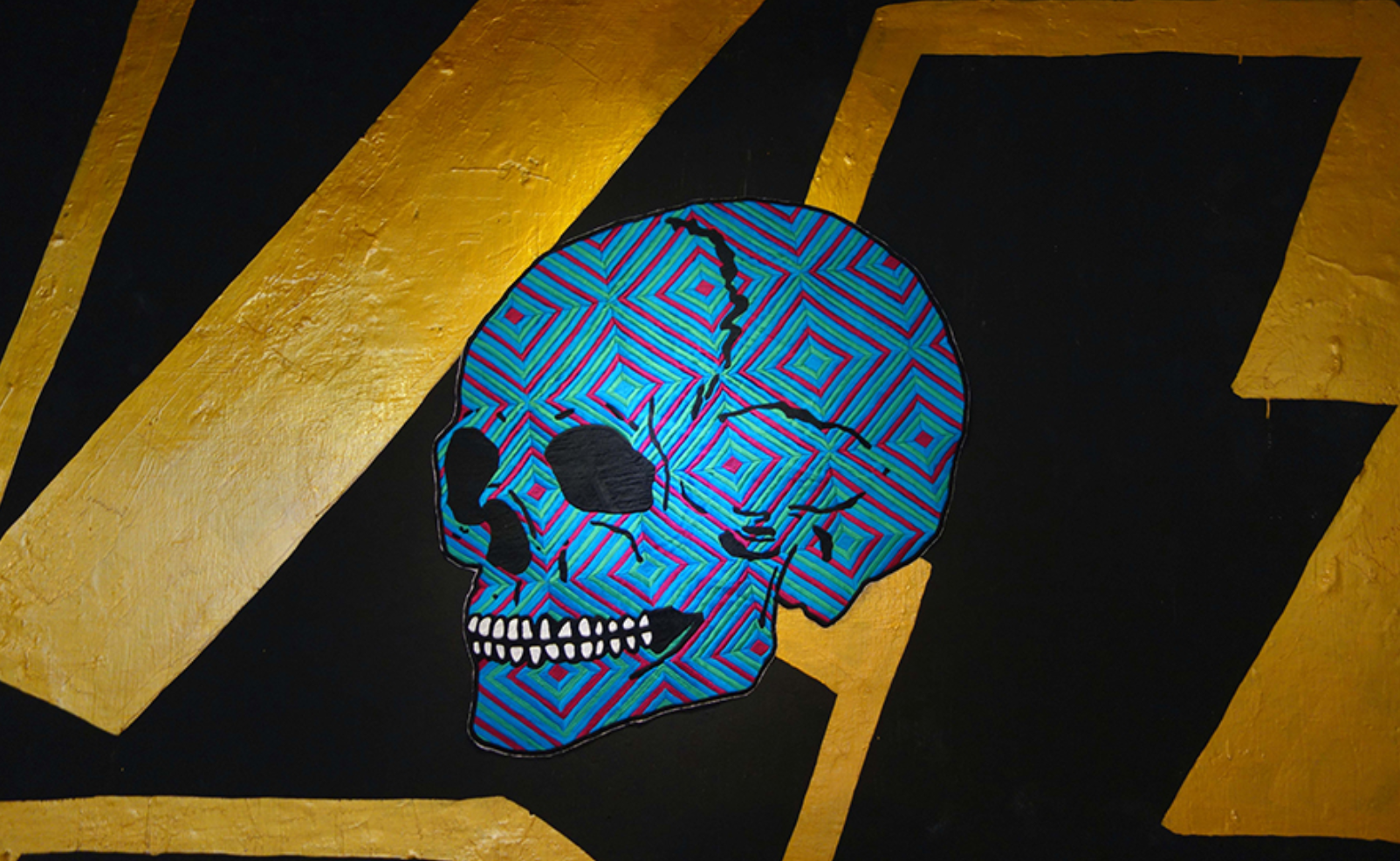
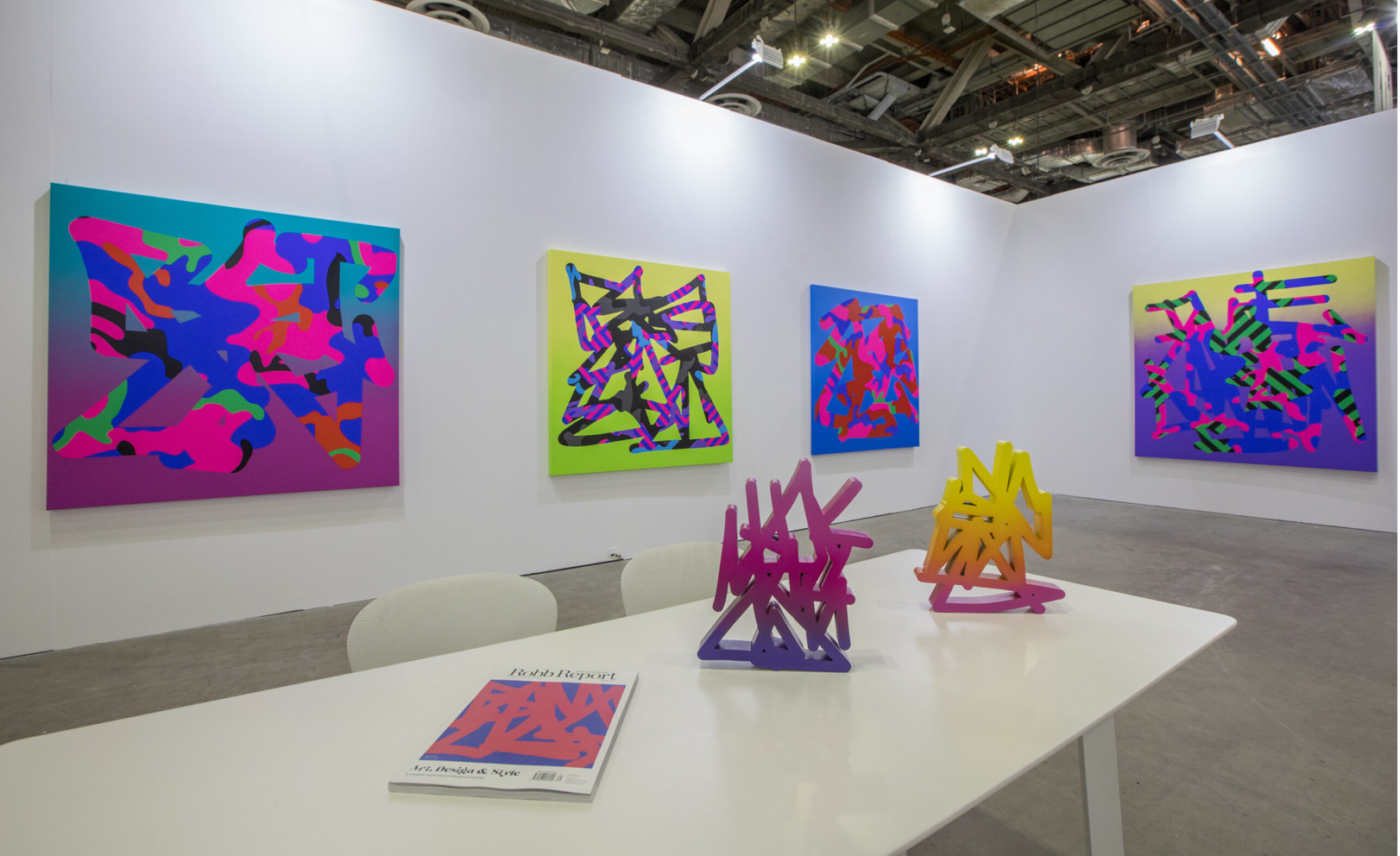
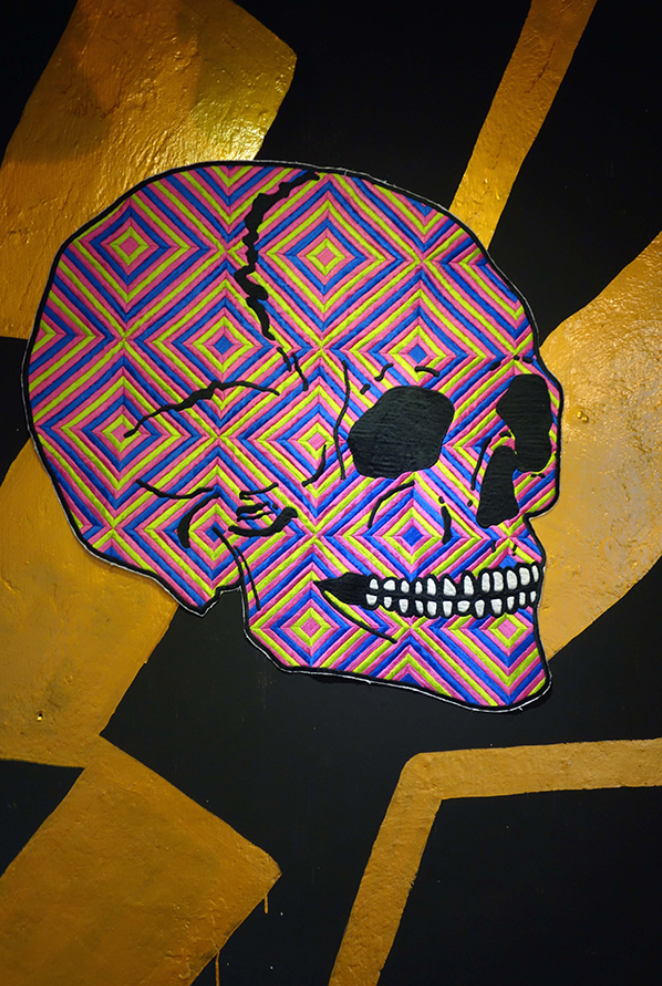
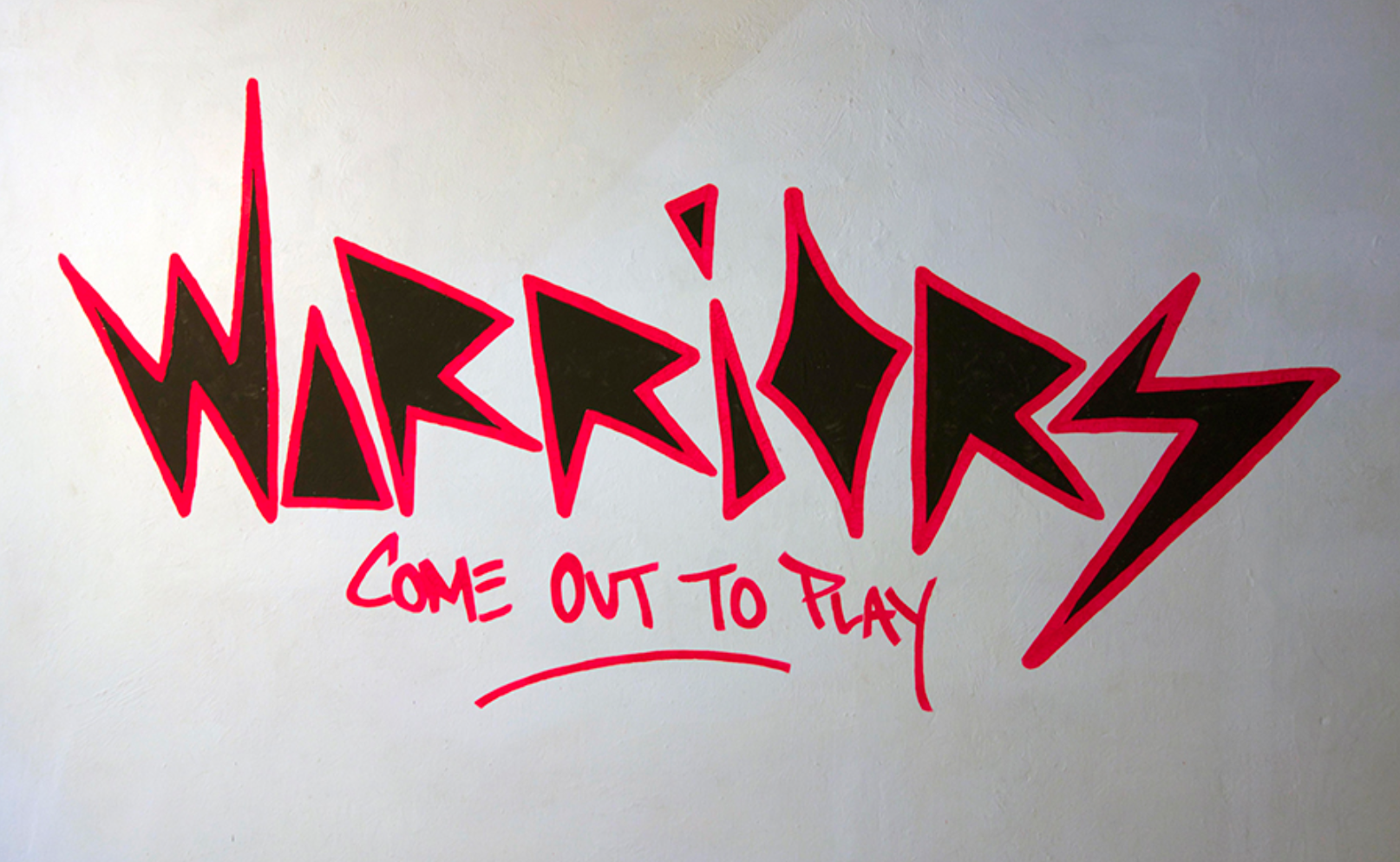
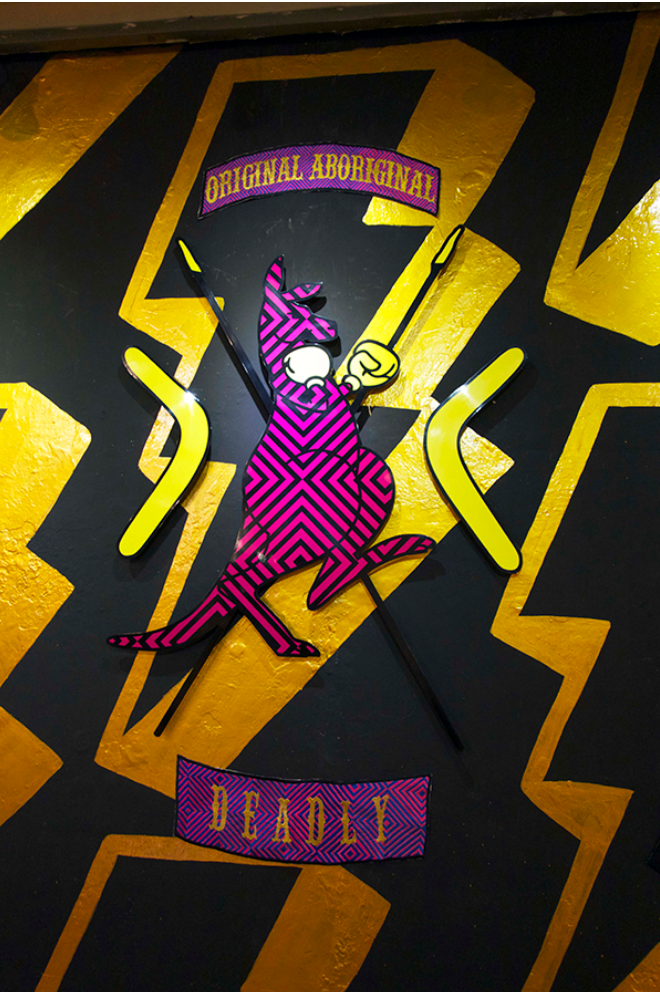
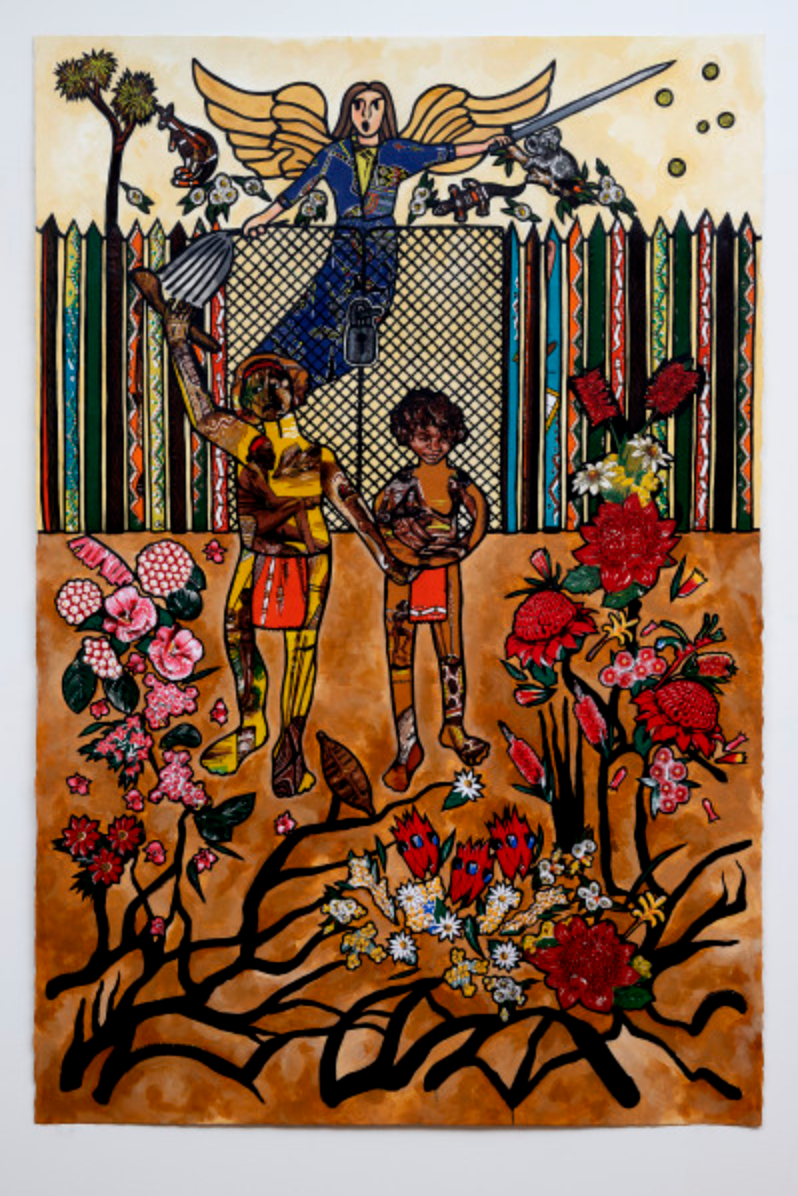
Reko Rennie is one of Australia's leading contemporary Indigenous artists, renowned for his bold interdisciplinary practice that explores identity, culture and belonging through a distinctly urban lens.
Drawing on his Kamilaroi heritage, Rennie works across painting, installation, sculpture, public art and digital media, blending traditional Aboriginal iconography with the visual language of graffiti and street culture. His striking geometric patterns and vibrant compositions challenge conventional ideas of Indigenous identity, celebrating the complexity of contemporary Aboriginal experience while asserting a powerful and unapologetic cultural presence.
Daniel Boyd
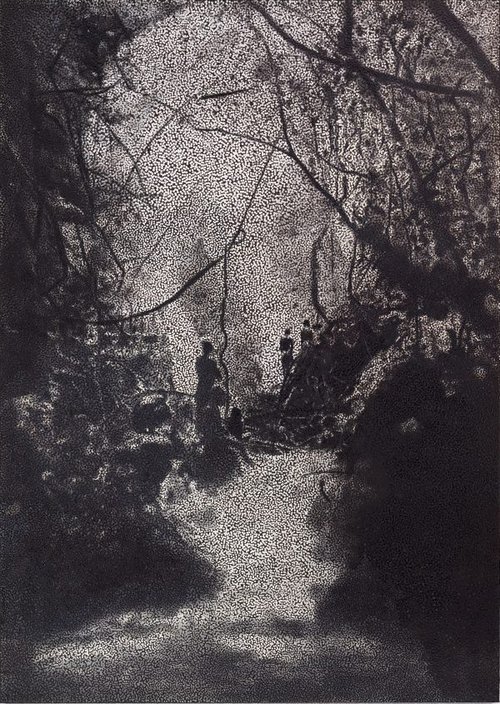
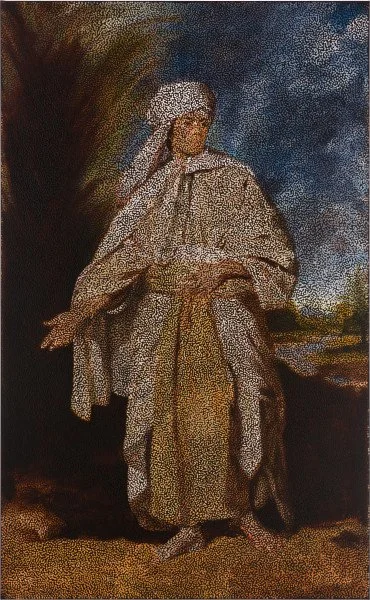
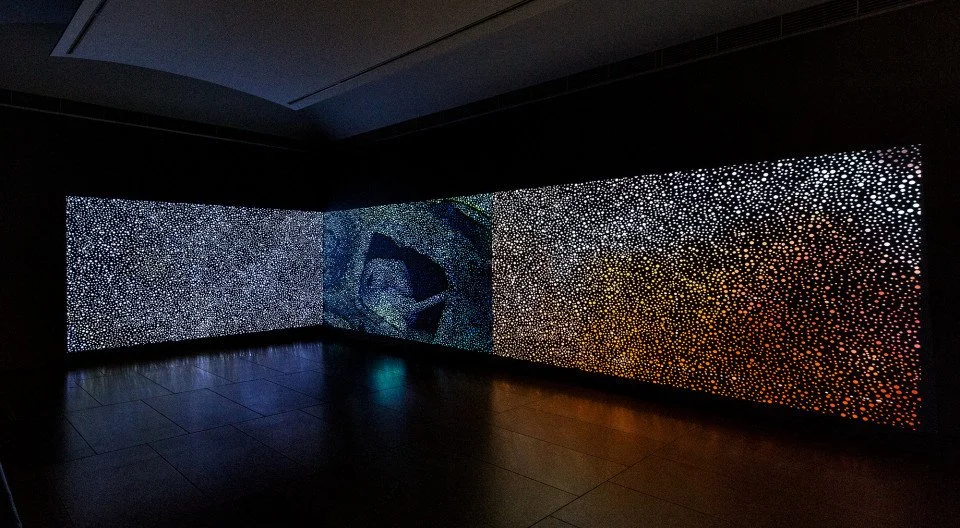
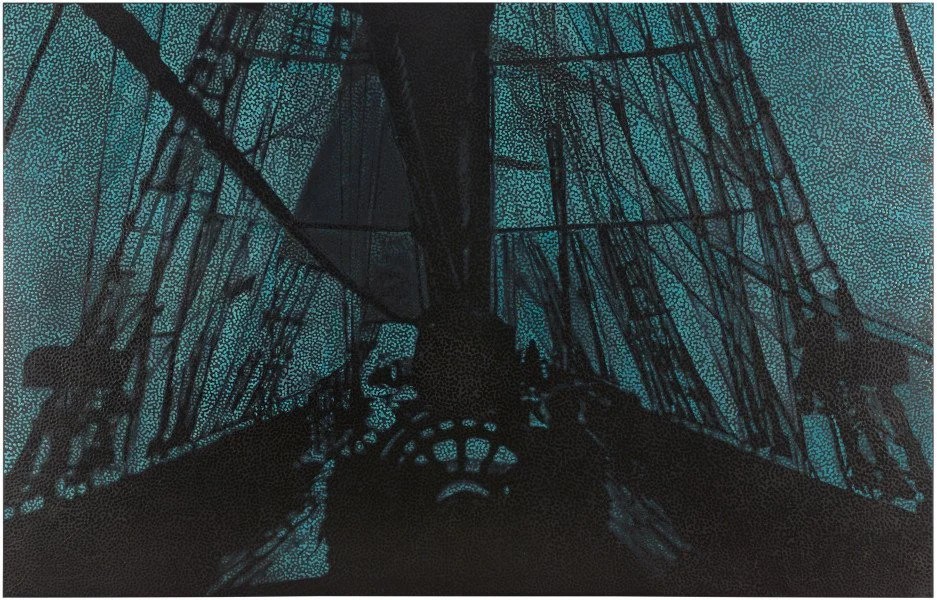
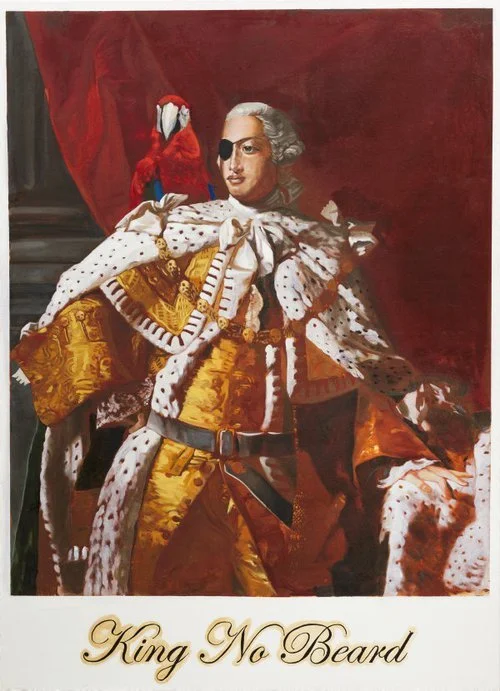
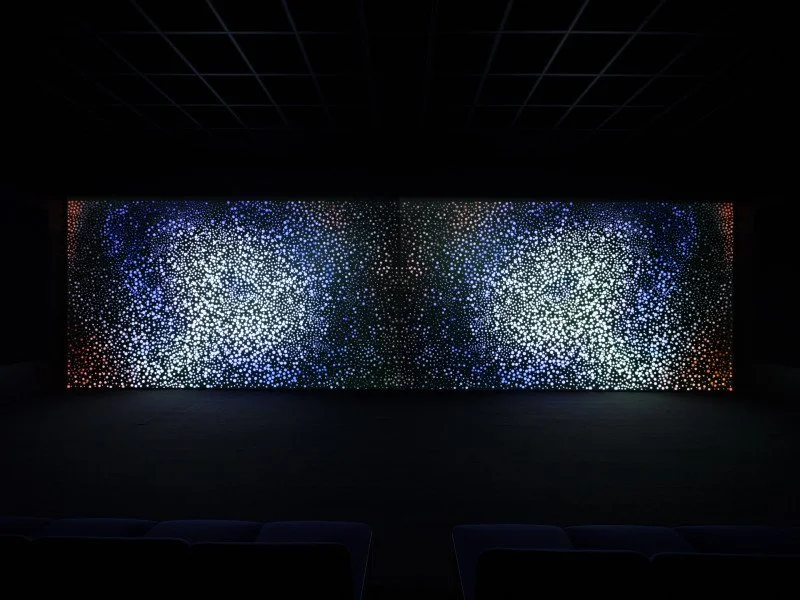
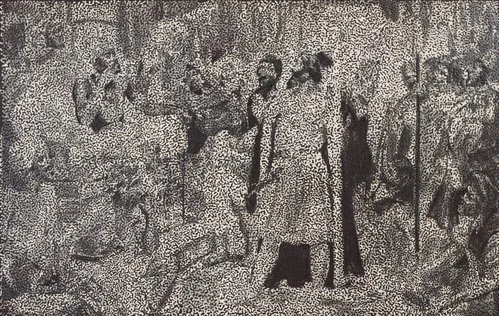
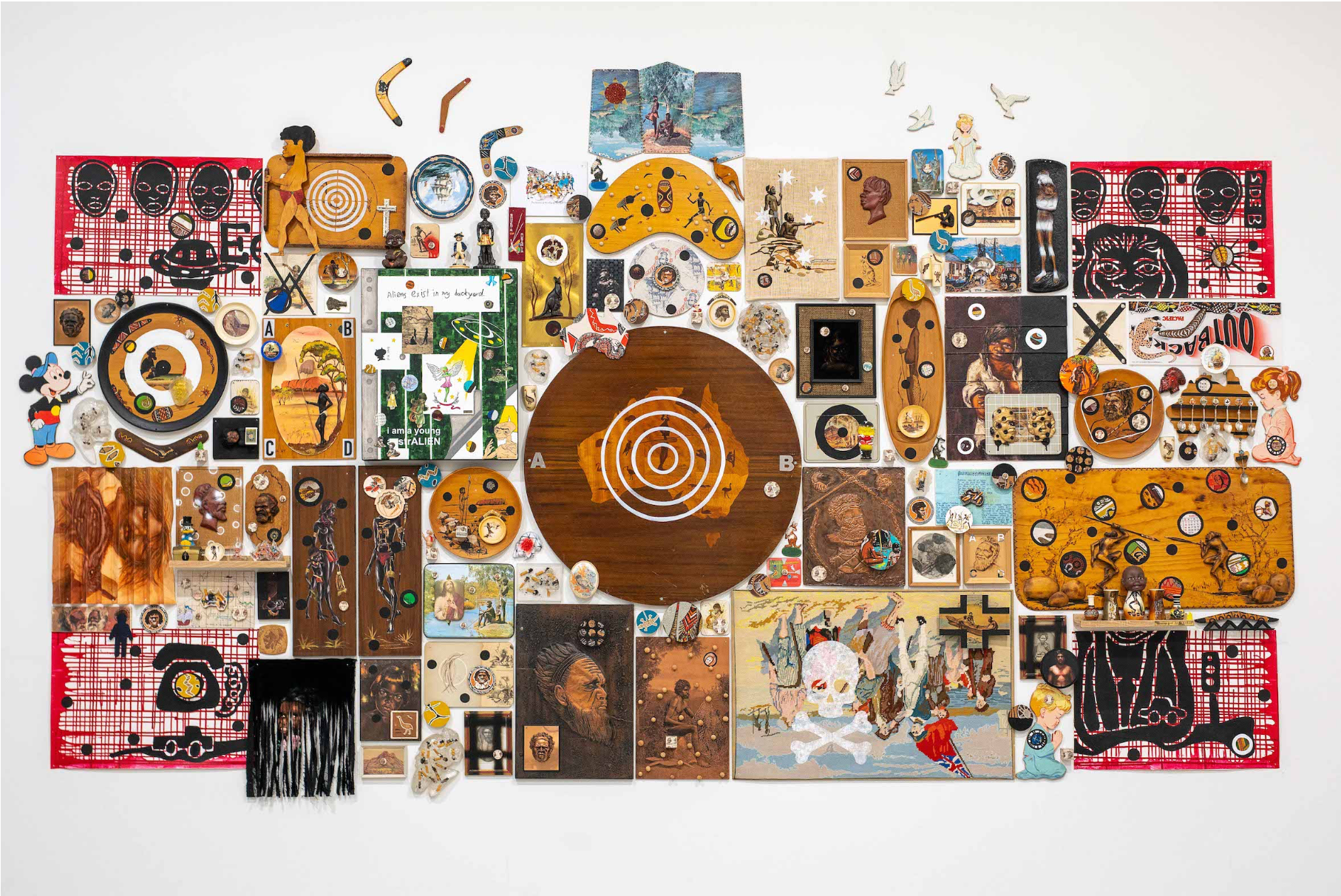
Daniel Boyd is one of Australia's leading contemporary artists, renowned for challenging conventional understandings of history, identity and perception. Drawing on his Aboriginal and ni-Vanuatu heritage, Boyd reinterprets colonial narratives through layered paintings, installations and mixed-media works that question what we see, remember and choose to overlook.
His distinctive aesthetic and use of lens-like elements simultaneously obscure and reveal imagery, inviting viewers to reconsider Australia's past through a more complex and nuanced perspective. Widely exhibited both nationally and internationally, Boyd's practice has established him as one of the most influential voices in contemporary Australian art.
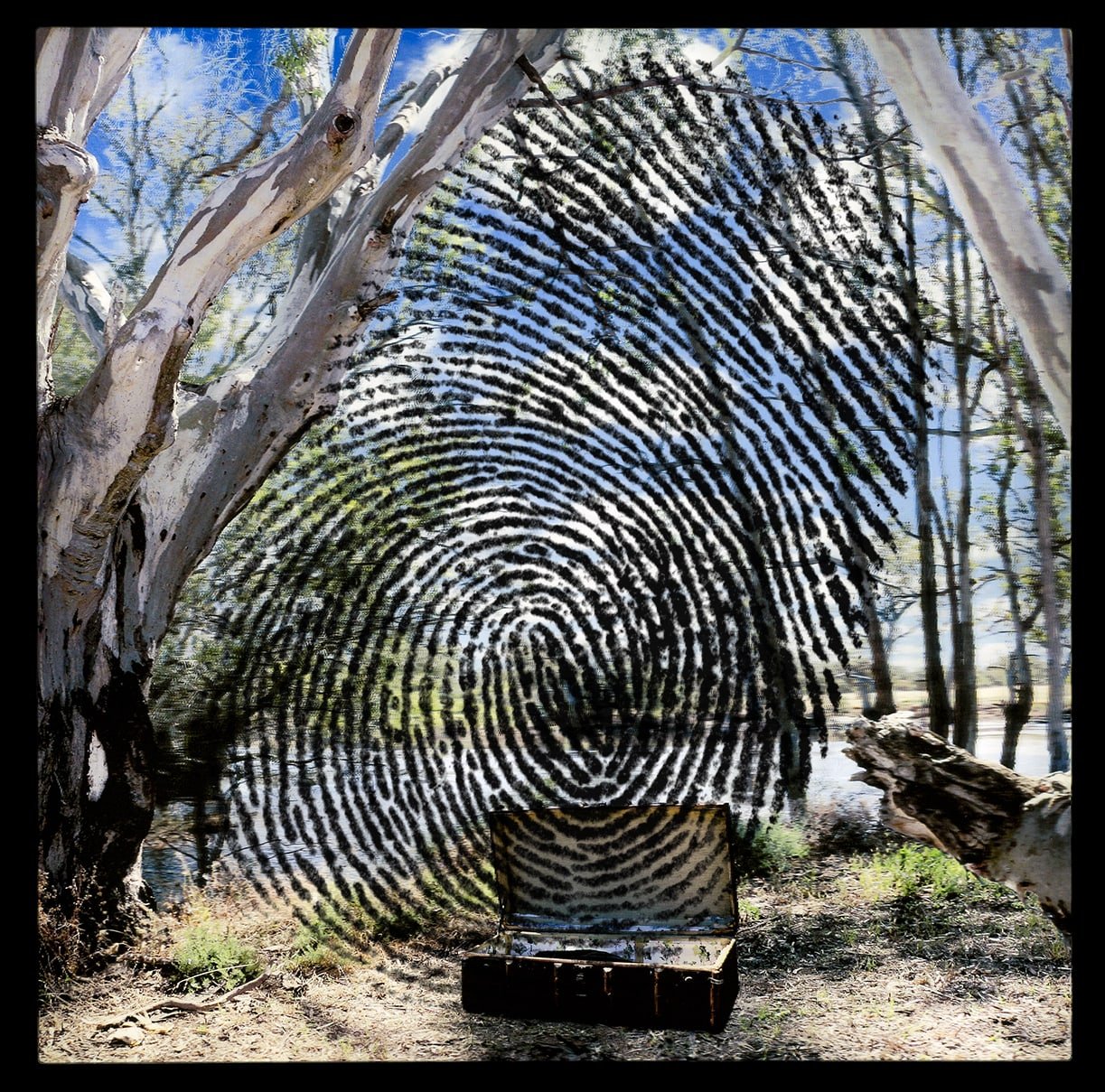
Tony Albert
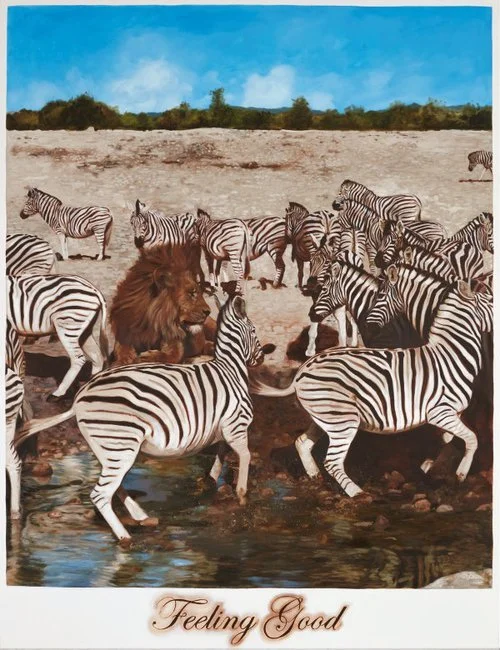
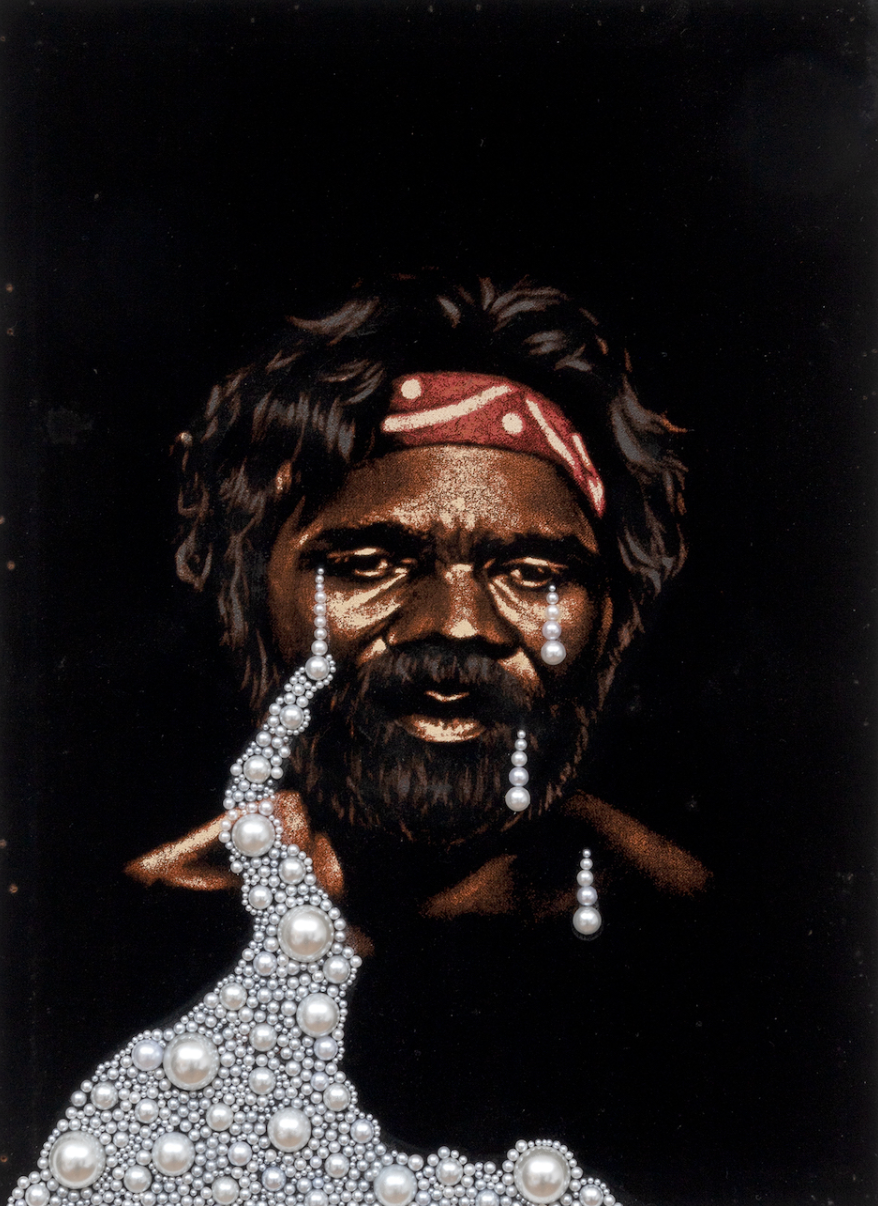
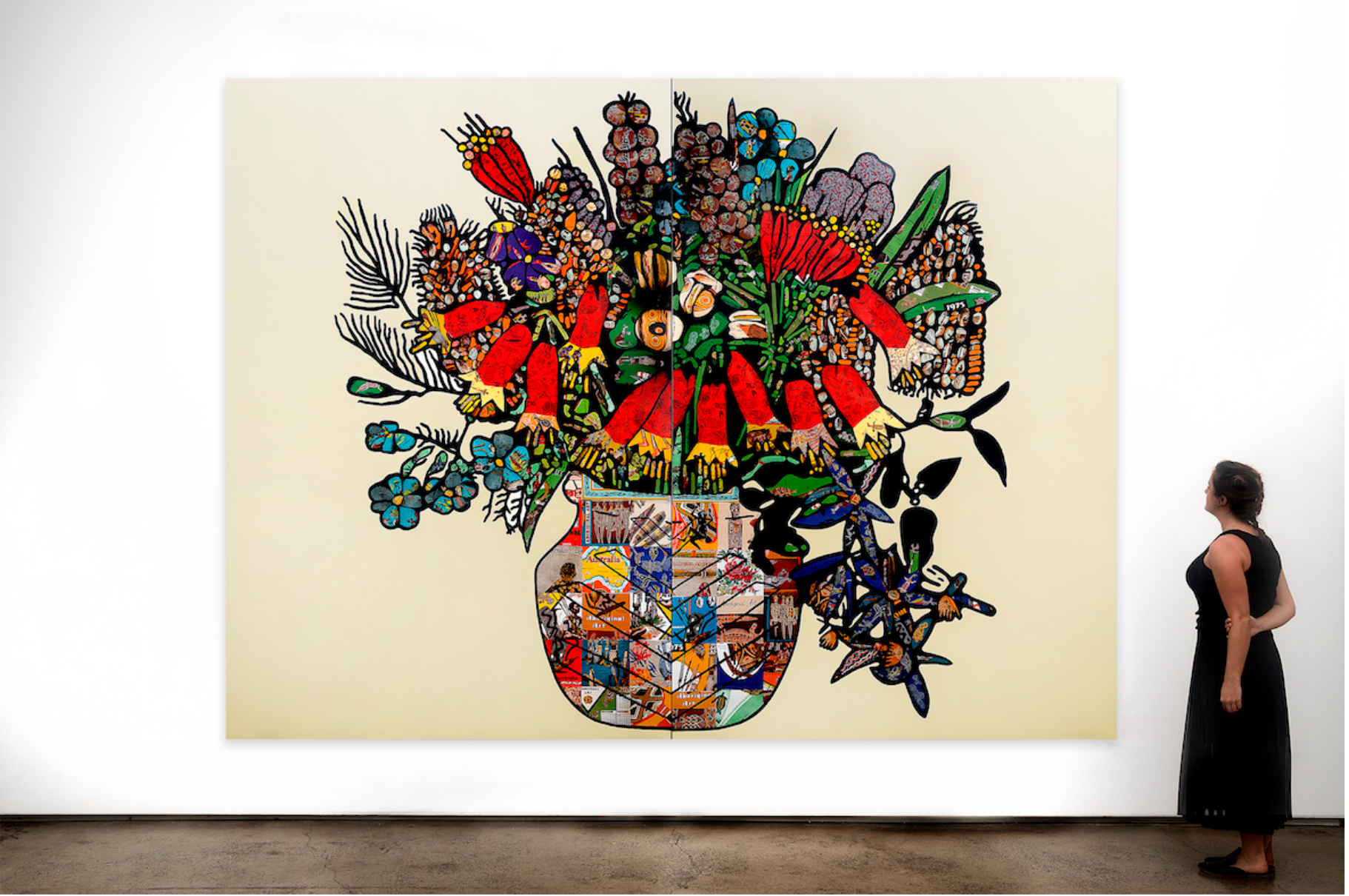
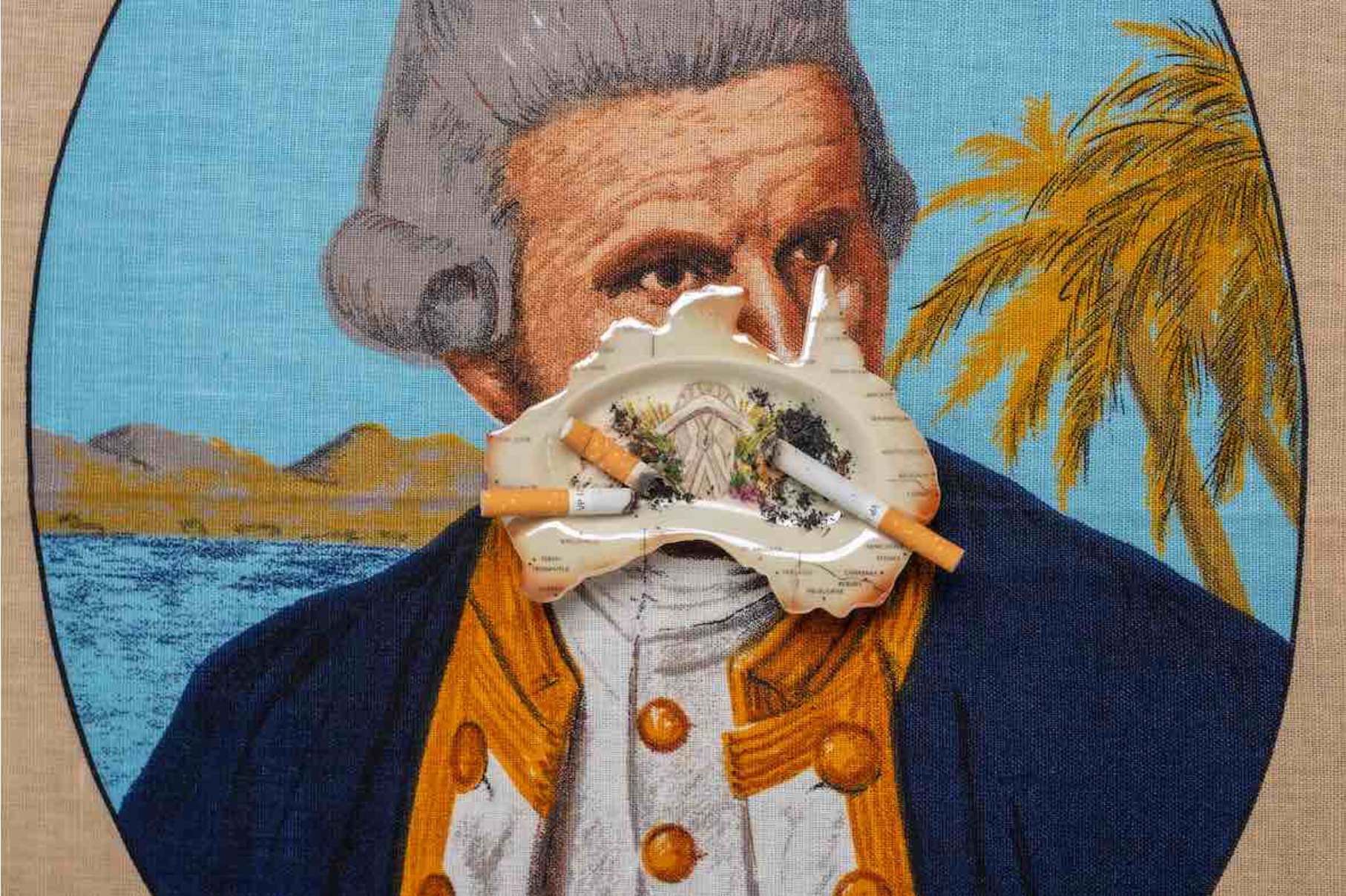
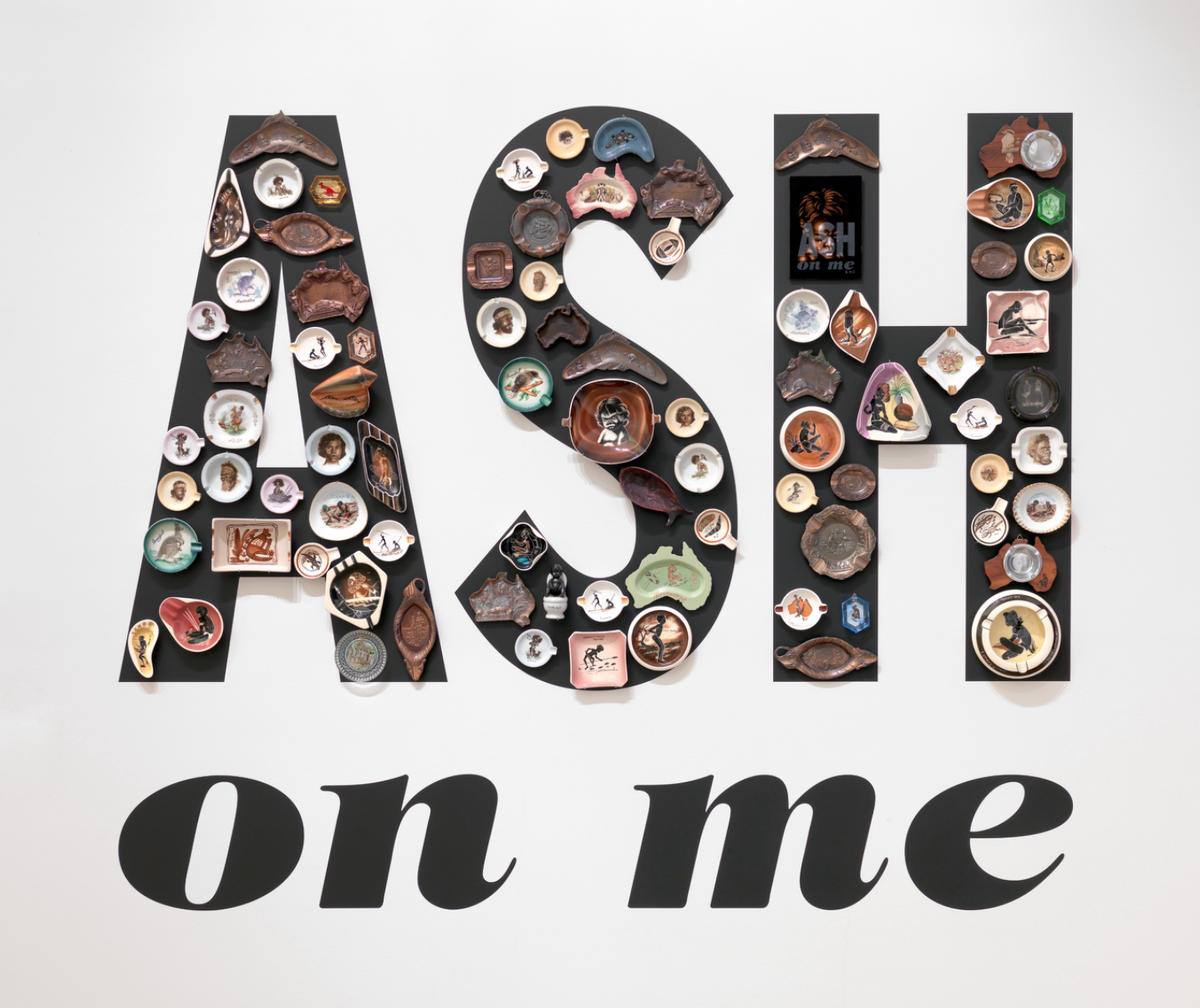
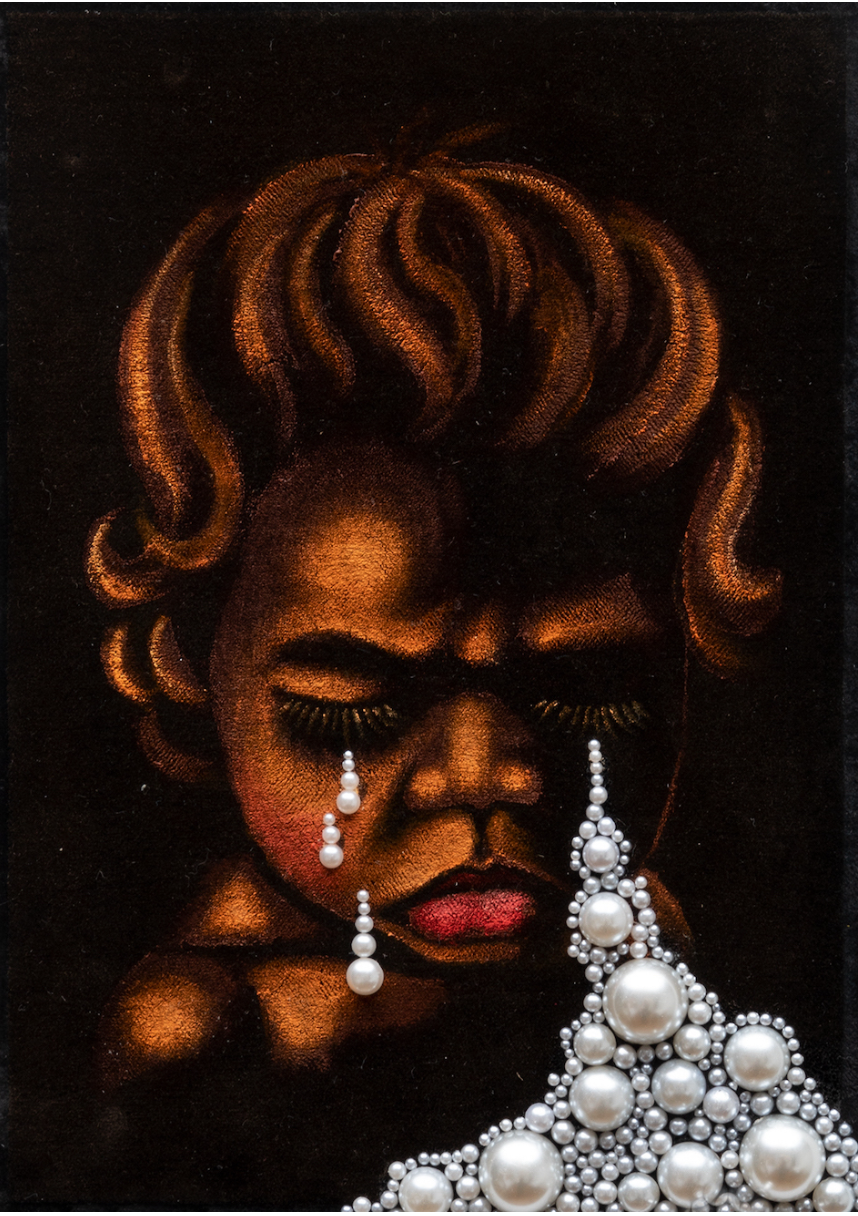
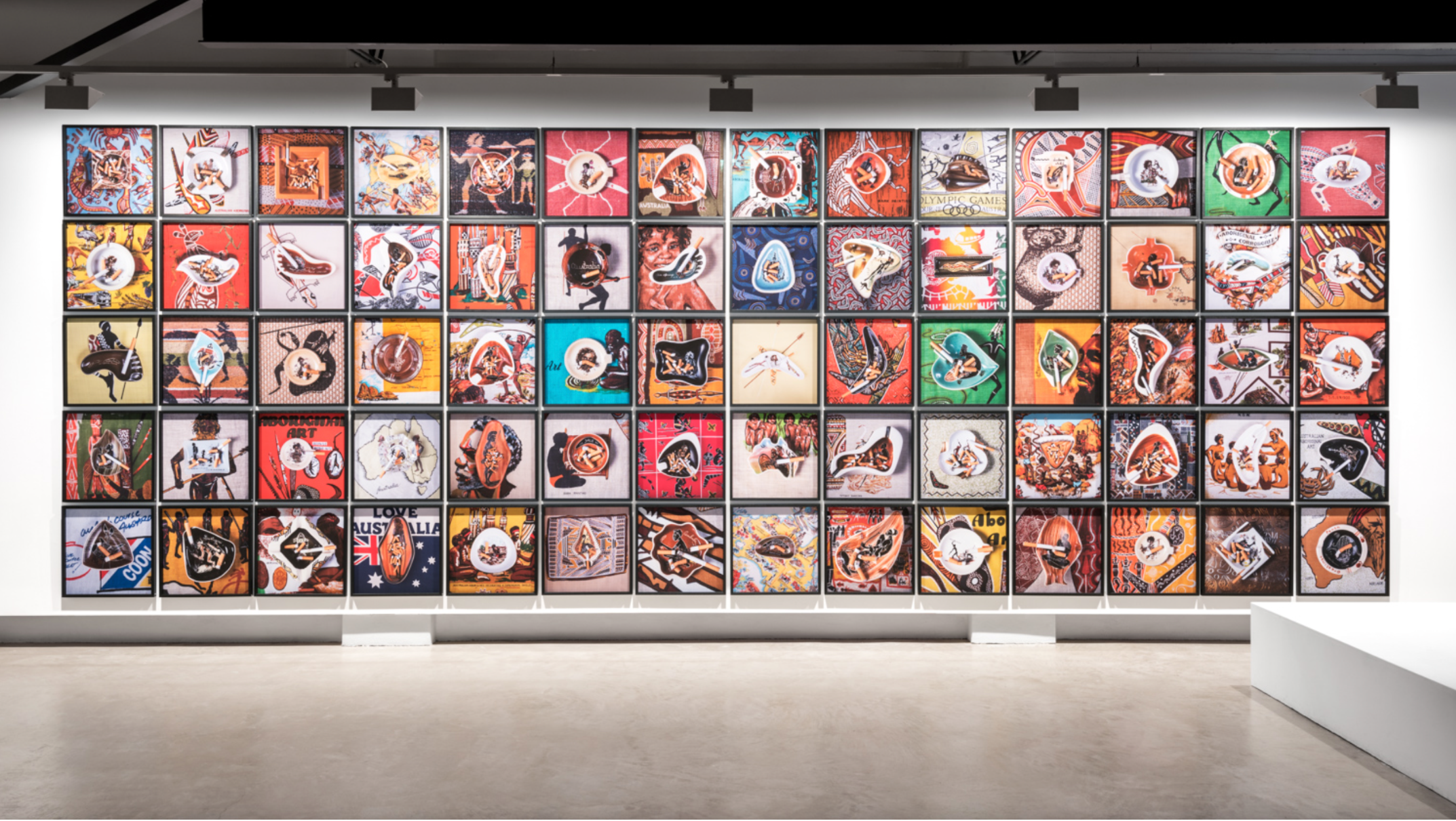
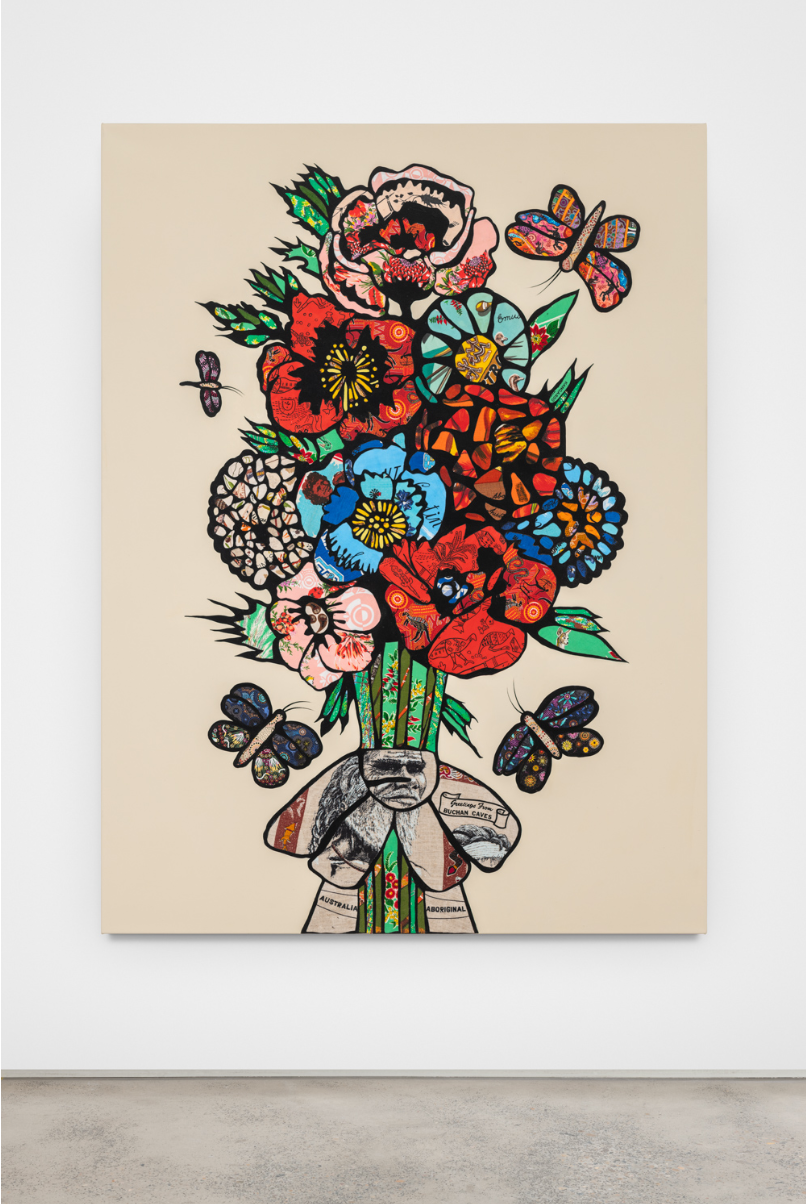
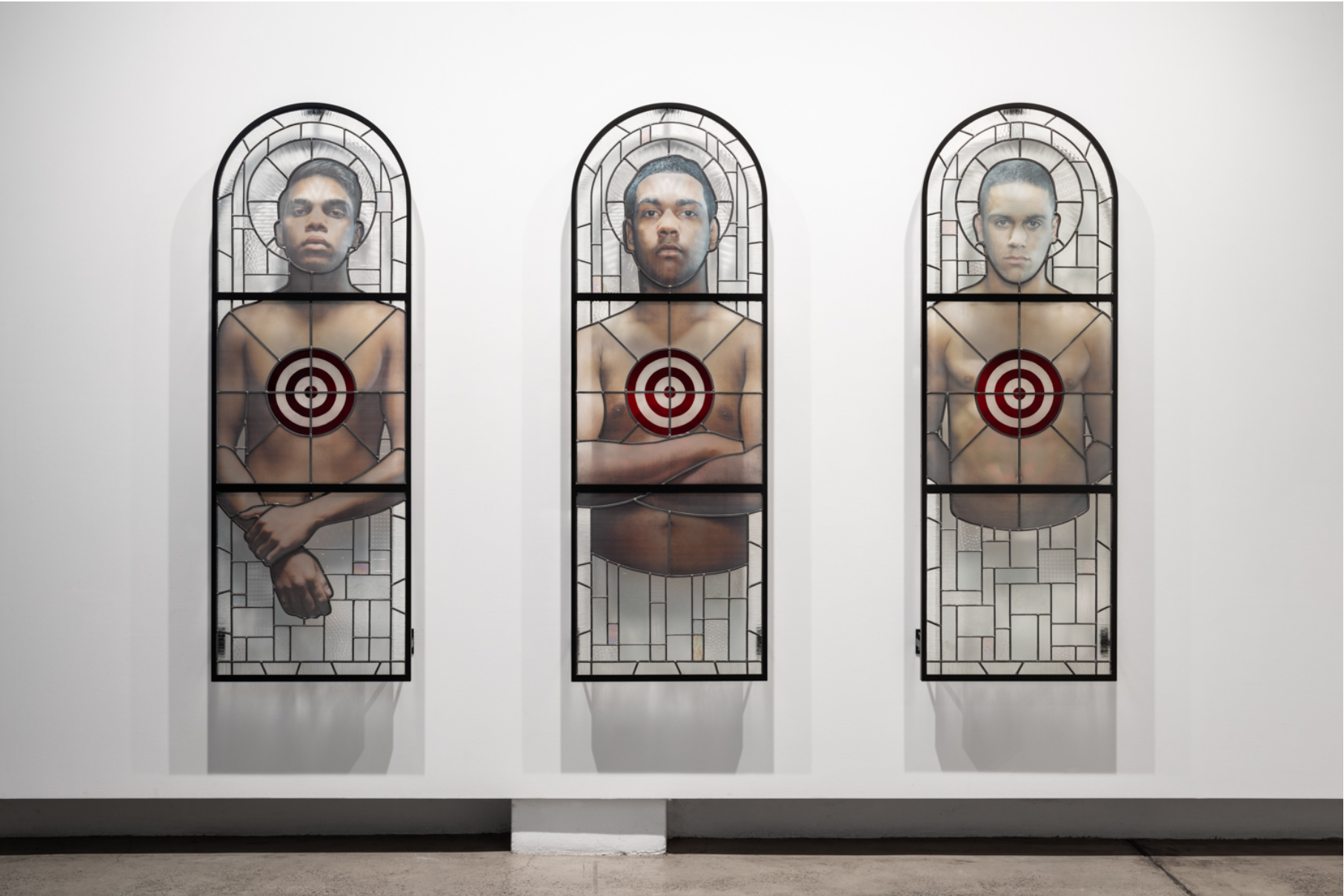
Tony Albert is one of Australia's leading contemporary artists, celebrated for his powerful explorations of identity, history and the enduring effects of colonialism. Drawing on his Girramay and Kuku Yalanji heritage, Albert works across photography, installation, painting and sculpture, using historical imagery, text and found objects to challenge stereotypical representations of Aboriginal people.
His practice reclaims narratives that have long shaped perceptions of First Nations communities, transforming them into compelling works that question power, memory and belonging. Both deeply personal and politically charged, Albert's work has established him as a vital voice in contemporary Australian art, inviting audiences to confront the past while imagining a more inclusive future.
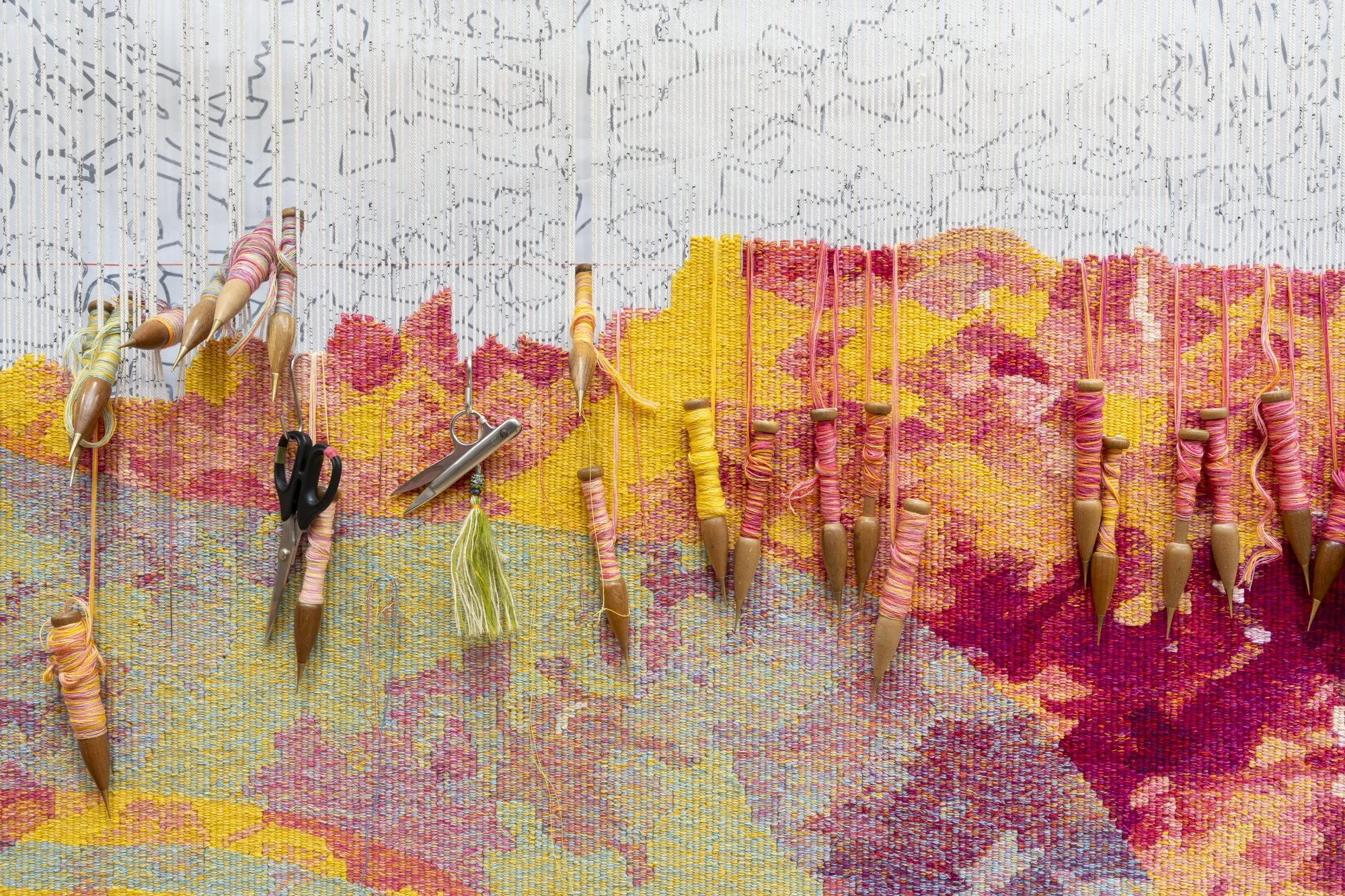
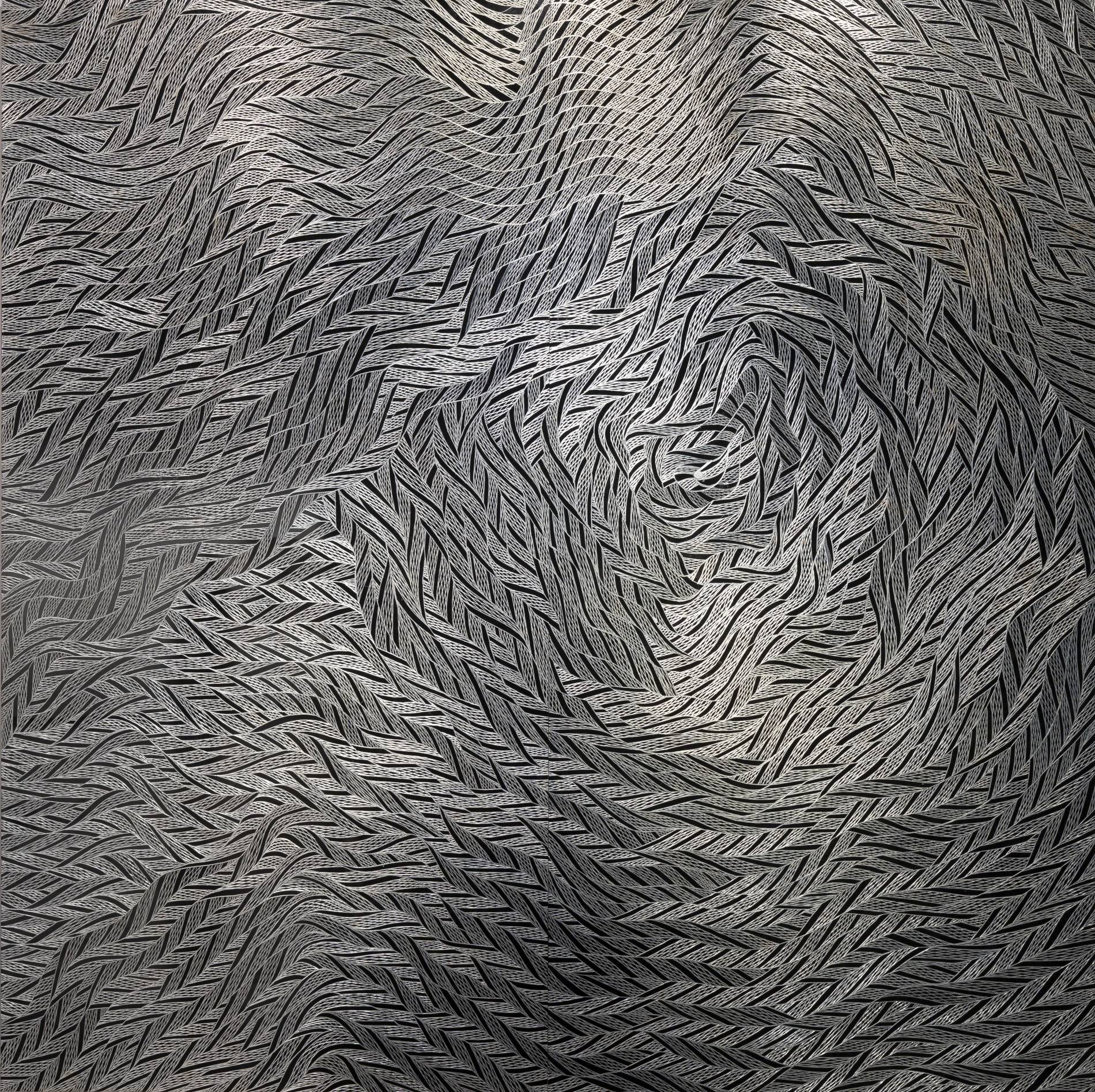
Gunybi Ganambarr
Gunybi Ganambarr is one of Australia's most innovative contemporary Indigenous artists, celebrated for redefining the possibilities of Yolŋu art through an experimental yet deeply respectful practice.
Working from north-eastern Arnhem Land, Ganambarr combines ancestral knowledge with unconventional materials, transforming reclaimed industrial objects such as conveyor belts, rubber, galvanised iron and other remnants of mining into intricately carved artworks. His practice reflects an enduring connection to Country, exploring themes of custodianship, cultural continuity and the environmental impact of industry on Indigenous lands.
Balancing innovation with cultural responsibility, Ganambarr's work challenges conventional ideas of contemporary Aboriginal art while honouring the stories, designs and traditions passed down through generations.
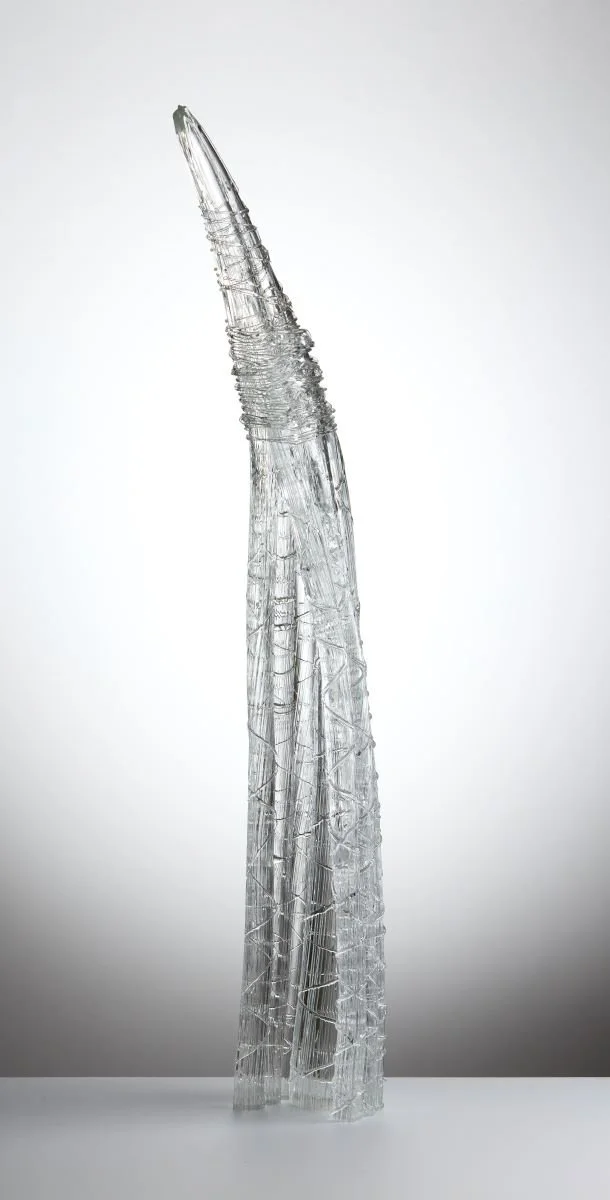
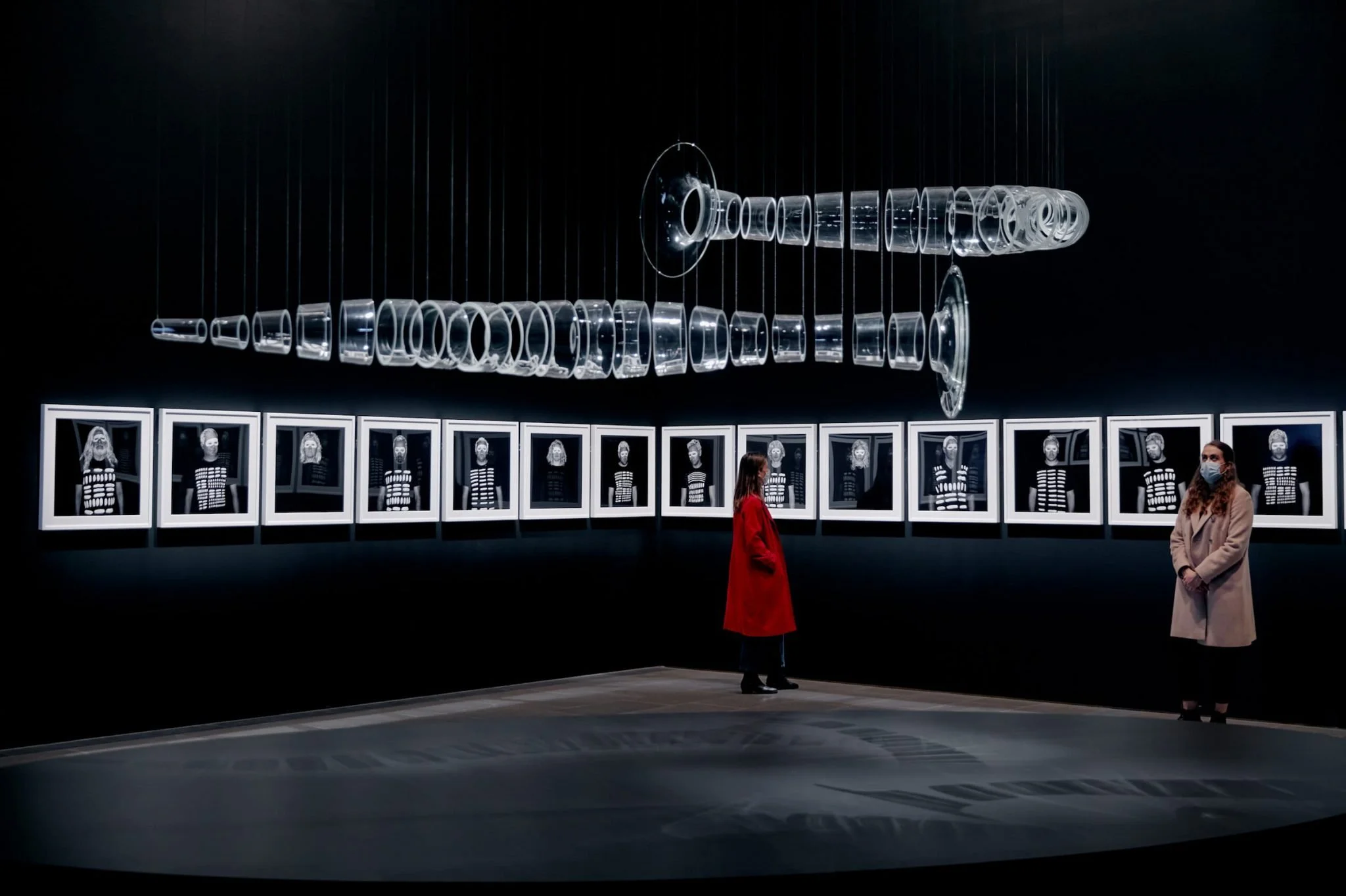
Maree Clarke
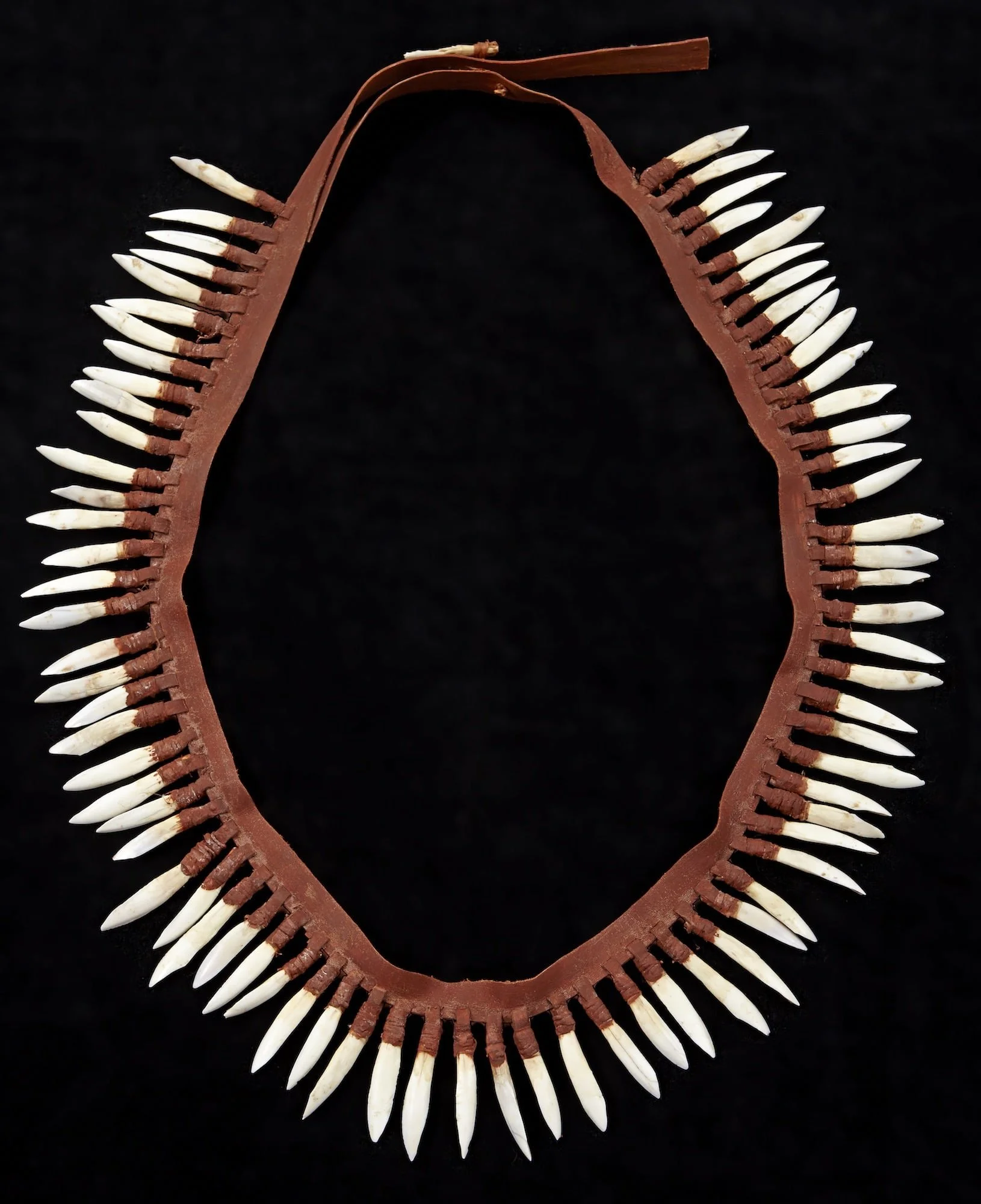
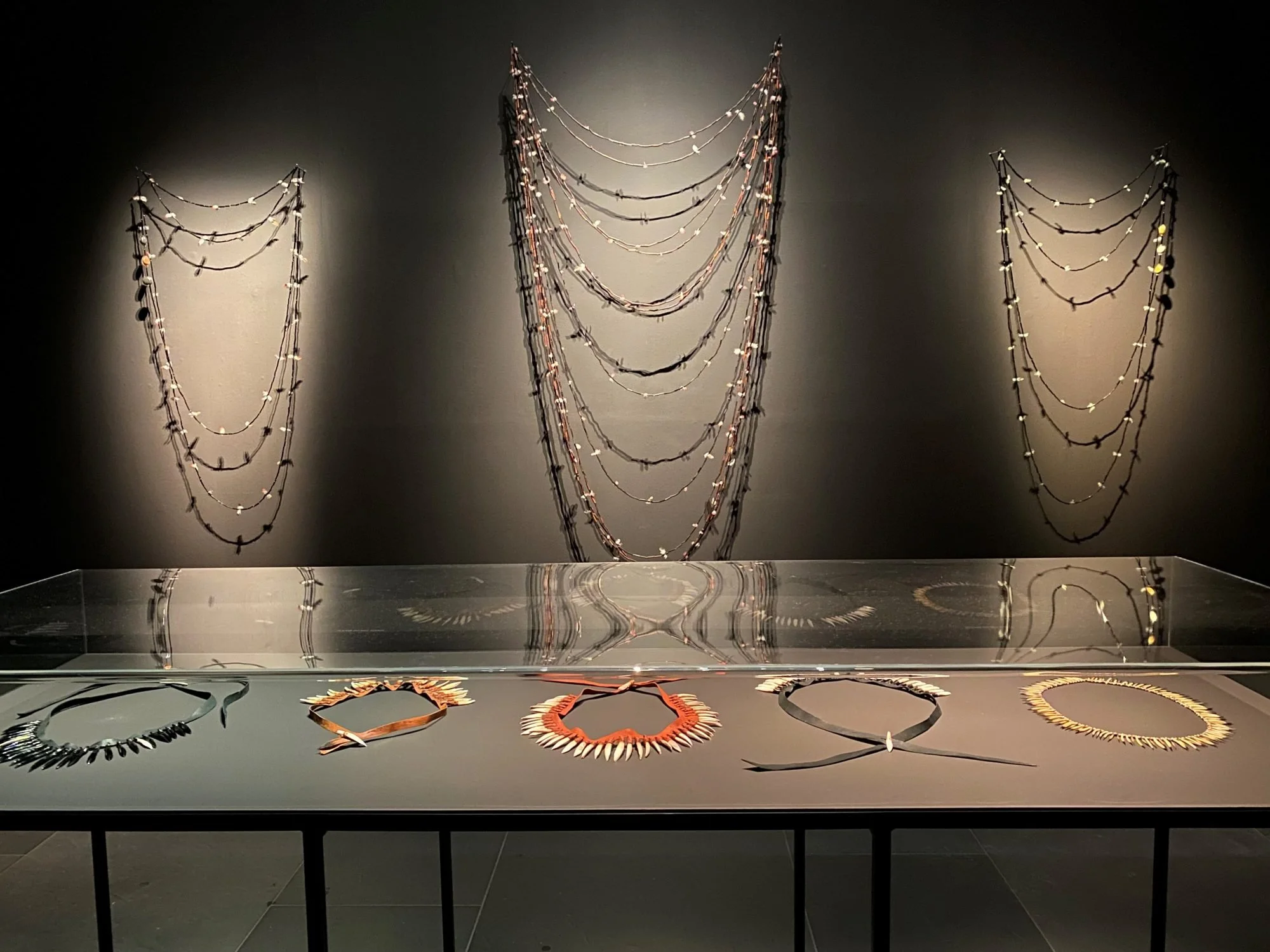
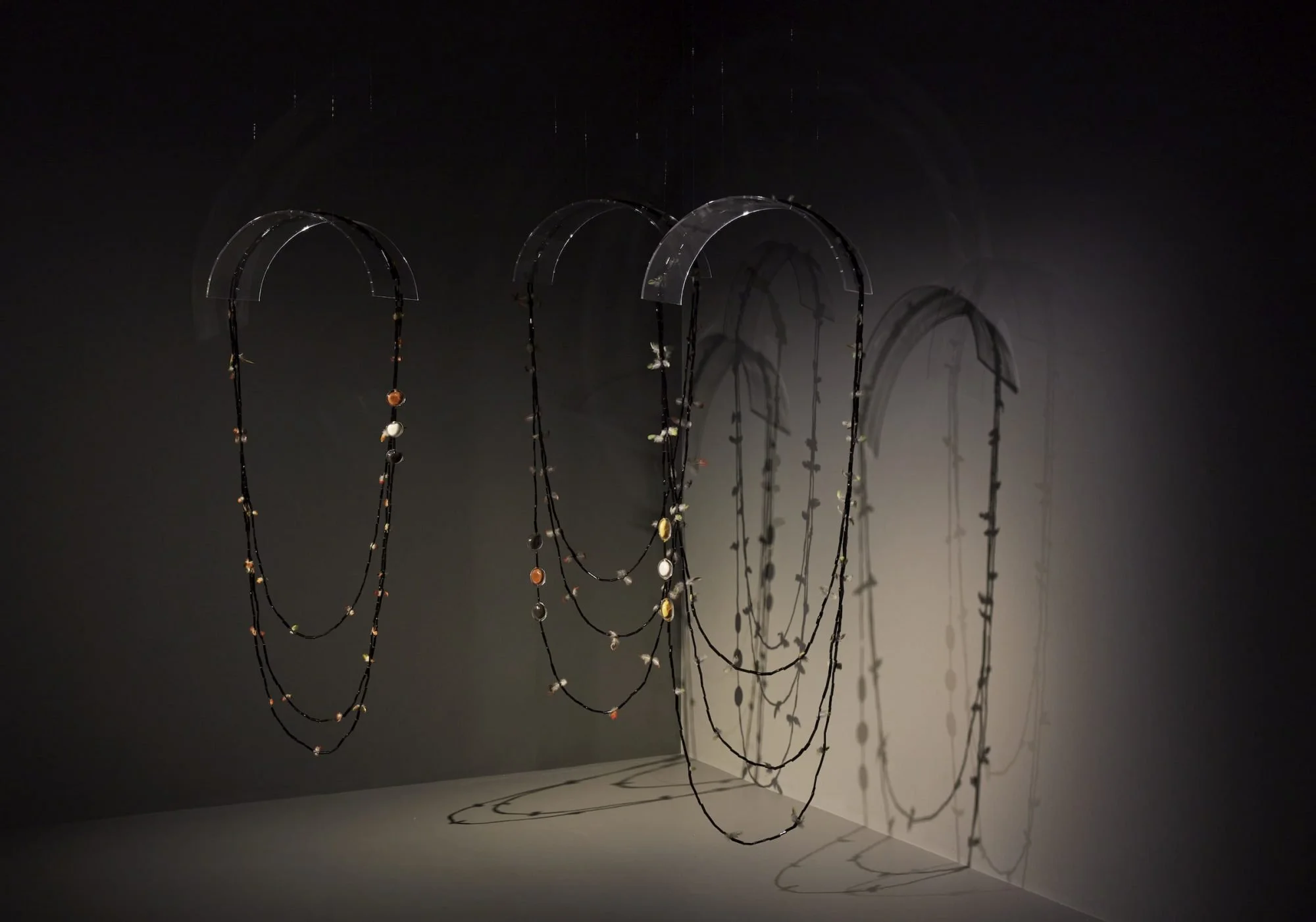
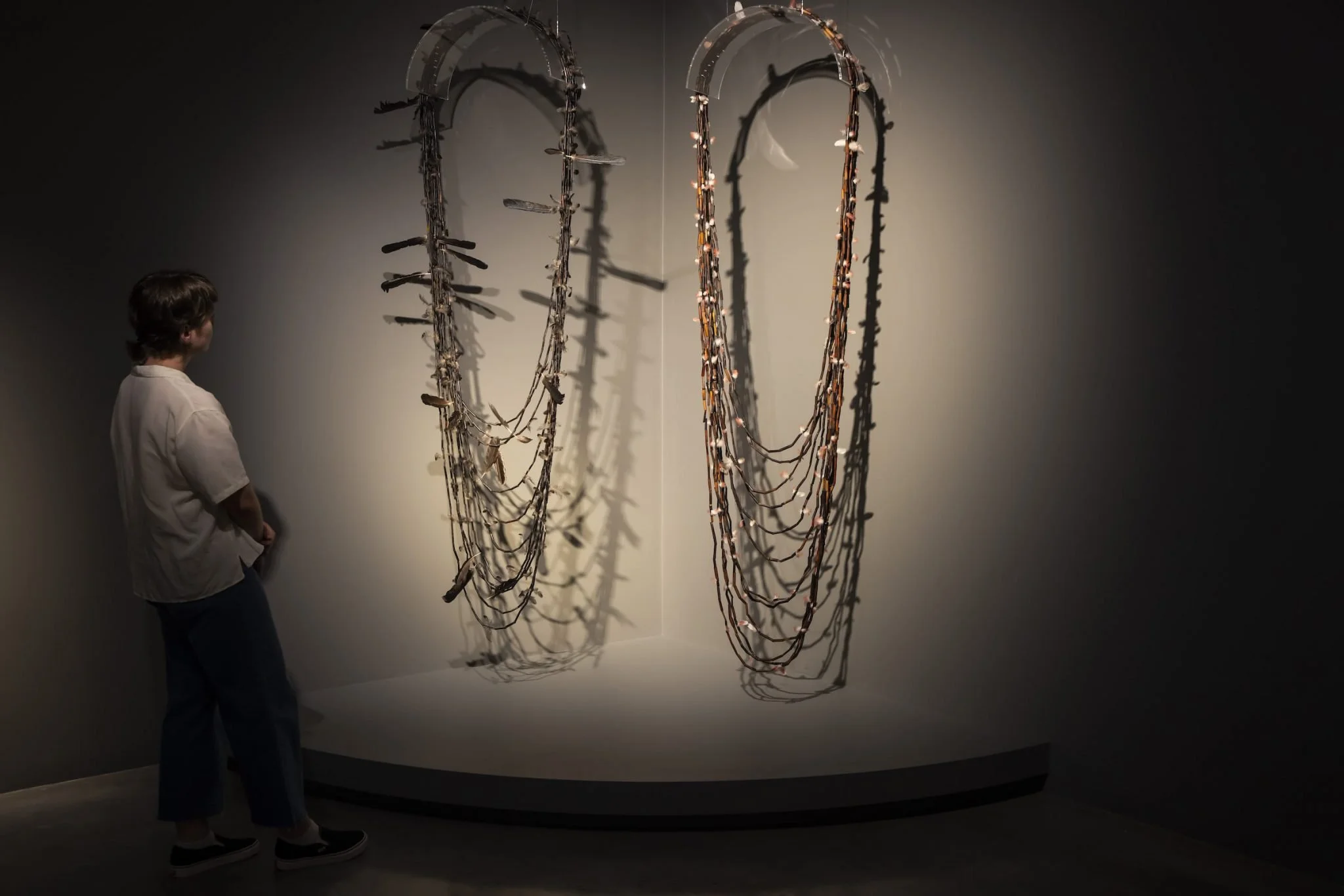
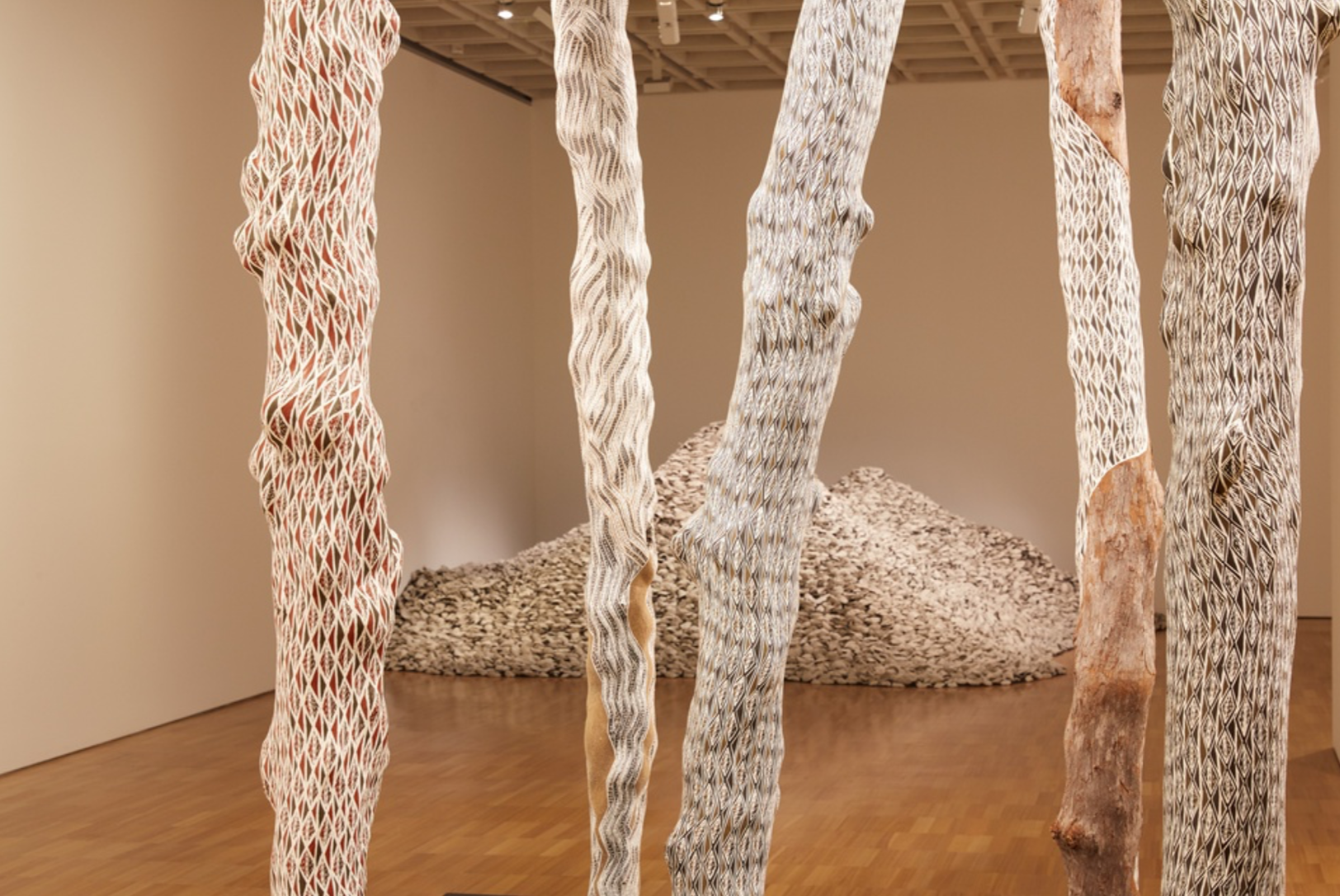
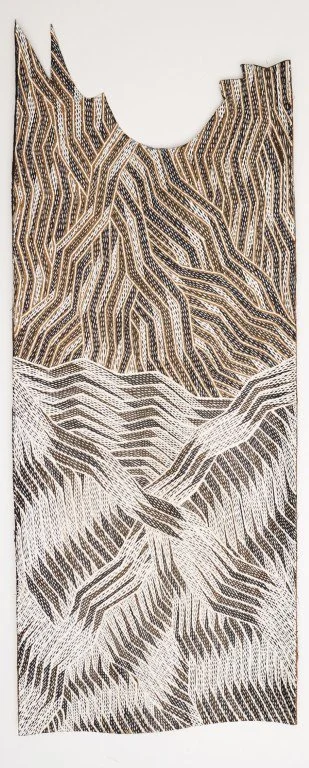
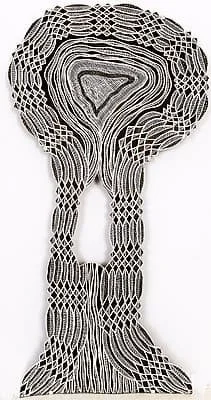
Maree Clarke is one of Australia's most influential contemporary Indigenous artists, recognised for her vital role in reviving and celebrating the cultural practices of southeast Aboriginal communities. Drawing on her Yorta Yorta, Wamba Wamba, Mutti Mutti and Boonwurrung heritage, Clarke works across photography, sculpture, jewellery, installation and multimedia to reconnect with traditions disrupted by colonisation.
Her practice breathes new life into customary cultural objects and ceremonies while embracing contemporary materials and technologies, creating works that honour ancestral knowledge and speak to present-day audiences. Through collaboration, cultural renewal and storytelling, Clarke has become a leading voice in preserving and evolving First Nations cultural practices for future generations.