
In March 2024, photographer Arthur Paikert travelled to Ratenggaro, Indonesia, to document Pasola. He traces the ceremony from the offerings made the day before to the moment riders and spectators converged on a field above the ocean.
Words and photography by Arthur Paikert | Edited by BASE-CASTI was standing beside the riders when the crowd began to roar. People jostled me aside to make room for the horses. I’d been waiting months for this moment. Then it started.
I was still early in my career when I landed in Sumba. I’d documented only a handful of local ceremonies and celebrations, and I’d spent months thinking about this one. My friend Orie, also a photographer, was just as excited. We were on an island we’d barely heard of, about to see something neither of us had photographed before. The air was warm and humid when we stepped onto the tarmac. We couldn’t have asked for anything better.
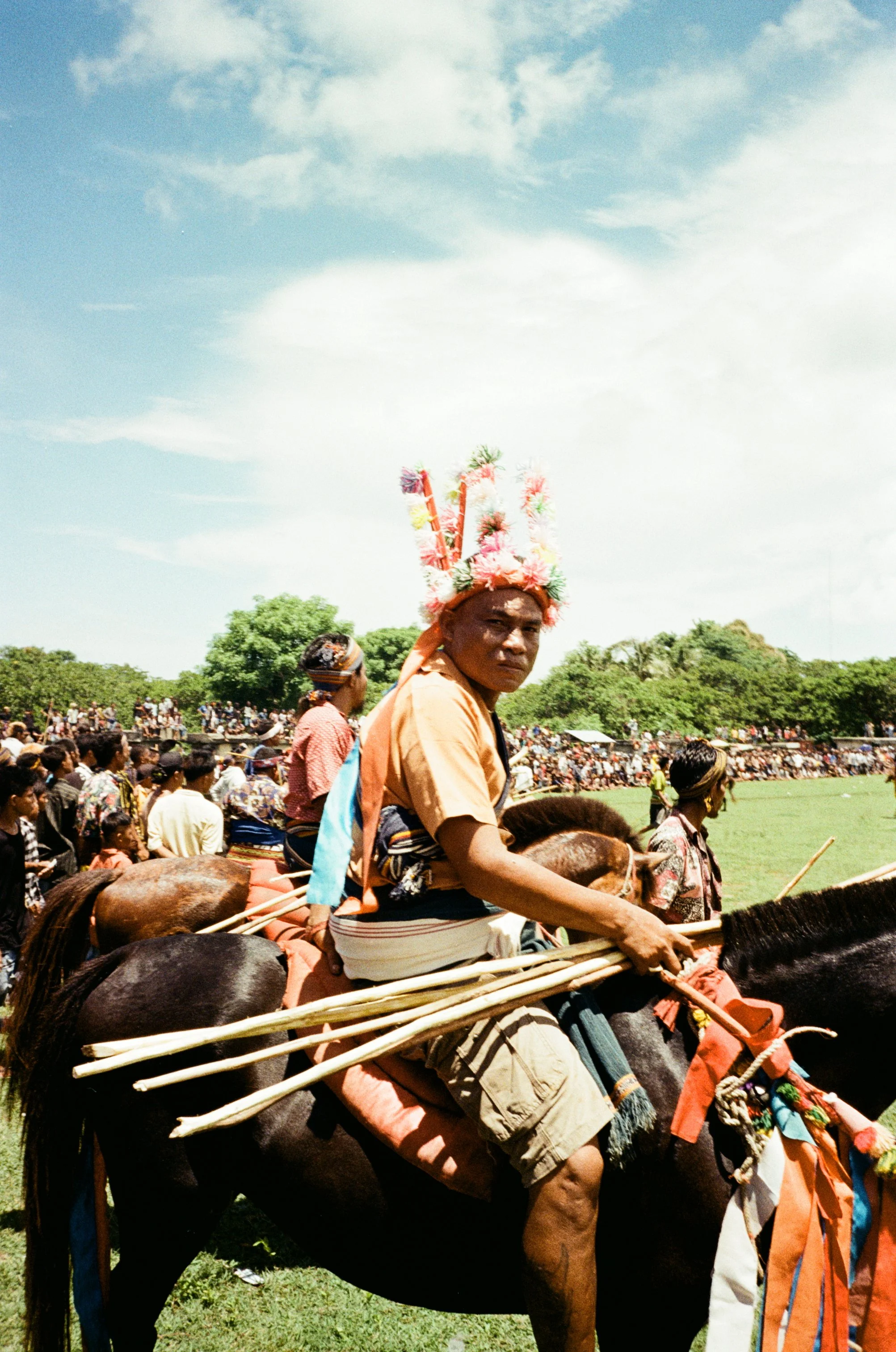
Pasola is held annually in several communities in western Sumba. Two groups of riders face each other on horseback and throw wooden spears. The ceremony is rooted in Marapu beliefs and tied to the agricultural cycle and to relationships with ancestors. Before the riders take the field, there are prayers and offerings led by local ritual elders. Dinas Pariwisata Sumbadaya
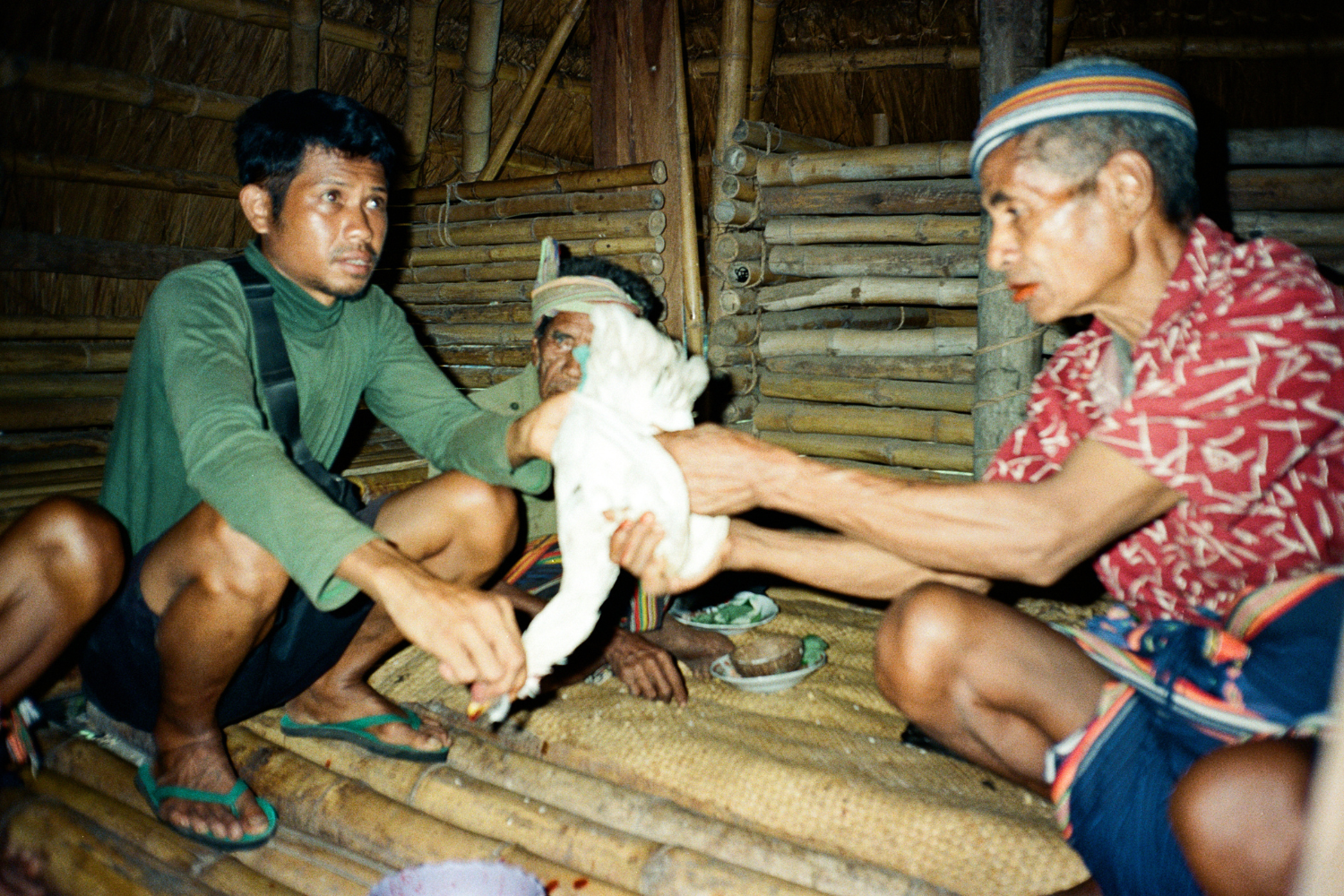
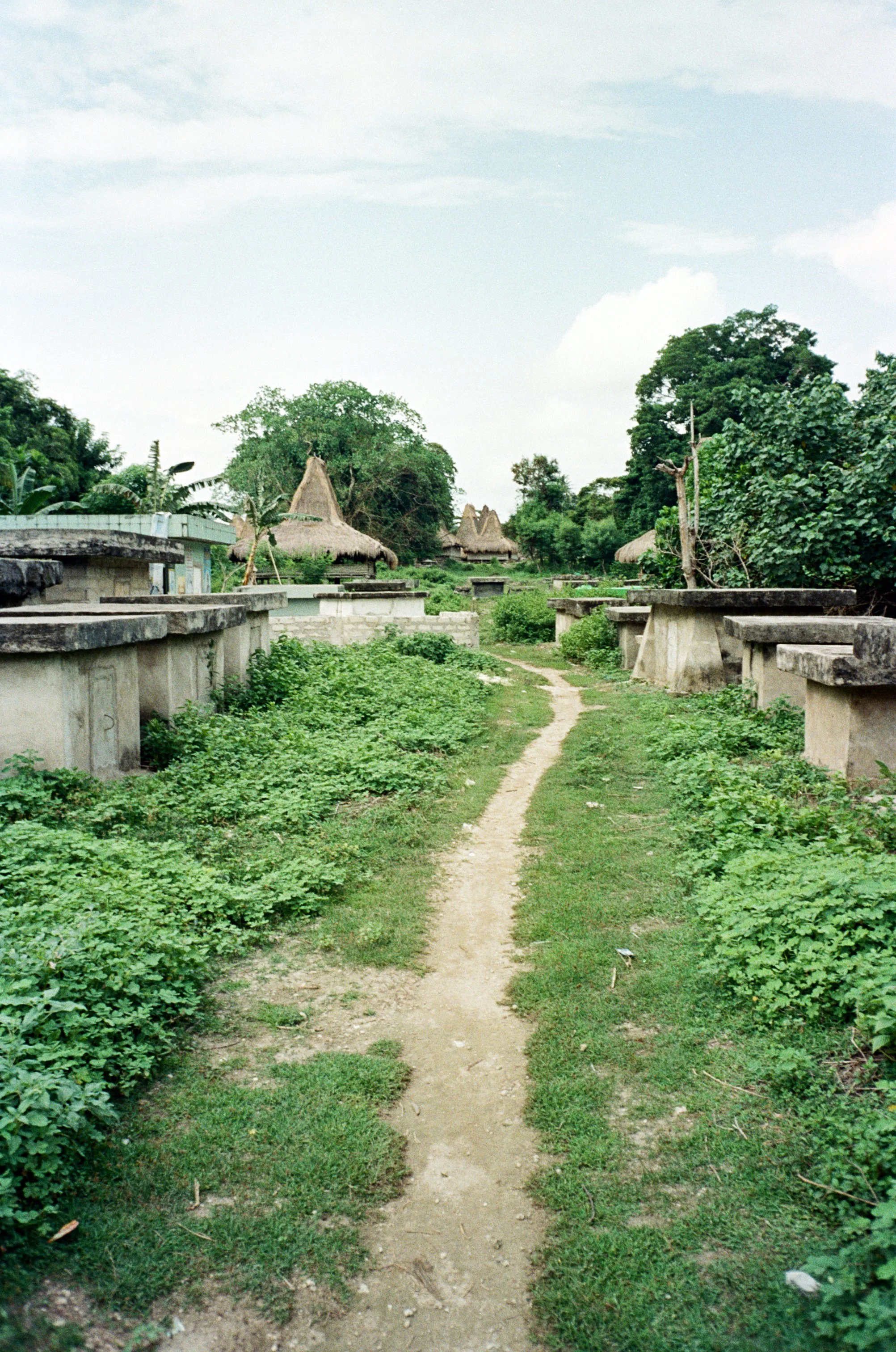
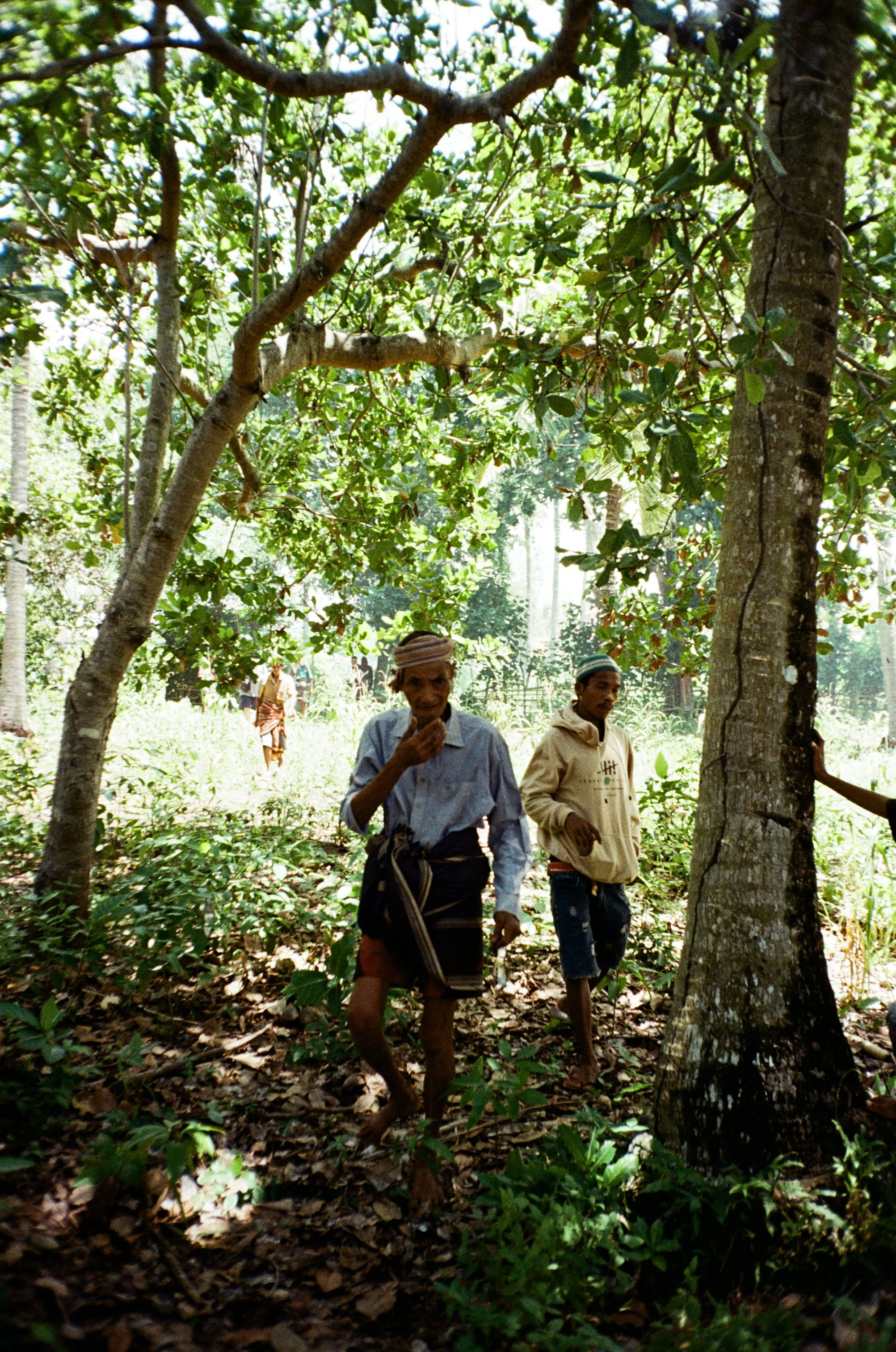
In Ratenggaro, the first ceremony I saw took me by surprise. Elders sacrificed chickens and examined their hearts, looking for a sign from their ancestors that the celebrations could begin. When they didn’t find the sign they were looking for, they continued. I’d come to photograph the riders, but it was this part of Pasola, a day before anyone took to the field, that made me realise how much I had yet to understand.
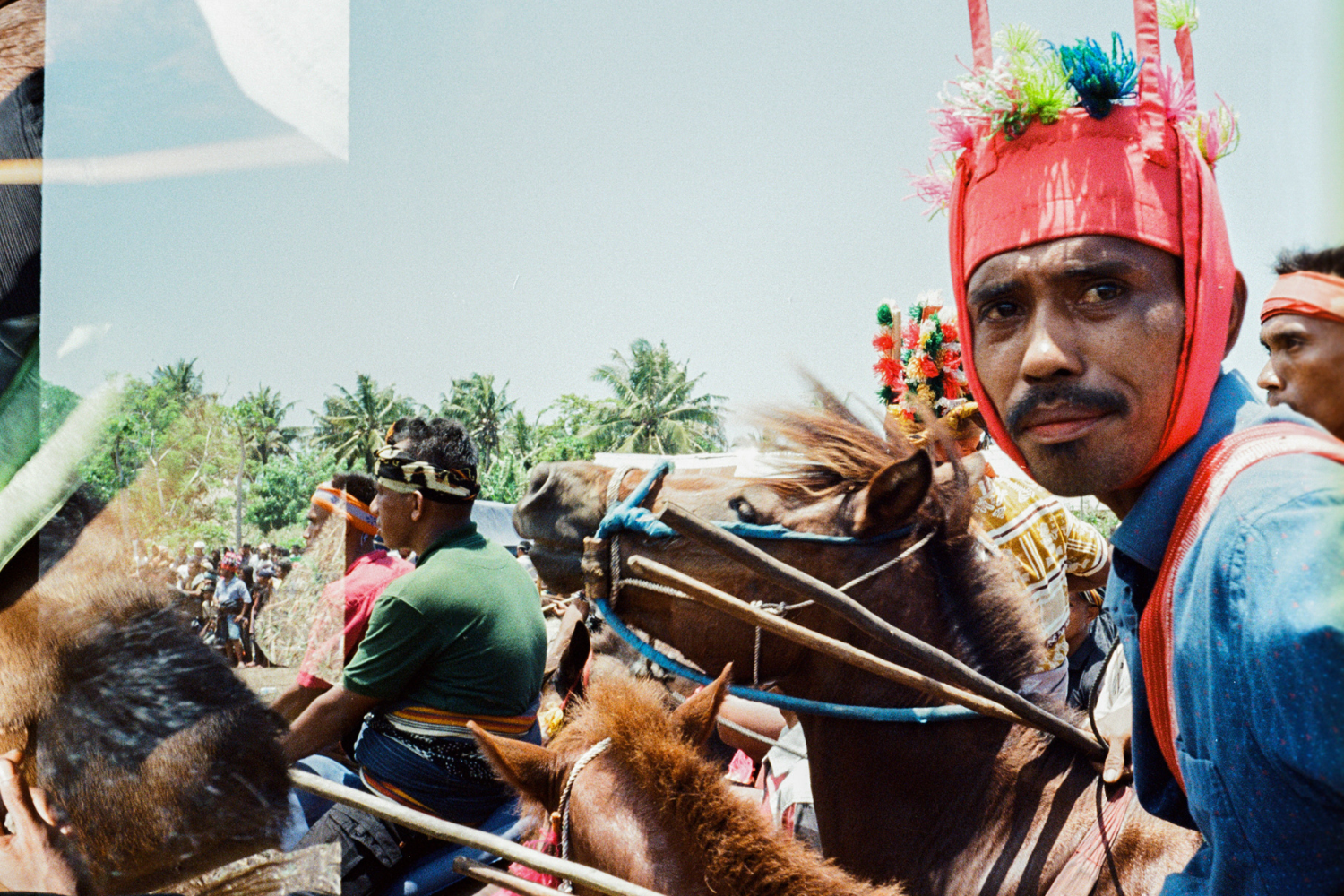
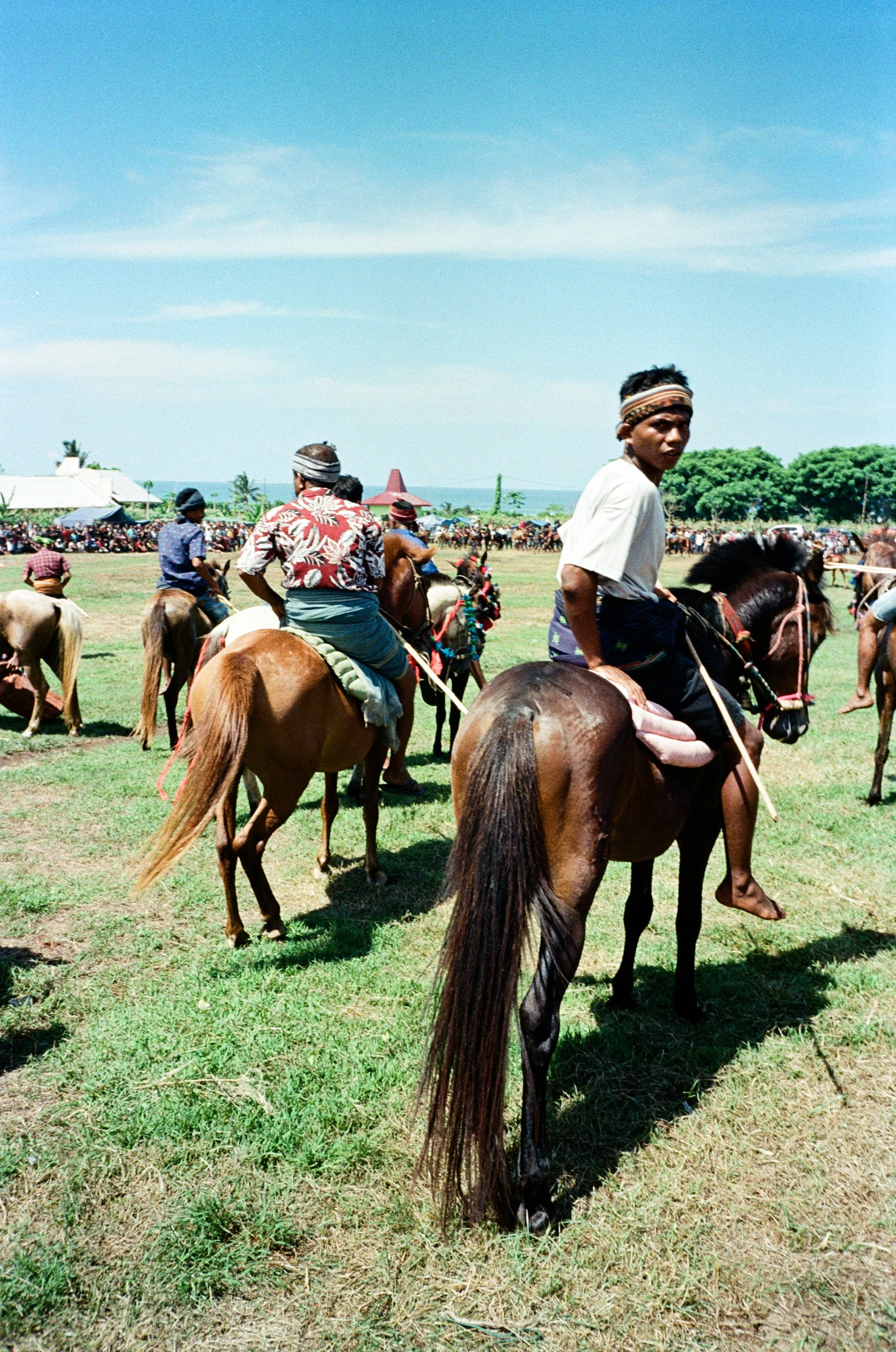
The following day, we gathered on a wide grass field overlooking the ocean. The sky was clear and I could hear the waves breaking in the distance. Then the teams began shouting across the field.
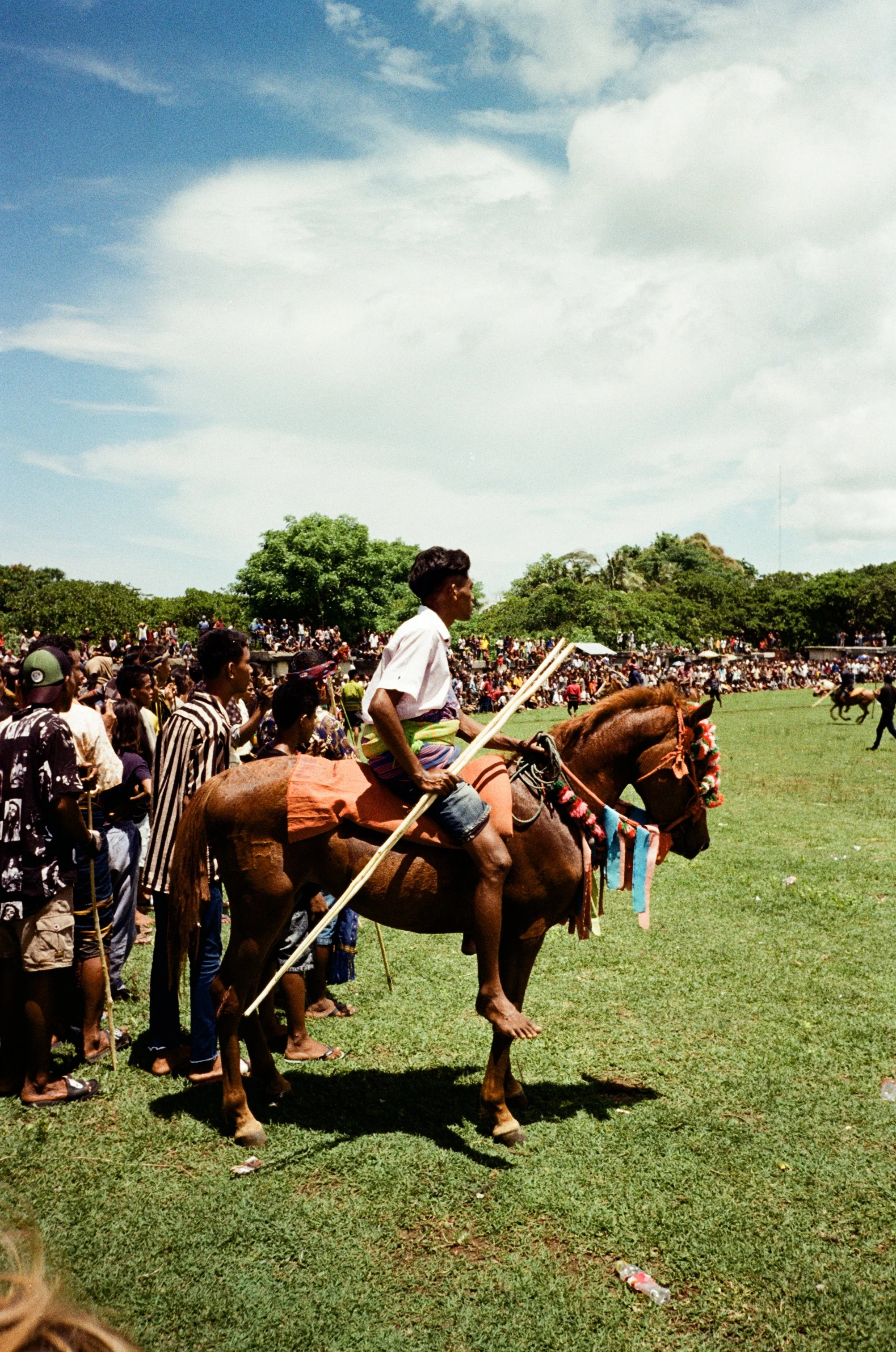
One detail has stayed with me. Some of the riders had red stains around their mouths. From where I stood, it looked like blood. I later learnt they’d been chewing betel nut.
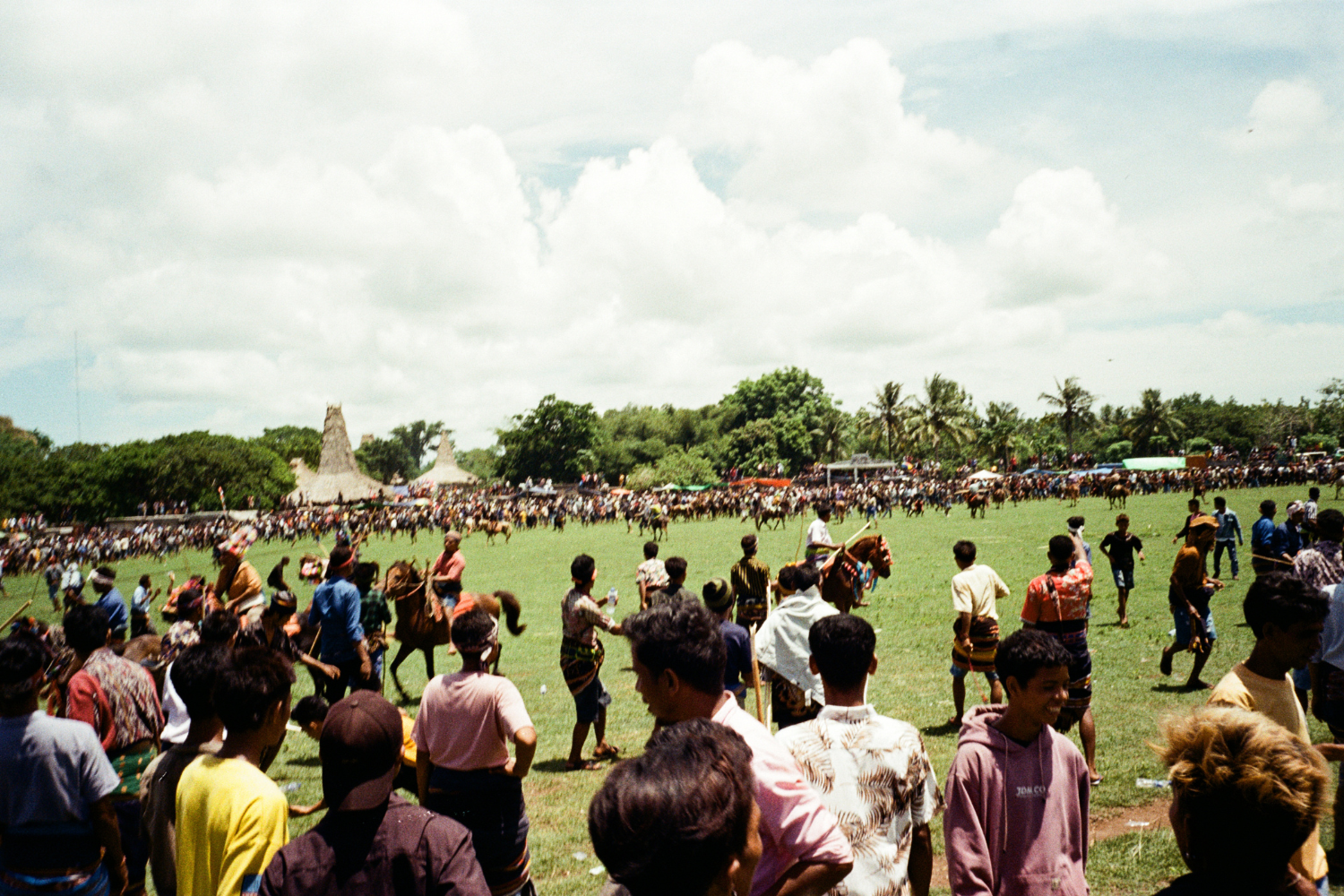
The horses galloped up and down the field. A few riders looked over at us and grinned. Others had their eyes fixed on the opposing team. The crowd pressed closer, and some spectators were almost on the field. Spears flew in both directions. Some struck riders. Others came close to landing in the crowd.
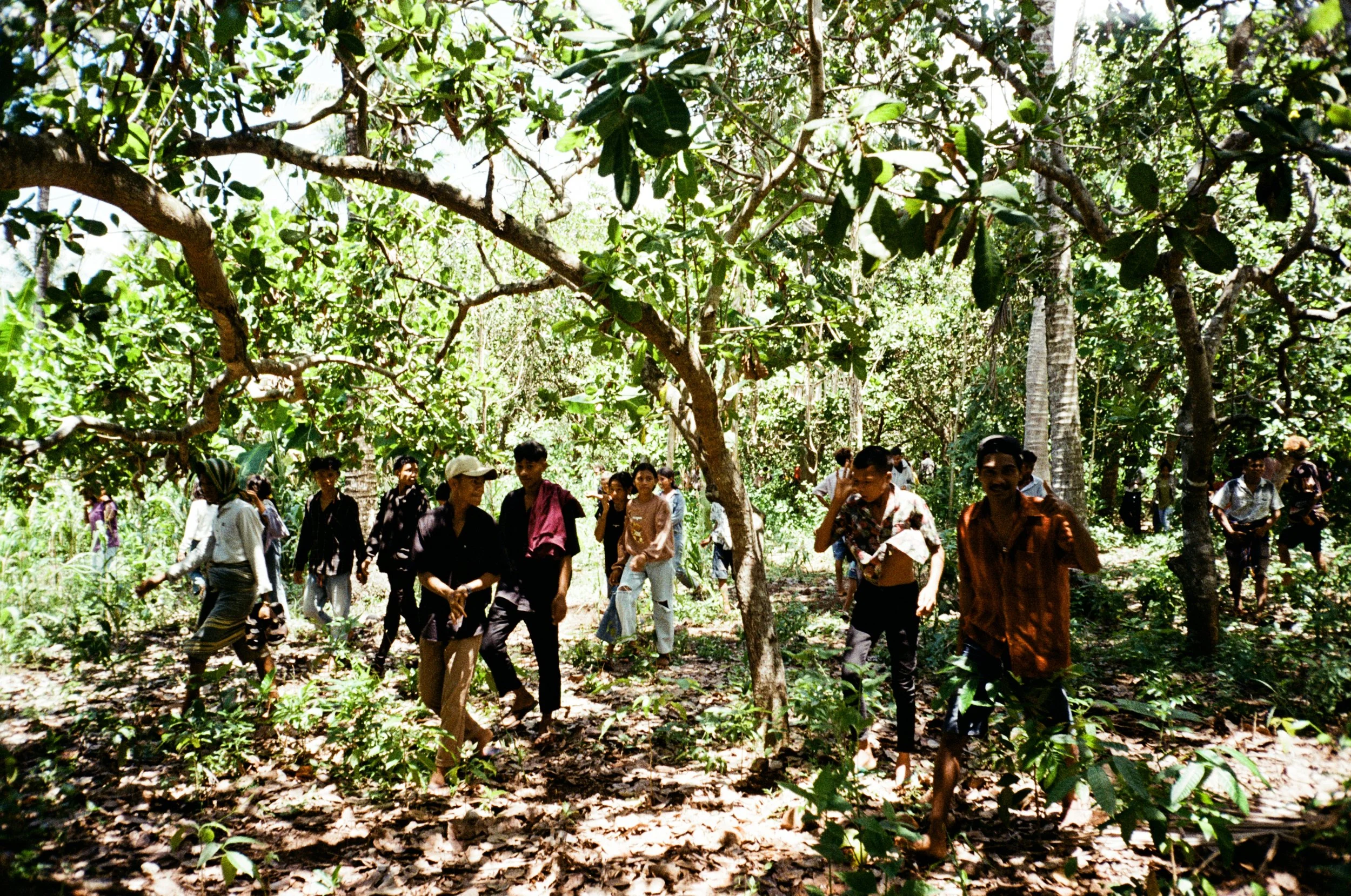
Each team was supposed to stay in its own half. I can’t remember what set it off, but at some point riders from one side charged towards the other team and the crowd. People began pushing past one another. An armoured police vehicle drove onto the field. There was smoke and the air began to sting. My guide grabbed me by the arm and led me towards the trees. In the rush, I lost sight of Orie.
When I went back, the vehicle was still moving across the field, but the tension had eased. It took me a few minutes to find Orie. We laughed when we saw each other, still in disbelief at how quickly it had all happened. People we spoke to told us they’d seen things boil over before. That day, the riding didn’t resume.
Afterwards, we headed back along the coast. I was on the back of a scooter, riding along dirt tracks past villages as the sun went down over the ocean. Even now, when I think about Ratenggaro, I can put myself back on that field. I also think about what happened the day before, and how fortunate I was to be there for both.
Arthur photographed Pasola in March 2024 at Lapangan Pasola Maliti Bondo Ati, the field near Ratenggaro in Southwest Sumba, Indonesia.
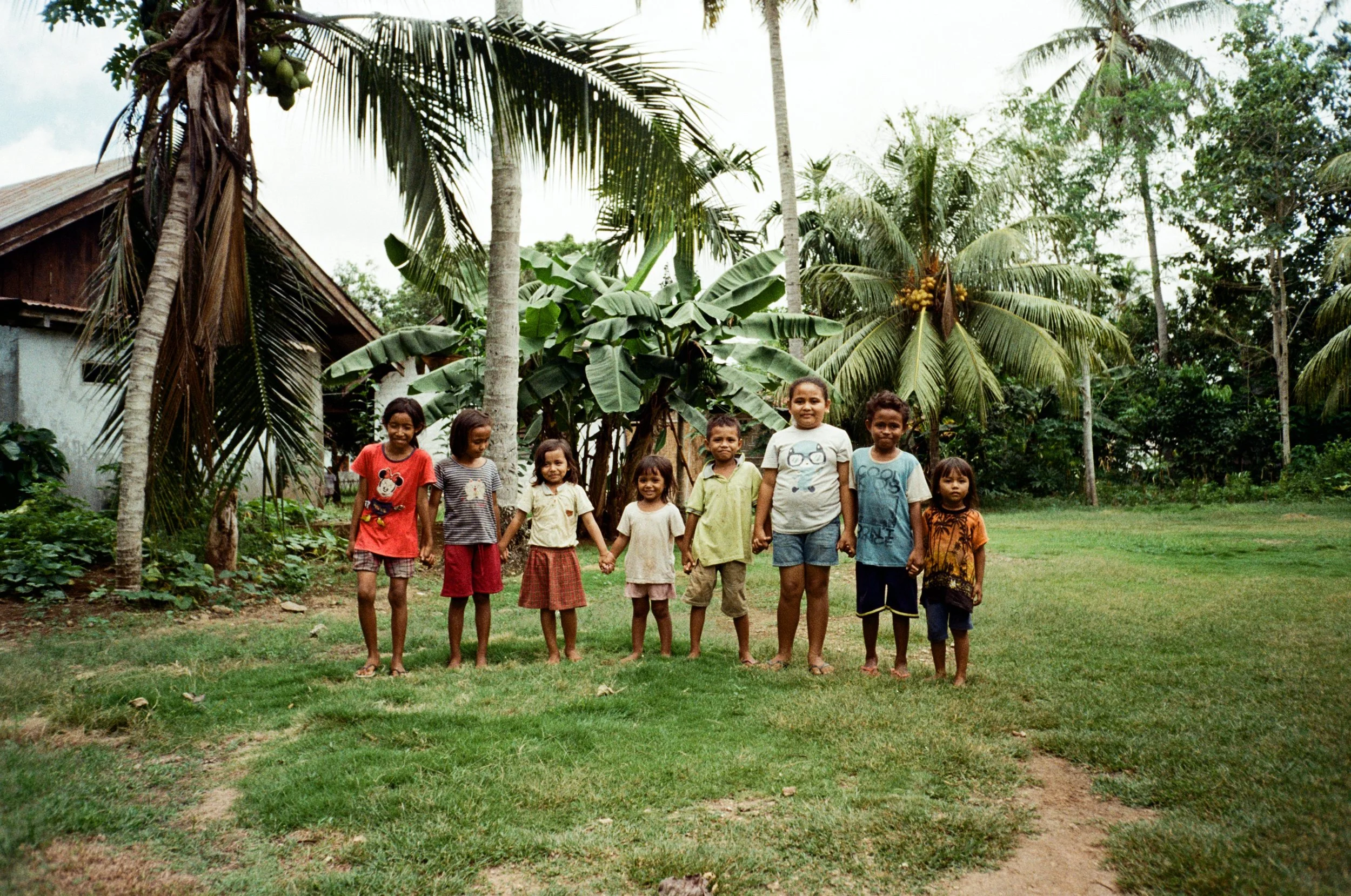
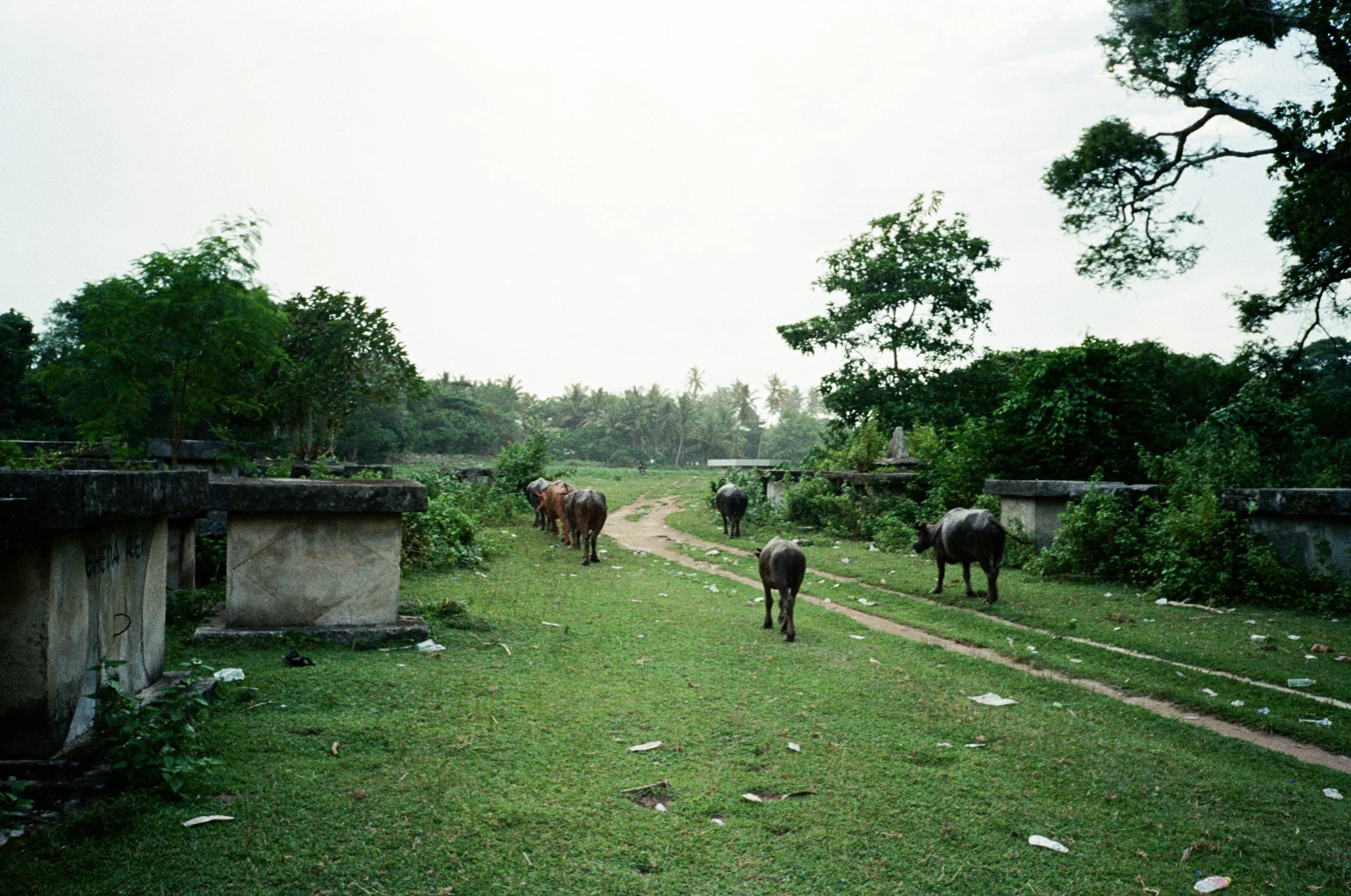
A further selection from Arthur Paikert’s Pasola series, photographed in and around Ratenggaro, Southwest Sumba, Indonesia, in March 2024.
Arthur Paikert Links: Website | Instagram | NOVA Portfolio

At Studio Ekfrasi in Corfu, a theatre class can begin in silence. Ahead of Their Wonderful World, actor and teacher Michalis Koumarianos talks to Melina about trust, listening and the question his play asks out loud: who decided what’s normal?