
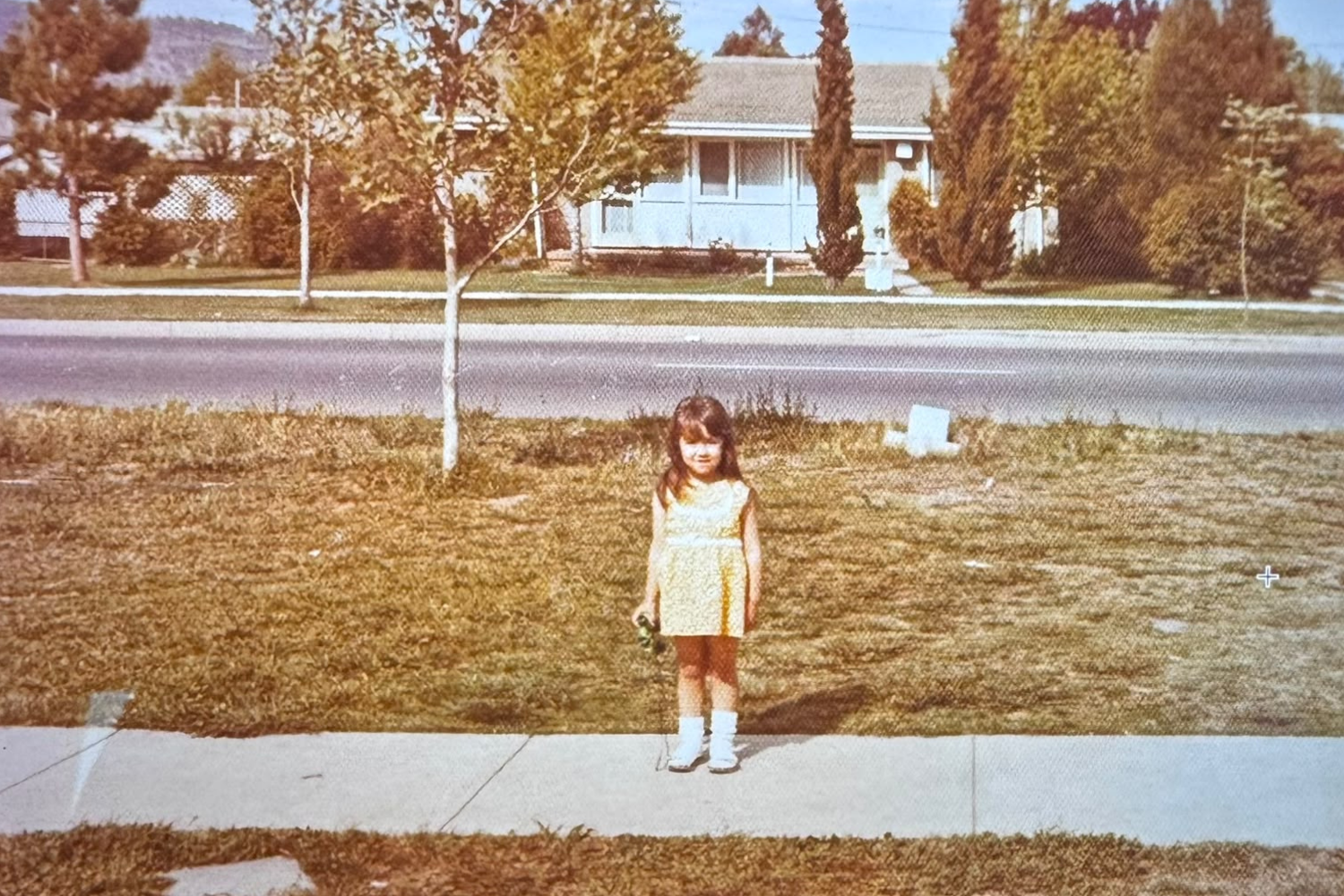
5,000 Years Old and Still Making a Scene.
I was eight years old when Athens first frightened me. I’d arrived from a quiet Canberra suburb, which, for those of you familiar with Canberra, should explain quite a lot. Canberra is a city that knows how to behave. The streets are wide, the houses respect each other’s personal space, and even the trees consult the town planners before growing. In Athens, trees don’t consult anyone. They simply appear, smack in the middle of the pavement. As do parked cars.
I remember staring out the car window at enormous concrete buildings, packed so tightly together they seemed to fight for air. Television antennas sprouted from every rooftop, pointing in a hundred different directions. The balconies leaned into one another. Horns blared, people shouted, and the traffic seemed locked in an argument nobody wanted to resolve. I sank further into the back seat.
And yet, somewhere beneath the fear and bewilderment, I had the strangest feeling that I knew this place. Not that I recognised a single street or building. It was something else entirely, a peculiar sense of familiarity that I couldn’t explain. That was the confusing part.
Perhaps it had something to do with our relatives. We’d turn up at their homes unannounced, purely for the sheer pleasure of surprising them, and be greeted with such animated cries, kisses and embraces that you’d think we’d been lost at sea for ten years (to be fair, living in Australia, we may have well have been.) There was always something theatrical about these reunions. And they were almost invariably accompanied by submarines.
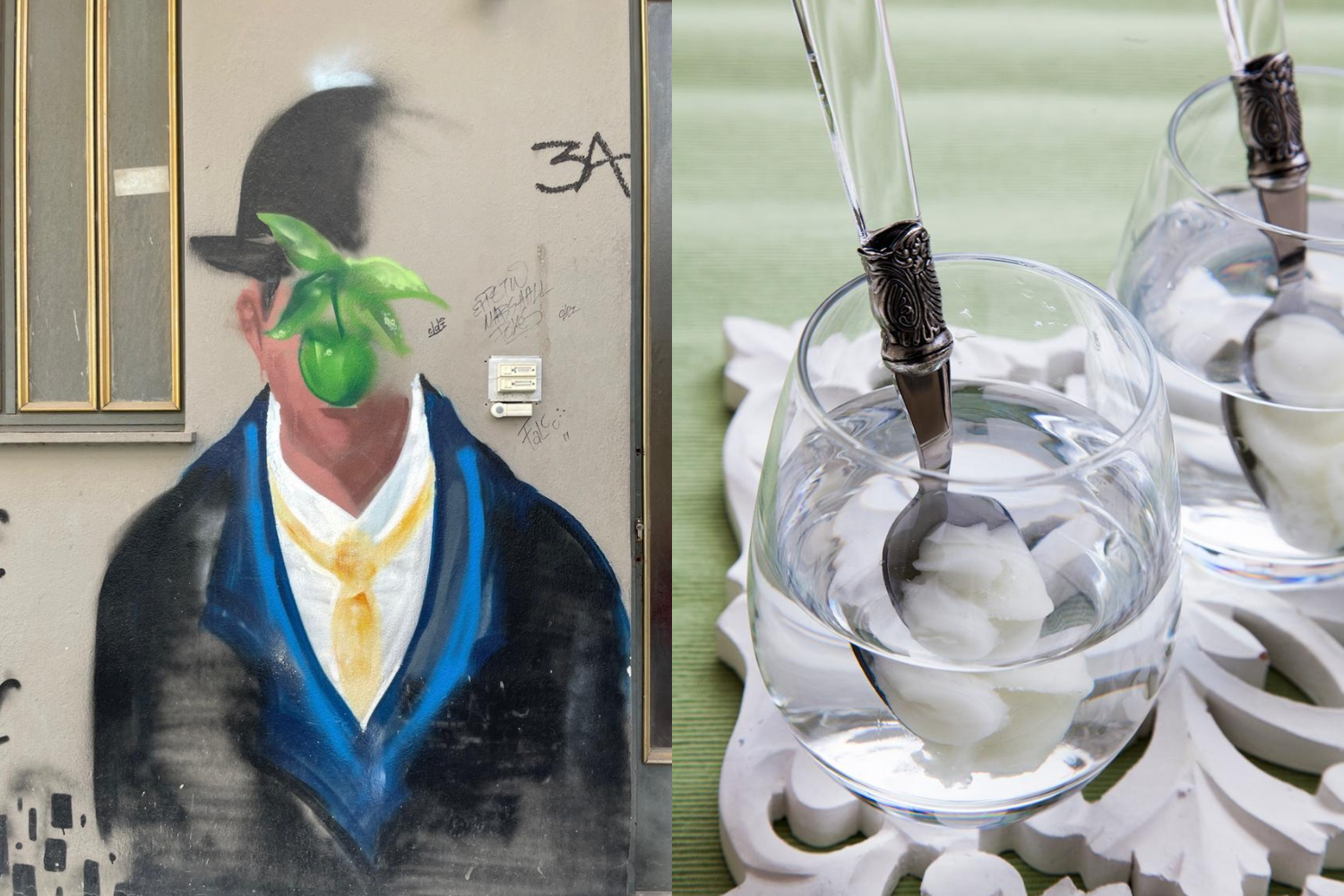
Yes, submarines. Not the sort that travel underwater carrying sailors, but the Greek ypovrýchio, a peculiar little sweet made from a thick, sticky vanilla paste served on a spoon in a glass of cold water. The idea was to lick the spoon, dip it into the water, lick it again, and repeat until you’d finished. I thought it was one of the strangest things I’d ever eaten. I also loved it. And practically every relative we visited seemed to have a submarine waiting for us. In different colours each time.
But the relatives were only part of it. Outside Athens, Greece was winning me over in a way the capital never managed.
The islands seemed to belong to entirely different worlds, as did the mountains, the beaches, and the village squares where hundreds of children played long after the sun had gone down. Coming from suburban Canberra, where at 8 pm exactly a bear would appear on TV to prompt us to bed (and we went immediately), the freedom was astonishing. Nobody seemed interested in bedtime. Adults sat around tables for hours, talking, eating and showing no intention of going home. Time wasn’t money here. It was something to be spent, preferably in good company and with dinner stretching well past midnight.
There was something about Greece I recognised without ever having lived here. A sense of belonging that didn’t seem to require any logical explanation. Athens, however, remained something of a mystery. I loved the country, but its capital seemed determined to test my nerves.
I returned at twelve, and again at sixteen. By then, I’d begun to understand that Athens wasn’t merely a city of chaotic streets and unruly buildings. Its people were an entirely different species of fascinating.
On that third visit, an elderly woman stopped me in the street, handed me a pair of tweezers and explained that she was on her way to a doctor’s appointment. She couldn’t see the hairs growing on her chin, she said, and asked if I would be a lovely young lady and pluck a couple out for her. I was sixteen. We had known each other for 40 seconds. I said yes, and I still can’t explain why I hadn’t just run away.
It was an early introduction to something I would encounter repeatedly over the years: the extraordinary ease with which Athenians can involve complete strangers in the most intimate details of their lives. There is often no introduction, no cautious testing of the waters, no consideration that the person in front of them might have somewhere else to be. You are simply there, and therefore available. Sometimes it’s endearing. Other times, you find yourself wishing for a slightly stronger grasp of personal boundaries.
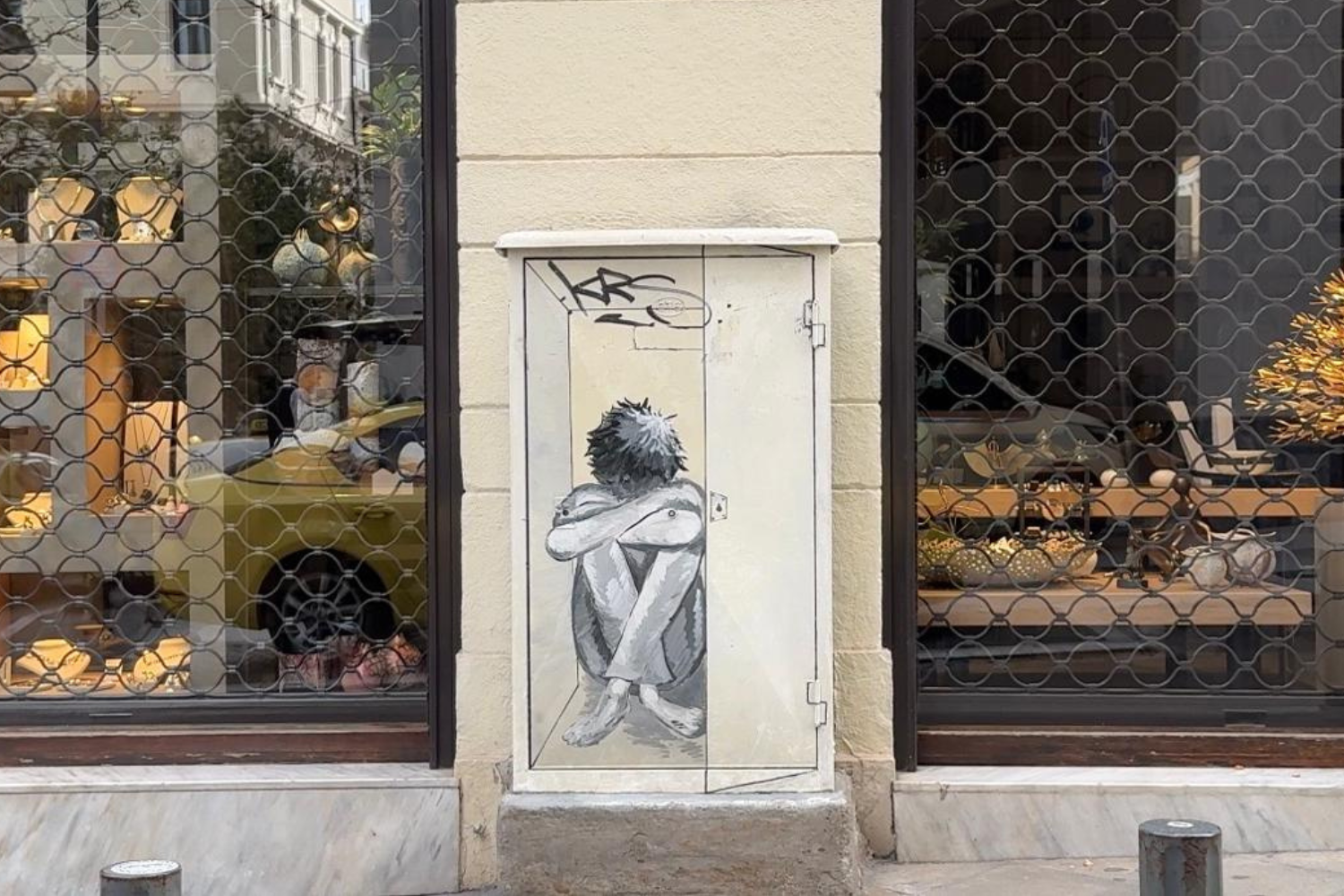
Several decades and a few countries later, Athens continues to surprise me. Usually when I’m least prepared for it.
Athens in 2026 is an extraordinary an place to live, though I wouldn’t recommend it to anyone fond of order. It has spent thousands of years contributing to civilisation while remaining curiously resistant to certain aspects of it. Bureaucracy is an endurance sport. The simplest errand acquires a cast of supporting characters, several unexpected complications and an ending that remains frustratingly unresolved. I once suggested to the head of a tax office that they install a cardiac unit and a psychiatric ward on the premises. People were screaming in practically every room, and I was genuinely concerned that somebody would collapse before managing to submit their paperwork. I wasn’t joking.
And then there’s the cost of living. Athens has become increasingly fashionable, which is wonderful if you’re visiting and considerably less wonderful if you’re paying the rent. Everyone wants to live like a local. The locals would quite like to as well.
Athens has never been interested in making life straightforward. Nor has she ever been any good at keeping a conversation to herself.
Walk through almost any neighbourhood and you’ll hear people talking from balconies, calling down to someone on the street or conducting a debate across several café tables. A minor disagreement can blossom into a full theatrical production, complete with hand gestures, raised voices and several imaginative uses of the word maláka. You’d reasonably assume a terrible injustice has occurred, only to discover it’s about who somebody voted for in 2012. We are not, as a people, short of opinions.
And yet, beneath all the commotion, Athens has a certain intimacy that surprises me even now.
I’ll be walking down a busy street, surrounded by traffic and concrete, when the smell of somebody’s mother’s cooking comes drifting out of an open apartment window. And I know exactly what’s cooking.
Gemistá. Stuffed tomatoes and peppers, filled with rice and herbs, slowly roasting in olive oil. I’d recognise that smell anywhere. It’s the same gemistá my mother makes, the same my yiayia used to make. And there it is, three floors above a busy Athenian street, coming from the kitchen of a woman I’ve never met. I don’t know who’s cooking or how many people she’s expecting for lunch, but for a moment I’m standing in a kitchen I know intimately.
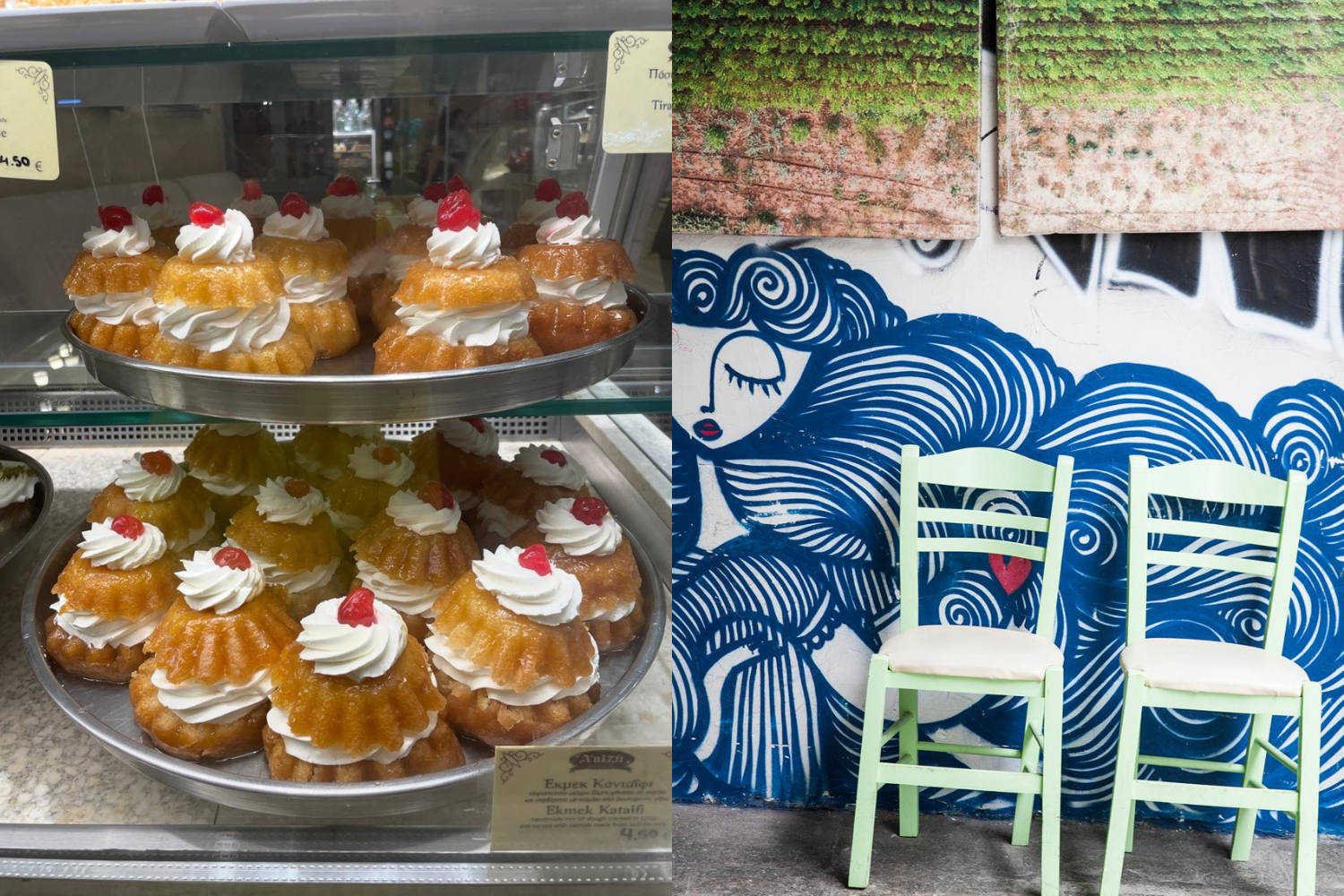
That’s what I find so peculiar about Athens. For all its size and noise, it can still feel like an enormous neighbourhood where everyone’s private life has spilled into the street. And privacy, I’ve discovered, is a flexible concept.
You’ve probably seen those memes about Greek yiayiades doubling as neighbourhood security cameras. I can assure you, they’re not exaggerating. There is almost always a grandmother stationed on a balcony, keeping a watchful eye on the comings and goings below. Forget CCTV. The woman on the second floor knows who came home late, who’s had visitors and why the neighbour’s daughter hasn’t been seen for three days. Quite possibly before the neighbour’s daughter knows herself.
And then there was ‘gentleman with the rubbish bag ‘.
I was walking along an Athenian street when an elderly man called down to me from his second-floor balcony. He was holding a small supermarket bag, tied at the top, and wanted to know whether I could catch it and throw it in the bin for him. Before I’d even had time to process the request, let alone agree to it, he’d launched the bag into the air. It hit the pavement with a spectacular splat, bursting open and scattering the remains of his dinner across the ground.
There I stood, on my way to a fancy dinner, wearing a complete stranger’s leftovers in my hair.
That’s Athens for you. One minute you’re minding your own business, the next you’re plucking a stranger’s chin hairs or catching somebody’s leftover dinner from a balcony. It’s got the energy of a metropolis, without the anonymity. Strangers don’t stay strangers for long. Sometimes they don’t even give you the chance.
The buildings seem to join in. Around the corner from all that noise, a neglected neoclassical house stands wedged between two concrete blocks like a well-dressed guest who has arrived at entirely the wrong party: shutters faded, plaster peeling, posture impeccable. I wonder what it has witnessed. The families who passed through, the arguments it overheard, the meals prepared behind its windows. It has survived wars, occupations and changing fashions, only to end up surrounded by concrete and satellite dishes. I find that oddly moving.
Of course, Athens has more to offer than disorder, eccentric inhabitants and a remarkable talent for turning conversation into argument. There is the small matter of its history.
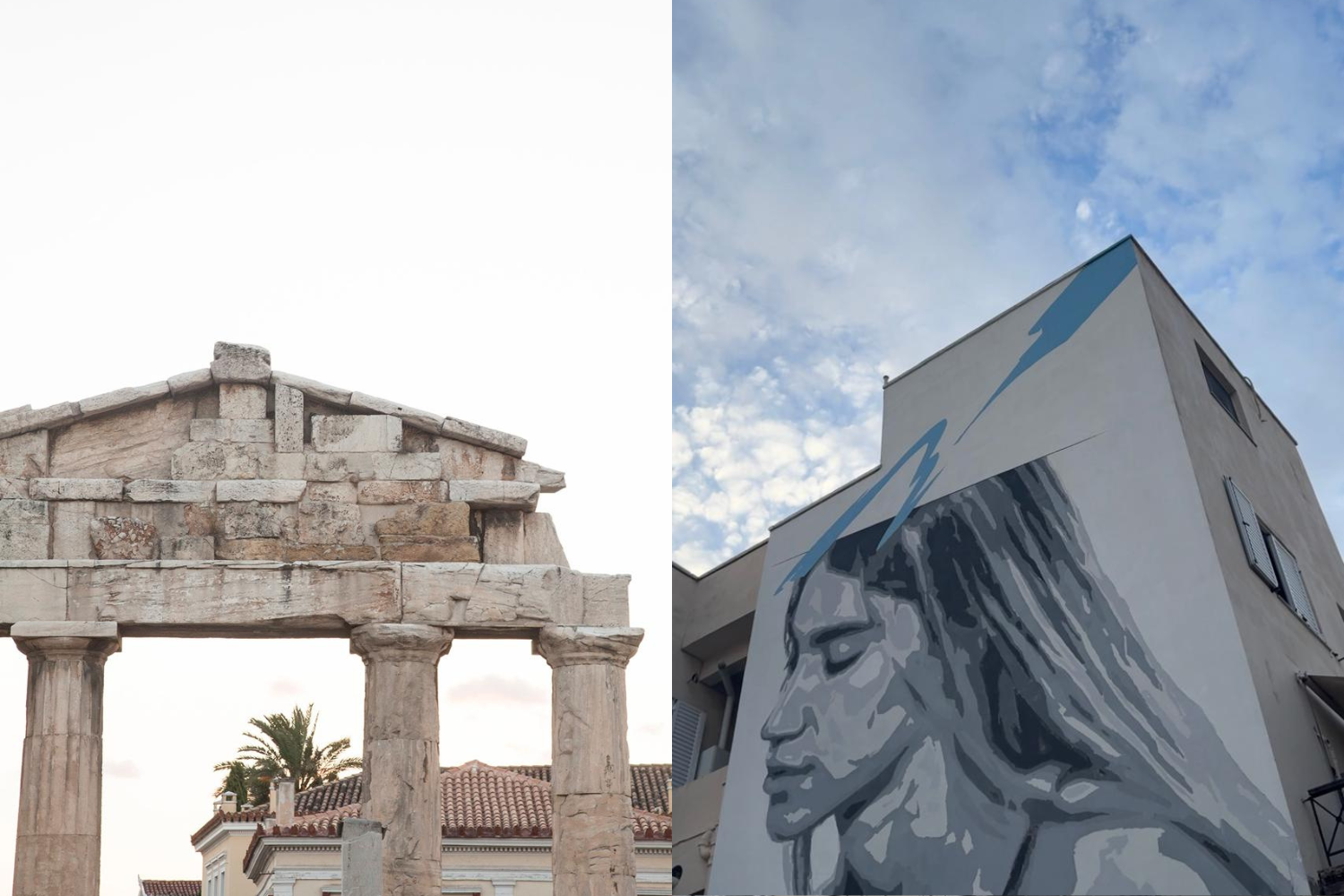
Five thousand years of human habitation leave a city with quite a lot to account for. In the ancient Agora, people gathered to trade, debate and question the nature of things. Socrates made a habit of approaching people who were confident they knew what they were talking about and asking them to explain themselves. It didn’t end well for him. Hemlock, mostly.
But something about the way we talk about Athens has always bothered me. We speak of its ancient achievements with such reverence that you’d be forgiven for thinking the city accomplished everything worth mentioning several millennia ago and has been living off its reputation ever since. The world comes to admire what Athens was. I’m increasingly interested in what Athens is.
Because beyond the archaeological sites and the familiar photographs of the Acropolis, another city is busy getting on with things. People are making films, designing clothes, producing music, opening galleries and finding unexpected uses for spaces that might otherwise have been forgotten. Young creatives are trying to make something happen in a city that doesn’t always make it easy. Not every change is an improvement, and not every beautifully renovated building represents progress. But there is an energy here, raw and disorganised, that deserves attention in its own right. Athens is not a museum. She didn’t stop when the ancient Greeks stopped building temples.
That’s the Athens I’d like to explore. The one that exists between the monuments: the people behind the buildings, the conversations behind the noise, the ideas taking shape in workshops, studios, cafés and unlikely corners of the city. The Athens that is still deciding what she wants to become.
I’ll admit I’m difficult to please. I’ve spent a good part of my life wishing Greece were a little more organised. Then I find myself somewhere everything works beautifully, where appointments mean something and public spaces are treated with respect, and I start missing the very things that drive me mad here. Perhaps Athens and I have more in common than I’d care to admit.
What keeps me here isn’t some romantic fantasy of Mediterranean living. It’s the people I love, and the extraordinary country waiting beyond the capital: mountains, forests, hundreds of islands, villages with their own rhythms. There are things about Greece I wouldn’t exchange for anything, and things I’d happily change before breakfast tomorrow. I don’t consider that a contradiction.
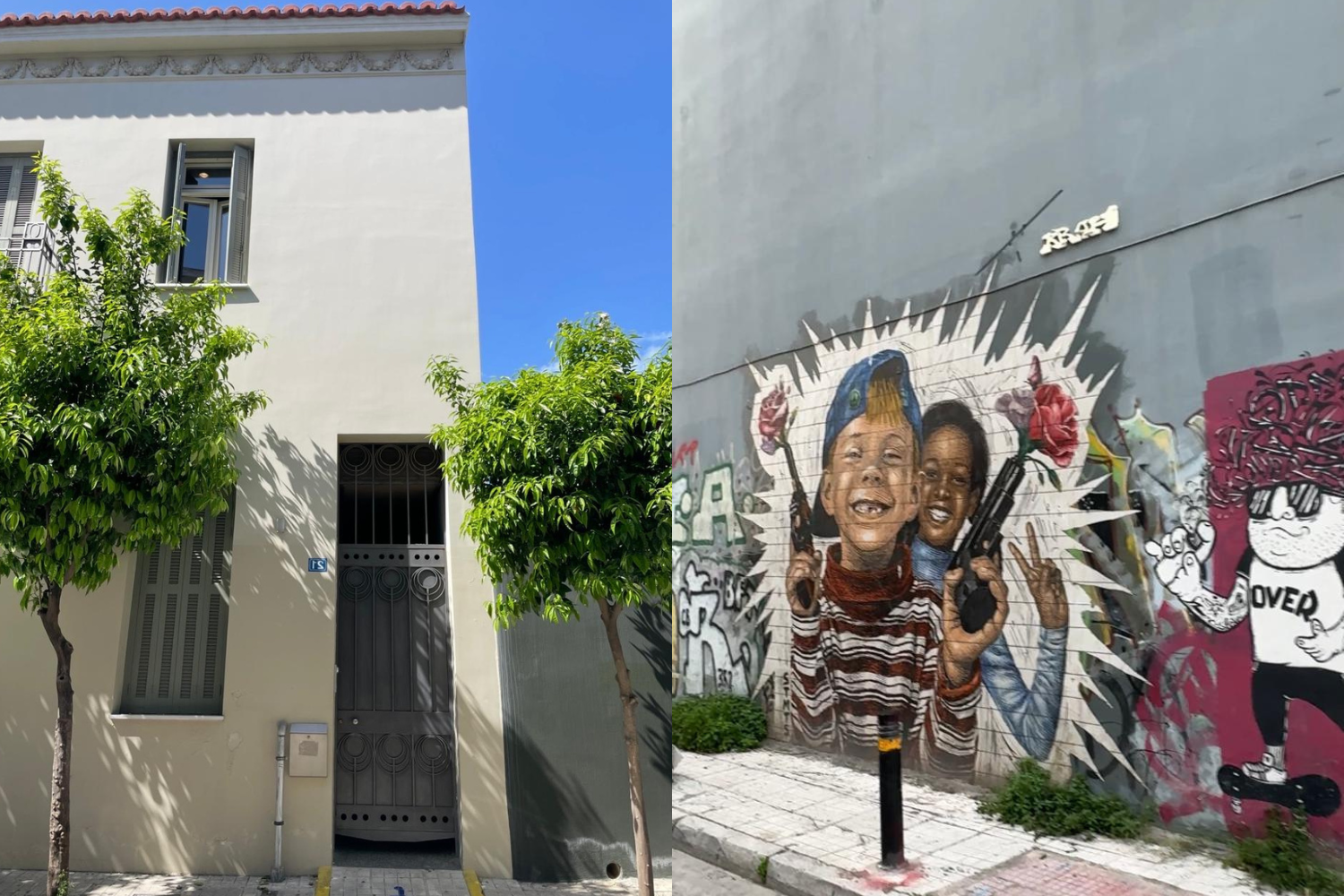
As for Athens, I wish she’d take better care of herself. I wish everyday life were easier for the people who live here. I wish we could keep more of what makes this city interesting without turning every neighbourhood into something designed for visitors.
But I wouldn’t want her polished into a perfectly behaved version of herself, either. I’ve seen what happens when cities become too conscious of their own attractiveness. They start behaving like people who know they’re being photographed.
Athens has never been good at posing. One minute she’s magnificent, the next she’s shouting at a delivery driver. Her beauty appears in the middle of an eyesore, her intelligence occasionally disappears into complete absurdity, and her best conversations rarely begin with anyone agreeing.
I sometimes think about that eight-year-old girl in the back seat of the car, staring at those enormous concrete buildings, terrified by their size and the forest of antennas above them. She couldn’t understand why everything seemed so chaotic, why everybody was shouting, or why the buildings stood so close together, as though they were keeping secrets from the streets below.
I recognise her. I still look around Athens and wonder what on earth is going on. The difference is that these days, instead of hiding in the back seat, I’m far more inclined to get out of the car, start asking questions and, on occasion, have an animated argument.