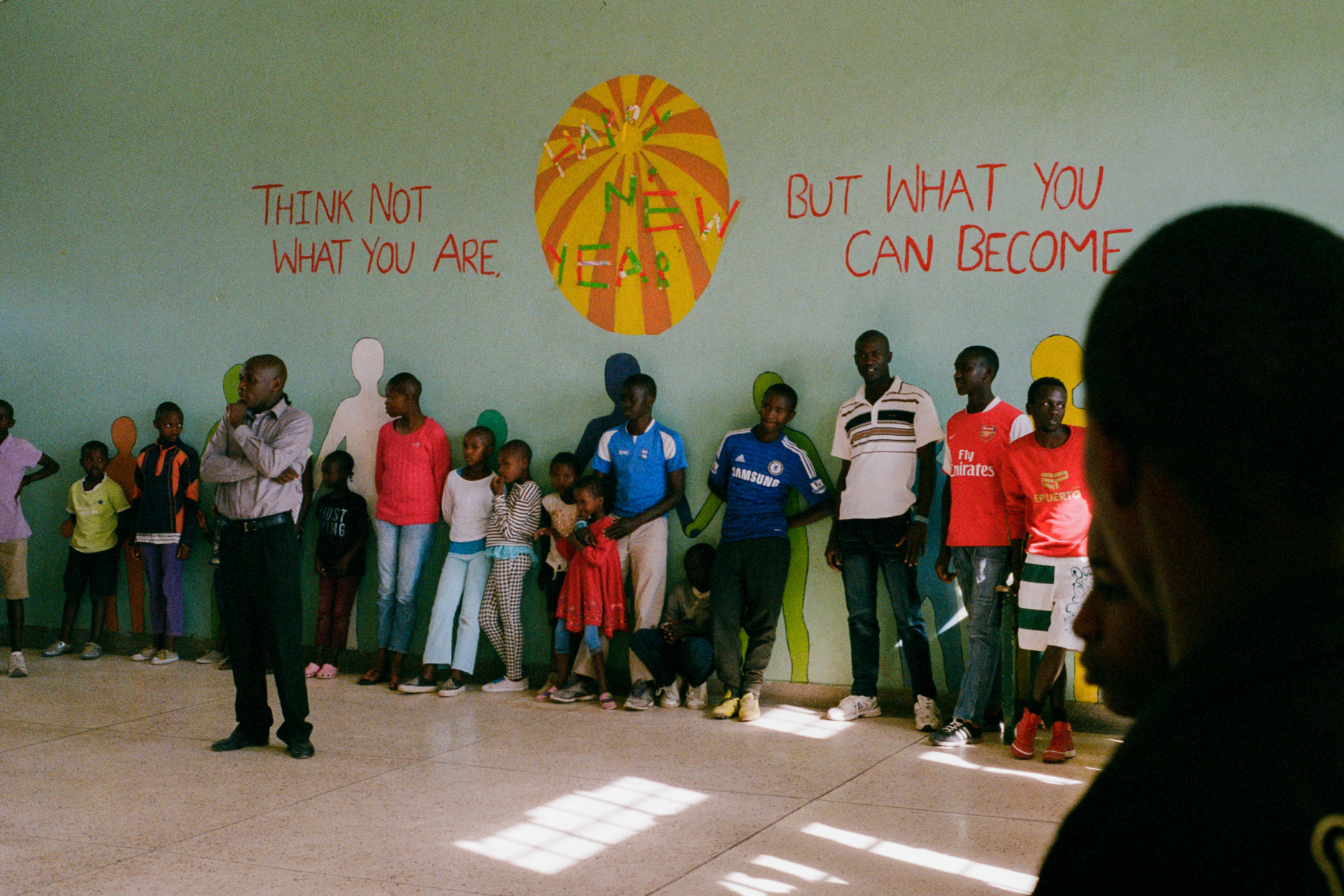
“Think not what you are, but what you can become.”
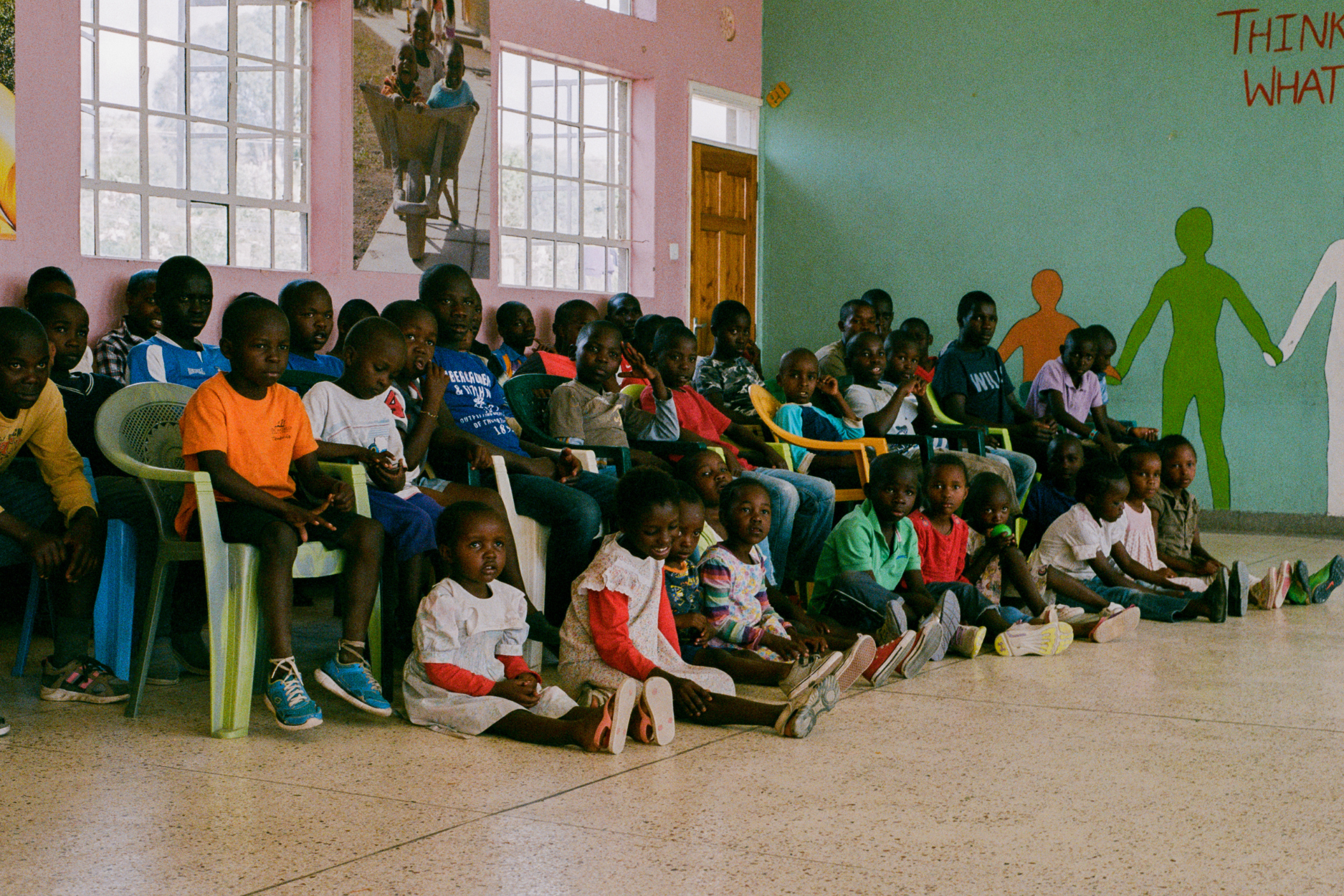
The words were painted in large letters across the wall. Beneath them, children gathered, talking, laughing and waiting for the day to begin.
I didn’t know it then, but that sentence would follow me home.
A few years ago, I travelled to Kenya on what was described as a coffee safari. We were there to meet farmers, document their work and learn about the many hands involved in growing and harvesting coffee before it reaches the cup.
It was my first time in Africa, and I was nervous.
Much of what I thought I knew had come from somewhere else: news reports, films, warnings, and stories repeated so often they begin to feel like personal knowledge. They weren’t. They were fragments of other people’s experiences, frequently stripped of context and stitched together into a picture of an enormous continent I had never visited.
Landing in Nairobi immediately challenged that picture.
The airport arrival felt unfamiliar and slightly chaotic compared with the polished routines I knew. The heat pressed in. People moved with purpose. Drivers called out. Bags appeared, disappeared and eventually found their owners. Nothing seemed interested in easing me into the experience gently.
This was not the version of travel where everything is arranged to reassure you.
Thankfully, I wasn’t alone. I had friends and colleagues with me, along with a local guide and driver who understood the rhythms of the place in a way we never could. Their presence gave us the freedom to look around without constantly wondering whether we were facing the right way.
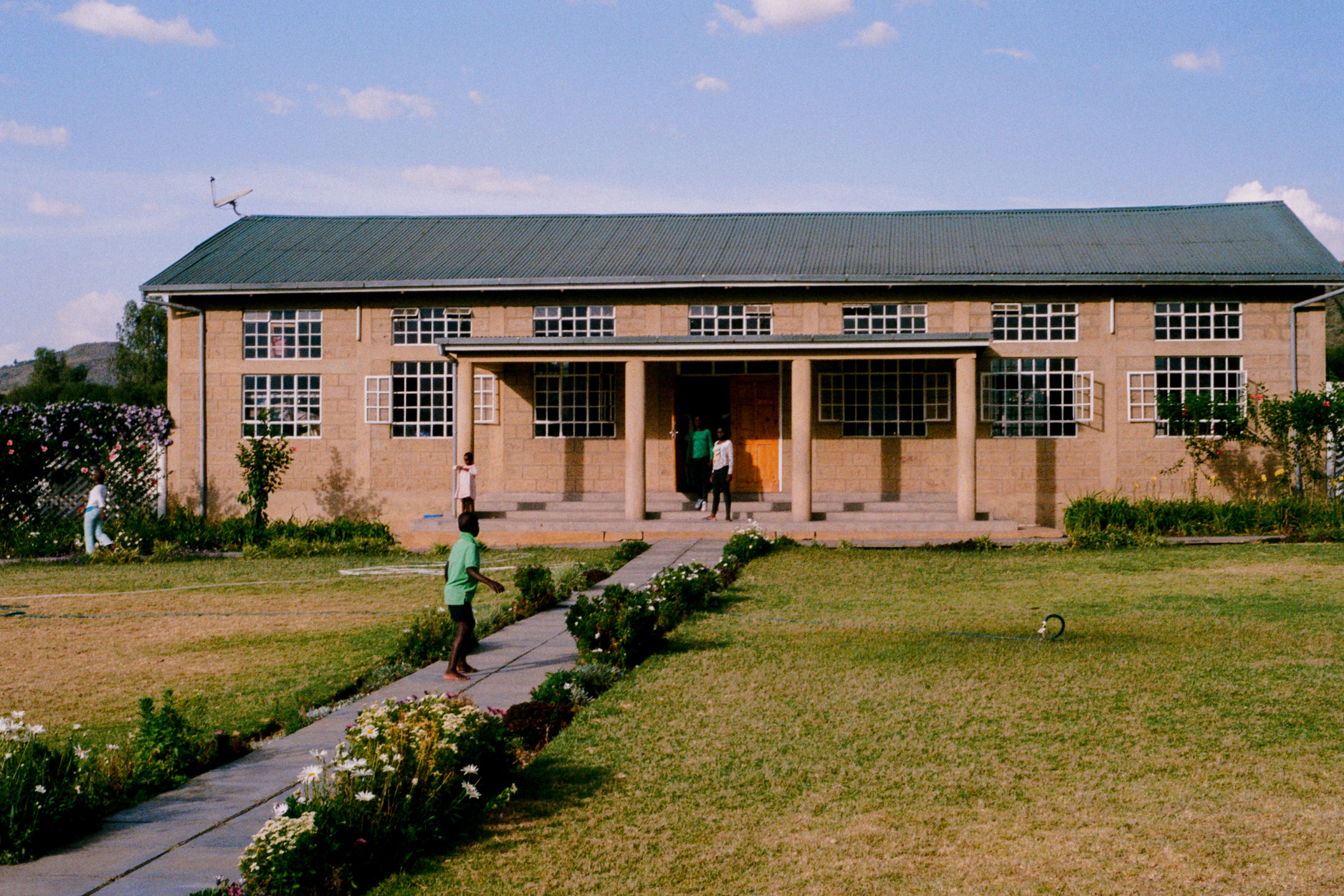
We spent our first few days in Nairobi before learning that we would spend New Year’s Day at Restart Africa, a children’s centre near Gilgil. One of the companies connected to our trip had regularly supported the organisation.
I agreed to go without understanding what the day might ask of me.
The drive from central Nairobi took approximately 2.5 hours. The road demanded attention. Traffic moved according to a logic that felt very different from Sydney, where painted lines and polite indicators allow us to pretend everyone is cooperating. We passed the aftermath of several serious accidents. Each one quietened the vehicle for a while.
Outside the windows, the city loosened its grip. Buildings thinned, the landscape opened, and the road carried us farther from the version of Kenya I had begun to recognise.
Then we arrived.
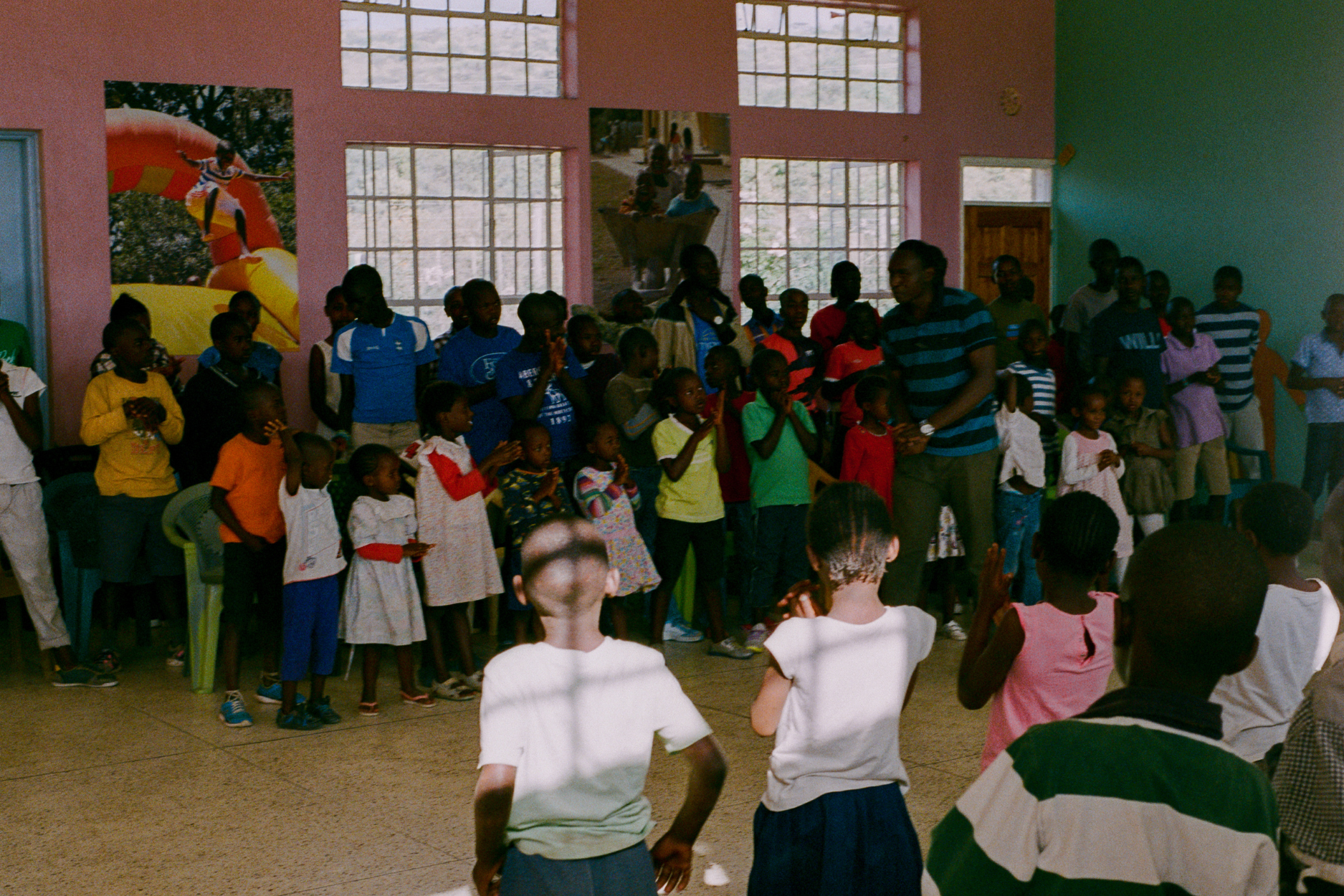
We were escorted into a large communal space where the children and staff were waiting. There were perhaps fifty children in the room and around fifteen staff members. What I remember first is not silence, sadness or any of the images people often impose on places like this.
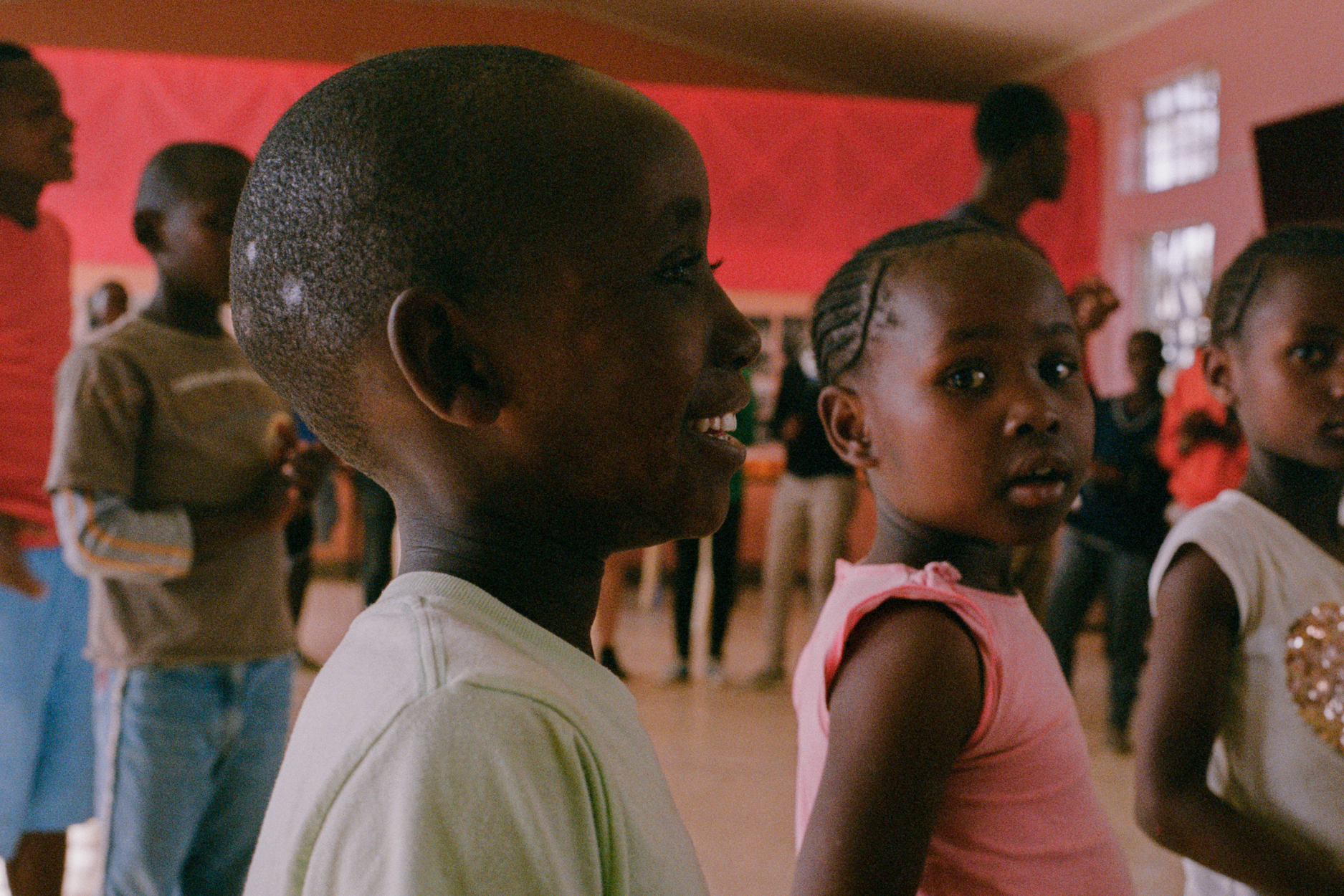
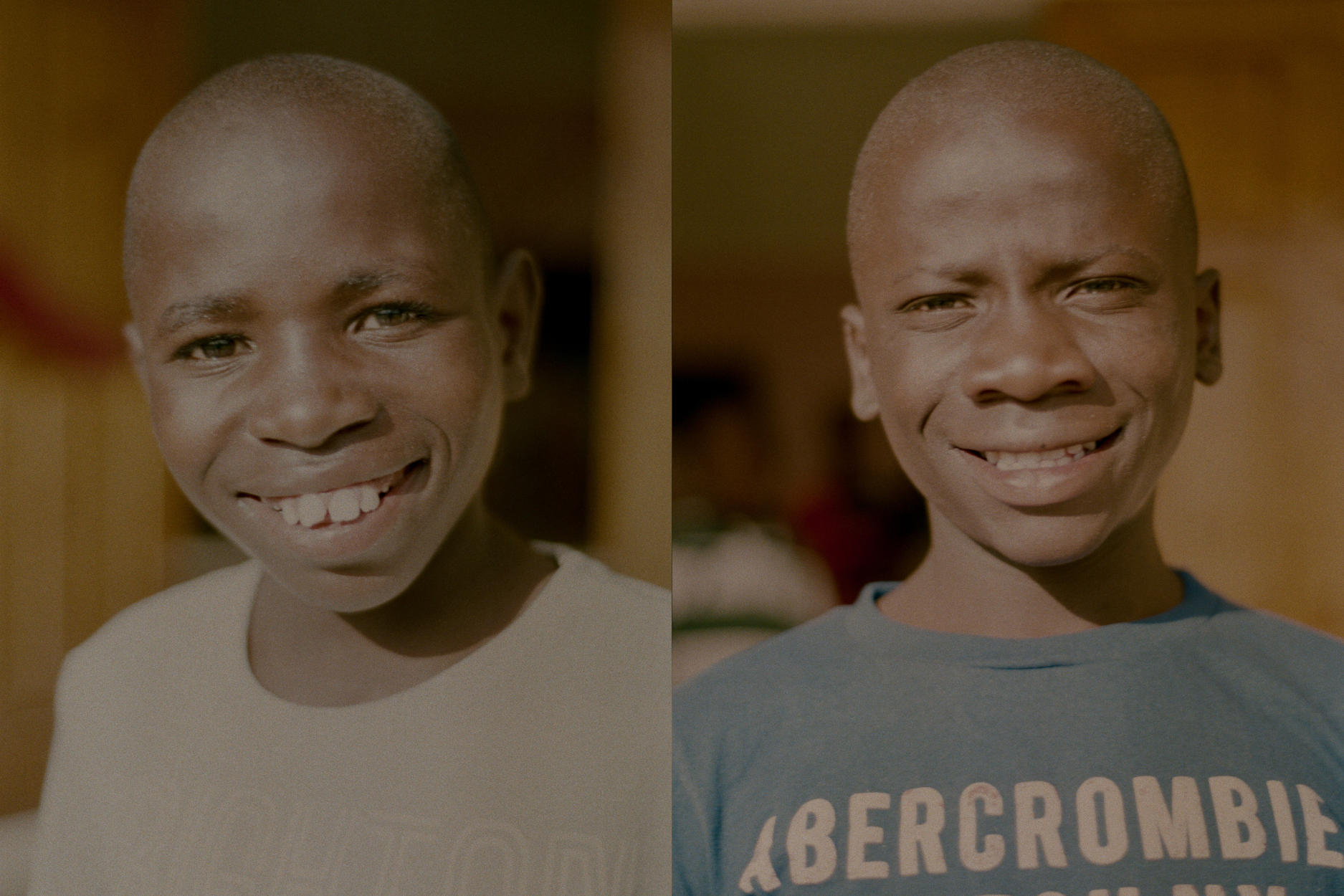
I remember the smiles.
They were not there to cause us hardship. They were children on New Year’s Day, one seemed concerned with saying the right, curious, energetic and ready for something to happen.
We had brought cakes, drinks, lollies, crackers and chocolates. We packed them into small bags and handed them around. The contents were simple, but the excitement was immediate. A packet of sweets can become a celebration when it is given in the right room, on the right day, with everyone opening theirs at once.
Introductions followed. A microphone travelled around the room. We wished everyone a happy New Year, made nervous little speeches and tried to find words worthy of the occasion. I’m not sure any of us succeeded.
I had never spent New Year’s Day like this.
Usually, the beginning of a year arrives wrapped in noise: parties, resolutions, hangovers, expensive dinners and promises to become a better version of yourself by Monday. Here, the day felt stripped of all that ceremony. There was no grand reinvention, only people sharing the same room and giving one another their attention.
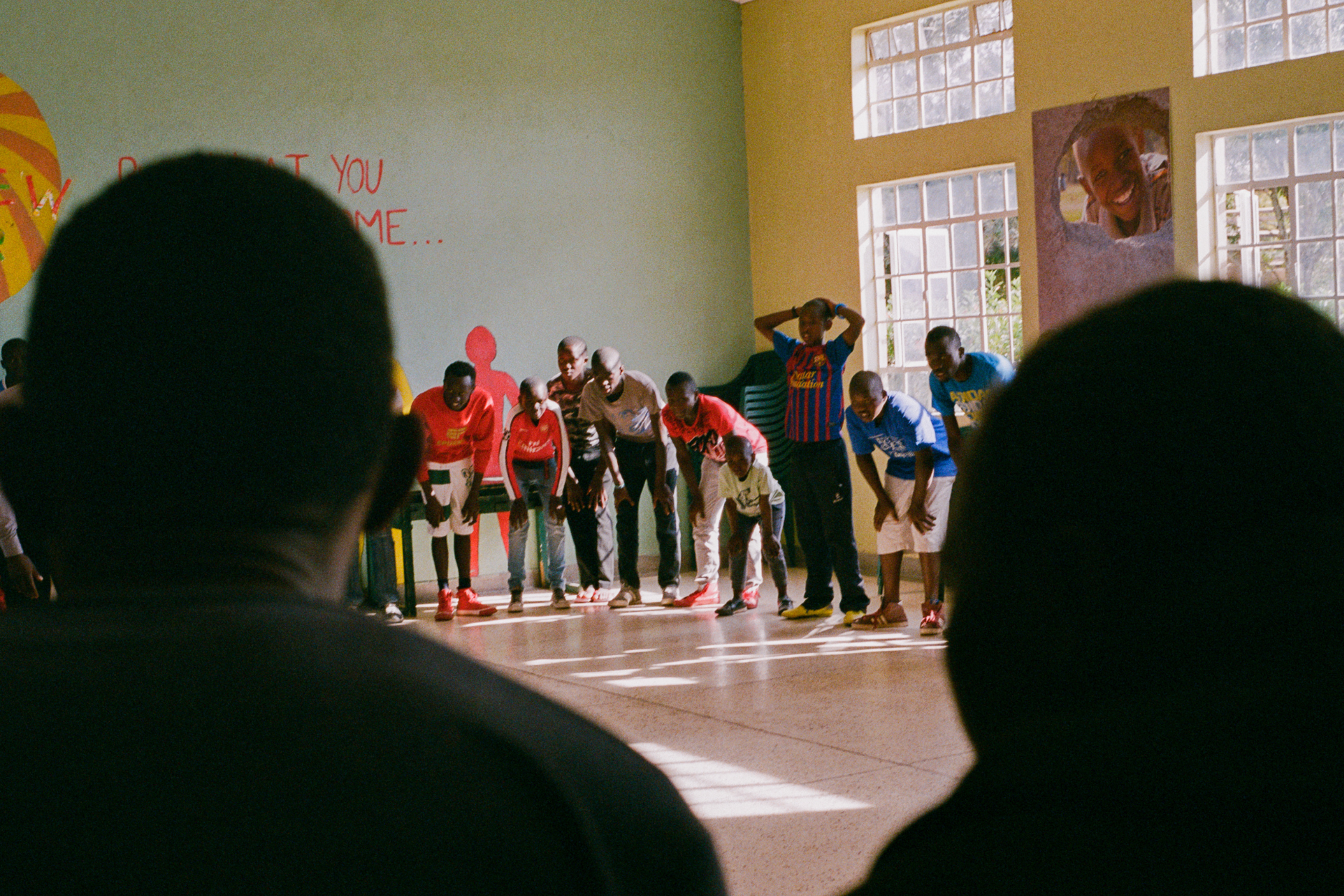
Then the music started.
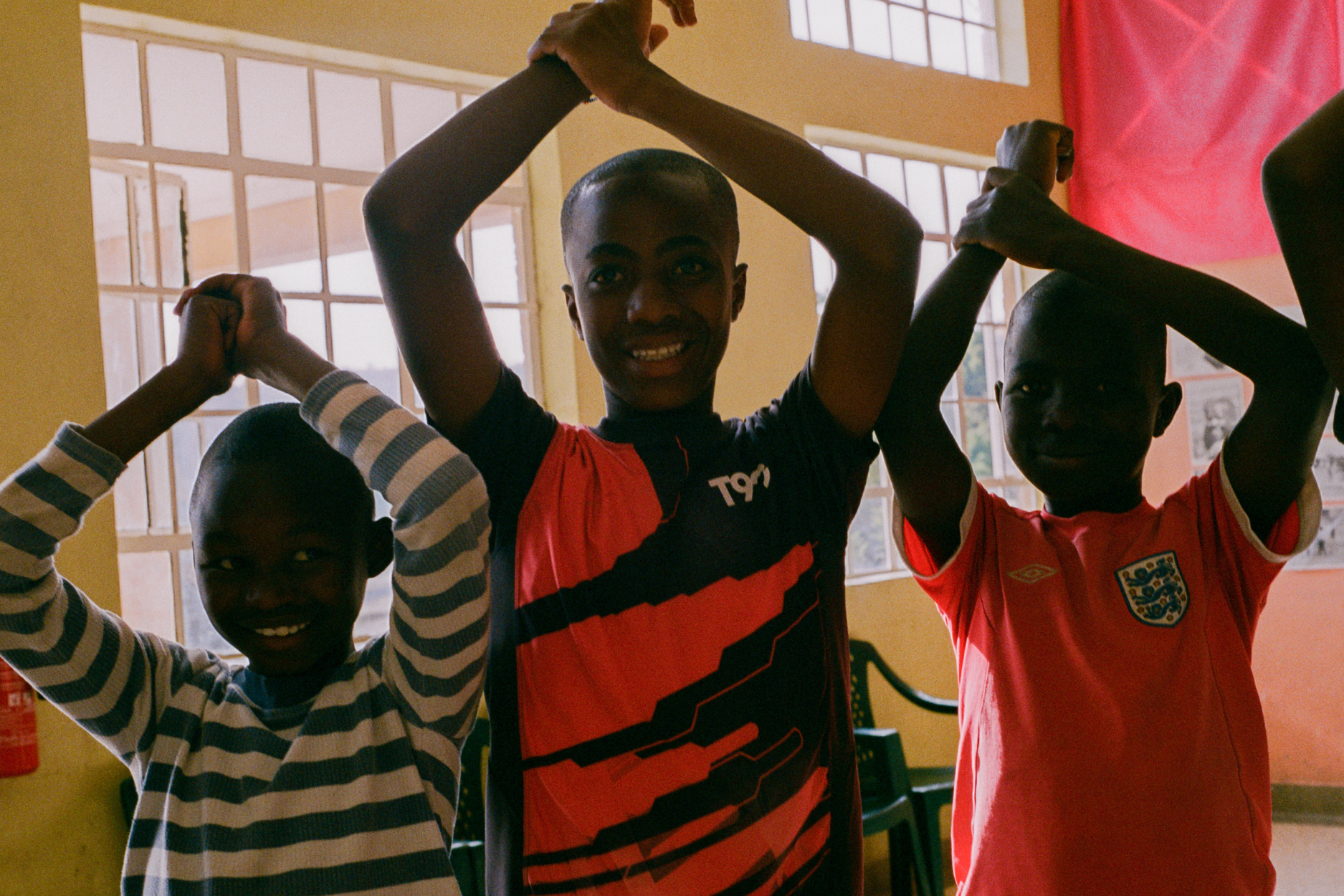
The children had prepared singing and dancing for us. They moved with an energy that completely changed the room. Whatever distance had existed between visitors and hosts disappeared. Staff joined in. We laughed. Cameras came out. For a while, nobody appeared concerned with saying the correct thing.
It remains one of the happiest scenes I have witnessed.
Later, we learned more about the circumstances that had brought some of the children to Restart. Those stories are theirs, not mine to reproduce in detail. It is enough to say that many had experienced things no child should have to survive.
The knowledge changed the atmosphere inside me, but it did not change who they had been in front of us.
They were still the children who had sung, danced, laughed and welcomed a group of strangers into their New Year’s Day. Their histories mattered, but those histories were not the entirety of who they were.
Restart Africa was founded in 2008 to meet the needs of children living on the streets around Gilgil. The organisation provides a home, education, welfare support and counselling while also supporting projects within the surrounding community. Its work is not built around a single emotional visit. It continues every morning after the visitors leave. (Restart Africa)
That distinction has stayed with me.
It is easy to arrive somewhere for a day, feel overwhelmed, take photographs and leave believing your emotional response is the story. It isn’t. Feeling moved costs very little. The difficult work belongs to the people who remain: the staff preparing meals, arranging education, providing counselling, managing finances and creating stability where there was once very little.
I was a witness, briefly. They were doing the work.
I photographed as much of the day as I could. At the time, the camera gave me somewhere to put my feelings. Looking through a viewfinder creates a small distance between you and what is happening. You concentrate on light, movement, and composition because they are easier to manage than emotion.
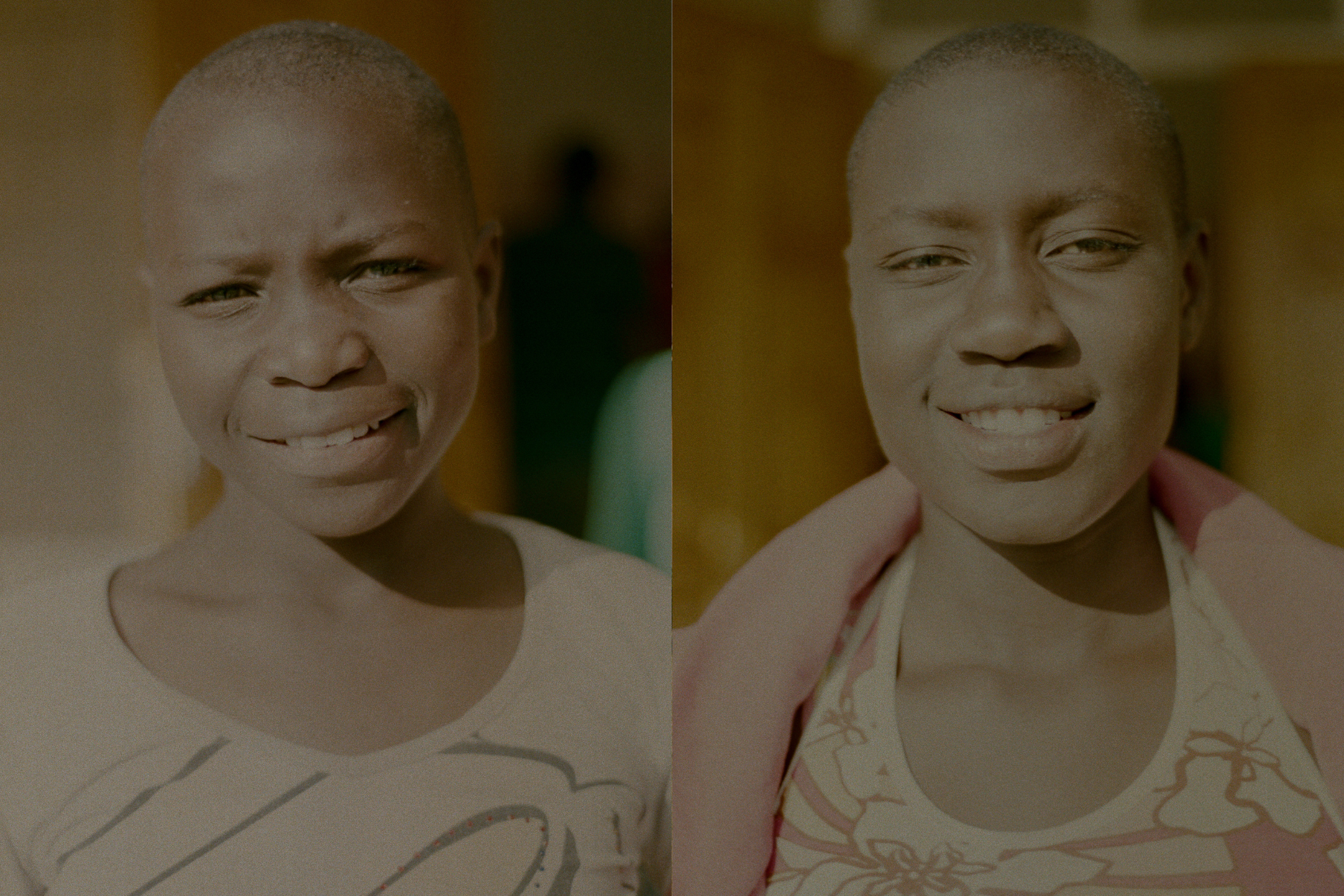
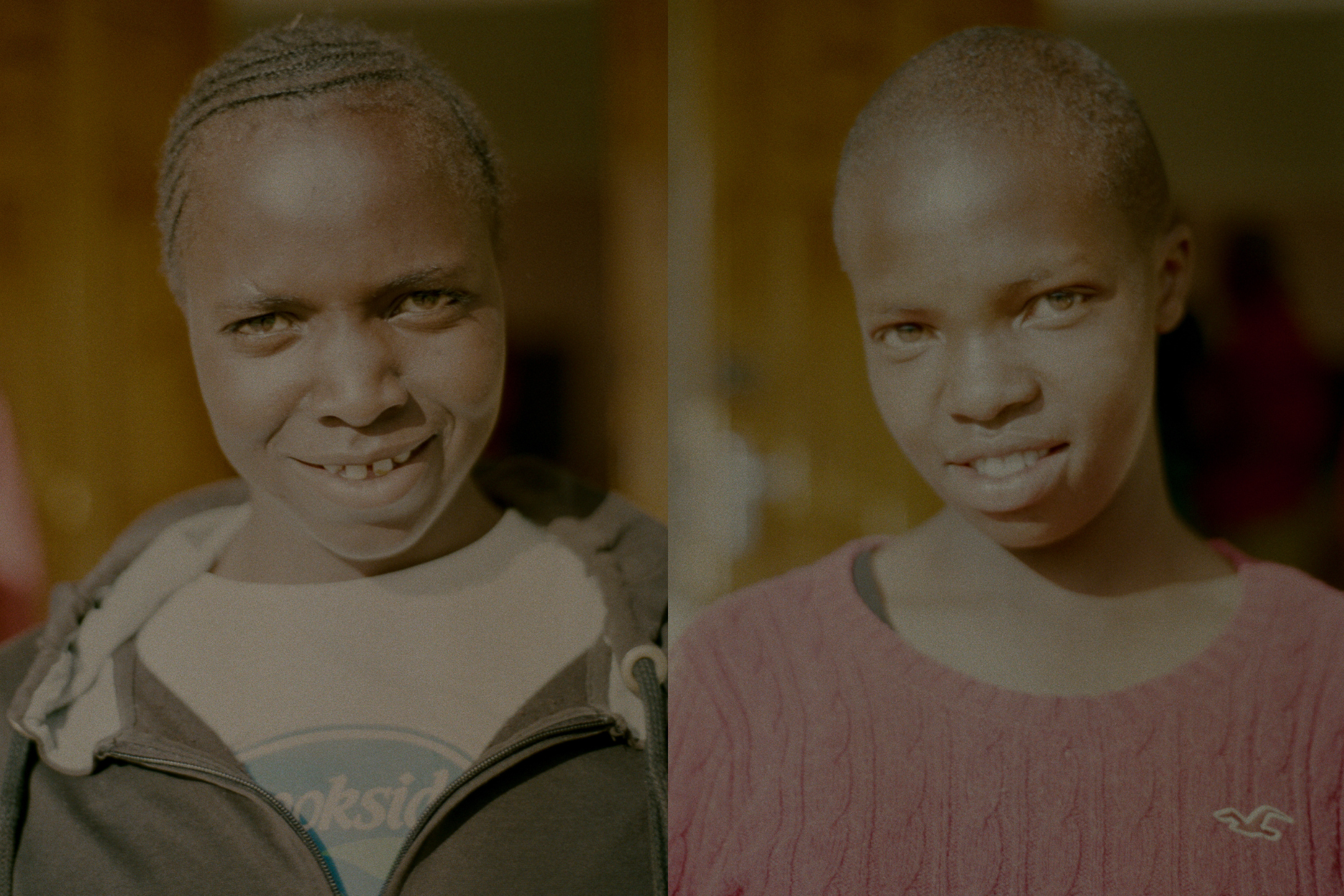
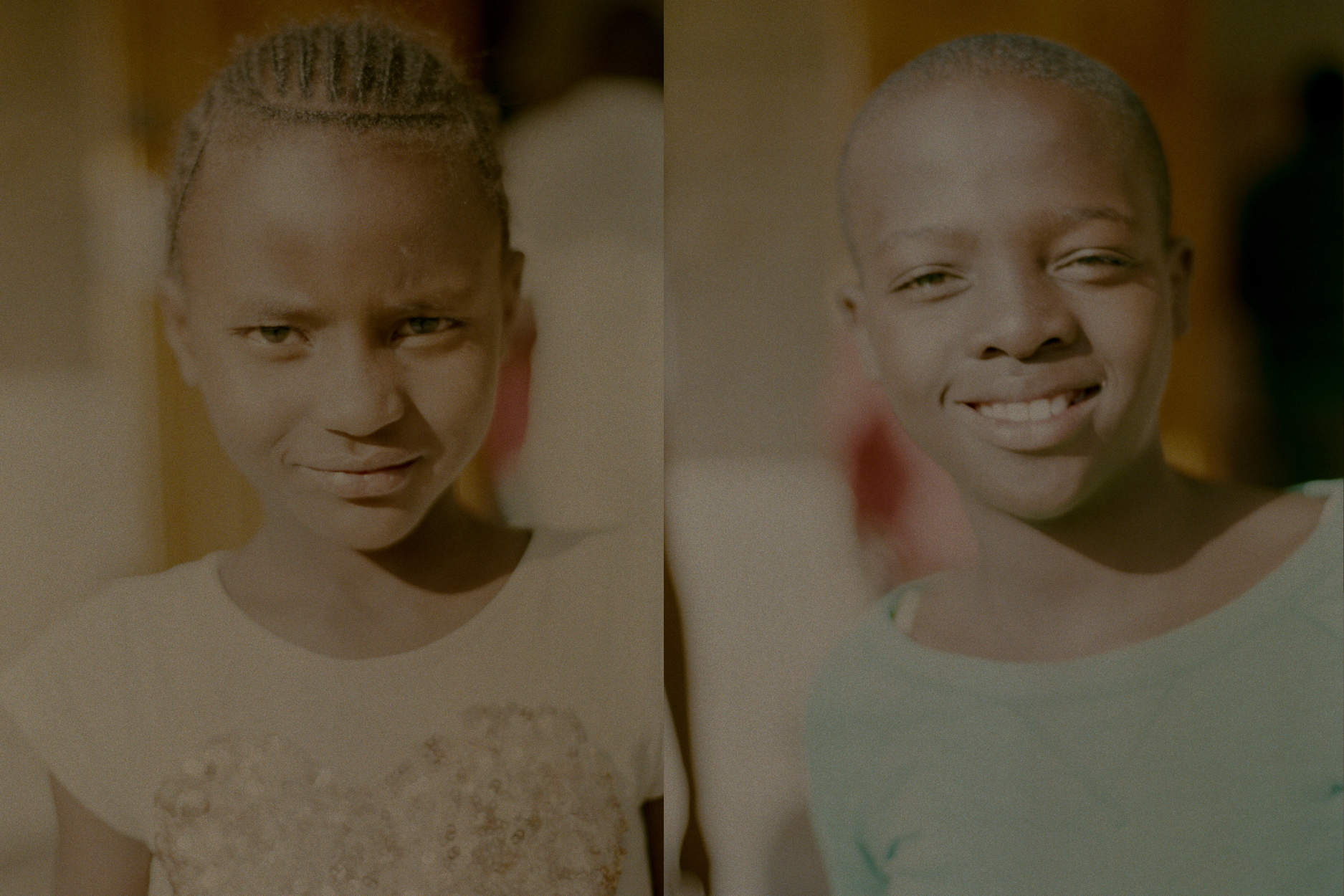
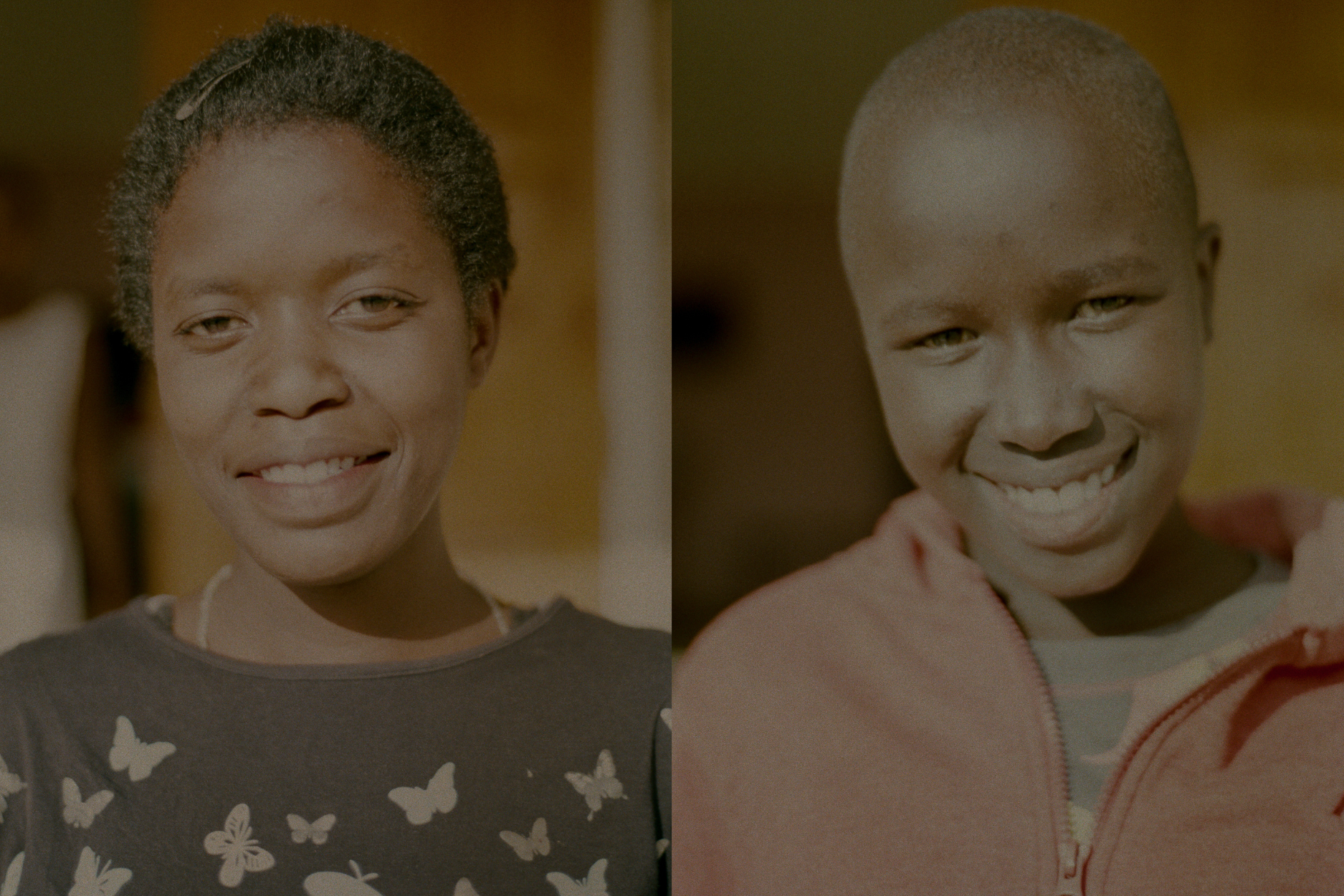
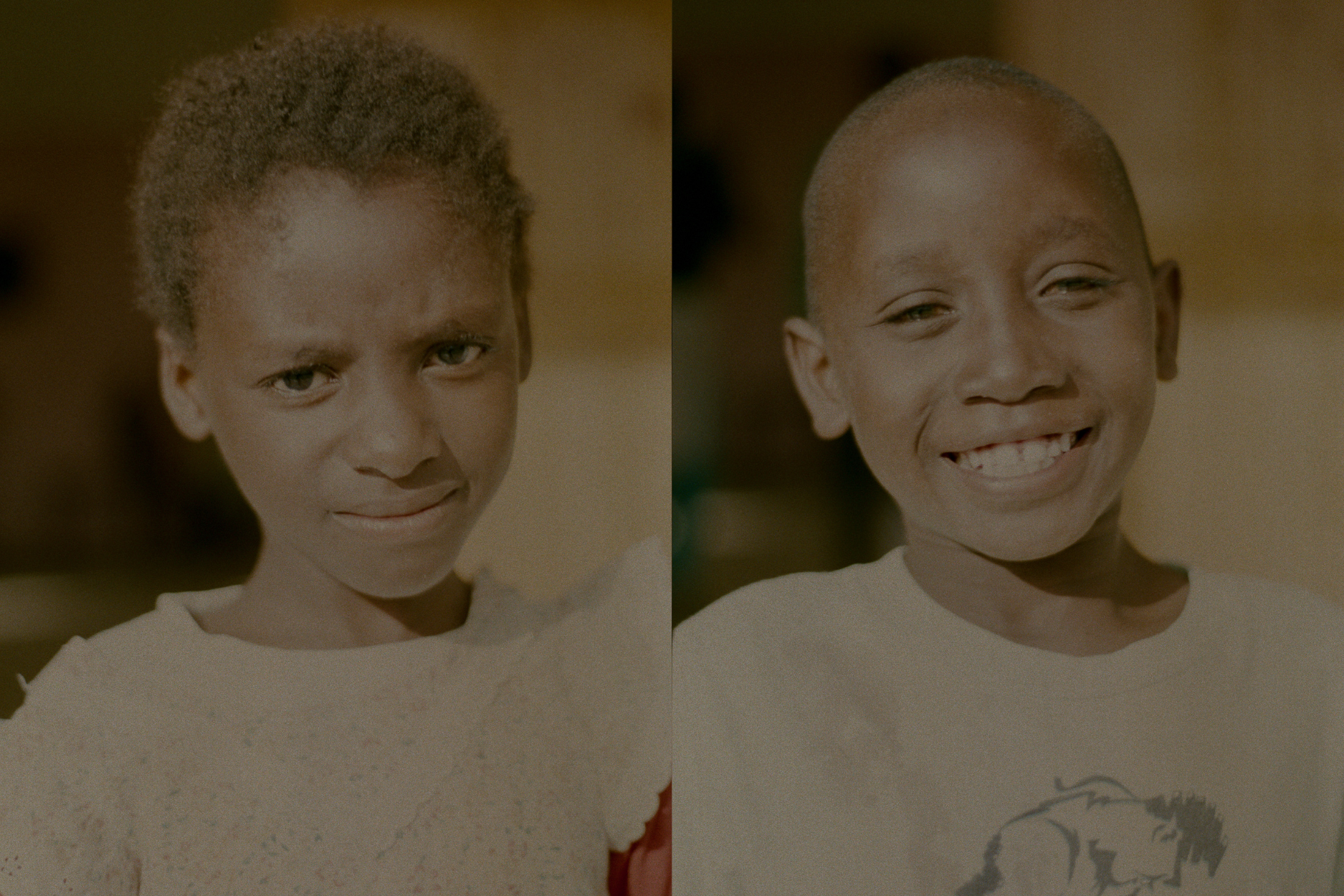
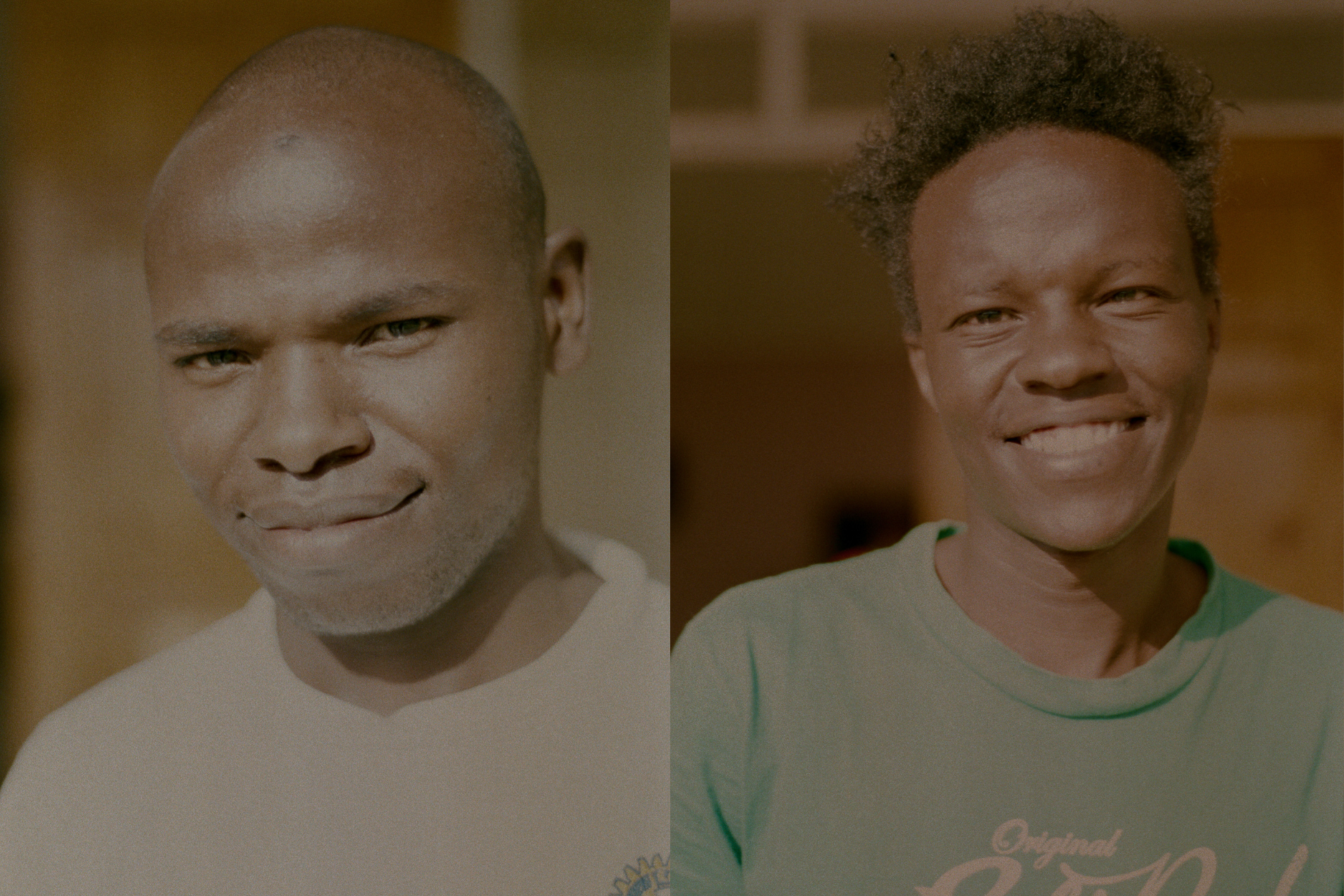
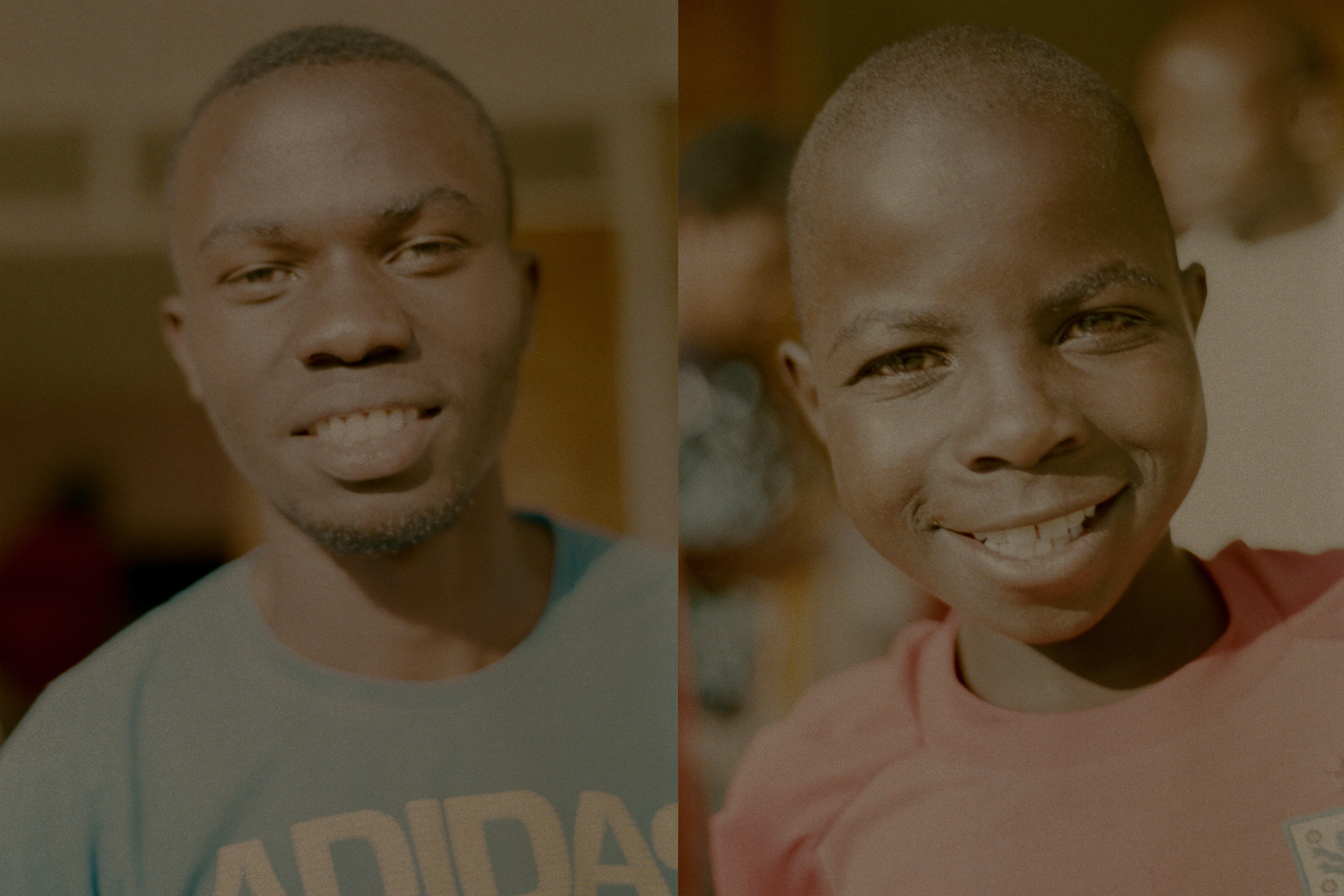
I was also given the privilege of making several portraits.
They are not images I take lightly. A portrait is more than proof that a meeting occurred. At its best, it is a collaboration: one person allowing themselves to be seen and another accepting the responsibility of how that image will be shown.
For years, I kept the photographs and footage mostly to myself.
Perhaps I did not yet know how to share them without turning the day into something neat and inspirational. The experience was not neat. It held joy and discomfort together. It made me grateful, but it also made me question the comfortable distance from which we often observe other people’s lives.
Back home, it became easy to return to familiar irritations. A bad coffee. Slow service. Traffic. An inconvenience treated as a catastrophe because the day had failed to organise itself around us.
Perspective does not mean we lose the right to have problems. It means recognising their scale.
The children at Restart did not exist to teach me gratitude. That would reduce their lives to a lesson designed for my benefit. But the day did expose how quickly I could mistake comfort for necessity and inconvenience for hardship.
That knowledge has never completely left me.
Neither have the words on the wall.
“Think not what you are, but what you can become.”
At first, I assumed the message was intended for the children. Now I’m not certain. Perhaps it was meant for everyone who entered that room.
I arrived in Kenya carrying other people’s stories about the place. I left with an experience that resisted the simple version: joy beside grief, generosity beside need, beauty without sentimentality.
This is the first time I have shared these images and this footage publicly. I do so with gratitude to the children and staff who welcomed us, and with respect for the lives continuing beyond the edges of every frame.
Some journeys end at the airport.
Others remain unfinished, waiting for us to decide what we might become because of them.