
Photographer Spotlight: Deborah Pelser.
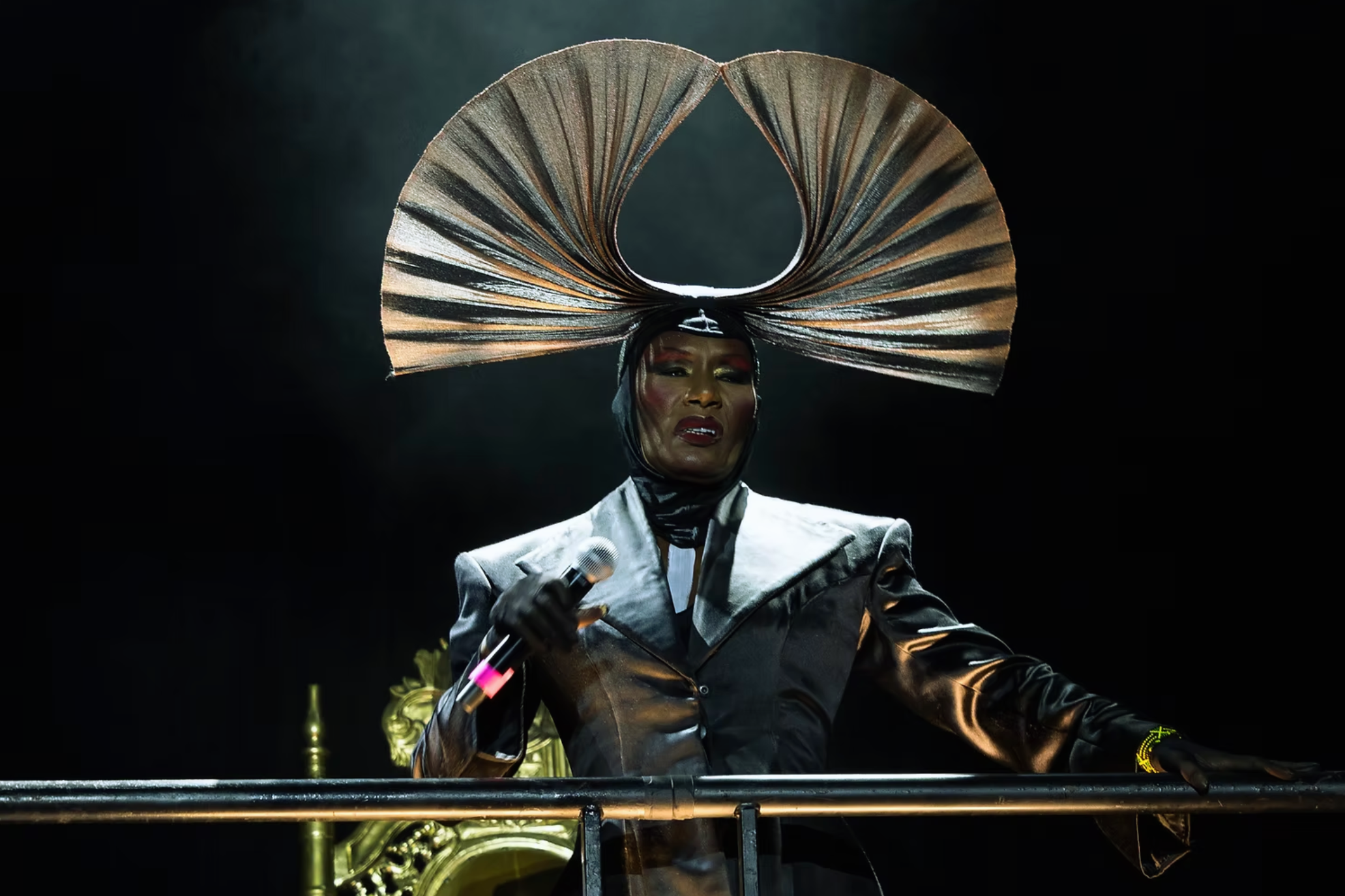
Deborah Pelser is an Eora/Sydney-based digital and film photographer, journalist, and die-hard music lover.
Her truly comprehensive body of work as a photographer has captured the best of Sydney’s live music landscape. She’s a veteran of the scene’s underground and established on the professional circuit, having shot in the local haunts like Chippendale’s Lansdowne Hotel and iconic concert venues from Hordern Pavilion to Accor Stadium (that’s just in 2026). If you were at a concert, a live show, a gig this year, chances are she was, too.
She’s a journalist and photographer for the Australian arm of the UK’s independent music and film collective, Backseat Mafia ( IG @backseat_mafia ), spotlighting independent artists at all levels.
I had the opportunity to interview Deborah. About her career, and her passion for music, skill of photography, and the way she melds them. Bringing the depth of visual dimensions and archiving to the auditory world of music and the lighting-in-a-bottle ephemerality of live shows, Deborah takes photographs you can hear music through.
Find Deborah’s latest work at www.backseatmafia.com, and her latest shoots on her instagram, @deb_pelser. Her gallery of work can be found on her website, www.deborahpelser.com.
Joseph Agius: You’re a skilled and sought-after live music photographer and an adept music journalist. Is music the real passion?
Deborah Pelser: Yes – music is the real passion. I had been going to gigs for ages with just a point-and-shoot [compact camera], and then I started thinking, “Why don’t I try to do this with pro equipment?”
So I approached a couple of music blogs.
Most turned me down, but I found a home at Backseat Mafia. I have been very privileged to shoot amazing artists on their behalf.
Why were you drawn to photography as a creative outlet?
I love music, and I love gigs. I try to capture my experience of seeing artists perform, and share the magic and mayhem of gigs with others.
Music is very special. I saw an interview with Dave Grohl, and he said that you could have thousands of people at a gig, and some might be on the left side of politics and others on the right, but for those few hours, the music brings people together and makes us forget our differences. There are not many things that can do that.
While your creative field is competitive, it thrives on collaboration; passionate people are always looking for ways in. How did you find your footing in the industry?
I contacted as many music blogs as I possibly could, and was turned down by most (all) of them. I was told that my photos were not up to scratch – remember I was using a point-and-shoot at that time, so that was not surprising, given that I was shooting from the moshpit with a relatively cheap camera.
So, I would say to anyone considering doing this, do not give up. Just keep on trying to get your work acknowledged. Even now, I often do not get to shoot many of the gigs that I apply to. You must have resilience, and just put your pride in your pocket in this area.
How would you describe your style of shooting? When do you find yourself defying the conventional?
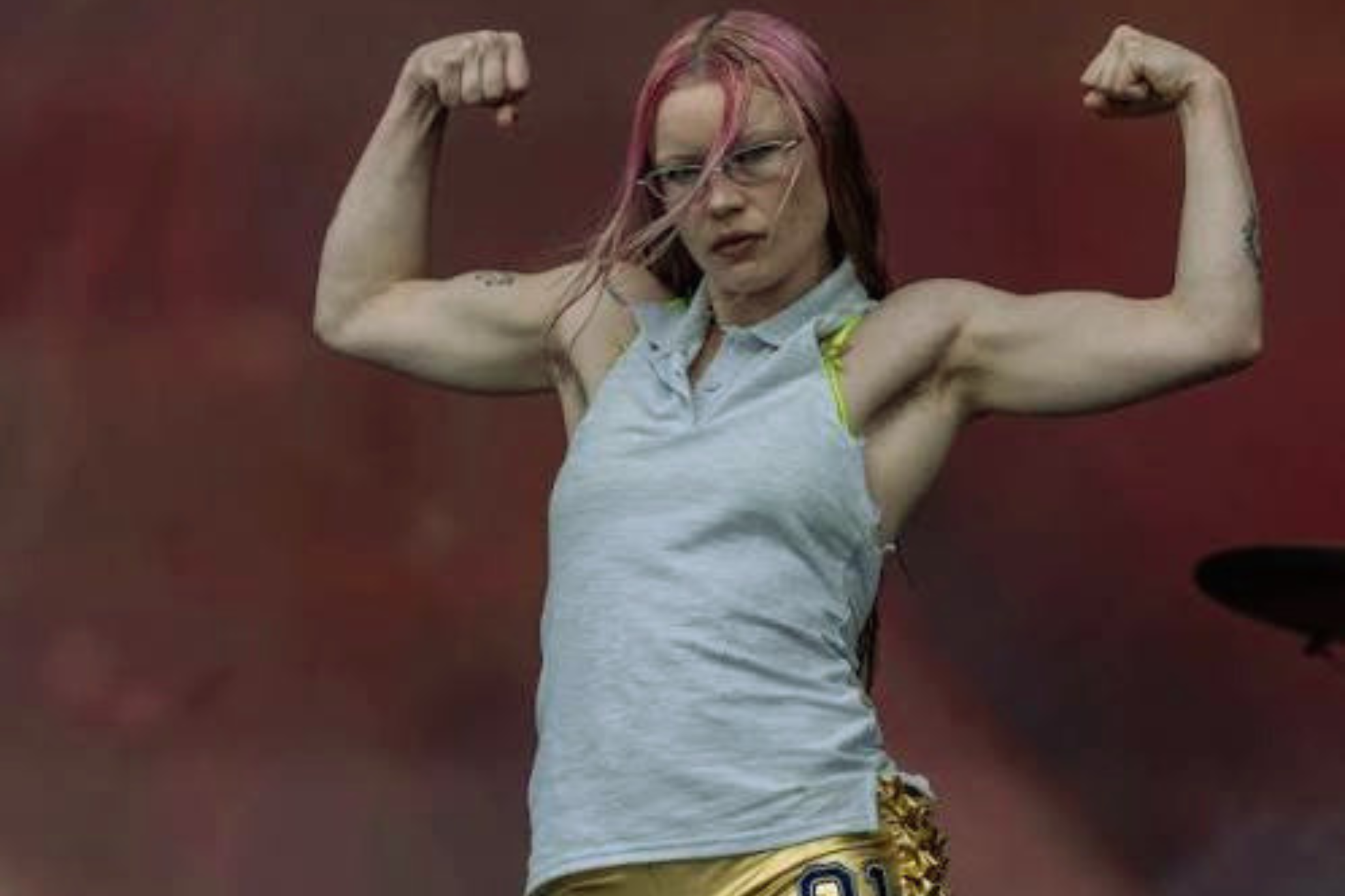
I like to capture introspective moments, where I think I’ve captured an intimate look or feel of an artist. Of course, this isn’t always possible, because some of the bands are just quite manic, and you just need to shoot and try to keep them in focus.
But I love those quiet moments where you’re able to capture someone’s inner thoughts. I think that I started out being pretty conventional – just trying to get a well-focused and well-exposed shot was my aim.
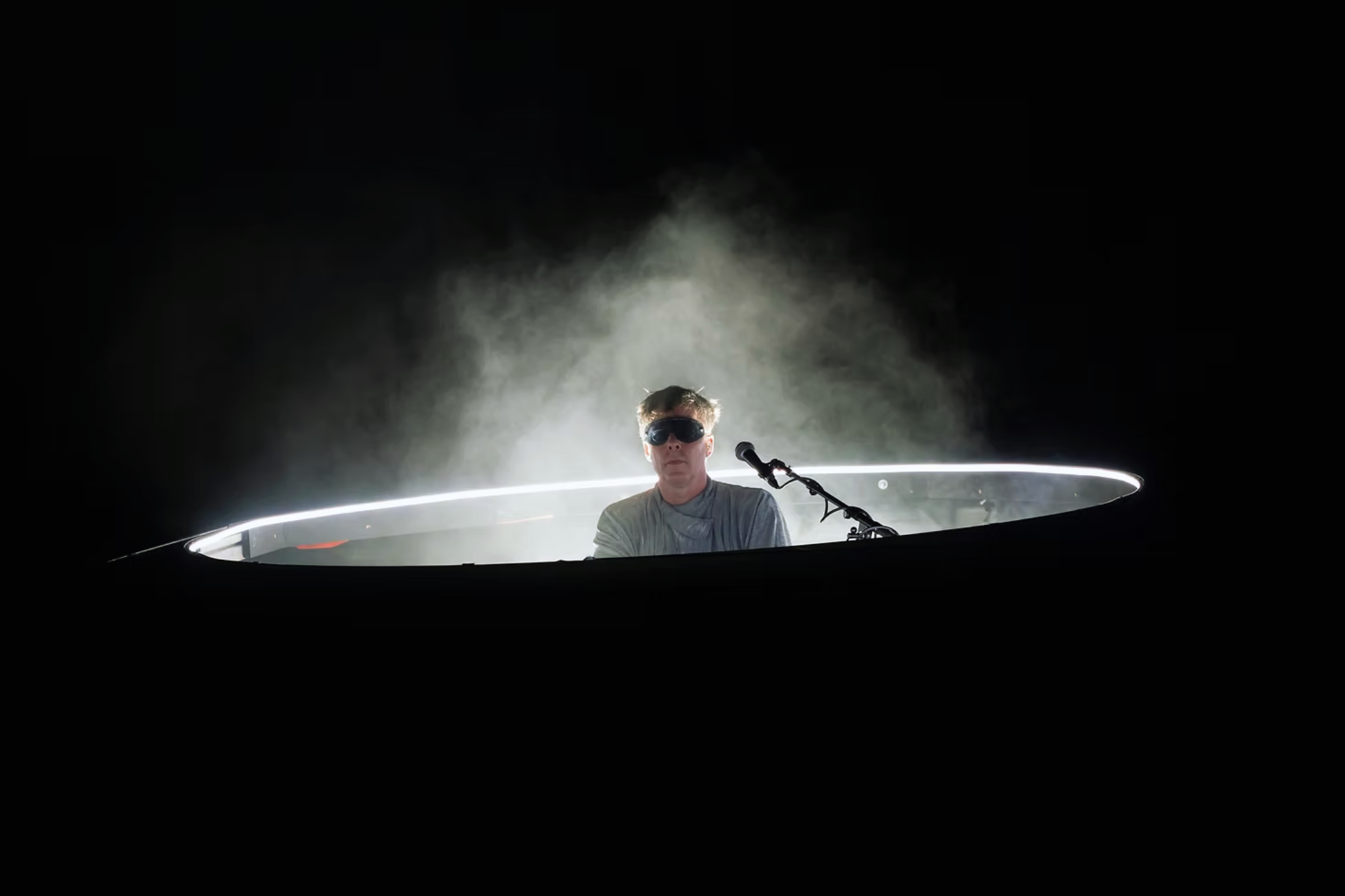
These days, I think that my use of darkness is perhaps a little unconventional, and reflects my style a bit more.
You’re a journalist for the Australian branch of UK-based independent outlet Backseat Mafia. What do independent outlets like yours offer emerging and local musicians?
It’s sad to see so many venues in Sydney closing down, and music festivals being cancelled. It is so important to support emerging artists; they are the ‘stars’ of tomorrow.
[Backseat Mafia] try to support as many new and emerging artists as we can. Also, it’s just amazing to hear the talent that exists out there, and so we hope that, in the small way of spotlighting local talents, we can help them on their journeys.
You’ve shot everyone – household names like AC/DC, Deftones; you reviewed Taylor Swift’s ‘Eras’ tour; concurrently, at the same time, you’re involved with the local and independent scene, having shot native outfits The Lizards, Naaki Soul, and Iron Mind. What do local artists and gigs have that you can’t find anywhere else?
I think there’s nothing better than being in a small, crowded room, with a bunch of Australians, being blown away by an Australian band. I love how many of these artists retain their Australian accents and sing about things that we, as locals, can relate to; it’s a very special feeling.
I saw Amyl and the Sniffers for the first time at the Paddo RSL in 2019. There were around 50 people there, but I knew from the first time that I saw them that they were going to be huge. That larrikin spirit and unique Australian vibe is what makes them the great success that they have become.
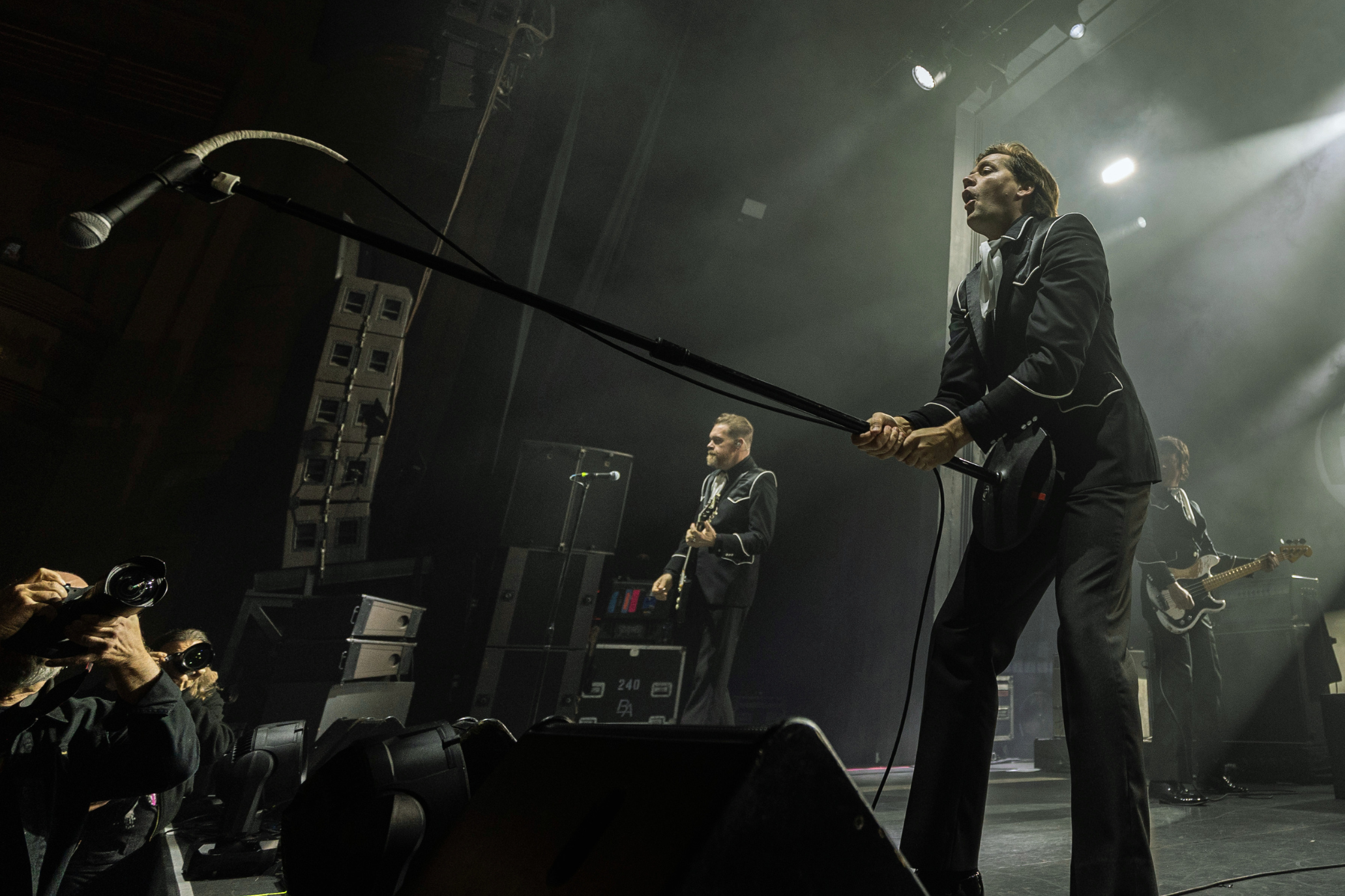
Your rolodex of subjects spans from local stages to stadiums and festivals; which shoots will always stand out as unforgettable? What subjects are you most proud of capturing?
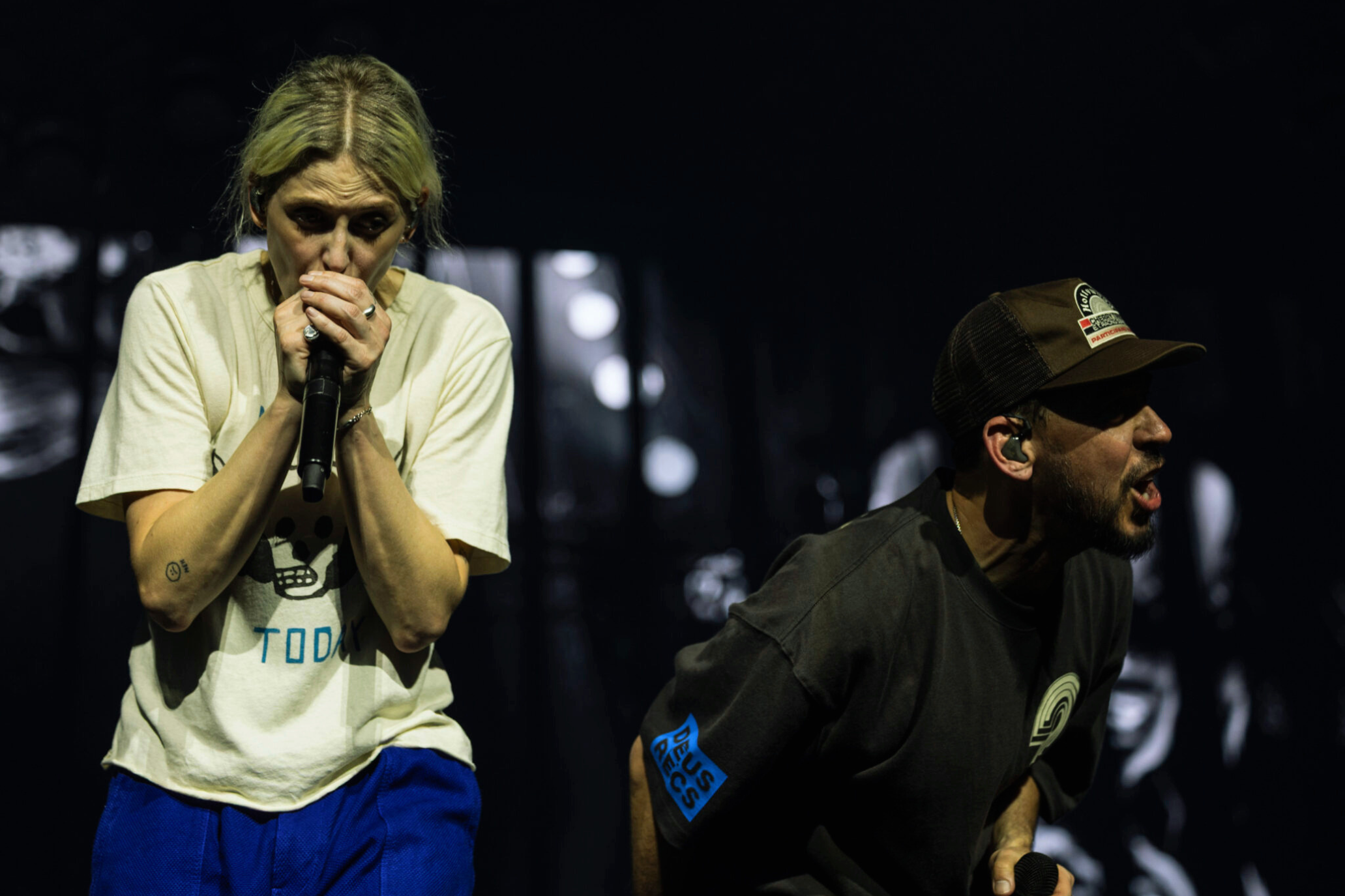
Linkin Park was a very special moment for me, because my daughter is a huge fan and she was there that night. I was thinking, “OMG, I cannot f*ck this up!” The fans were so into it too.
It is just amazing when a band or artist has fans that so enjoy the gig – you can feel the energy coming off the crowd. It is a wonderful feeling. It was great to shoot Bikini Kill at the Sydney Opera House – I’m a longtime fan and shooting them at such an iconic place was unforgettable. Shooting Arctic Monkeys and the Strokes was also special as I love those bands.
But it is so hard to choose because each gig has its own special memories and moments; I just love doing it so much.
What about film photography appeals to you in the digitised age?
I have a separate, very small Instagram account that I use to post my film photos. I love film because it brings a dimension to the image that digital just can’t. To me it is a bit like comparing listening to music on an LP versus on a CD or streaming it. Analogue has a different vibe and feels more authentic to me.
Having said that, it is quite hard to master – and expensive – and I have so much respect for the music photographers who shot gigs using film cameras back in the day.
You’re part of a diverse ecosystem of artists who comprise Sydney’s music scene; what have you learned from working with and around Sydney’s creatives?
I first approached one of the OGs of Sydney’s photography scene, Pete Dovedon, when I secured my first ‘official’ shoot. I asked him for advice and he said to me “Make sure that your lens is set on auto focus!” I have never forgotten that advice and to this day I check that my camera is on auto focus before every gig.
Apart from Pete, there are so many talented Australian photographers, people like Ruby Boland, Suzanne Phoenix, Josh Groom, Jordan Munns, Adrianna Armada, Gaby Clement, Ash Mar. They are a wonderful bunch of people and always happy to help and super supportive. I guess the main thing I have learned (apart from using auto focus) is, speak to other photographers in the pit and build up a network; everyone is always happy to help, it is a very supportive community.
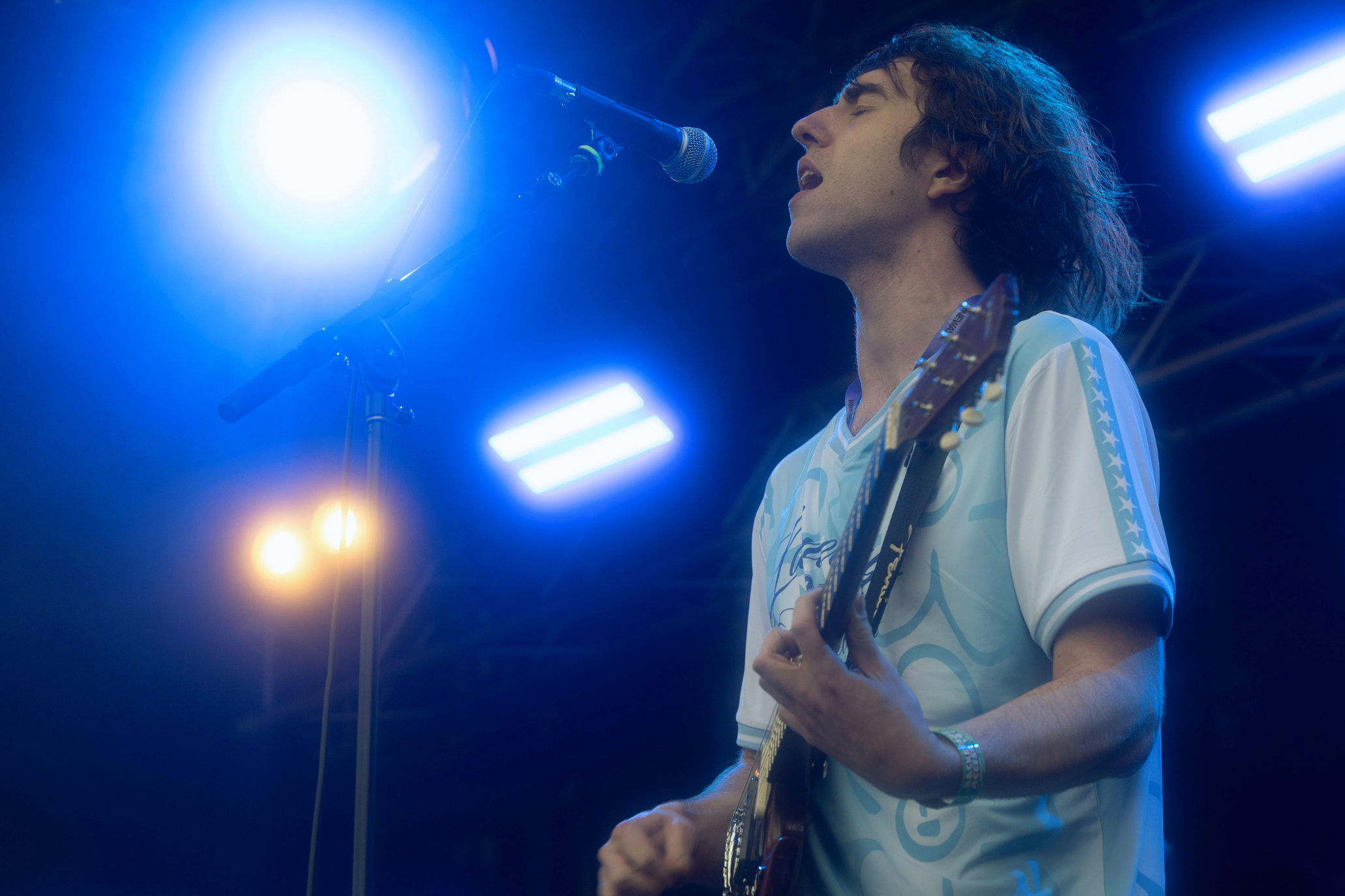
Do you see music journalism as an extension of your artistic vision, or another avenue of immersion in the world of music?
I see it as complementing what I am trying to achieve with my images. I try to write a succinct overview of my impression from the pit – remember that as a photographer, you are (usually) only allowed to shoot the first 3 songs, then you must leave, so obviously you cannot do a full review.
I just try to get across how I felt (and how I felt the audience felt) for those first 3 songs. Sometimes I do full reviews of shows, but obviously that is different.
Are there any new passions or projects you’re exploring right now?
I am trying to get more into videography; I think that’s something I would like to learn to do well. I am not very good at it.
Also, of course, I think that video is becoming (or has become) the preferred way of consuming imagery these days.
What’s an unexpected challenge in making a career out of an artistic vocation?
I think that the obvious challenge is, like most careers in the arts, there’s unfortunately not a lot of money to be made, unless you really make the big time.
An unexpected challenge for me – sometimes getting accredited, negotiating photo passes and earning trust, takes more time than actually making the images. And I still get many knockbacks.
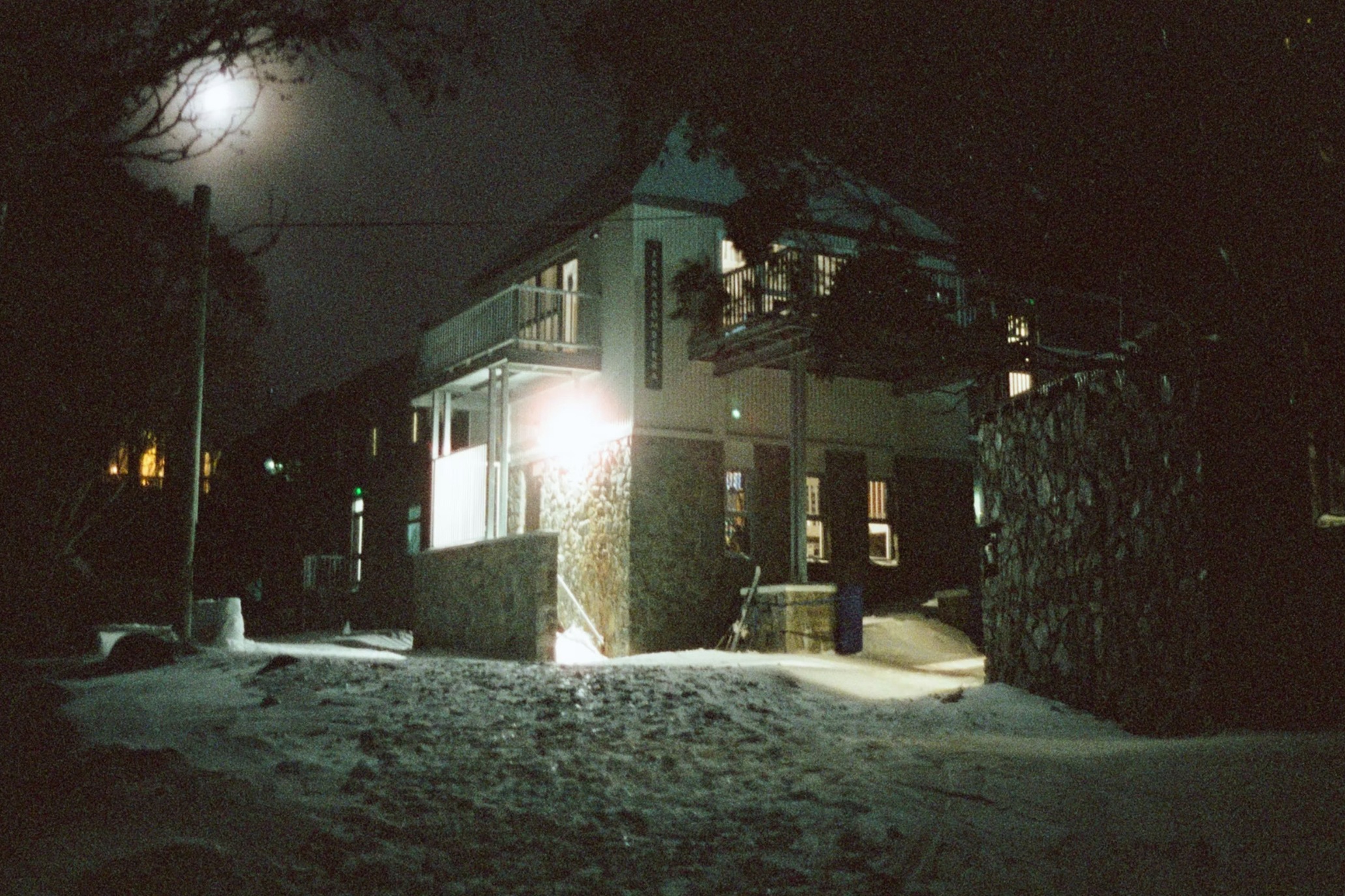
Talking music, which musicians and bands are on repeat for you right now?
I love Geese [and] their frontman, Cameron Winter. I know that they’ve been controversial of late because of how they were marketed, but I just feel their music touches something in my soul.
I love Ecca Vandal; I think her music is this abrasive pop that grabs you by the neck and shakes you around, and she has a spectacular look.
Also Genesis Owusu – his new album is amazing. I love Folk Bitch Trio – their harmonies are to die for. Big Wett is hilarious and so much fun to shoot too!
I really like the Viagra Boys; their lyrics are so satirical of modern society’s contradictions. I have very eclectic taste, and so I can go from Deftones to Savage Garden without skipping a beat.
Which photographers and artists have inspired you the most? Who do you have your eye on right now?
I think the photographer who has inspired me the most has been Annie Leibovitz – how she started just shooting for Rolling Stone, and now she does these very elaborate shoots with a very distinctive look. I also like the work of Diane Arbus. There’s a strangeness in her work that makes you want to know more about her subjects.
The musician that has inspired me the most is Patti Smith, the Punk Poet, who continues to push boundaries with her work. Her gigs are amazing, communal experiences. I wish she would come to Australia again.
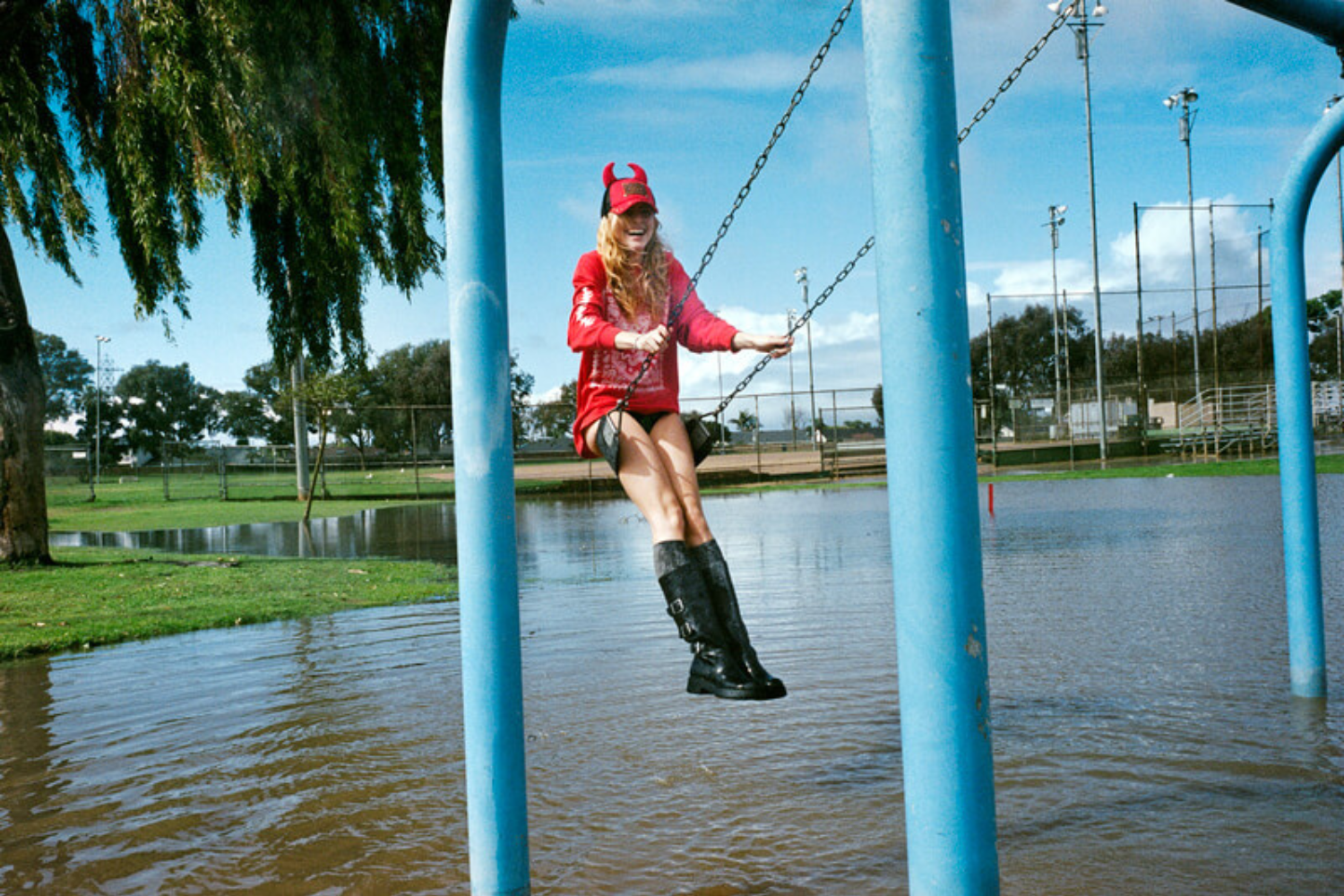
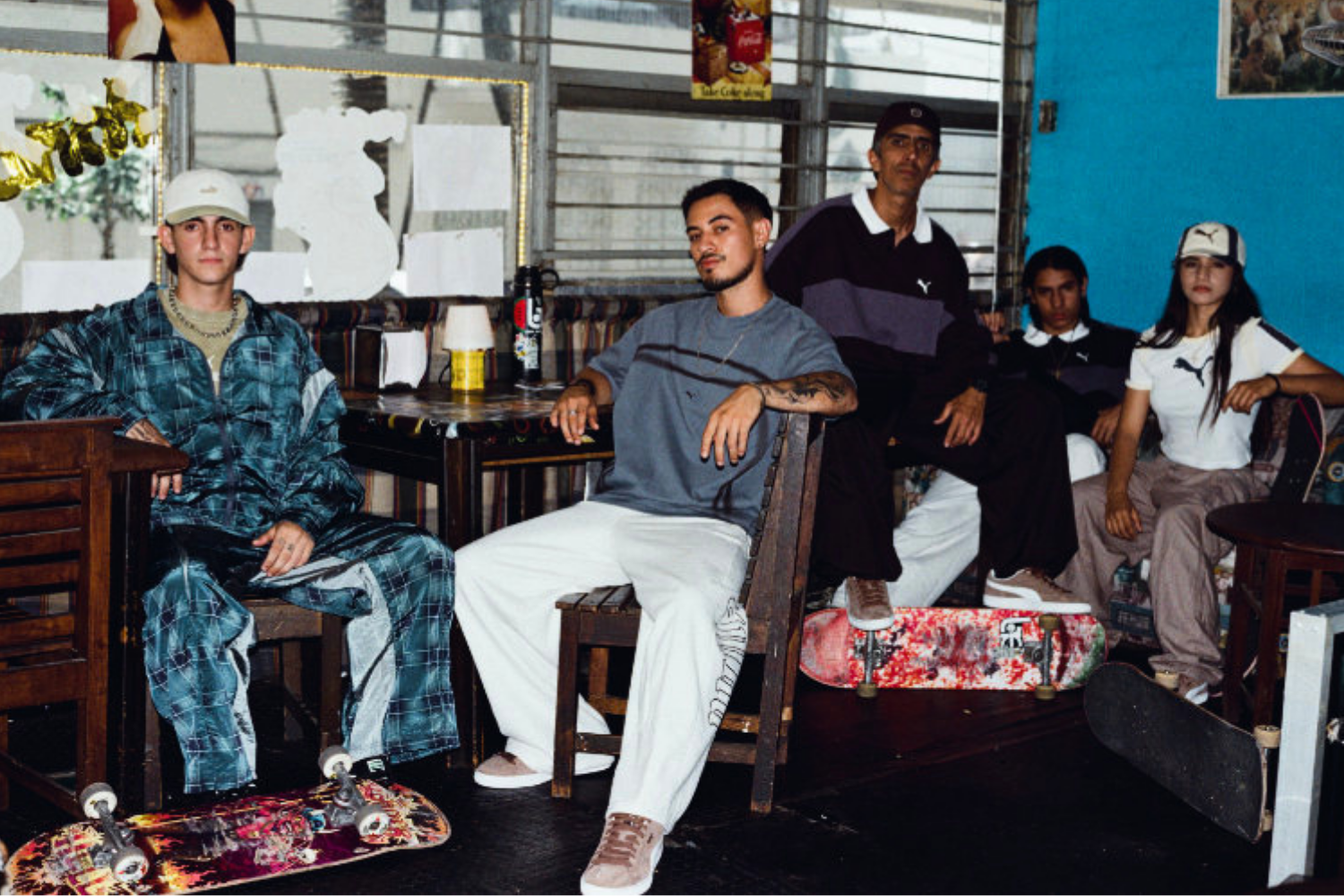
Some photographs tell you exactly what they want you to see. Raul Guillermo’s don’t. In Focus #003 looks at An Inherent Tear and the strange little performances we learn before someone points a camera at us.