
Saigon, Vietnam. Photography by Brice Gelot.French photographer Brice Gelot has spent over two decades documenting and exploring individuals and communities that often exist beyond the mainstream. Through invested time, proximity, and relationships, Gelot’s work captures connection and the layered complexities of the relationship between people and their environments. The rituals and moments that reveal how individuals create a sense of identity and belonging within their surroundings.
At the centre of this exploration is Straight Out The Hood, a long term body of work spanning cities including Paris, London, Naples, Los Angeles Saigon and Mexico City. We speak to Brice about his journey behind a camera, the responsibility of building trust and honouring relationships across vastly different communities, the lessons the street has imparted and why some of the most meaningful encounters are the ones that never become a photograph.
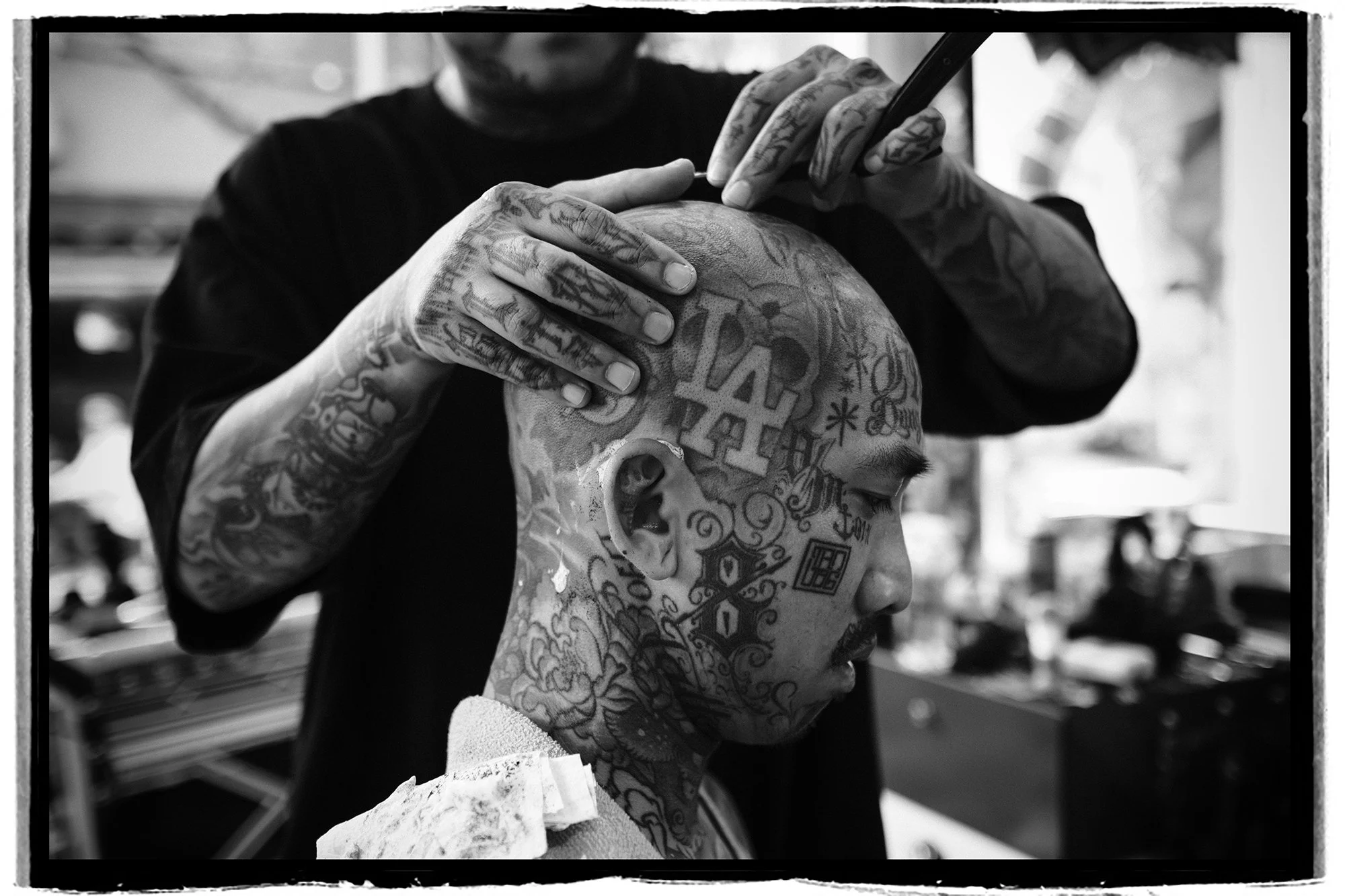
Saigon, Vietnam. Photography by Brice Gelot.MARIA MAUNG: What initially drew you to photography as a medium, and why did you choose skate and urban culture as your subject matter?
BRICE GELOT: I started photographing in 2004, through skateboarding. I spent time at a local skate shop, and photography became a way to document the people, places, and culture around me. I started with a Canon A1 and gradually found my own way of looking at the world.
Skateboarding introduced me to a particular way of seeing things. It taught me to pay attention to my surroundings, understand a place through the people who inhabit it, and recognise the stories that exist outside the mainstream. It was never just about the tricks or the action. It was about the people, their identities, their friendships and the world they built around their passion.
Over time, my photography moved beyond skateboarding, but that foundation has never really left me. I still approach photography from the street, with the same curiosity and respect for the culture. I am interested in people and realities that are often overlooked, misunderstood or represented through stereotypes.
For me, photography is a way to get closer to those realities and document them from within, rather than observing them from a distance.
Naples, Italy. Photography by Brice Gelot.MM.: Was there a key purpose, vision or intention initially when you started developing Straight Out the Hood as a major body of work? Was this something that evolved over time or the starting point that triggered inspiration?
BG: My photographic practice began in 2004, and Straight Out the Hood grew out of that long- term relationship with the street and the people I encountered through photography. It wasn't an idea that appeared overnight with a perfectly defined concept. It developed through years of experience, encounters, and a growing desire to document the realities of people living in environments often judged from the outside. What matters to me is going beyond the image that people already have in their minds. Certain neighbourhoods and communities are constantly associated with crime, poverty, violence or danger, while the everyday lives of the people who live there are often ignored.
I wanted to get closer to those lives and show something more complex, without pretending that the difficulties don't exist.
Today this project brings together different places, from Paris and London to Naples, Los Angeles, Saigon and Mexico City. Each environment has its own history, culture and social realities, so I don't approach them as interchangeable places. What connects them is my desire to spend time there, build relationships and photograph what I encounter without staging situations or using artificial lighting.
The project has evolved through experience, but its foundation remains the same: to let the street speak and to document people on their own terms.
Los Angeles, USA. Photography by Brice Gelot.MM: What compels you to drive the continuation of Straight Out the Hood as an evolving body of work?
BG: I'm still curious. There are always more people to meet, more stories and culture to discover and more realities to understand. The longer I work on this project, the more I realise that it cannot be reduced to a single place, a particular community or a fixed moment in time.Every city brings a different experience. You arrive with certain expectations, but the reality is always more complicated than what you imagined. You have to spend time there, listen, observe and accept that you won't necessarily understand everything immediately.
I'm also interested in the passage of time. People change, environments change, and the circumstances surrounding communities evolve. Returning to documentary photography over the long term allows me to build a body of work that goes beyond isolated encounters.
For me, Straight Out the Hood is not simply a series of photographs that I want to complete. It is a long-term commitment that continues to develop alongside my own life and photographic practice. As long as I feel there are people and realities worth documenting, I have a reason to continue.
Los Angeles, USA. Photography by Brice Gelot.MM: Was there a defining moment that led you to understand the true importance of building deeper connections with individuals and communities?
BG: I wouldn't say there was one defining moment. It has been a process of learning since I started photographing. In the beginning, like many photographers, you can be focused on the photograph itself: the composition, the light, the moment you want to capture. With experience, you understand that the photograph is only one part of the process.
The relationship behind it can be just as important. You cannot expect people to open their lives to you simply because you have a camera. Trust takes time, and it cannot be demanded. Sometimes it develops quickly; sometimes it takes months, and sometimes it never happens. You have to accept that.
I have learned that being present, being consistent and showing genuine interest matter far more than trying to force an encounter. People need to understand who you are, why you are there and what you are trying to do.
Photography has given me access to places and situations I would never have experienced otherwise, but I never want to take that access for granted. The people I photograph are not simply subjects in my work. They are individuals who have their own lives, experiences and perspectives, and I have to remain conscious of that responsibility.
Naples, Italy. Photography by Brice Gelot.
MM: Having been given the privilege and opportunity of access to these inner worlds and circles, what key lessons have you learned in navigating relationships, dynamics and overcoming setbacks or friction?
BG: The first lesson is that every environment has its own rules, and you cannot assume that what works in one place will work somewhere else. You have to observe, listen and understand the dynamics before trying to become part of them.
Trust is built through consistency. It is not enough to arrive, take photographs and leave. People need to see that you are serious about your work and that you respect their environment. I try to be straightforward about who I am and what I am doing, without pretending to be someone I'm not.
There are also limits, and those limits have to be respected. Sometimes people don't want to be photographed. Sometimes a situation changes, a relationship becomes complicated, or you realise that you cannot go further. You have to know when to step back. I work independently, often spending long periods preparing and working on location. That means making decisions on my own and taking responsibility for them. There is no formula that guarantees access or makes every situation easy.
The most important thing I've learned is that access is not ownership. Being welcomed into someone's environment doesn't mean you have the right to photograph everything. You have to remain attentive to the people around you and understand that the relationship matters beyond the image you might make.
Mexico City, Mexico. Photography by Brice Gelot.MM: Of all the chapters of Straight Out the Hood you have worked on, can you share some key experiences or moments that challenged you personally and professionally? How did they shape you or change your perspective?
BG: Working in different cities has taught me that you cannot arrive with a single method and expect it to work everywhere. Each environment requires time, patience and a willingness to adapt. One of the biggest challenges is learning how to navigate a place without relying entirely on your assumptions. You might arrive with an idea of what you want to document, but the most meaningful encounters often take you in another direction. You have to remain open to that possibility instead of trying to make reality fit your initial expectations.
There is also a personal challenge in working independently over long periods. You have to manage uncertainty, make decisions on your own and accept that some days will produce no photographs at all. Building relationships and understanding an environment cannot be rushed just because you have limited time.
These experiences have made me more patient and more conscious of my own position as a photographer. They have also reinforced the importance of not confusing a dramatic image with a meaningful one. I'm not looking for situations simply because they appear dangerous or spectacular. I'm interested in the reality of people's lives, including the ordinary moments that reveal something deeper about their circumstances.
Every chapter has reminded me that I am there to learn as much as to photograph. I don't want to arrive believing I already understand a place. I want the experience to challenge my perspective.
Los Angeles, USA. Photography by Brice Gelot.MM: Is there a common thread between the communities, scenes or individuals you have documented that resonates throughout each chapter? Is this something that you intentionally showcase?
BG: I think the common thread is the people themselves, rather than any particular visual identity or type of neighbourhood. The cities I've worked in are very different, and I don't want to erase those differences by forcing them into the same narrative. Each place has its own social, economic and cultural context. What interests me is how people live within those circumstances, how they build relationships, how they express their identities and how they find a sense of belonging.
There are realities that resonate across different environments: inequality, exclusion, economic pressure and the way certain communities are judged by people who have never taken the time to understand them. But I don't approach the project with the intention of proving that every place is the same.
I want the photographs to retain their individual meaning while allowing viewers to recognise connections for themselves. Sometimes those connections are visible in the way people interact; sometimes they emerge through gestures, spaces or everyday situations.
Ultimately, I'm interested in showing people as people. Not as representatives of a stereotype, and not simply as illustrations of a social issue. Their lives are more complex than the labels placed upon them, and I want the work to leave room for that complexity.
Mexico City, Mexico. Photography by Brice Gelot.MM: Is there a community you would love to document next and why?
BG: I'm interested in continuing to explore new cities and communities, while remaining open to where the project takes me. I have places I would like to work in and ideas I'm developing for the future, but I prefer not to announce specific destinations before they are confirmed.
What matters to me is finding an environment where I can spend enough time to understand its people and everyday realities. I don't want to travel somewhere simply to collect photographs or add another location to the project. The place has to make sense within the broader work, and I need to find a meaningful way to approach it.
I'd also like to continue documenting tattoo culture and the people connected to it. Tattoos can carry stories about identity, belonging, personal history and the communities people build around themselves. That interest has been part of my photographic practice for a long time, and there is still a lot I want to explore.
I'm not interested in treating the project as a checklist of cities or subjects. I'd rather follow the work where it leads and give each new chapter the time and attention it deserves.
Saigon, Vietnam. Photography by Brice Gelot.MM: Knowing everything you know and the journey you have taken to create Straight Out the Hood, what would you do differently if given the opportunity to do it all again?
BG: I don't know if I would fundamentally change the way I've approached the work, because the mistakes, difficulties and unexpected encounters have all contributed to the photographer I am today. If there is one thing I might change, it would be to give myself even more time. Photography often comes with the pressure to produce results, to make a strong image or to build a coherent series. But the deeper you go into a place, the more you understand that meaningful work cannot always be measured by the number of photographs you make.
I would also remind myself that not every encounter needs to result in a photograph. Sometimes the most important thing is simply being present, listening or recognising that a situation is not right for the camera. I've learned that the process matters as much as the final image. The relationships, the time spent observing and the moments that never become photographs all contribute to the way I understand a place.
I don't see the project as a straight line towards a finished result. It is something that develops through experience, and I think accepting that uncertainty is part of being a documentary photographer.
Mexico City, Mexico. Photography by Brice Gelot.MM: How has your photographic style/aesthetic evolved with each chapter, and how do you see it changing with future chapters and new projects?
BG: My approach has evolved through experience, but I have always been drawn to a direct, unpolished way of photographing. I work with natural light, without flash or artificial lighting, and I don't stage situations. I want the photographs to retain the atmosphere of the places and moments in which they were made.
Black-and-white film has played an important role in my practice. I originally worked with it partly because it was more affordable, but over time it became a language I felt comfortable with. I appreciate its grain, its tonal range and the way it can direct attention towards gestures, expressions and relationships. At the same time, I don't restrict myself to analogue photography or black and white. The medium depends on the work and the situation.
As I've developed Straight Out the Hood, I've become increasingly interested in the relationship between the individual photograph and the wider body of work. An image can be powerful on its own, but its meaning can change when it sits alongside other photographs, creating connections between people, environments and experiences. I don't know exactly how my style will evolve in the future, and I don't want to decide that in advance. I would rather allow the places, the people and the experiences to influence the work. The tools and visual language may change, but I want to preserve the same commitment to direct observation, proximity and honesty.
Los Angeles, USA. Photography by Brice Gelot.MM: What's coming up for you next that you are excited about or deeply inspired by?
BG: My main priority is to continue developing Straight Out the Hood. It is a long-term project, and I see it continuing into new cities and environments as the work evolves. Alongside that, I want to keep exploring tattoo culture and the people living on the margins of society, while continuing to develop other photographic projects. These interests are connected by a broader curiosity about identity, belonging and the ways people navigate the world around them.
I'm also interested in the different ways the work can be experienced, whether through exhibitions, publications or editorial features. Photography doesn't stop when the image is made. The way photographs are brought together, presented and shared can create new conversations and allow people to engage with the work from different perspectives.
There are ideas I'm developing for 2027 and beyond, but I prefer to let them take shape before making specific announcements. For now, I'm focused on continuing the work, meeting people and remaining open to the opportunities and encounters that come along the way.
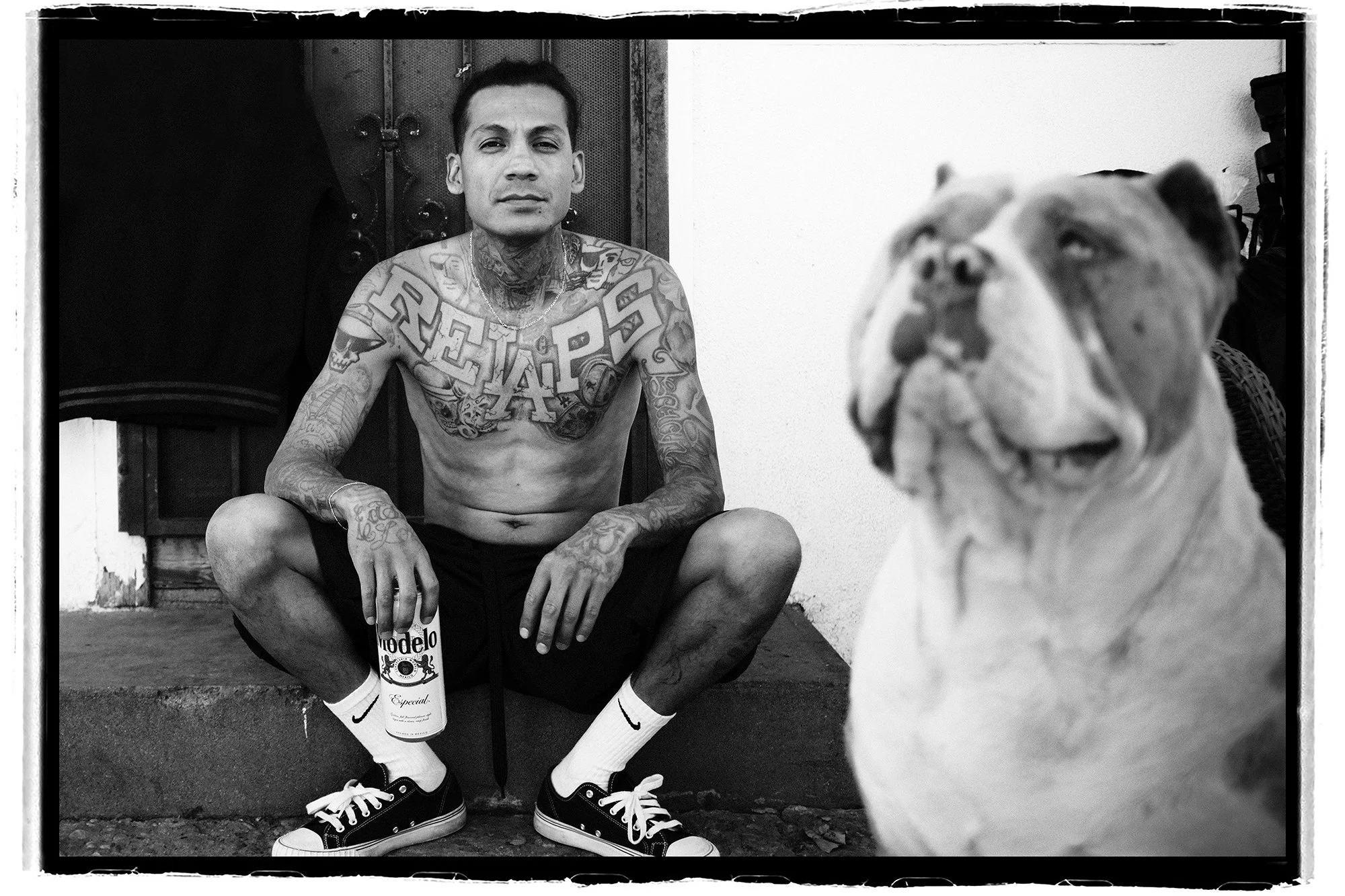
Los Angeles, USA. Photography by Brice Gelot.MM: Where can we discover more of Straight Out the Hood and more of your work?
BG: You can discover Straight Out the Hood and more of my photographic work on my website www.nsd5150.com, and on Instagram at @bricegelot.
The website brings together my broader photographic practice, including Straight Out the Hood and other long-term projects. I also develop my self-published photobooks as another way of presenting and sharing my work.
For me, the photographs are the starting point. I hope people take the time to look at the images, engage with the people and places they represent, and form their own understanding of the realities documented in the work.
Mexico City, Mexico. Photography by Brice Gelot.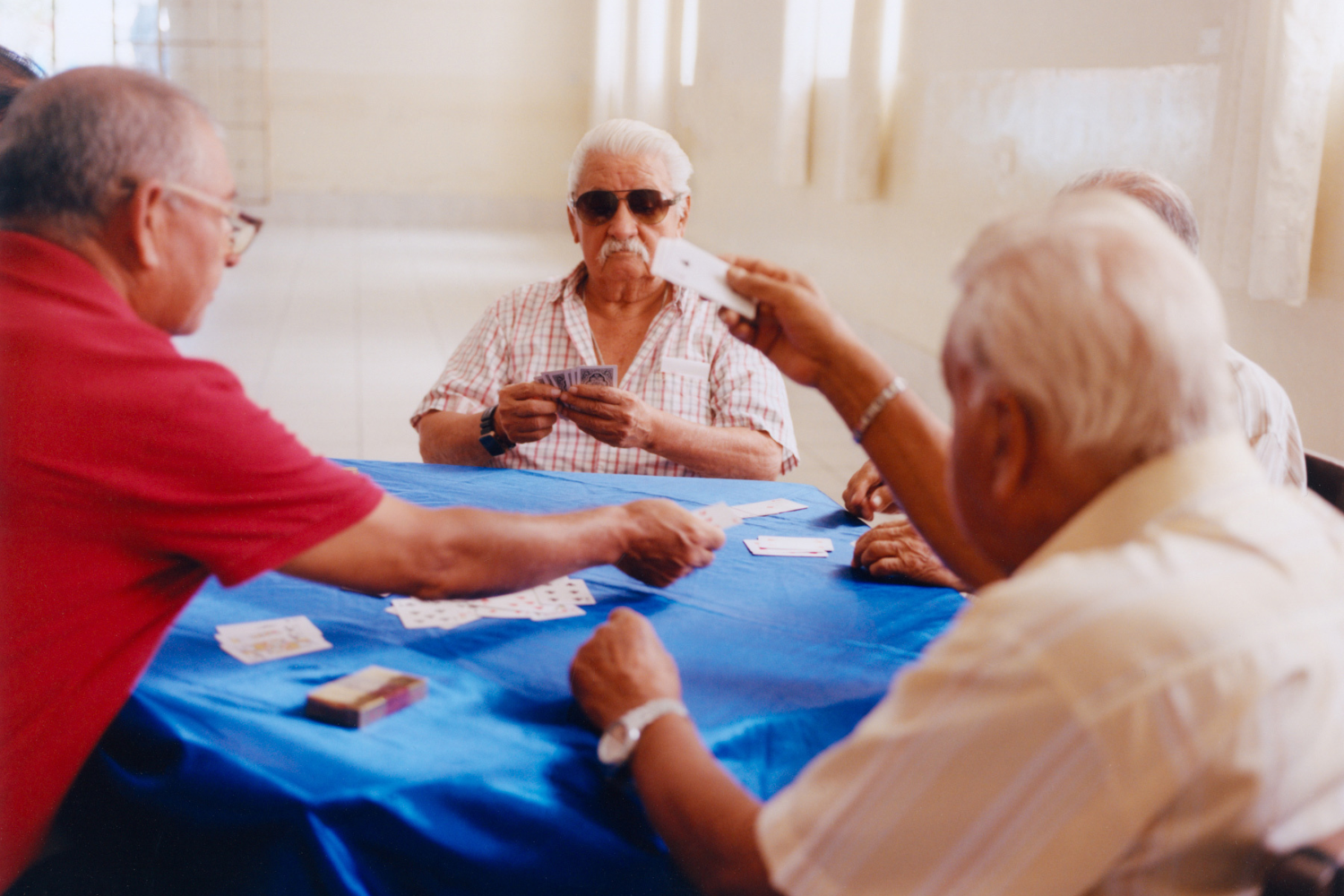
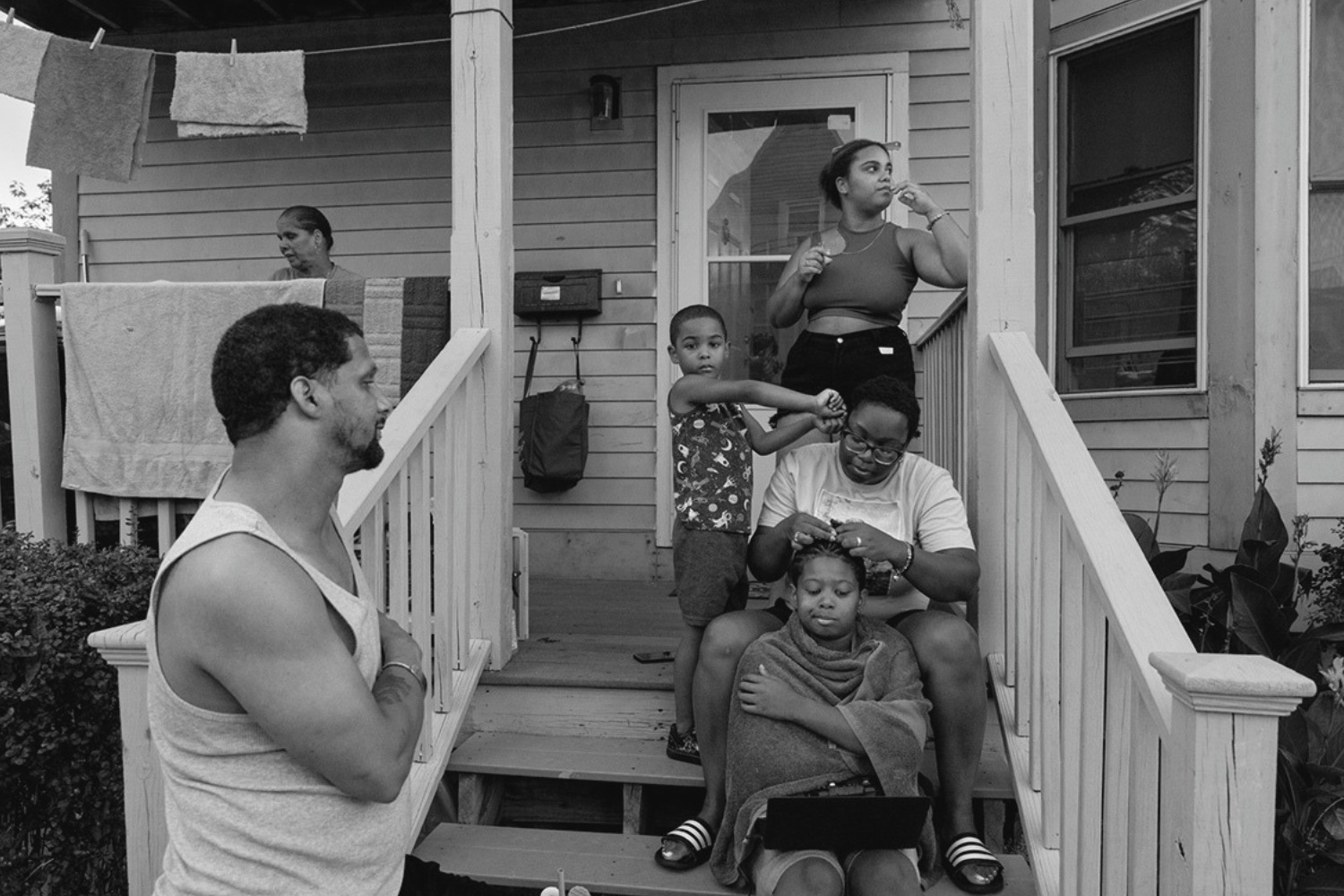
We interviewed French photographer Brice Gelot about Straight Out the Hood, the trust behind his photographs and the encounters that reveal identity and belonging beyond the mainstream.