
Tomorrow Never Comes: Ed Templeton Is Still Looking.
Some photographers photograph youth; others were actually there.
Ed Templeton belongs firmly to the latter.
Skateparks. Motel rooms. Airports. Suburban streets. Kids smoking, kissing, fighting, waiting around, getting bored, getting drunk, falling in love and generally doing all the things you do when you’re young and haven’t yet learned that you’re supposed to be embarrassed by any of it.
Templeton has spent decades pointing his camera at this strange territory.
Now some of that world has landed in Barcelona.
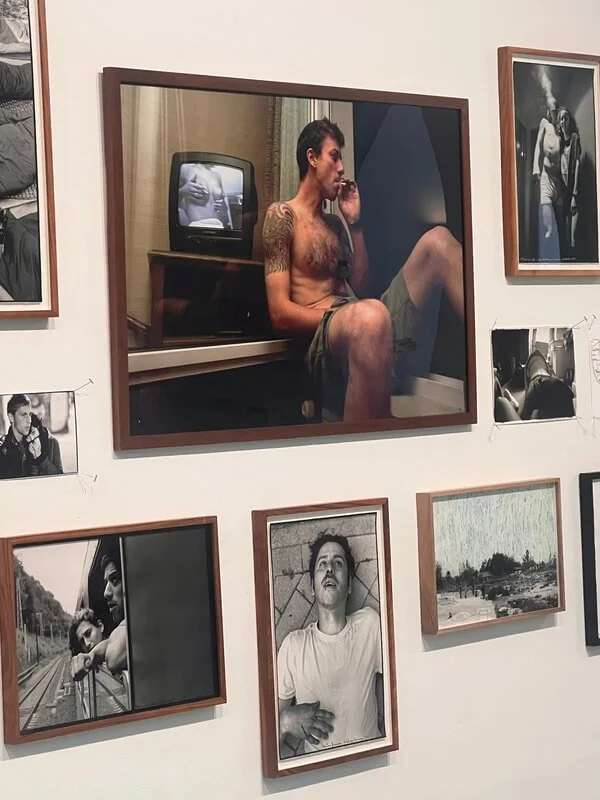
Tomorrow Never Comes, presented at Espai Metrònom from 10 to 20 September, brings together photographs from across Templeton’s career alongside new work photographed in Huntington Beach for the latest Aries and Bershka collaboration. Developed with Foto Colectania and curated by its director Elisa Medde, the exhibition isn’t really a retrospective. It feels more like opening several boxes of photographs taken twenty years apart and discovering they've somehow been talking to each other the whole time.
And that’s where Templeton gets interesting.
He doesn’t photograph youth like an anthropologist watching a fascinating new species through protective glass. He photographs from inside it.
That’s partly because he originally got his camera from skateboarding.
Templeton was a professional skateboarder before the art establishment had much reason to know his name. The people he photographed were his friends, fellow skaters, strangers he met while travelling, and whoever happened to be standing around when something caught his eye.
Eventually he started photographing everything.
The skating mattered, obviously. But so did the van ride afterwards. The shit hotel room. Someone staring out of a window. An airport. A face. A bad haircut. The moments where apparently nothing was happening.
Those became the pictures.
His long-running Wires Crossed project documented more than two decades of skate culture, but importantly, Templeton wasn’t particularly interested in producing an endless archive of tricks. He turned his camera towards everything surrounding them: friendship, travel, sex, boredom and the strange intimacy created when young people spend ridiculous amounts of time together.
It’s the stuff between the important stuff.
Which, eventually, you realise was the important stuff.

CALIFORNIA, AGAIN
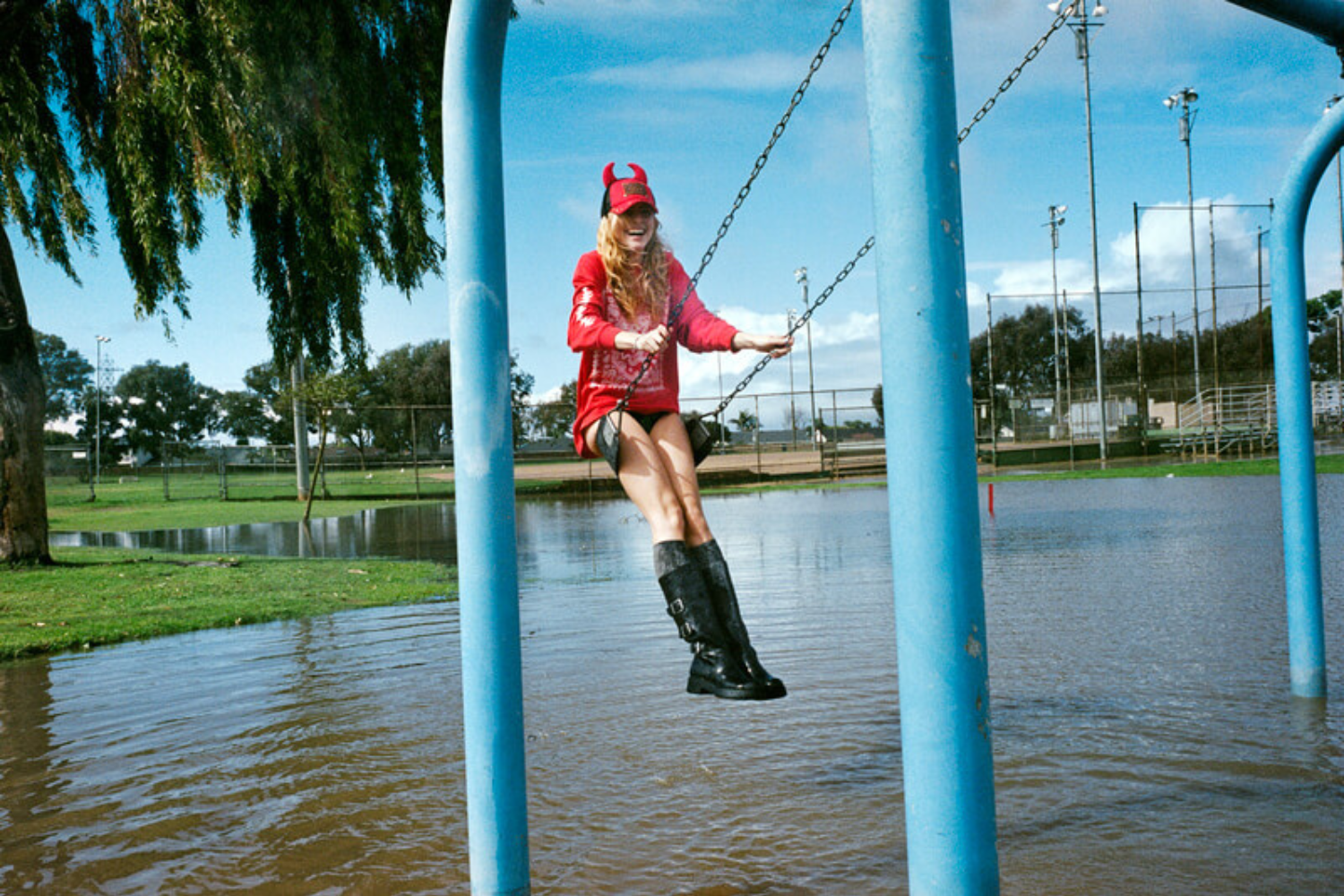
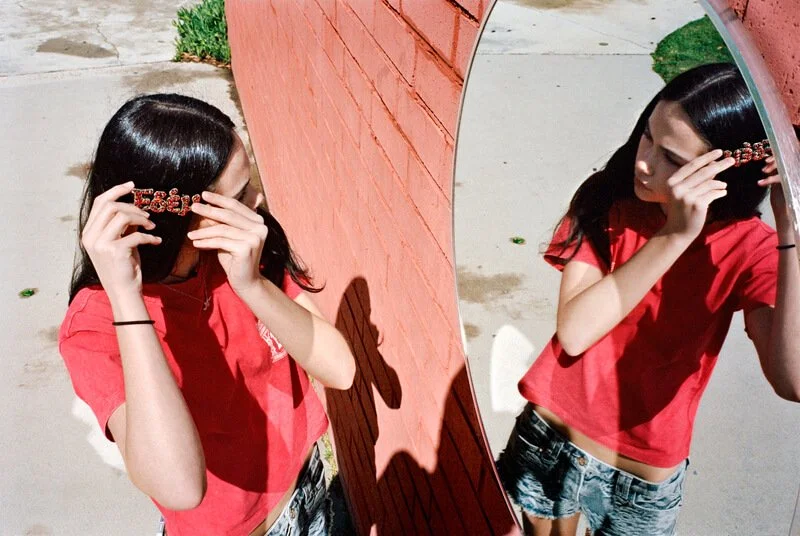
For the latest chapter, Templeton returned to Huntington Beach, California, in February to photograph Eδέμ, the Aries and Bershka campaign.
Huntington Beach isn’t incidental to the story.
This is Templeton territory.
Southern Californian suburbia has been running through his photographs for decades. Manicured lawns, endless roads, teenagers, religious signs, beach culture and all the strange little contradictions hiding beneath the promise of the Californian good life.
For Eδέμ, Aries and Bershka take the story of Adam and Eve and turn it towards adolescence: innocence giving way to curiosity, desire and whatever comes after you’ve discovered there’s a world beyond the garden.
Templeton photographs it without making youth look too clean.
Thank God.
Fashion has a habit of sanitising rebellion once somebody works out how to sell it. Templeton’s pictures resist that because his visual language was built long before this particular campaign arrived.
The clothes enter his world rather than Templeton entering theirs.
That’s an important distinction.
Tomorrow Never Comes places these new commercial photographs beside work from Wires Crossed, Suburbia, Templeton’s archive and more recent images made in Barcelona. The campaign isn’t hidden in another room pretending commerce and art have never met before. Instead, the exhibition deliberately asks what happens when they occupy the same wall.
Sometimes they rhyme.
A gesture from twenty years ago suddenly appears again. A teenager in California carries the same nervous energy as somebody photographed years earlier. Different clothes. Different haircut. Different phone in their pocket.
Same animal.
TOMORROW NEVER COMES
There’s something appropriately cruel about photographing young people.
You press the shutter, and they’re immediately older than the person in the photograph.
Templeton has essentially been building an archive of that disappearance for decades.
The title Tomorrow Never Comes plays with the idea of being present rather than permanently waiting for whatever comes next. It’s particularly fitting for photographs about adolescence because nobody really understands how temporary youth is while they’re busy living through it. (Fucking Young!)
You think there will always be another summer. Another night. Another tour. Another stupid afternoon sitting around doing absolutely nothing with your friends. Then suddenly you’re looking at a photograph of it.
That’s why Templeton’s quieter images can hit harder than the spectacular ones. He understands that memory rarely behaves like a highlight reel. The things that stay with us are often completely useless details.
The carpet in someone’s bedroom. The light outside a motel. Someone’s expression in the passenger seat. The friend standing beside you who you haven’t spoken to in fifteen years.
Photography is very good at keeping those things after we’ve forgotten them. Templeton seems to understand that instinctively.
He’s still photographing with film. He’s also photographing with an iPhone. The equipment changes, but the compulsion hasn’t. He sees something, something in him reacts, and he takes the picture. (Fucking Young!)
Simple. Or at least it looks simple. The difficult part is knowing what deserves your attention. Templeton has spent most of his life figuring that out.
And perhaps that’s why the photographs still work. They’re not desperately trying to tell us what youth means. They’re just collecting evidence that it happened.
Messy, horny, bored, beautiful, stupid, occasionally dangerous and over far too quickly.
Tomorrow never comes. Luckily, somebody brought a camera.


Some photographs tell you exactly what they want you to see. Raul Guillermo’s don’t. In Focus #003 looks at An Inherent Tear and the strange little performances we learn before someone points a camera at us.