
In Focus #003: Before We Learn to Look Away.
I spend a ridiculous amount of time looking at photographs. Occupational hazard.
Most disappear almost immediately. Beautiful light, beautiful person, technically perfect, next.
Then every now and again something makes me stop.
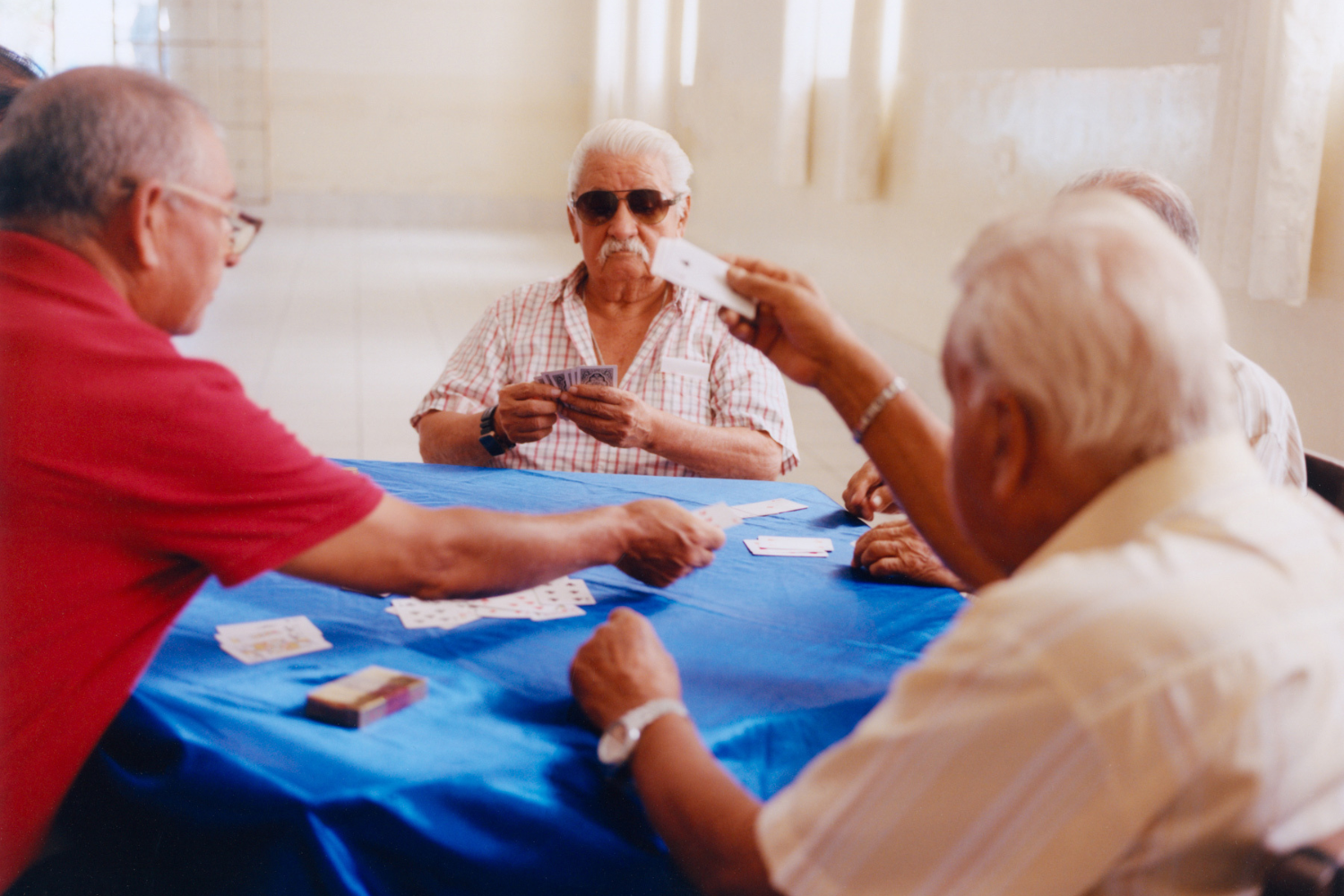
Raul Guillermo’s photographs did.
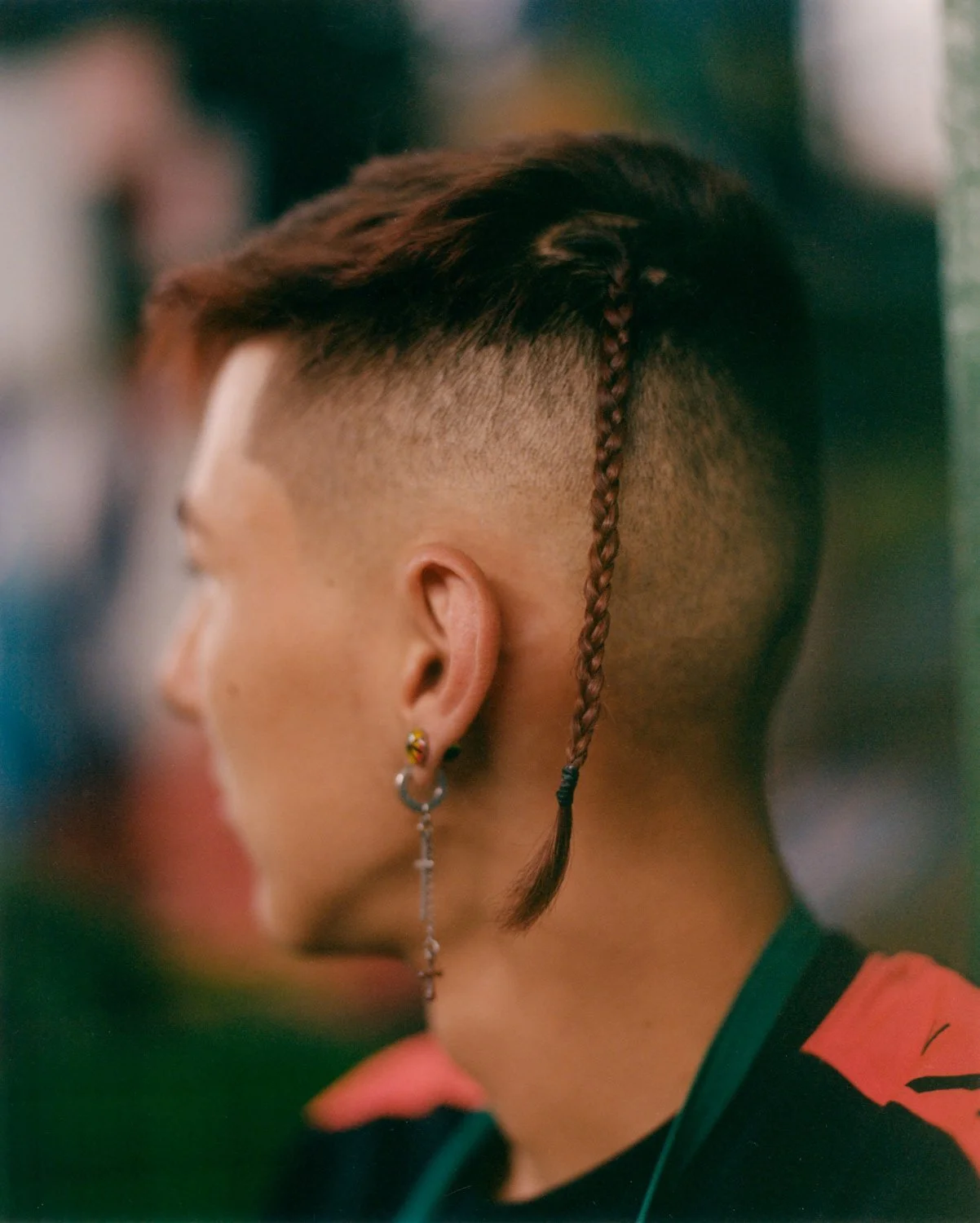
Not because they’re shouting particularly loudly. Quite the opposite. Something about how quiet they are feels uncomfortable. A face, a body, an empty patch of land, somebody standing somewhere without appearing to know what they’re supposed to be doing for the camera.
I like that. We have become very good at being photographed.
We know our angles. We know where to put our hands. We know which version of ourselves belongs on Instagram, LinkedIn, Hinge or wherever else we’ve decided to advertise ourselves that afternoon.
Guillermo’s photographs seem interested in the moment before all of that.
Before somebody fixes their face. Before the shoulders straighten. Before being looked at turns into performing.
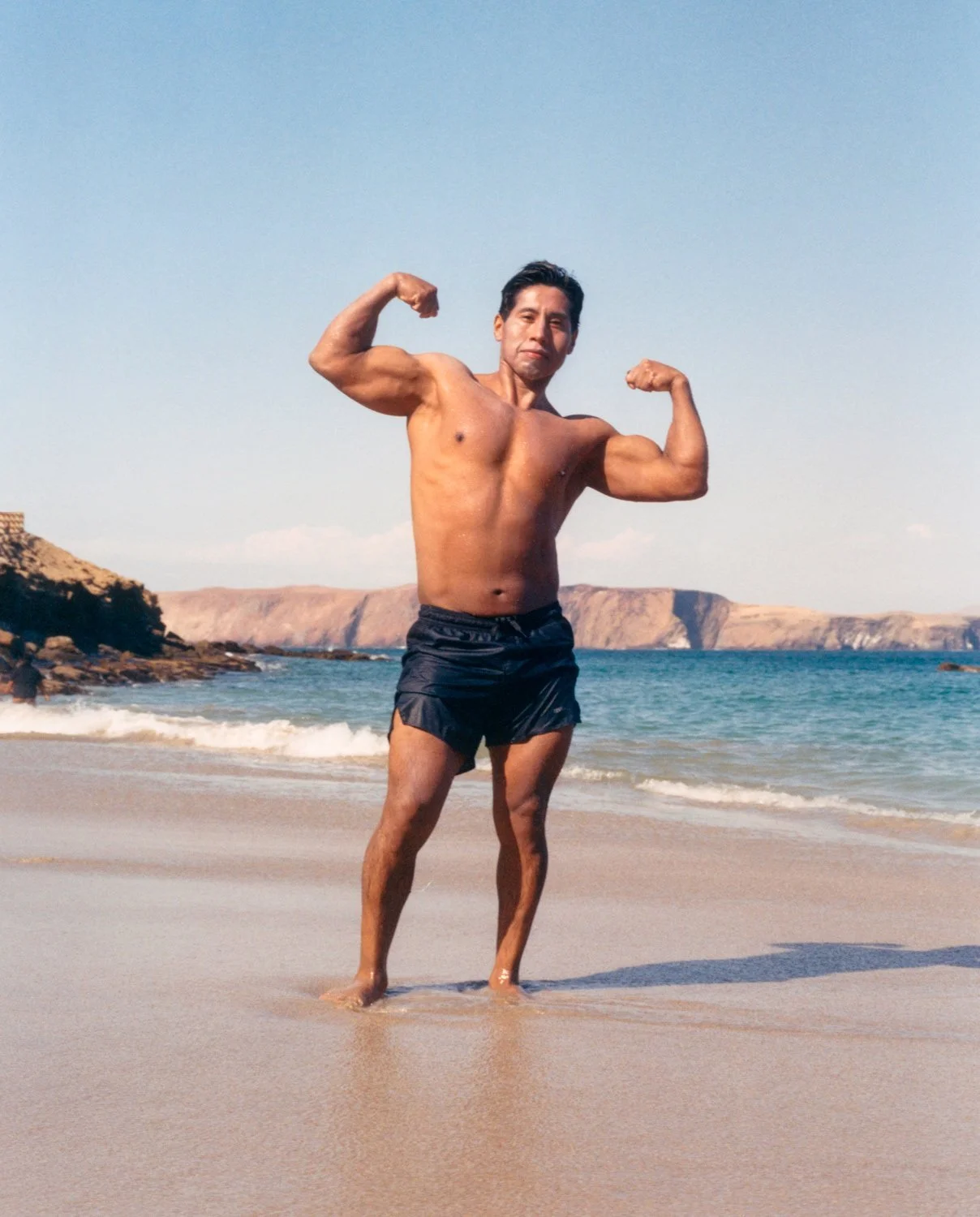
And particularly, before men remember they’re supposed to look like men.
DON’T SMILE
Men receive certain instructions without anyone formally giving them.
Stand up straight. Shake his hand properly. Don’t carry on. You’ll be alright. Don’t cry. Some are harmless. Some aren’t. Most become so ordinary that you stop noticing them.
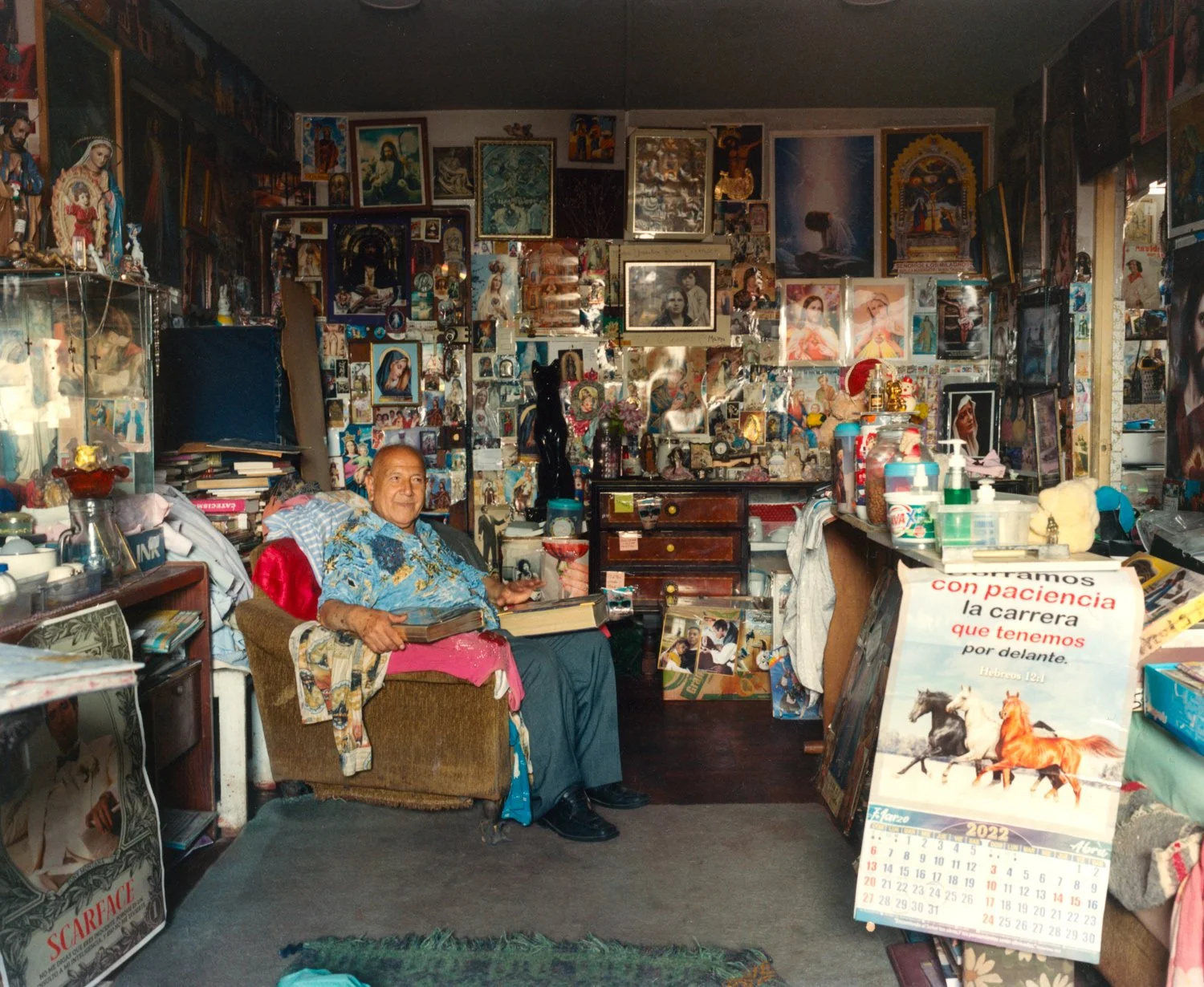
Guillermo grew up in Lima, Peru, and something of that world inevitably lives inside these photographs. Family, Catholicism, class, geography, machismo, fathers, grandfathers, sons. But reducing the work to a study of Peruvian masculinity feels too tidy.
I don’t think these photographs are tidy. That’s why I like them.
His ongoing series An Inherent Tear circles masculinity without trying to pin it to the wall and label every part.
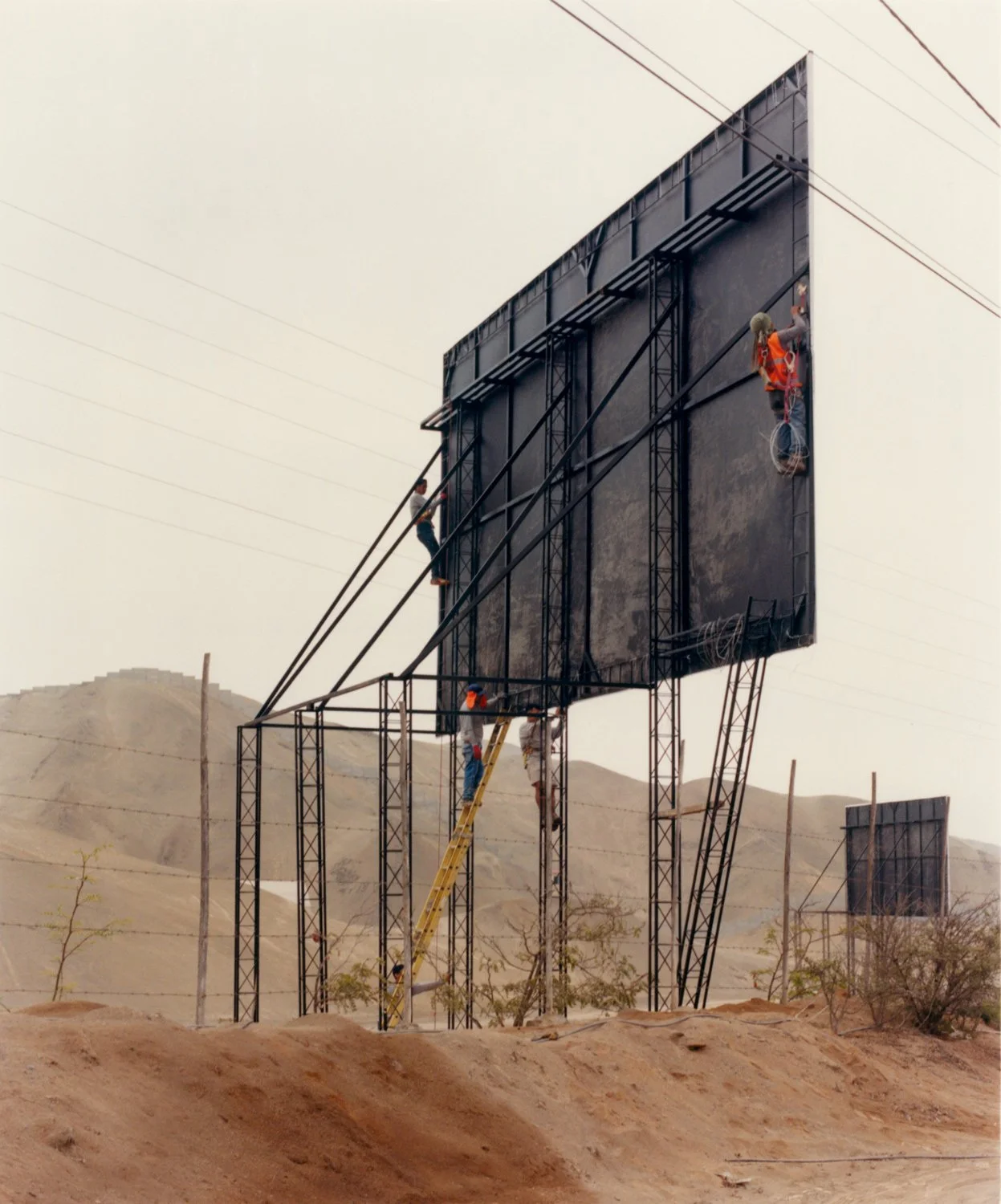
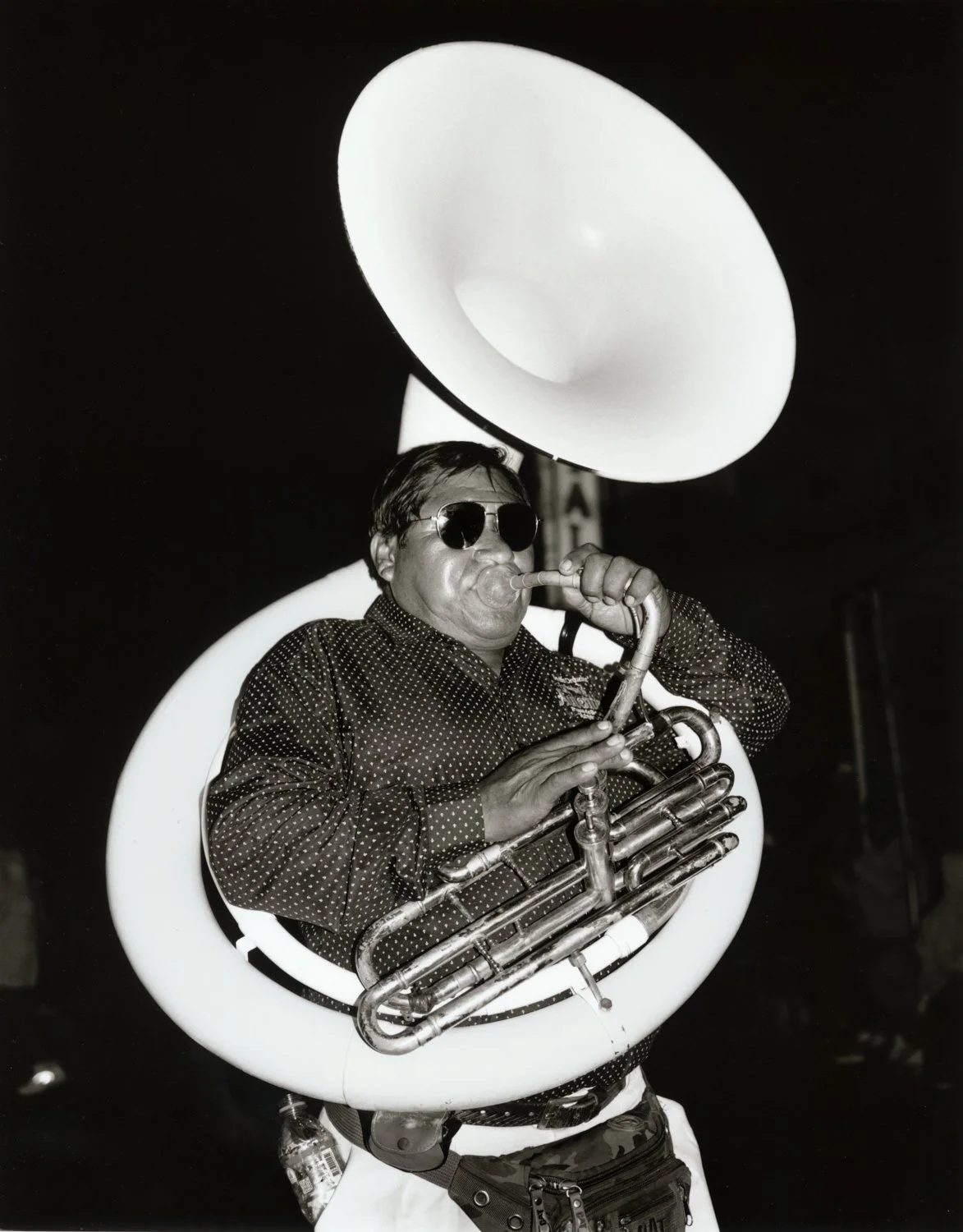
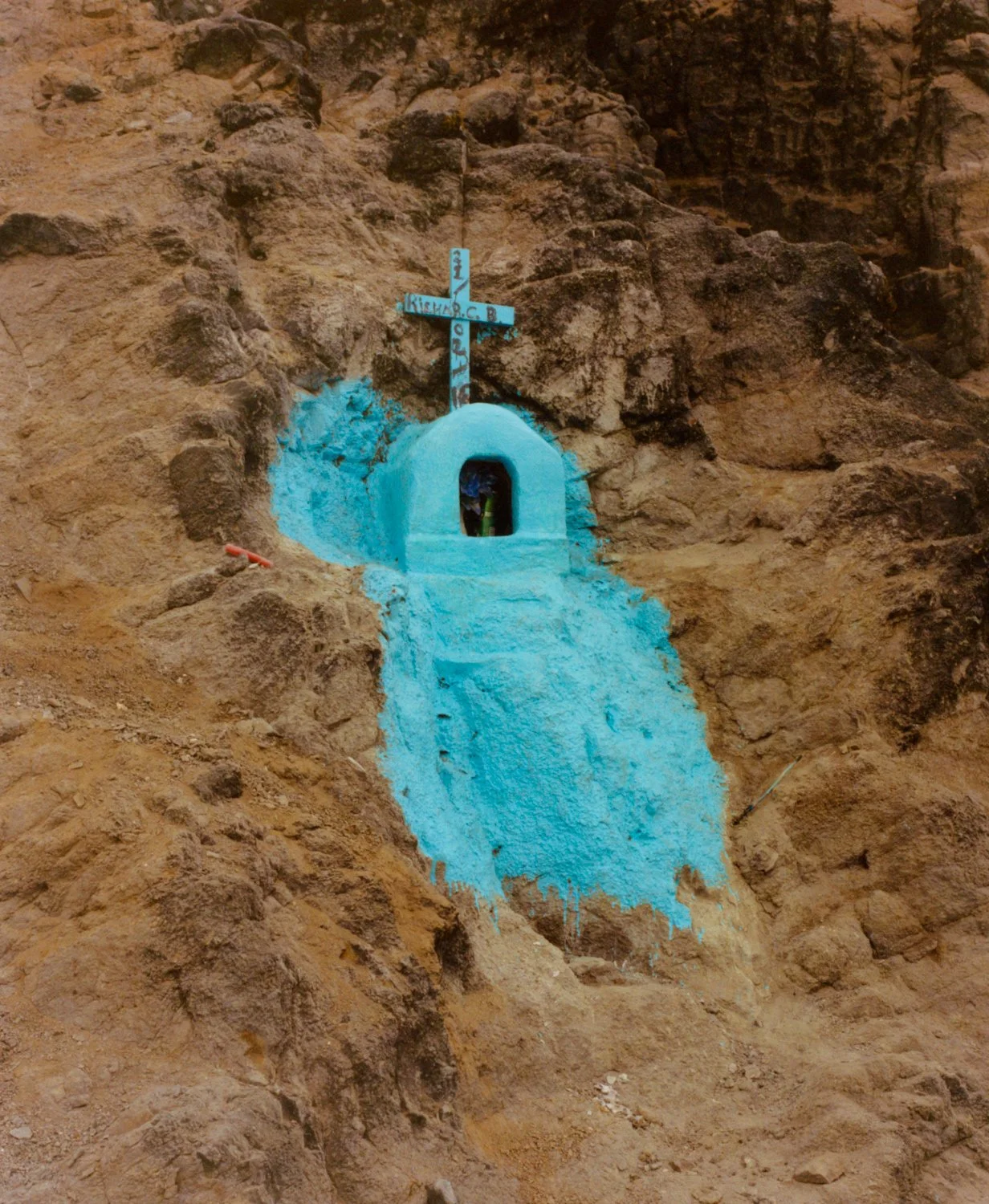
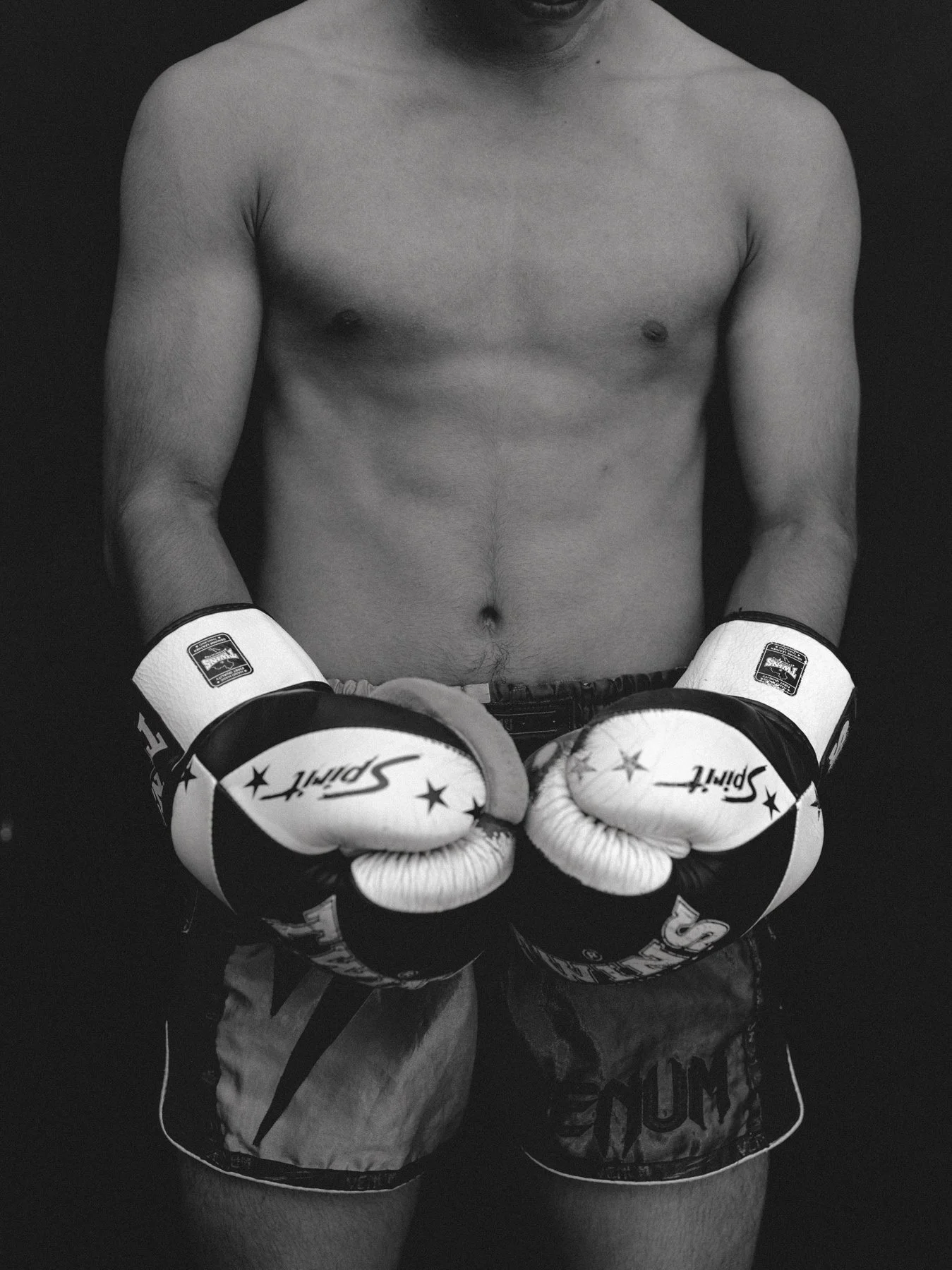
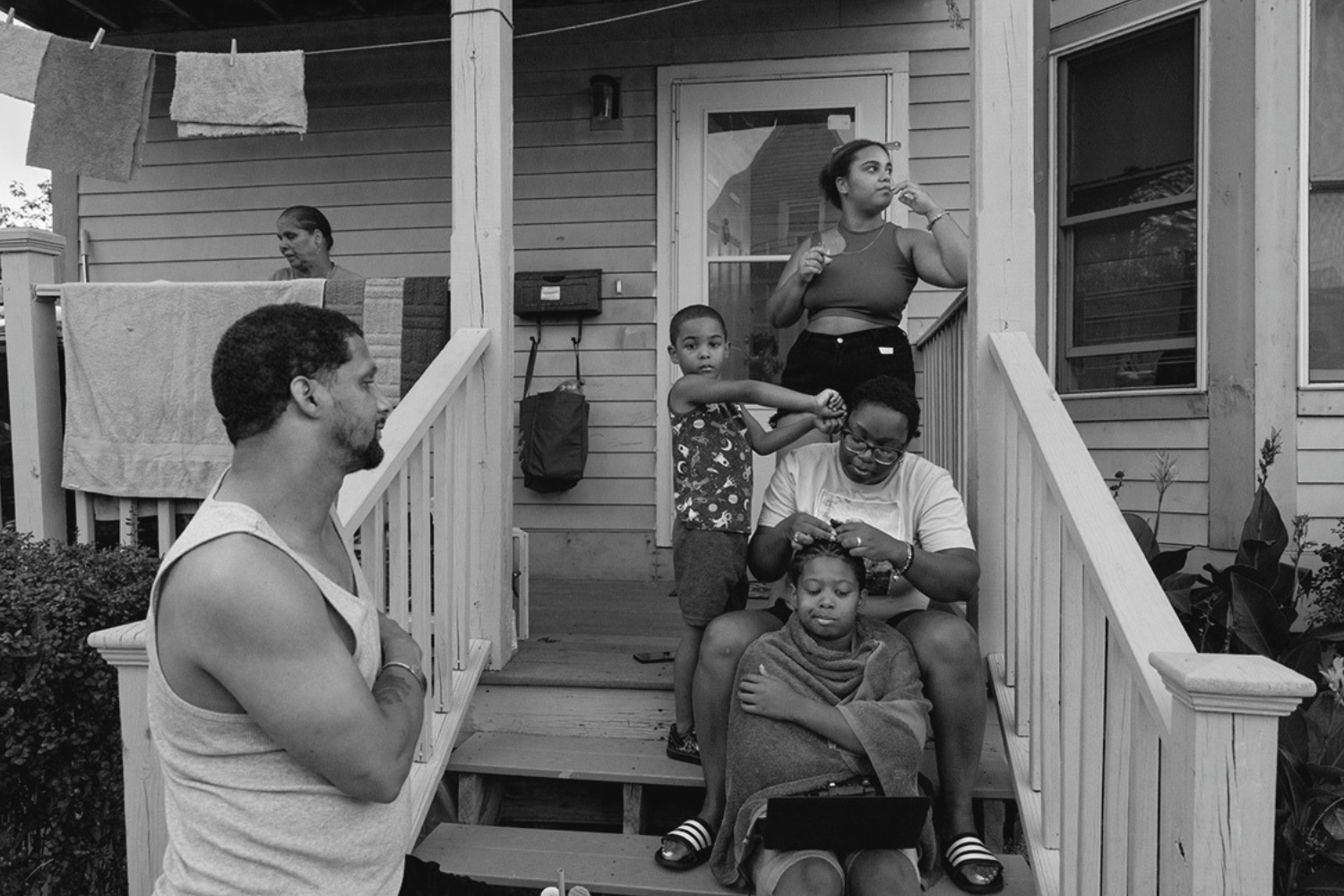
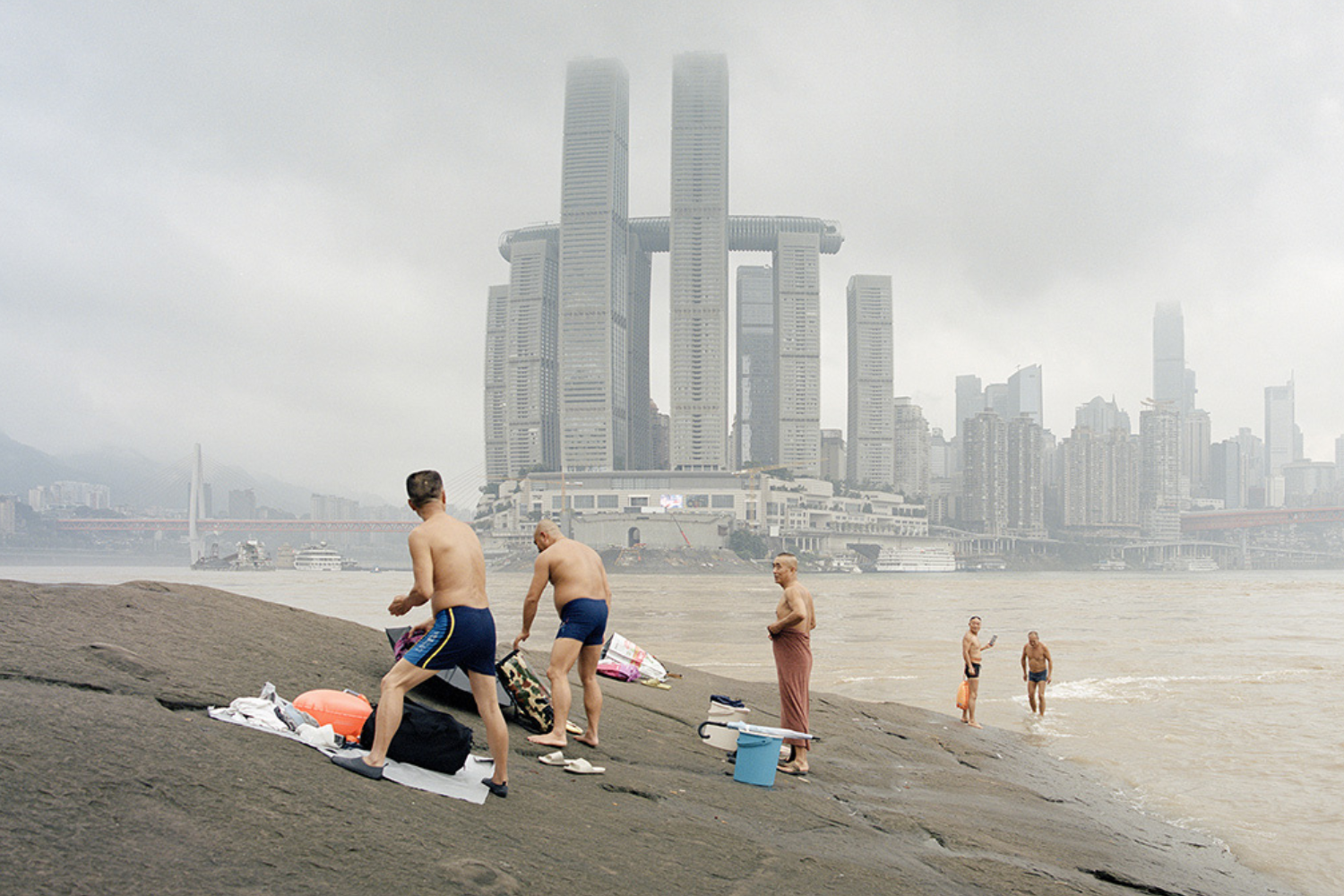
A young man can look powerful in one frame and completely lost in another. A body can be beautiful without becoming heroic. A landscape can feel tender. Something ordinary can suddenly become threatening. There isn’t much certainty here. There is plenty of looking.
THE BODY GIVES YOU AWAY
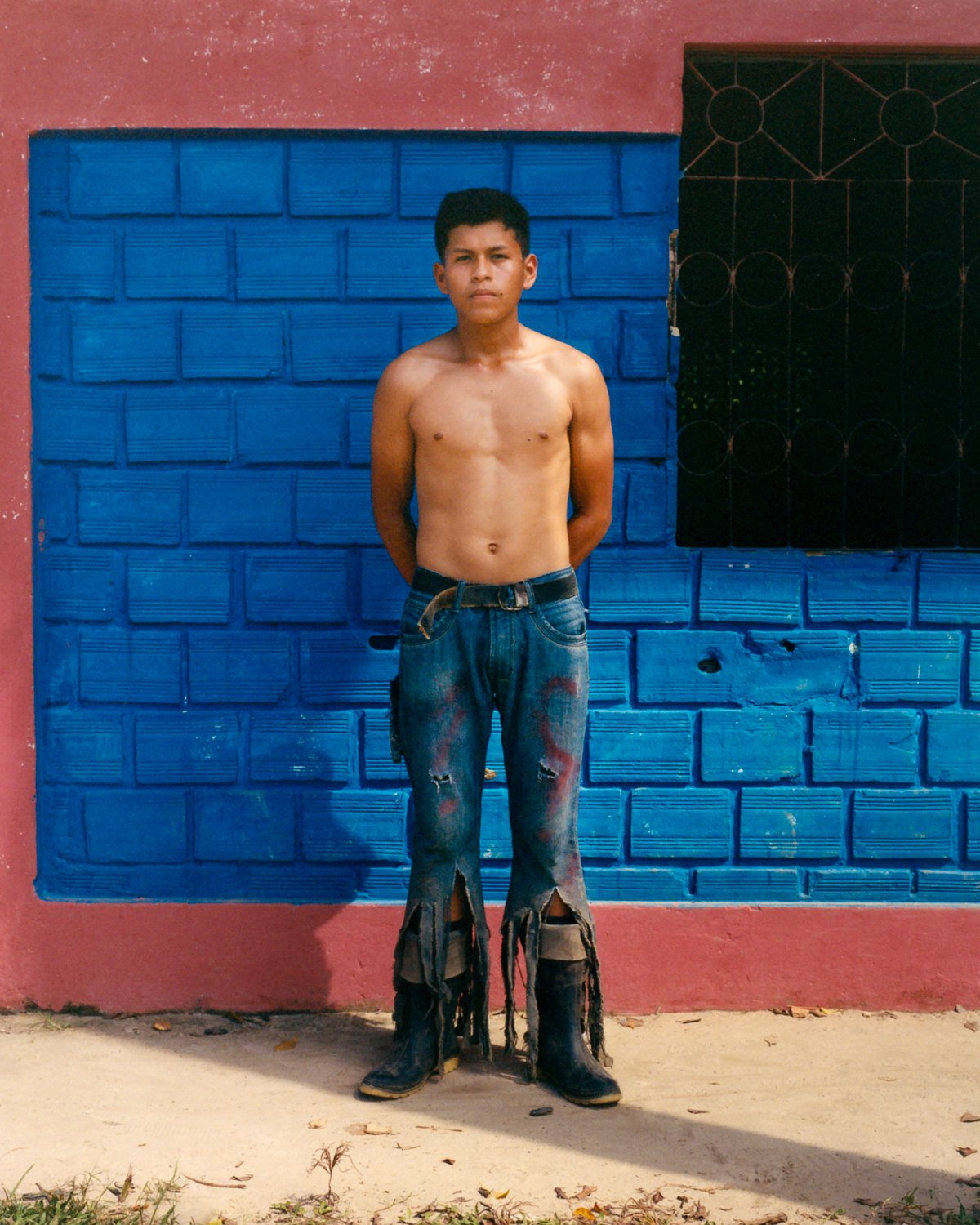
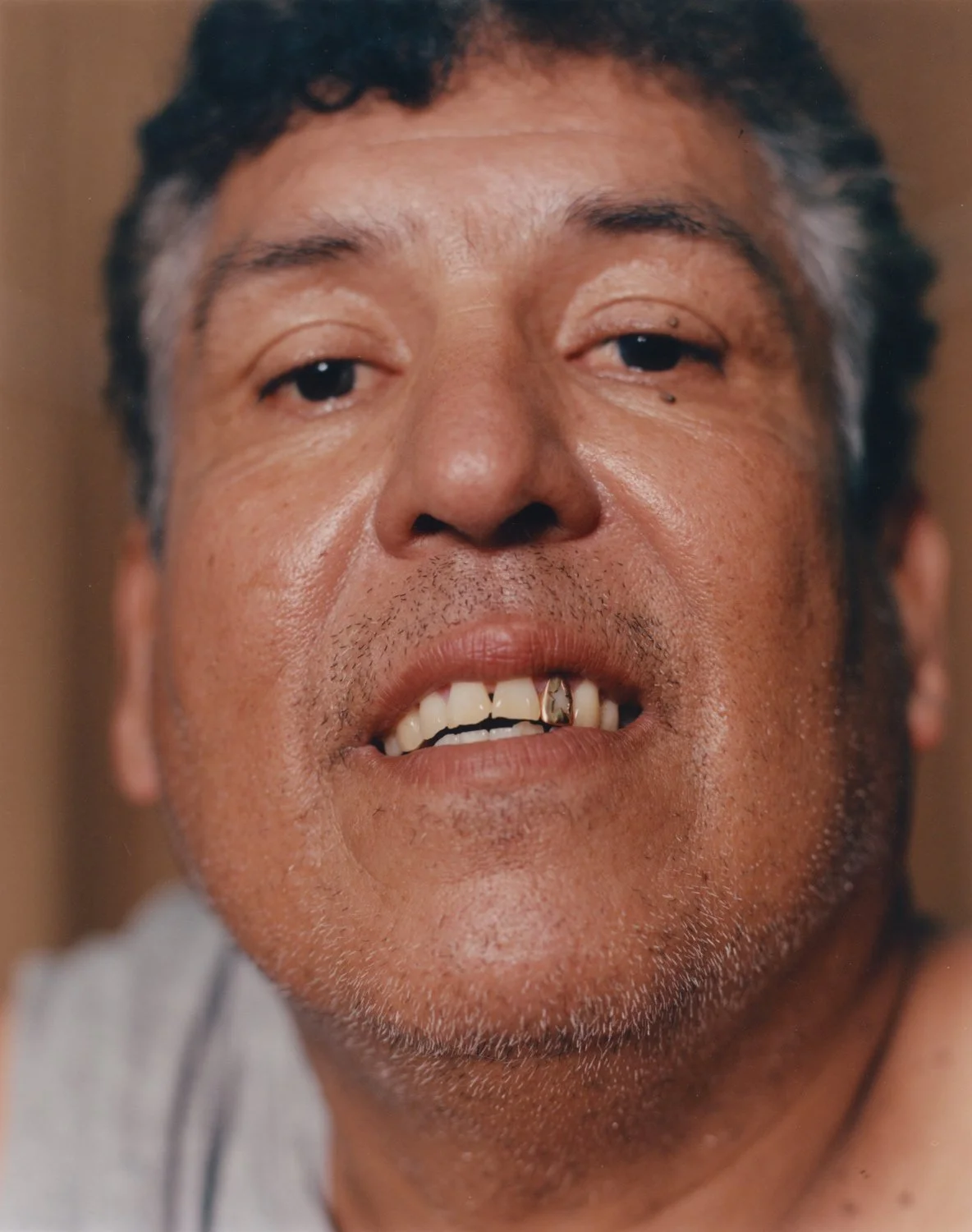
I’ve photographed people for most of my life, and the body always tells you more than the face.
Faces lie beautifully. Bodies are terrible at it. A hand clenches. A shoulder moves forward. Someone puts just a little too much weight into one leg. A chest expands when another man enters the room.
Someone who has spent ten minutes telling you they’re completely relaxed is gripping the chair like the plane is going down. The camera sees it. Guillermo seems particularly tuned into those small betrayals.
His portraits don’t feel like they’re trying to expose anyone. There’s no photographic ambush here. He’s simply allowing enough time for something to slip through.
That something might be tenderness. It might be insecurity. It might be pride. It might be absolutely nothing. Not every photograph needs a diagnosis. Sometimes a person standing in front of you is enough.
PERU IS THERE
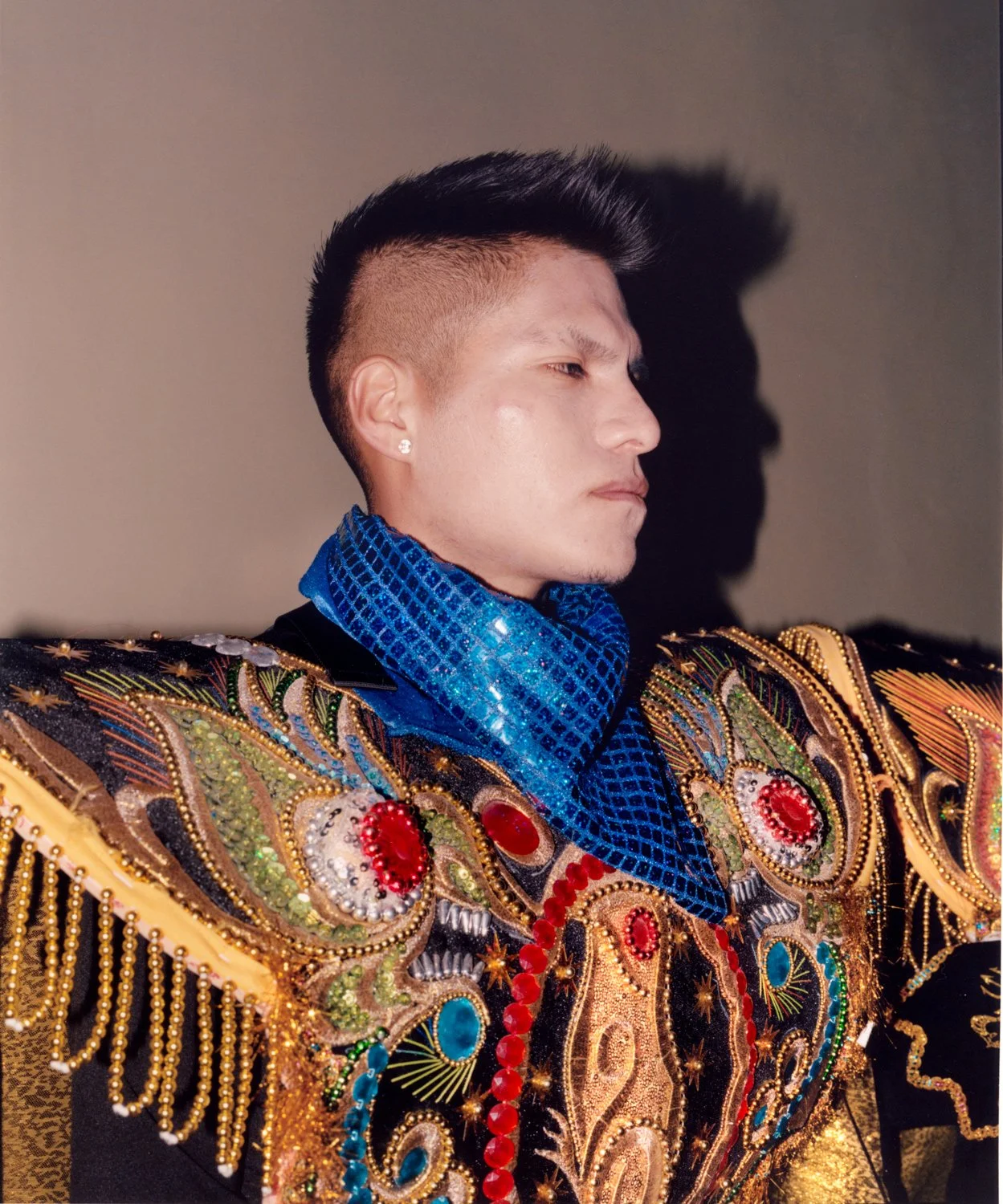
Of course, place matters. It always does. Guillermo’s Peru isn’t presented like a travel brochure, and it isn’t reduced to exotic visual shorthand either. It sits underneath the work.
In the landscape. In religion. In family. In architecture. In the particular ways men occupy public and private space.
But what makes the photographs travel beyond Peru is that the behaviour feels strangely familiar. Different country. Different language. Same little theatre.
Men performing for other men. Men performing for women. Fathers performing for sons. Sons learning the lines.
And somewhere underneath all of it, an actual person trying to work out which parts belong to him. That’s where the work gets me.
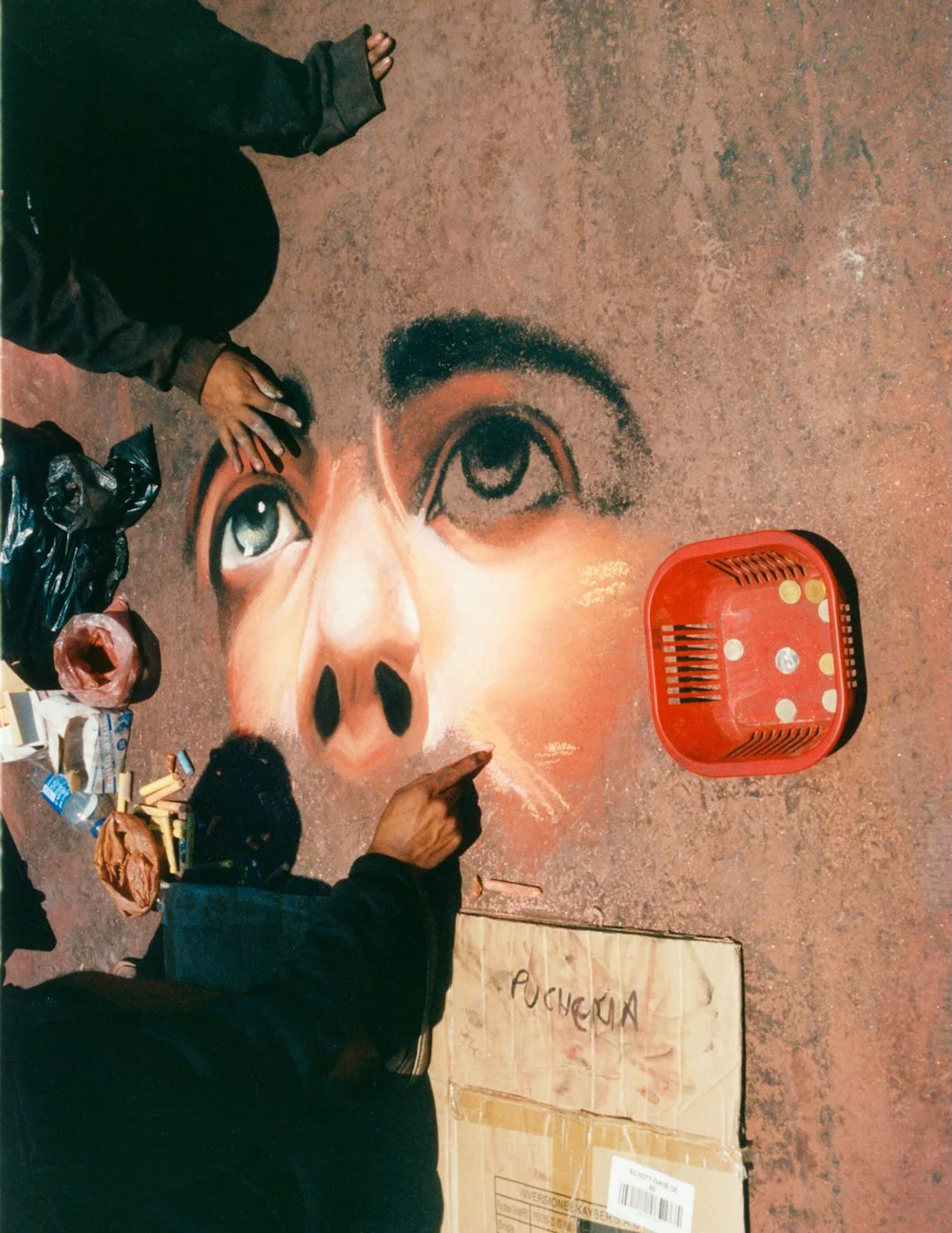
THE PHOTOGRAPH DOESN’T HAVE TO ANSWER
We’re living through a strange period for photography.
There are more photographs being made than at any point in human history, and somehow we’re becoming less tolerant of photographs we don’t immediately understand.
Everything needs context. A caption. A statement. A carousel explaining the carousel. Sometimes I just want the photograph to sit there and make me uncomfortable. Guillermo gives his pictures that space.
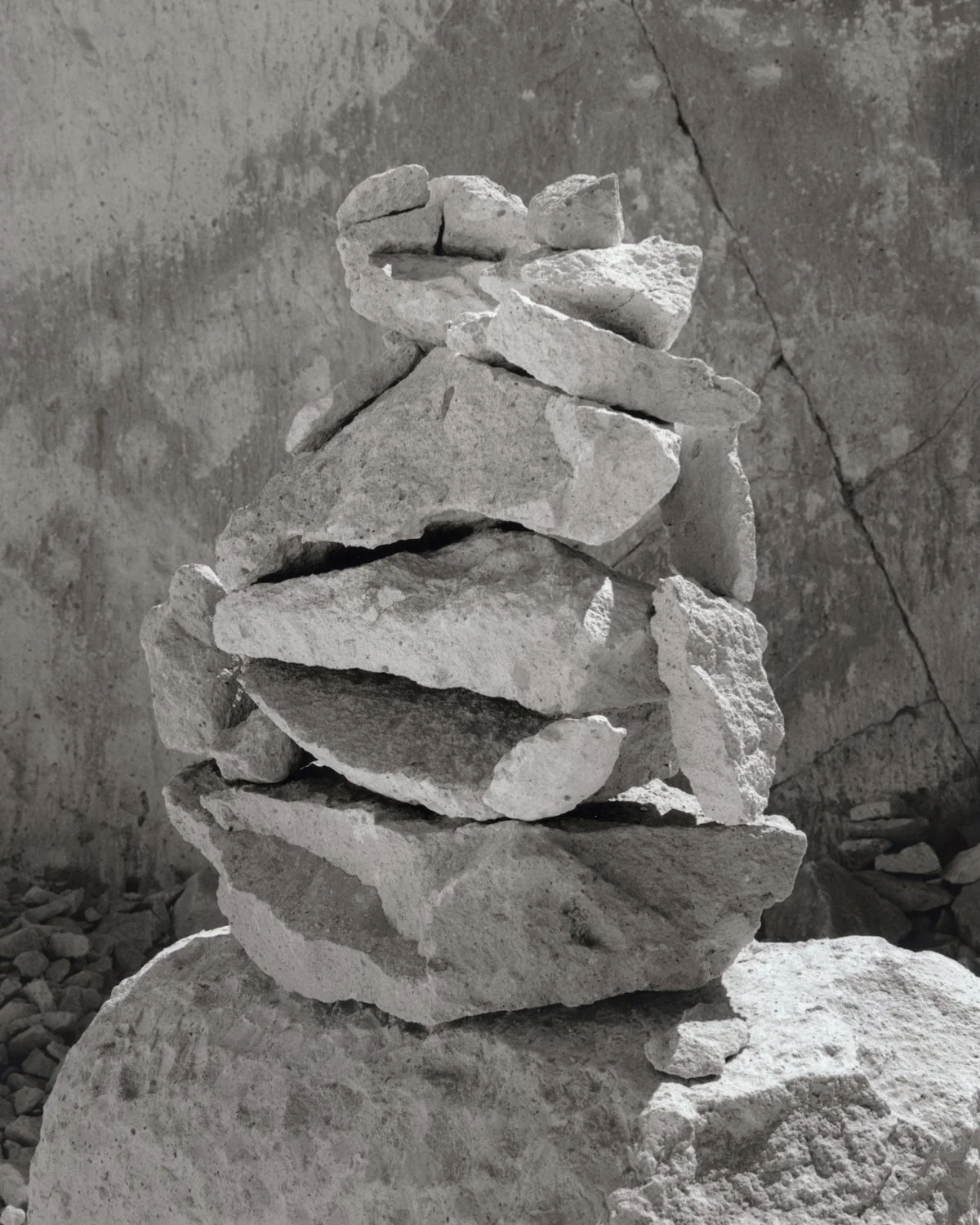
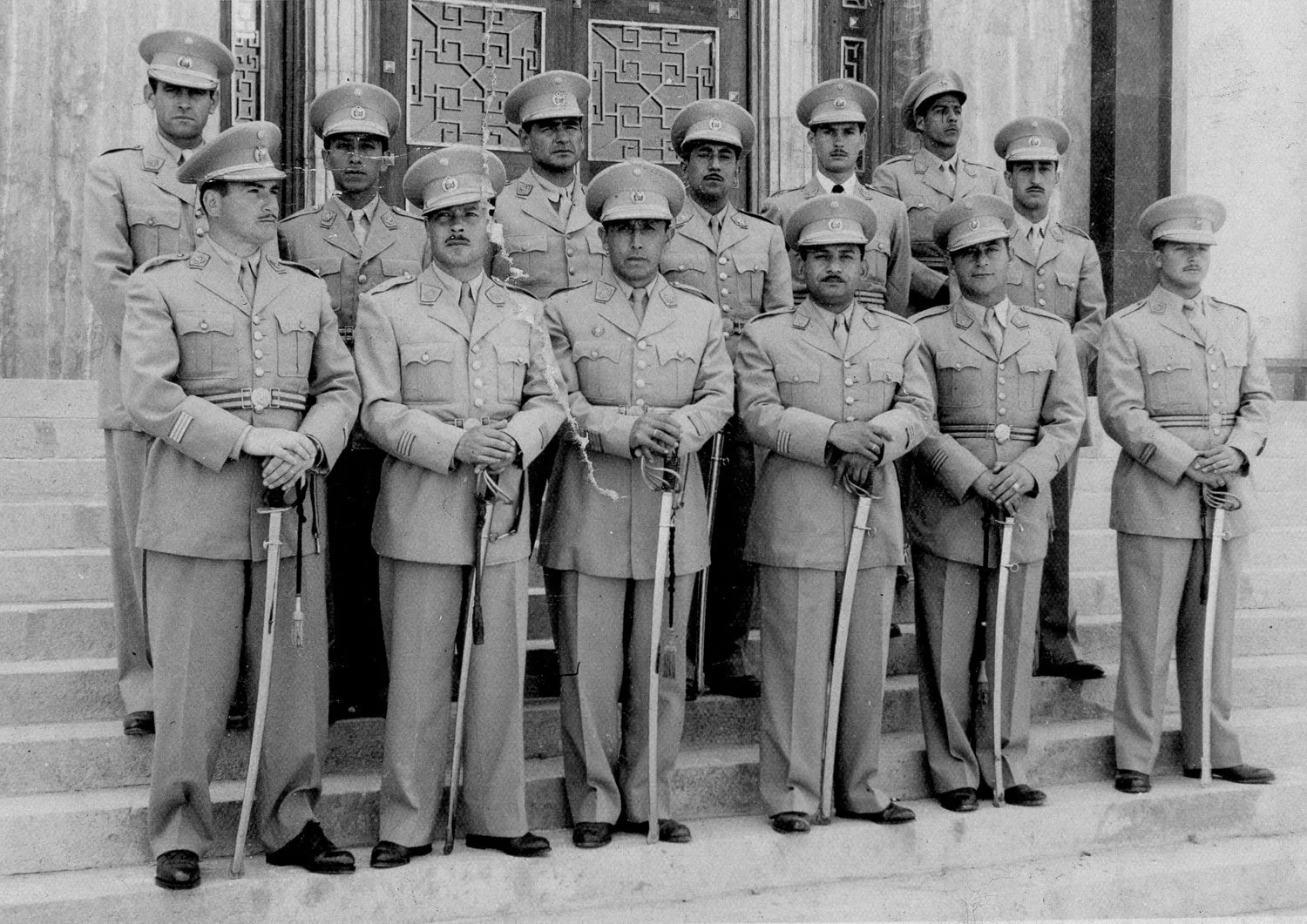
Portraits sit against landscapes. Bodies against objects. Documentary photographs rub against images that feel more ambiguous or constructed. The sequence doesn’t hand you a neat conclusion.
It asks you to stay with it. That’s increasingly rare. And increasingly valuable. Because masculinity isn’t going to be solved by a photographic series. Neither is family. Neither is identity. Photography’s job isn’t always to solve the problem. Sometimes its job is simply to notice that the problem is there.
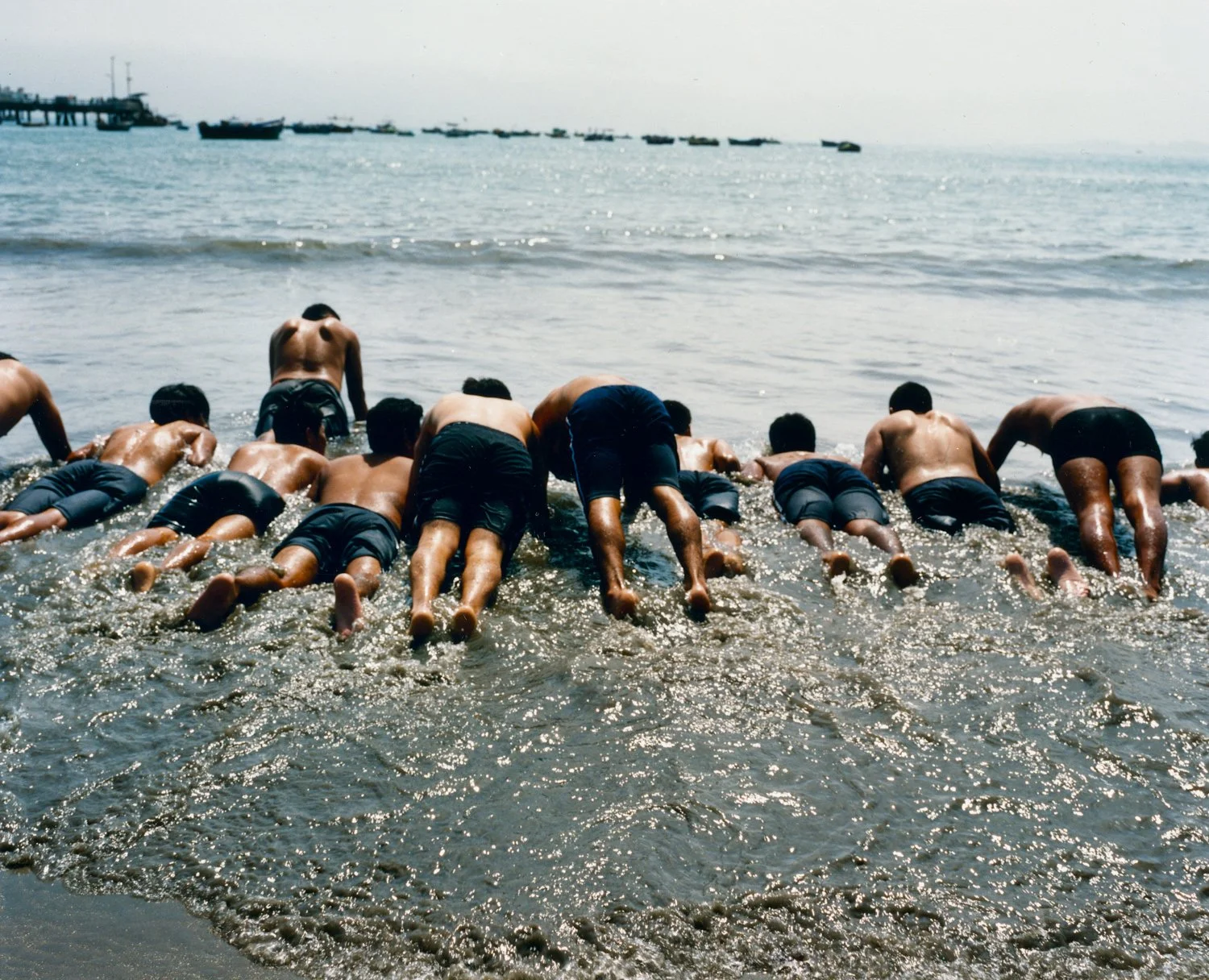
IN FOCUS
What kept pulling me back to An Inherent Tear wasn’t masculinity itself. It was recognition. I know some of these men. Not literally.
I’ve seen that posture. That distance. That particular way of looking somewhere other than directly at the person looking at you. I’ve probably done it myself. That’s the uncomfortable part.
You start looking at Guillermo’s photographs thinking you’re studying somebody else’s world and eventually realise you’ve wandered into your own.
That’s when photography works. Not when it tells you what you’re looking at. When it catches you looking back.
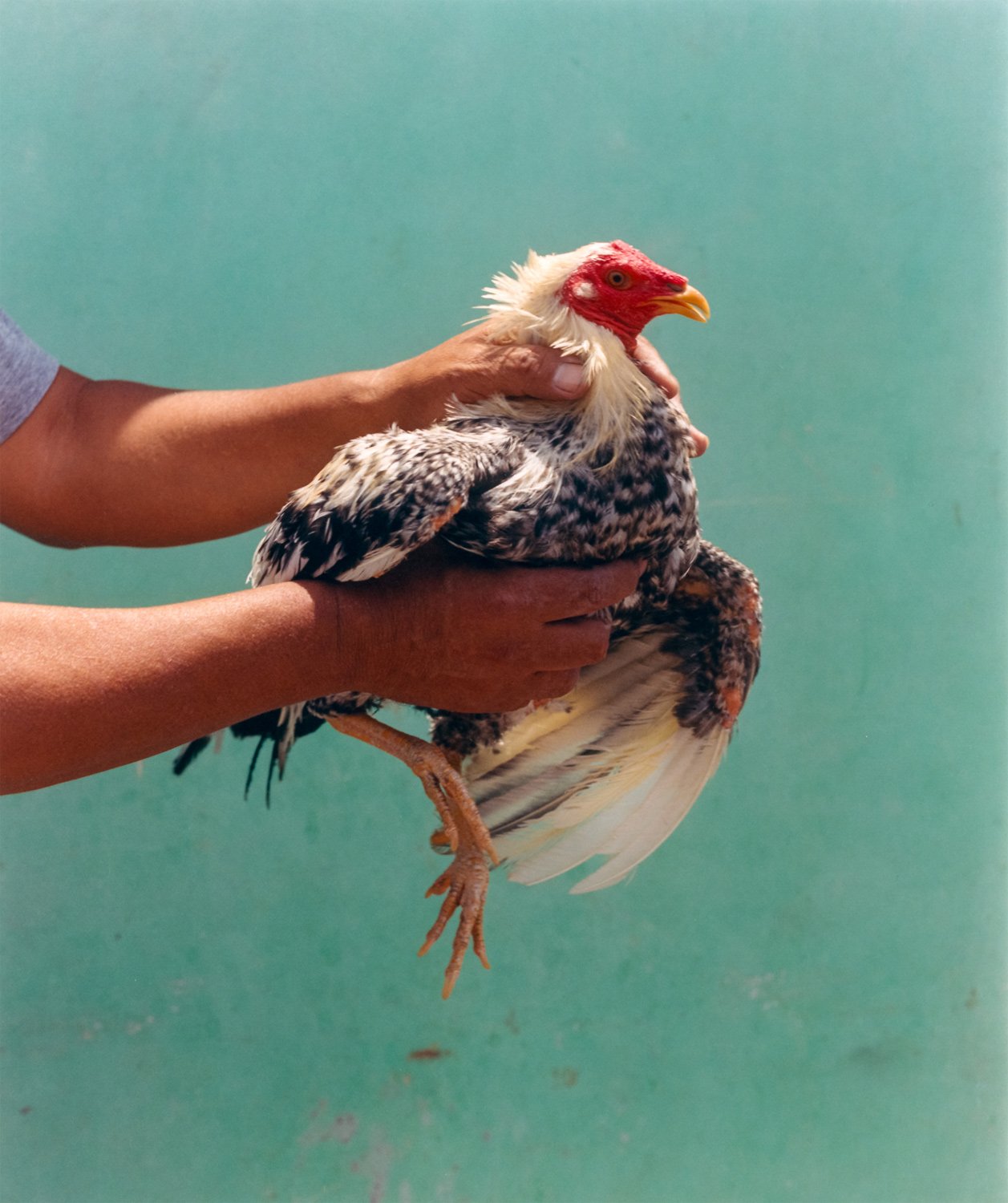
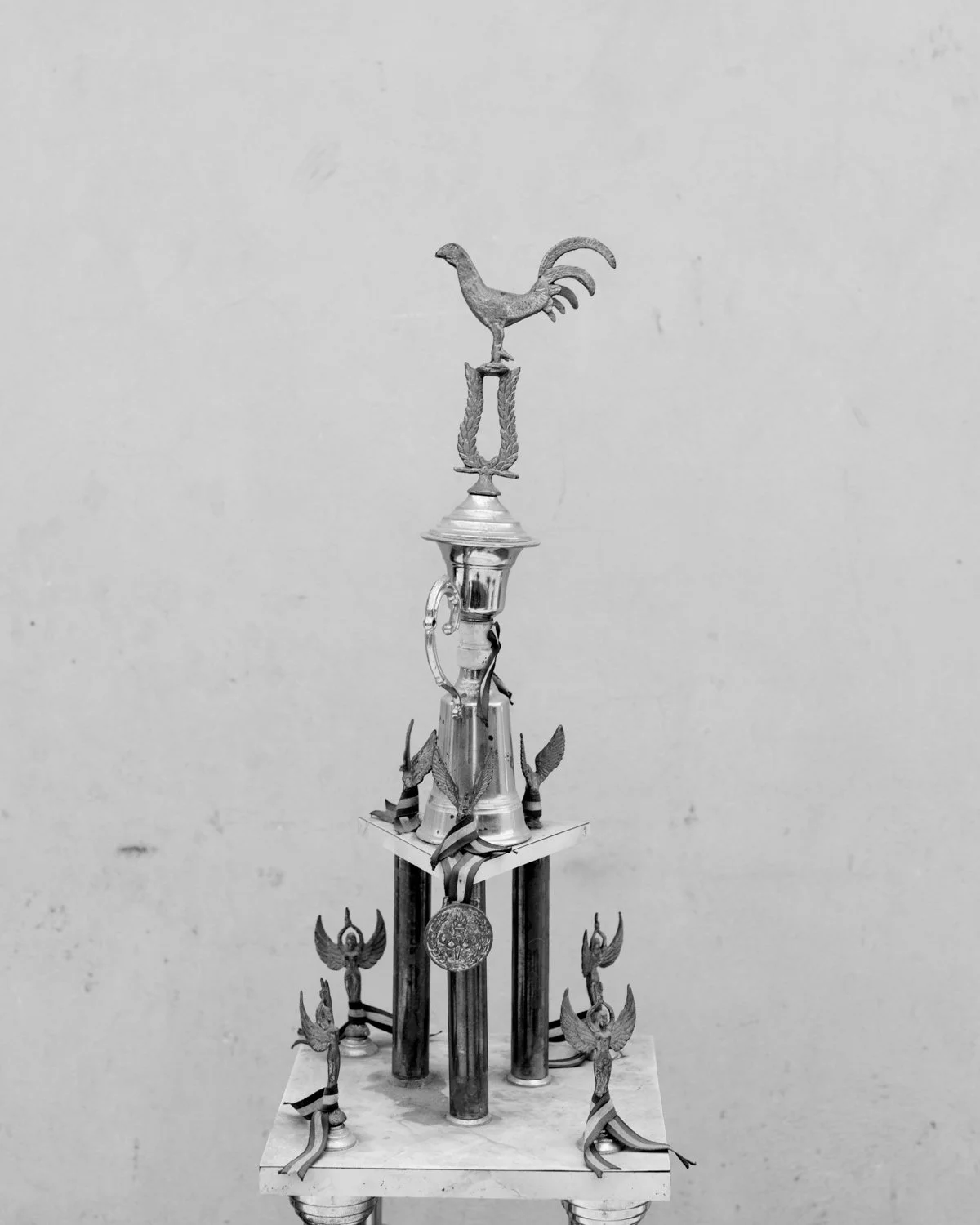
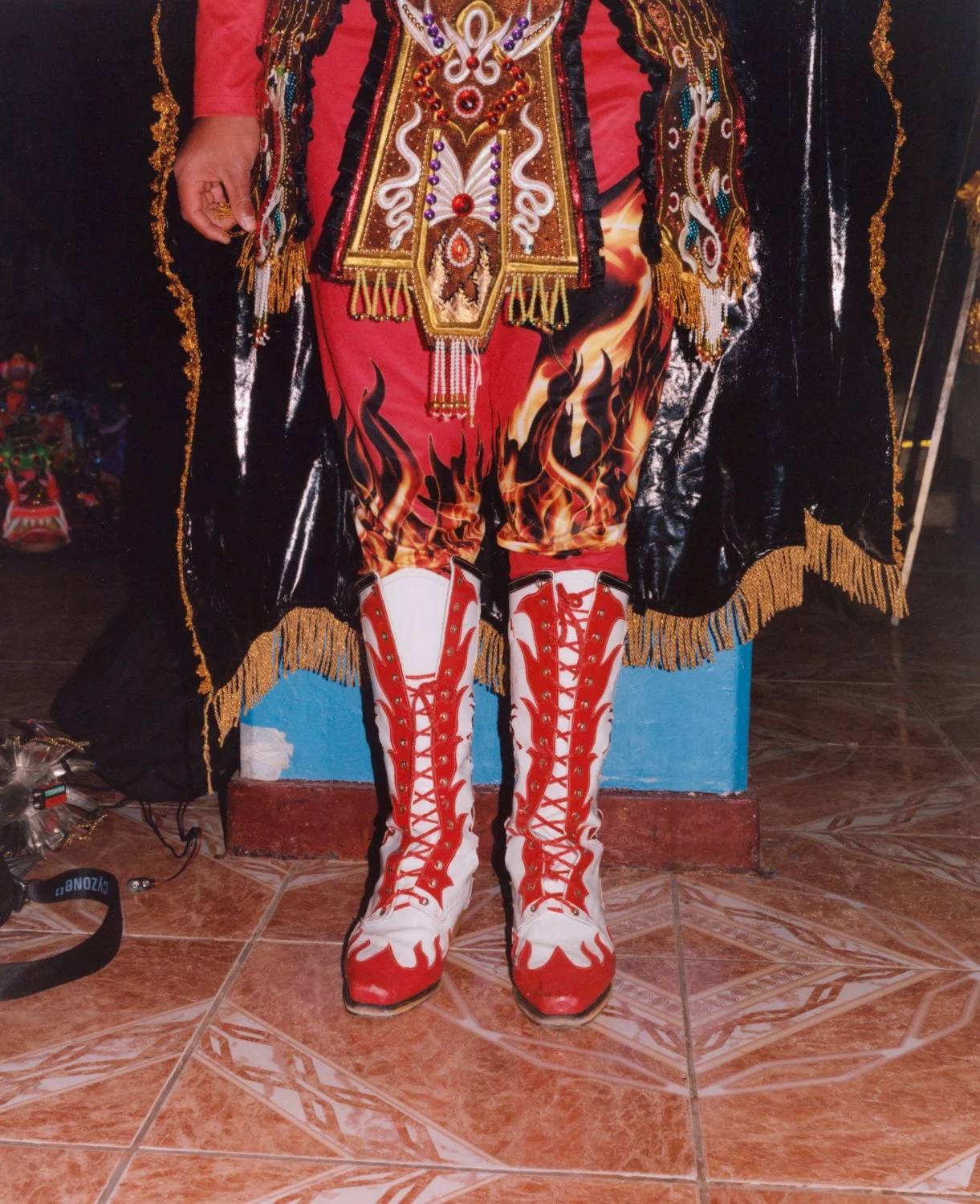
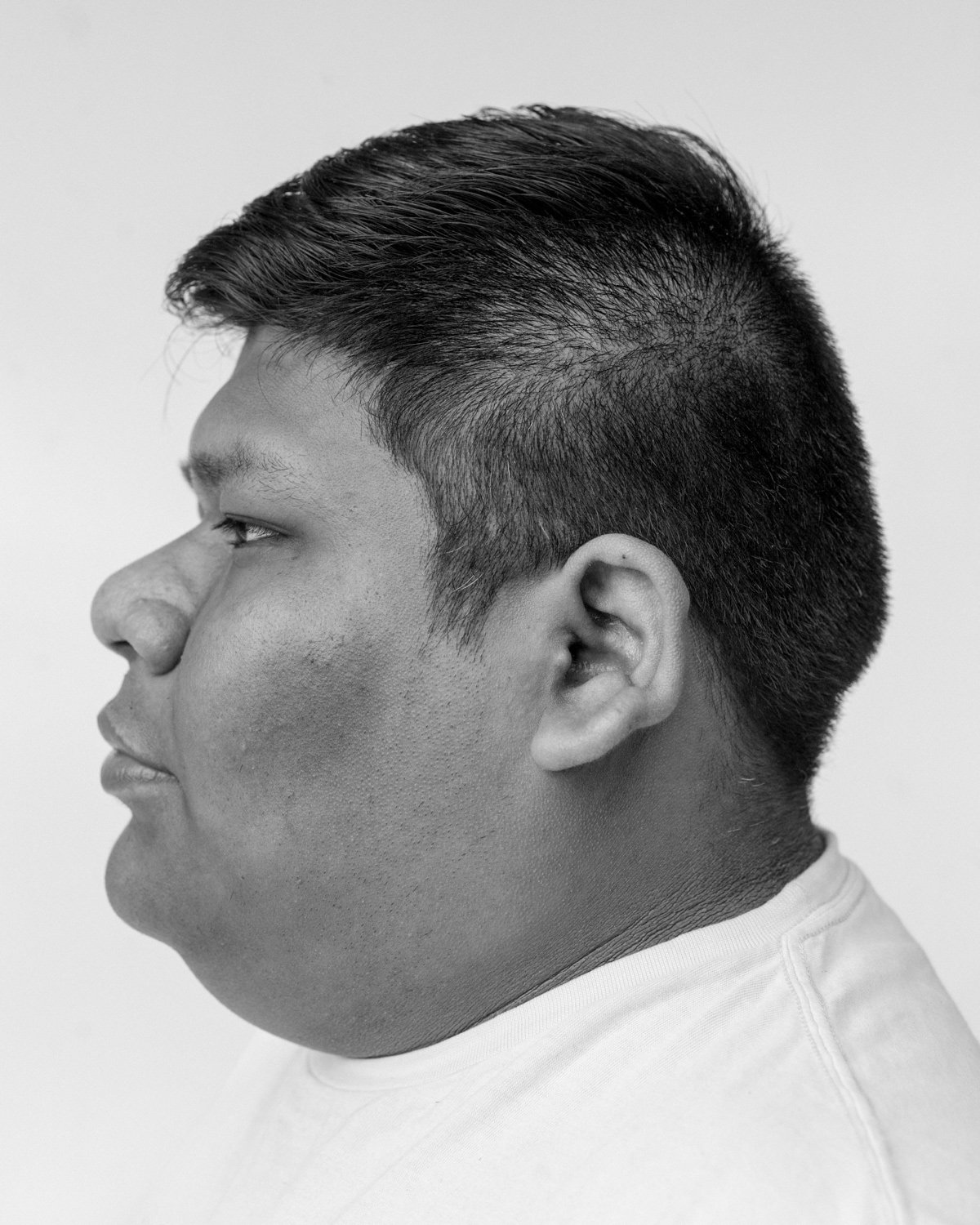
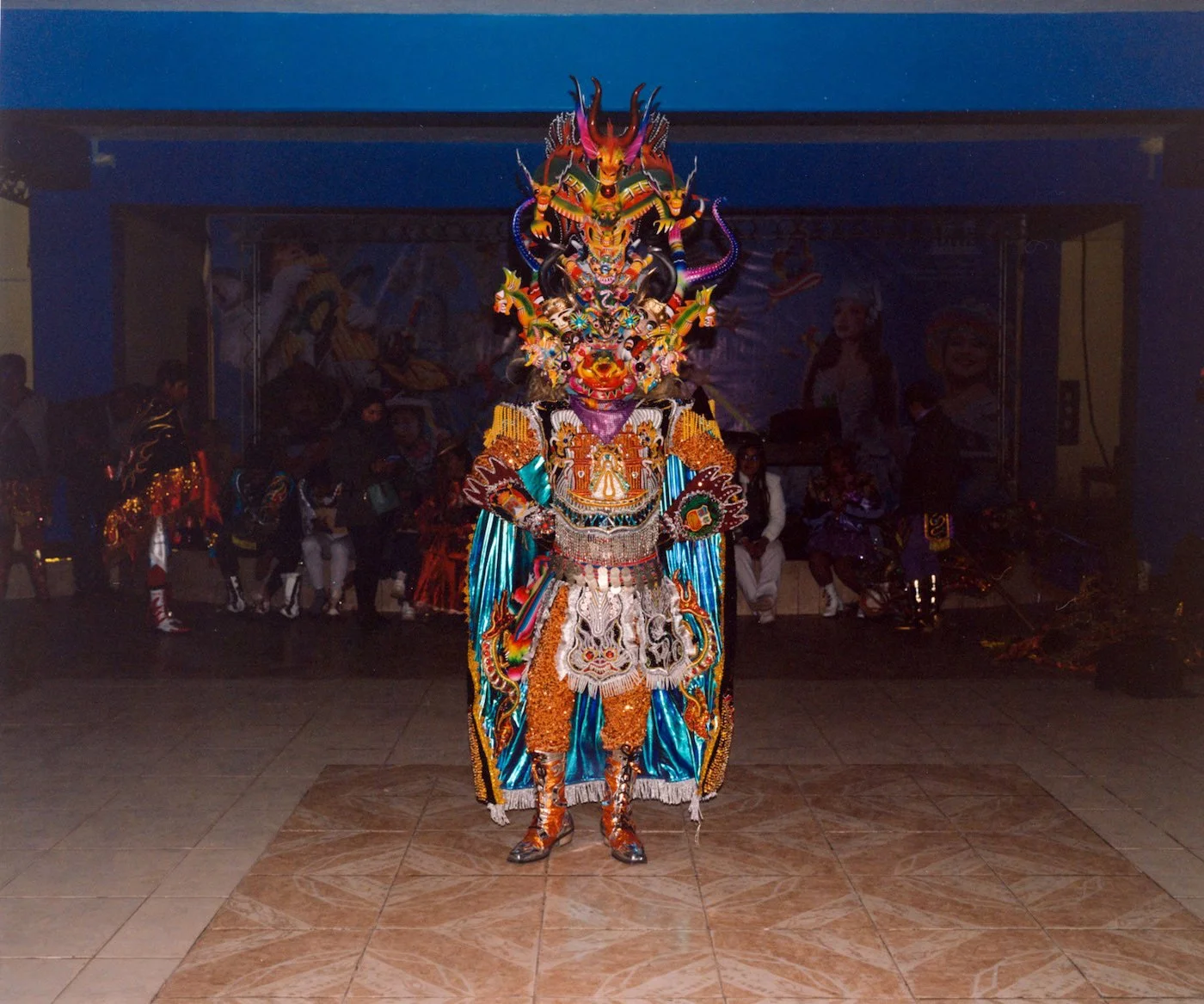
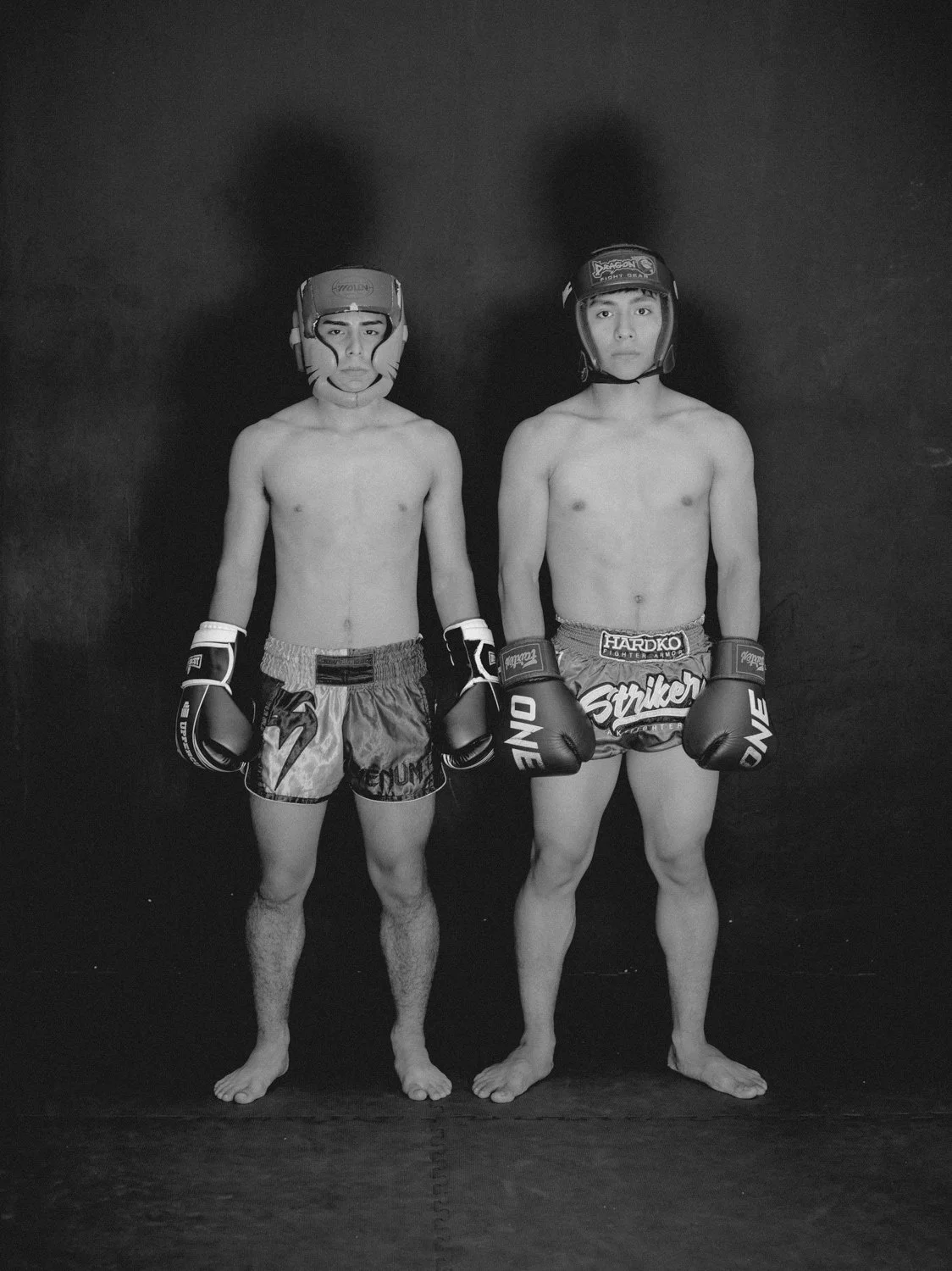
Some photographs tell you exactly what they want you to see. Raul Guillermo’s don’t. In Focus #003 looks at An Inherent Tear and the strange little performances we learn before someone points a camera at us.