
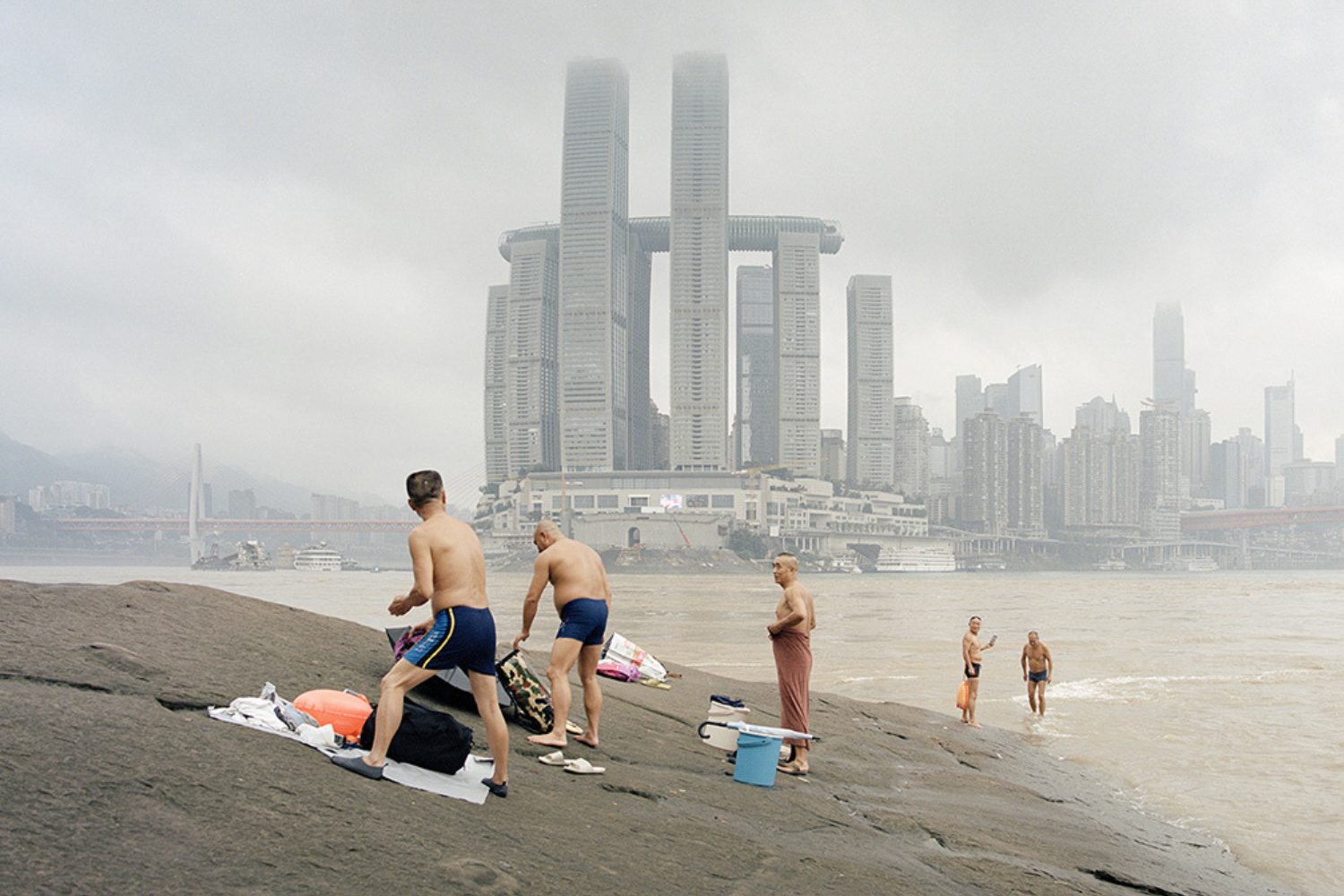
Some cities are photographed so often that they begin to feel more like symbols than places.
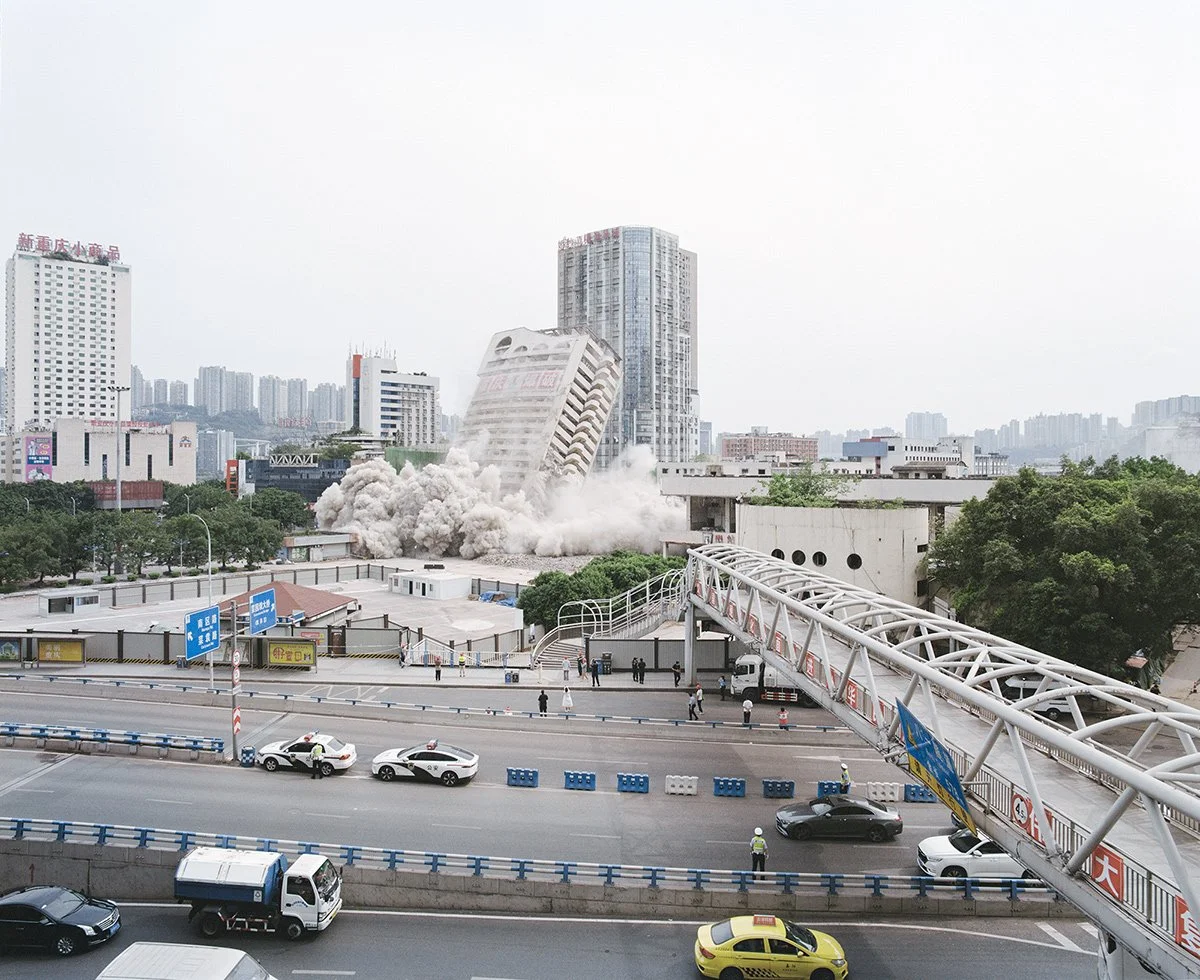
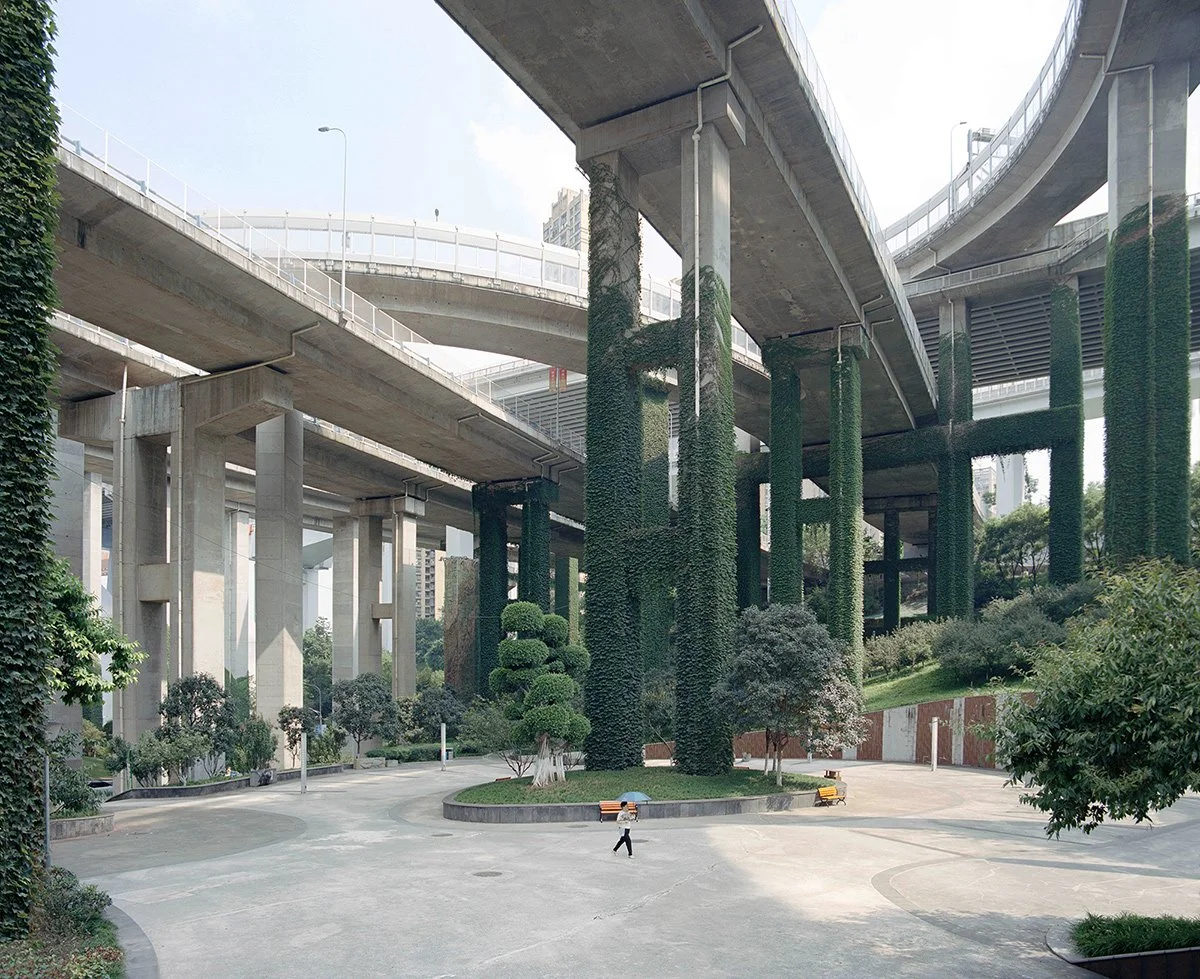
Chongqing is one of them. Towering apartment blocks disappear into the clouds, highways weave effortlessly through skyscrapers, and trains pass directly through residential buildings, creating the futuristic imagery that has made the Chinese megacity instantly recognisable around the world. But for photographer Ximeng Tu, that version of Chongqing tells only part of the story.
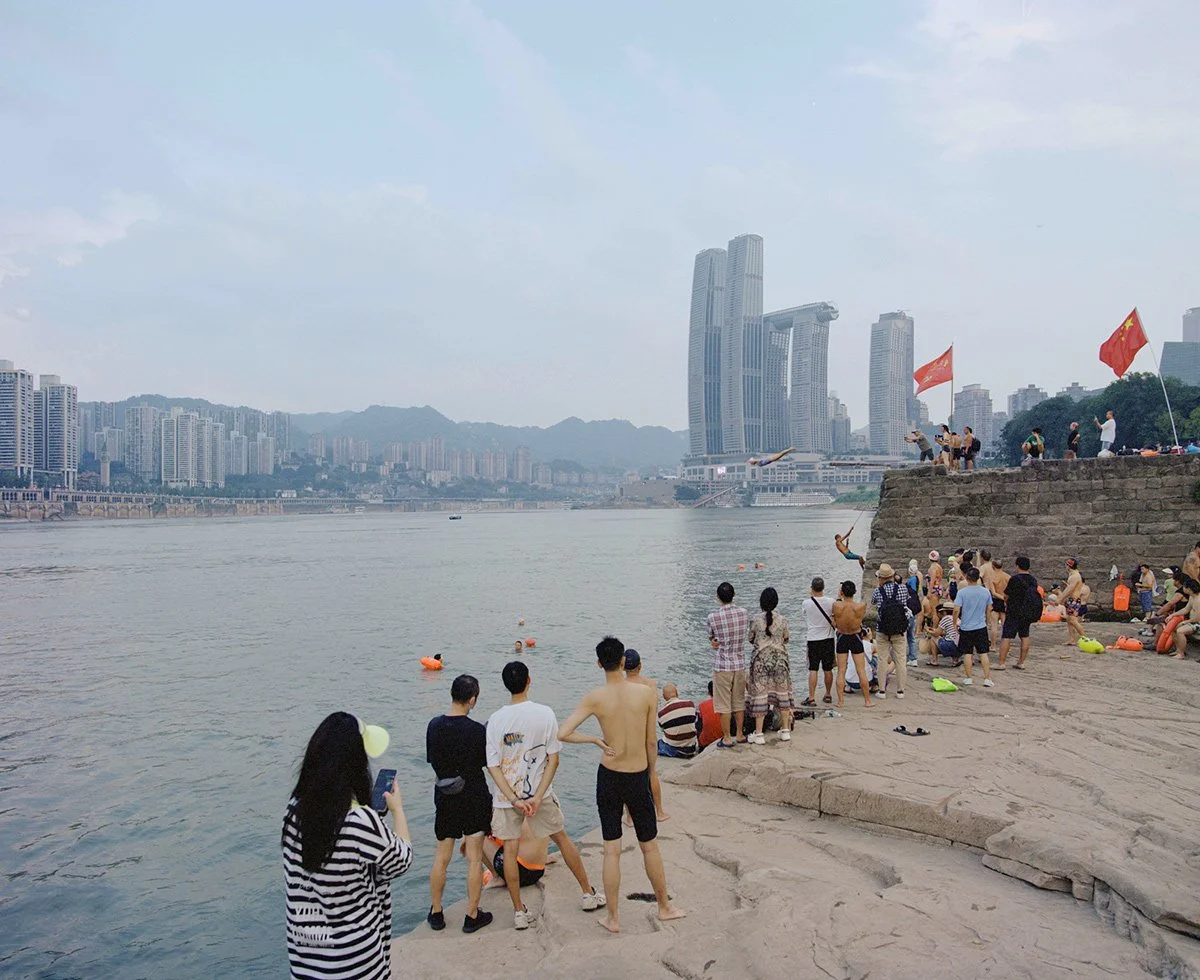
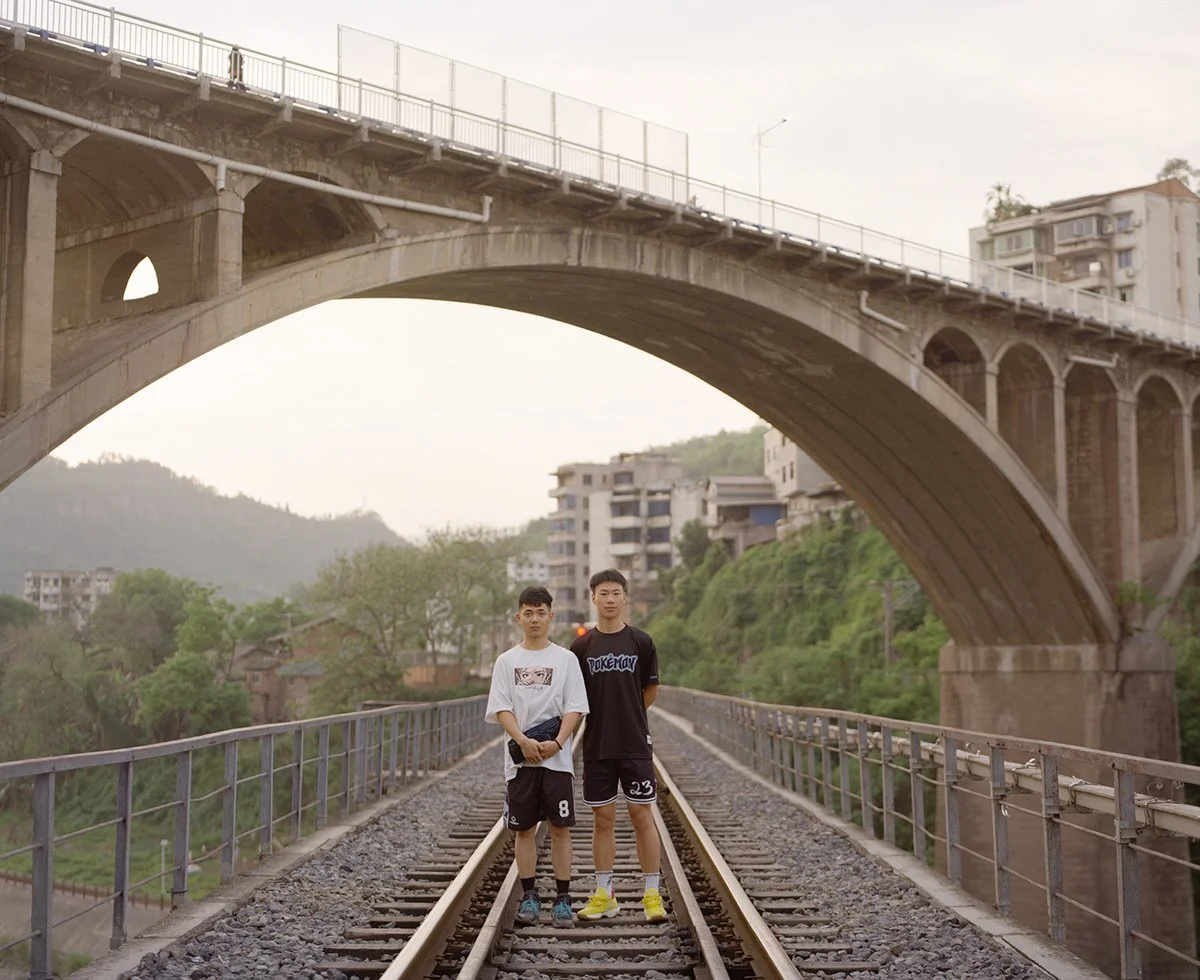
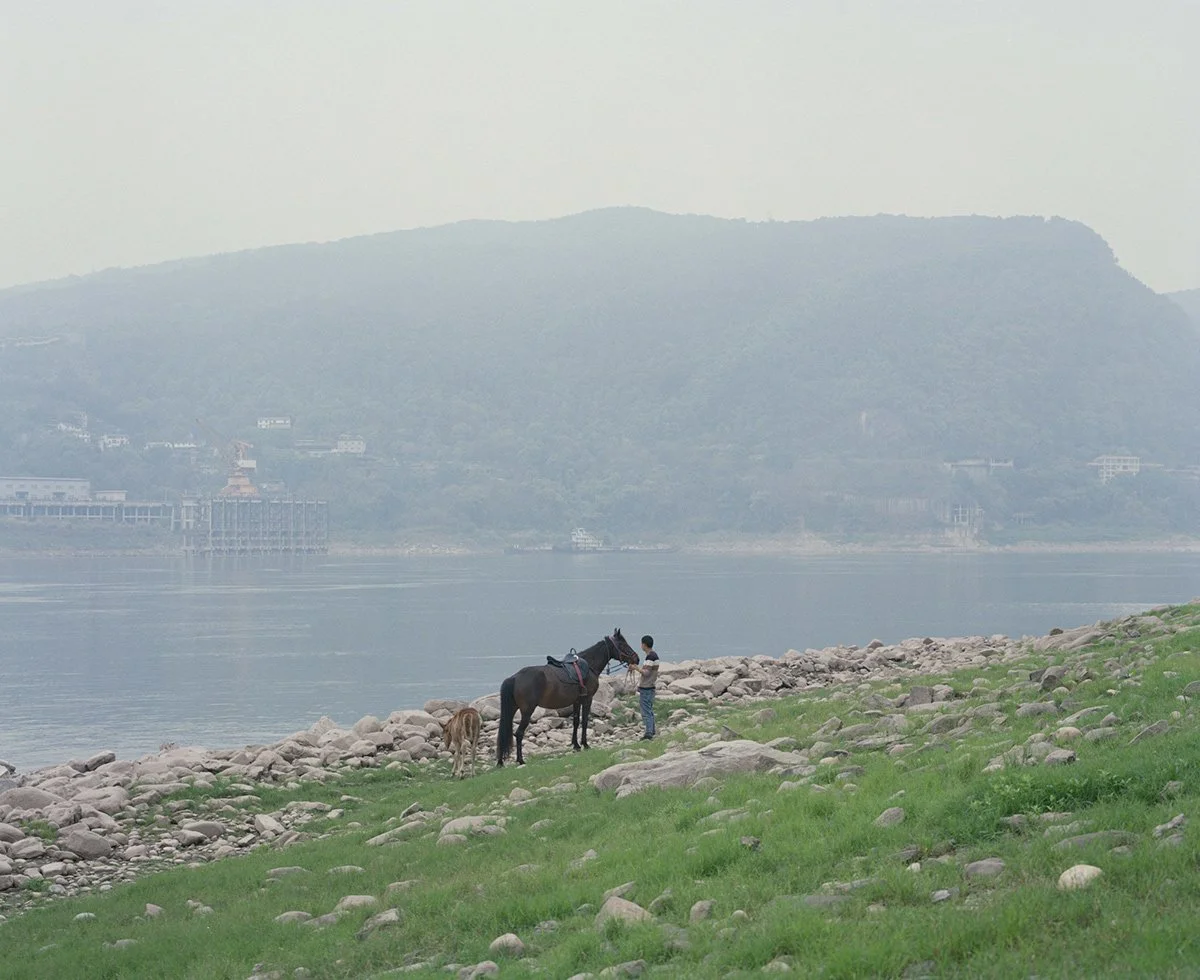
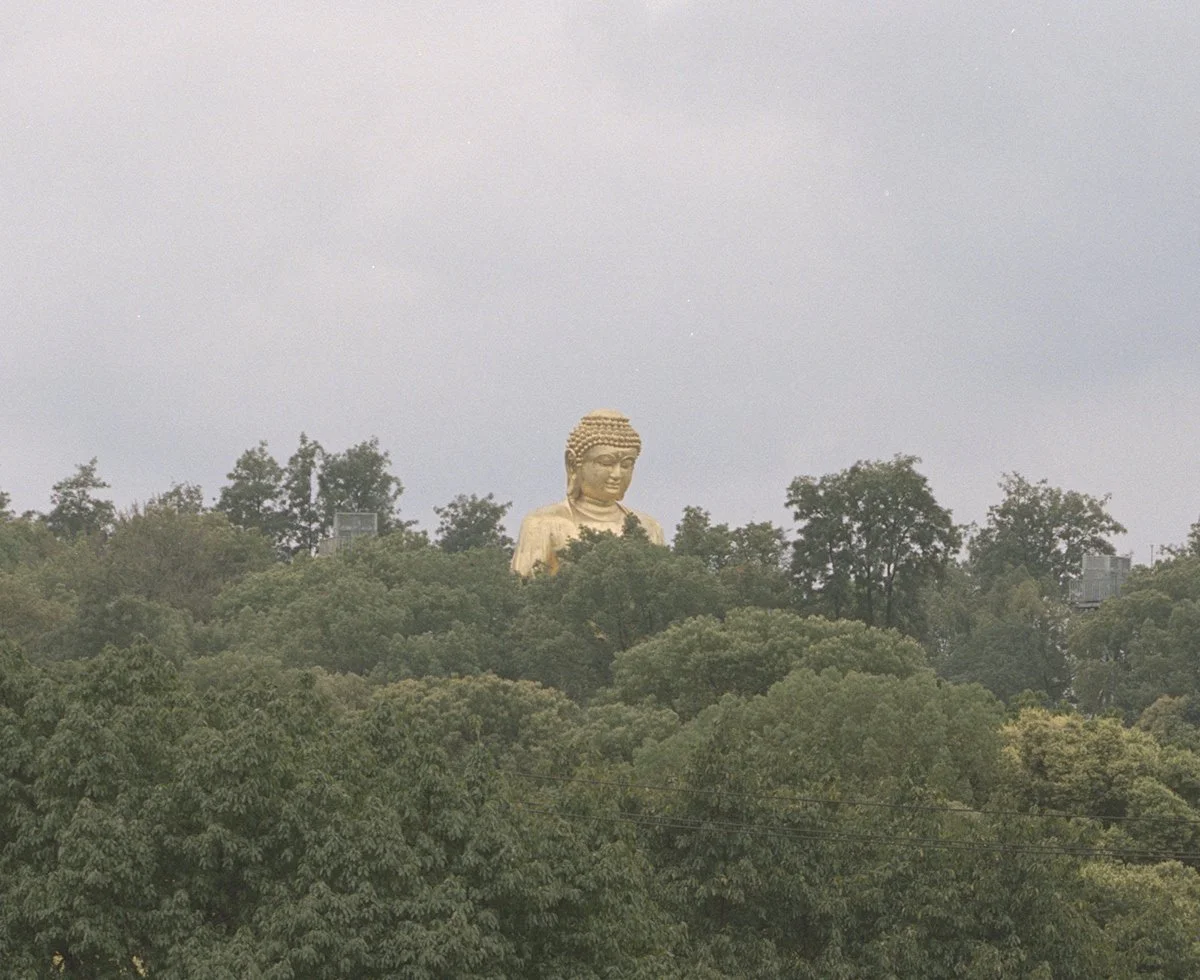
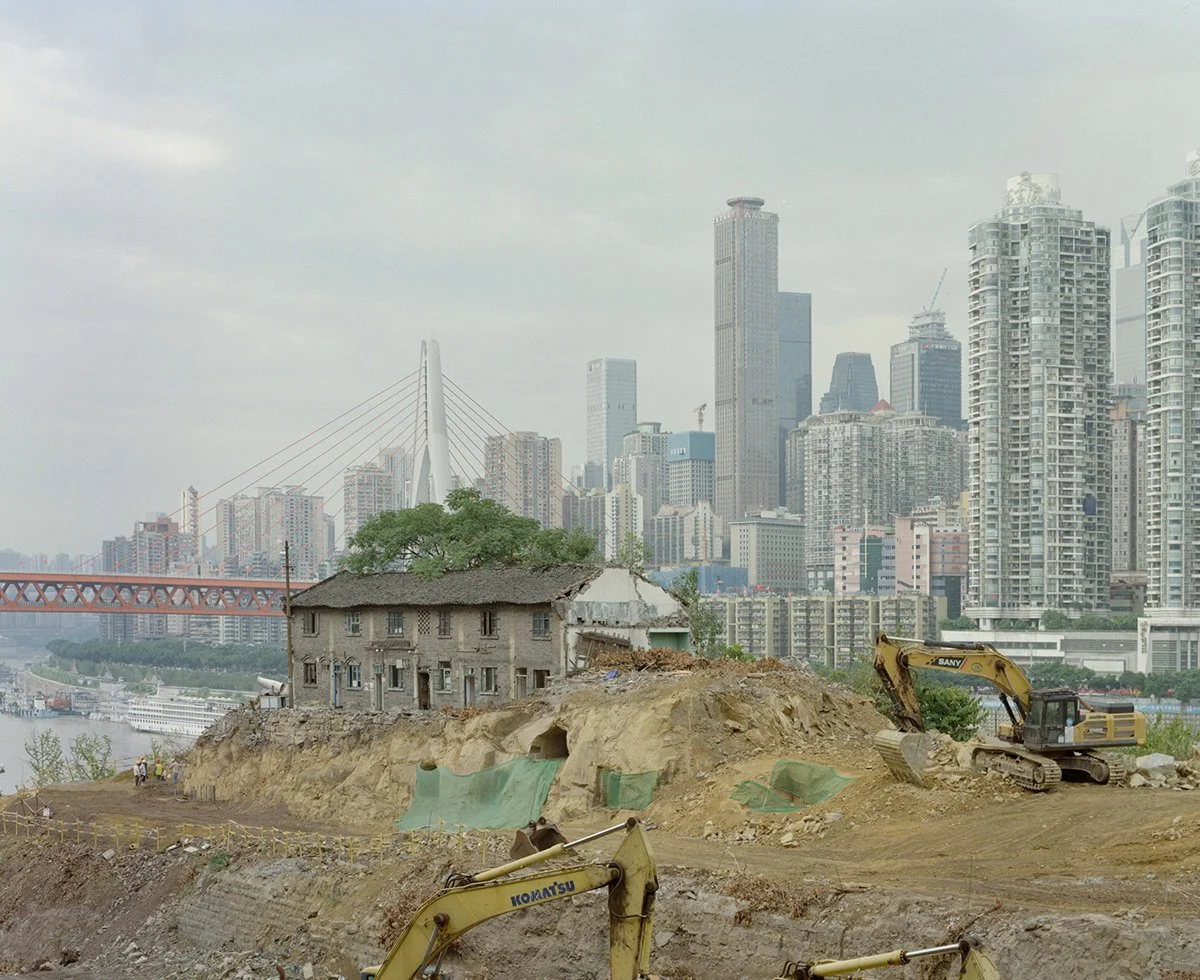
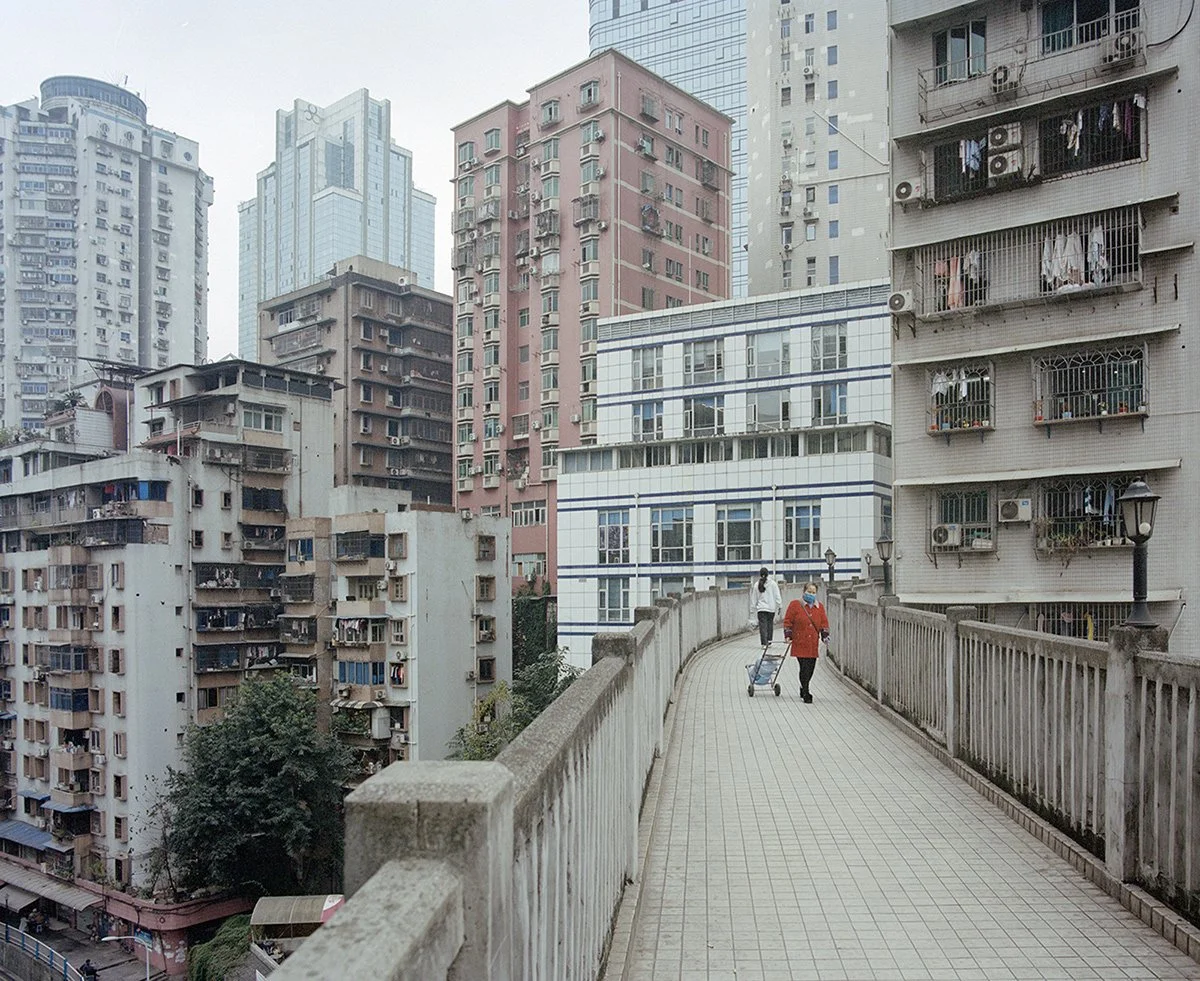
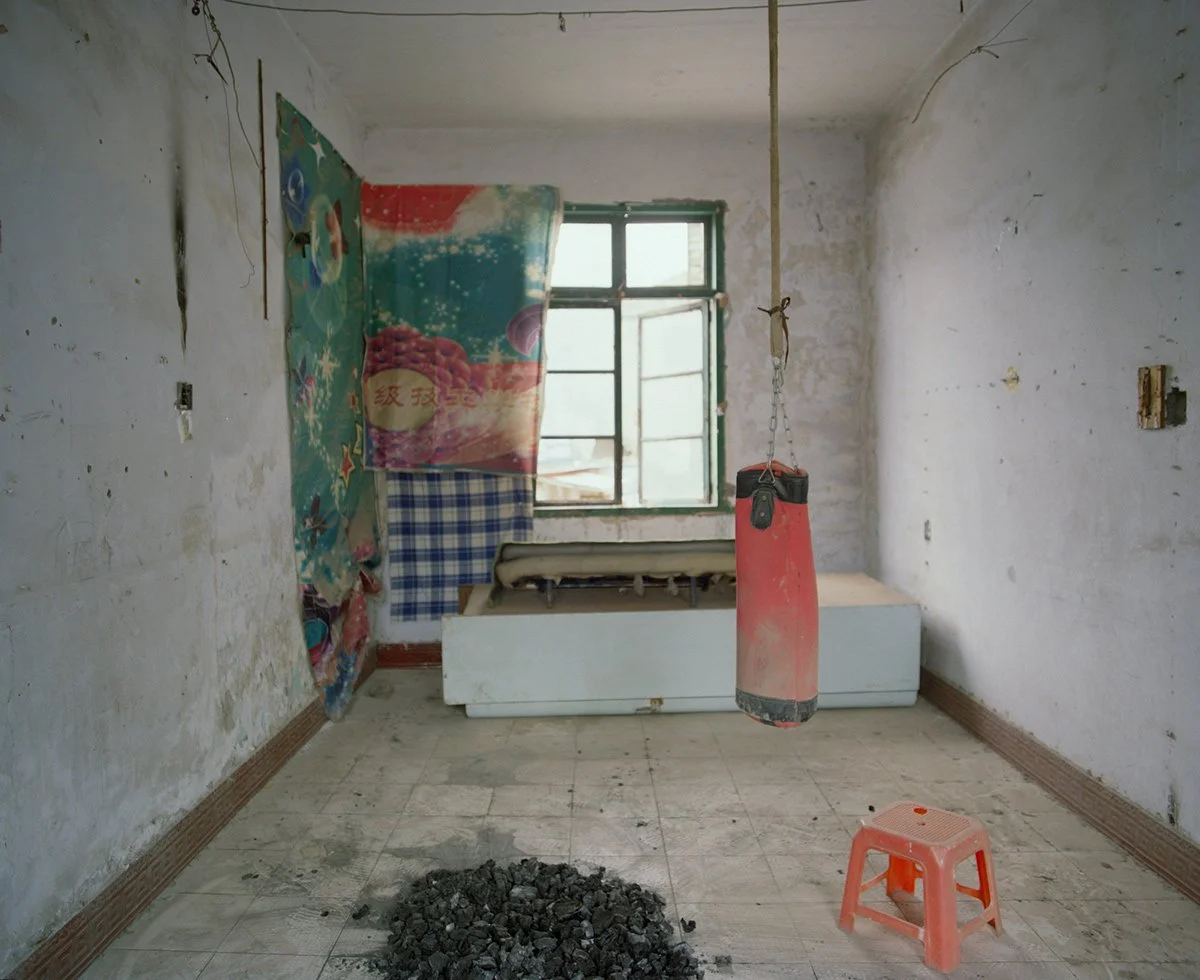
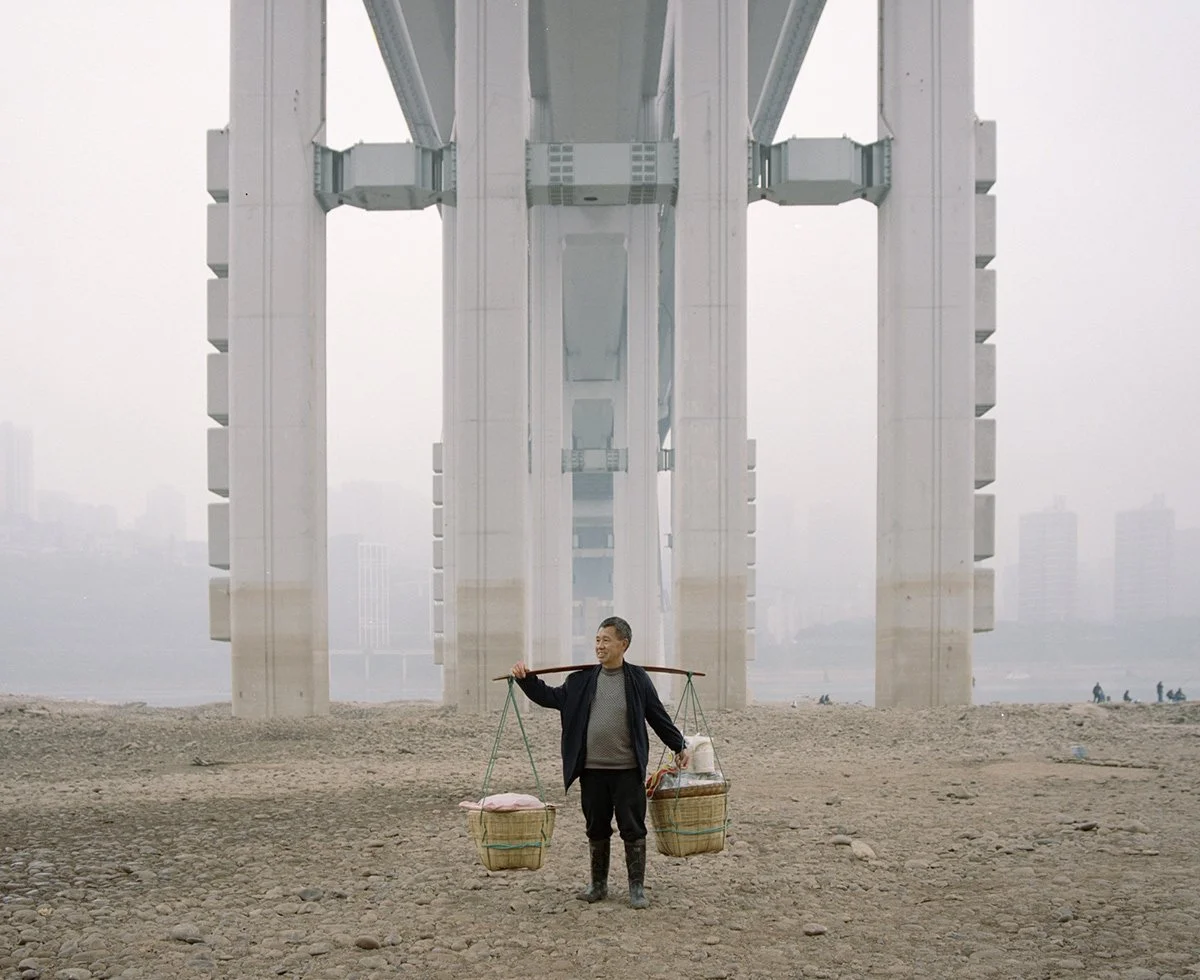
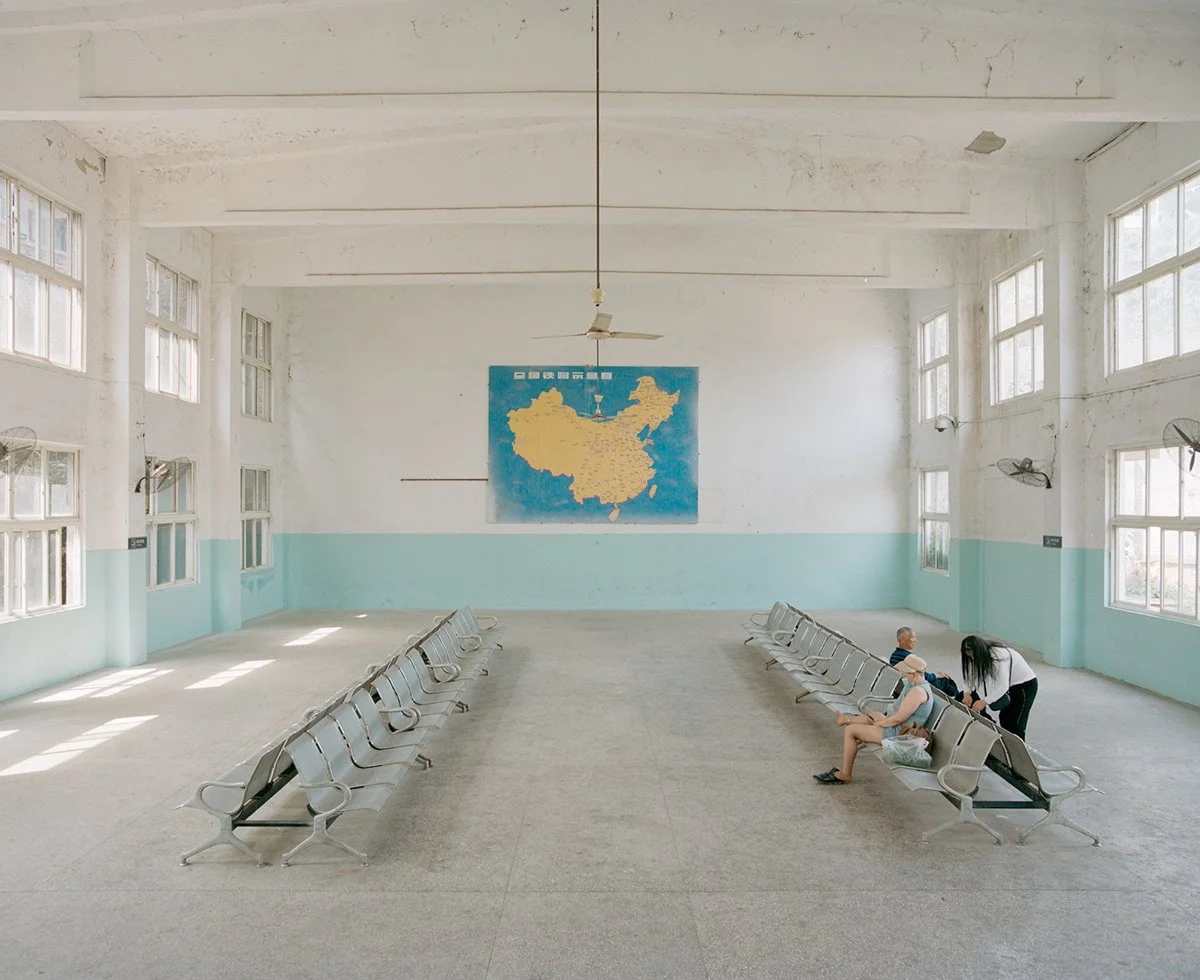
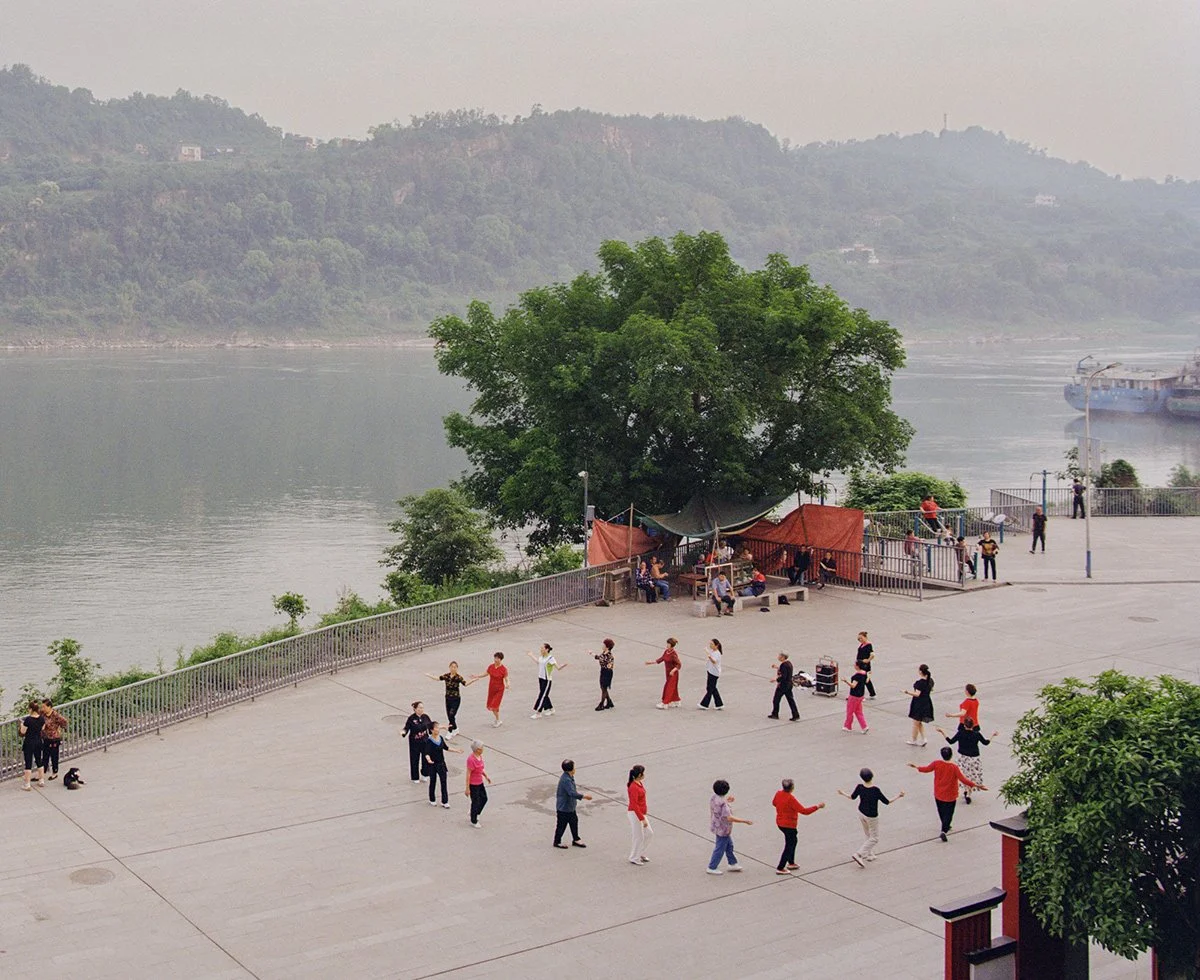
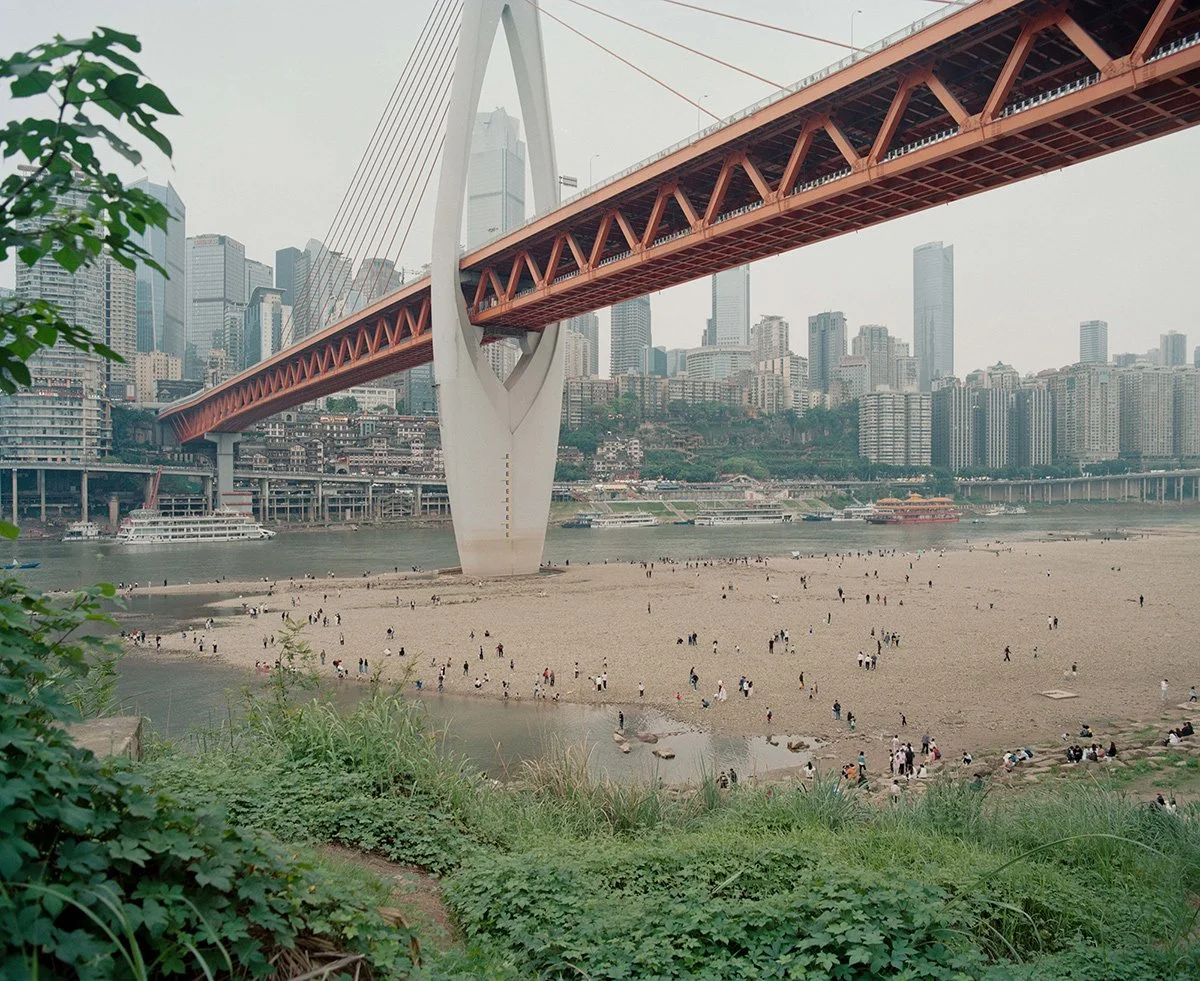
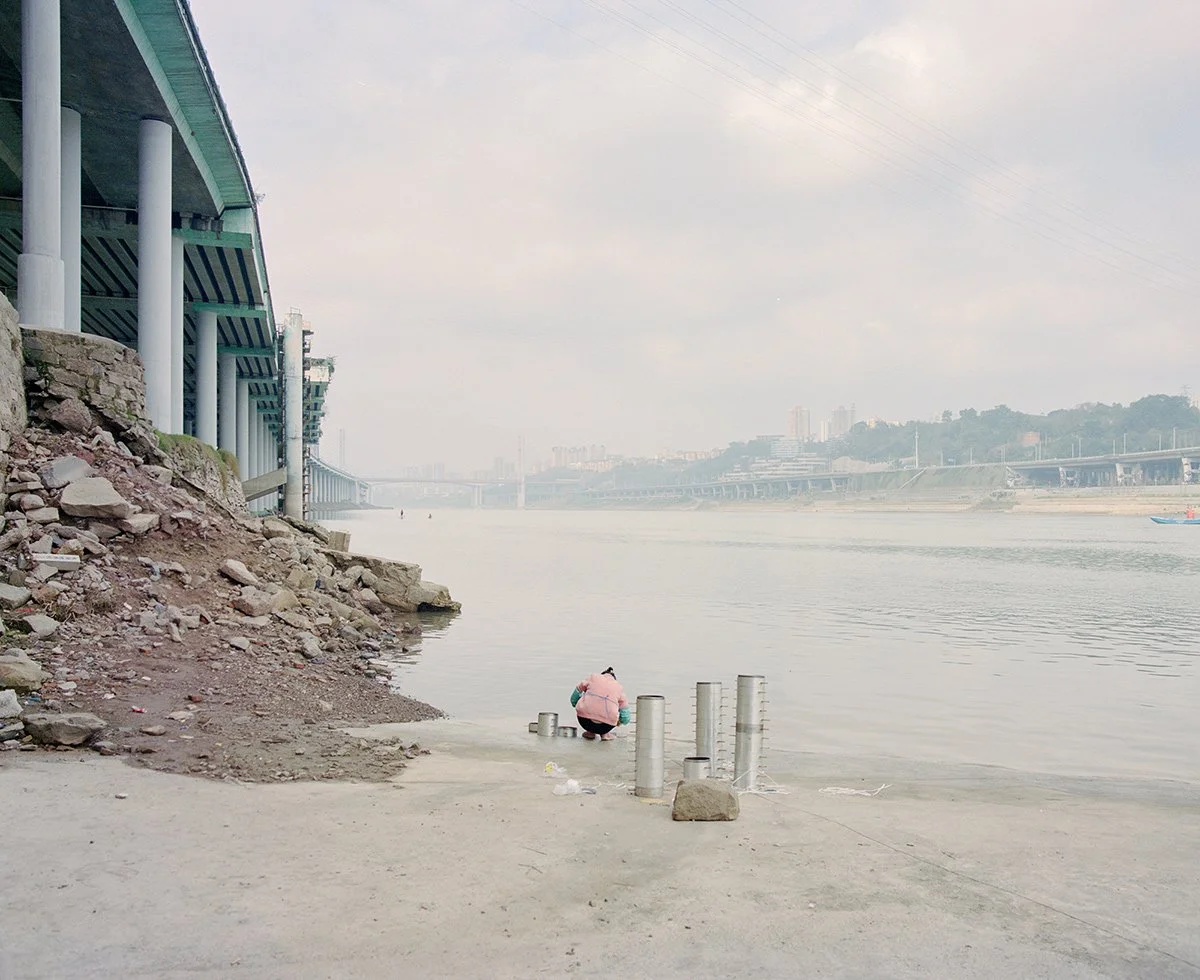
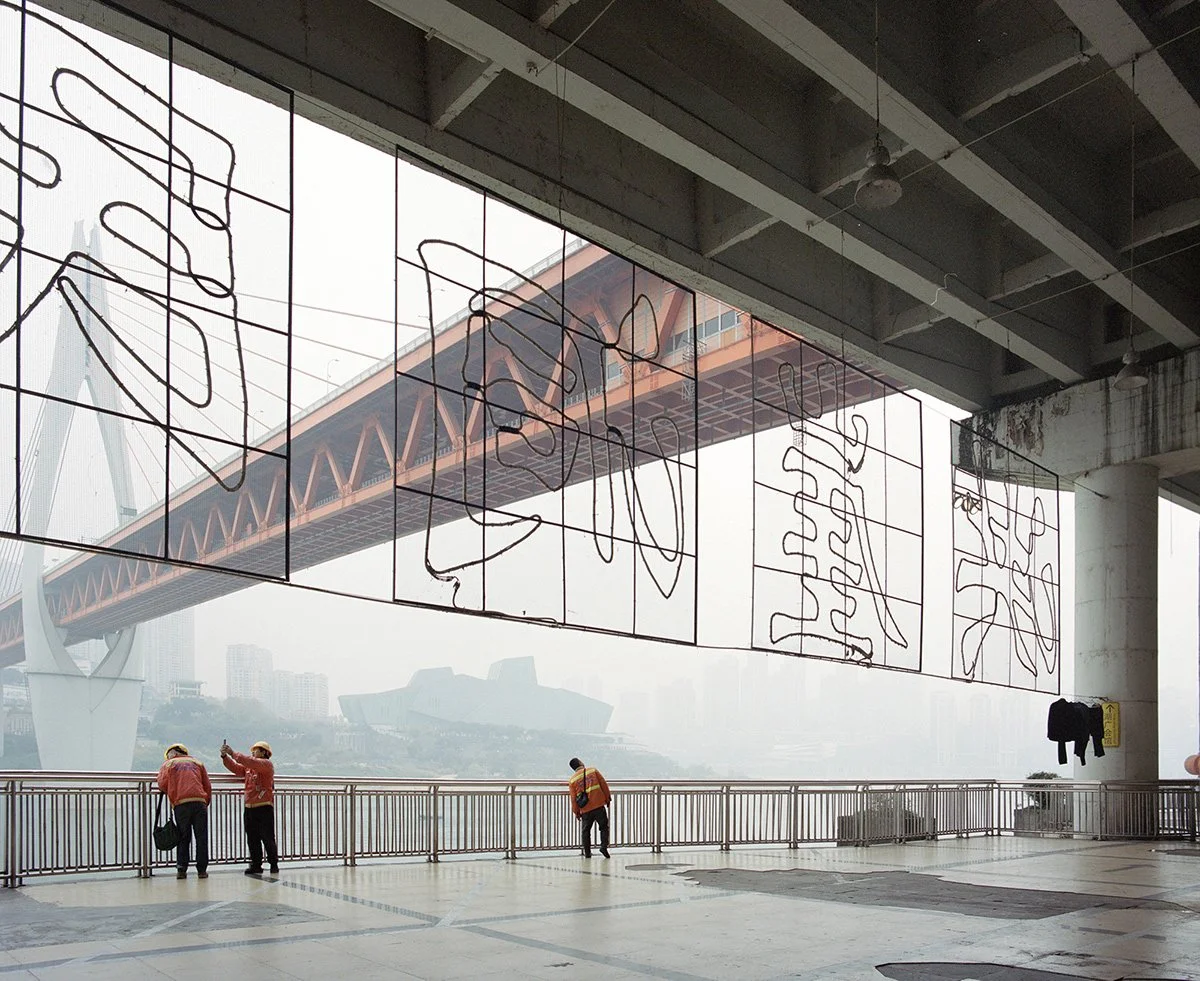
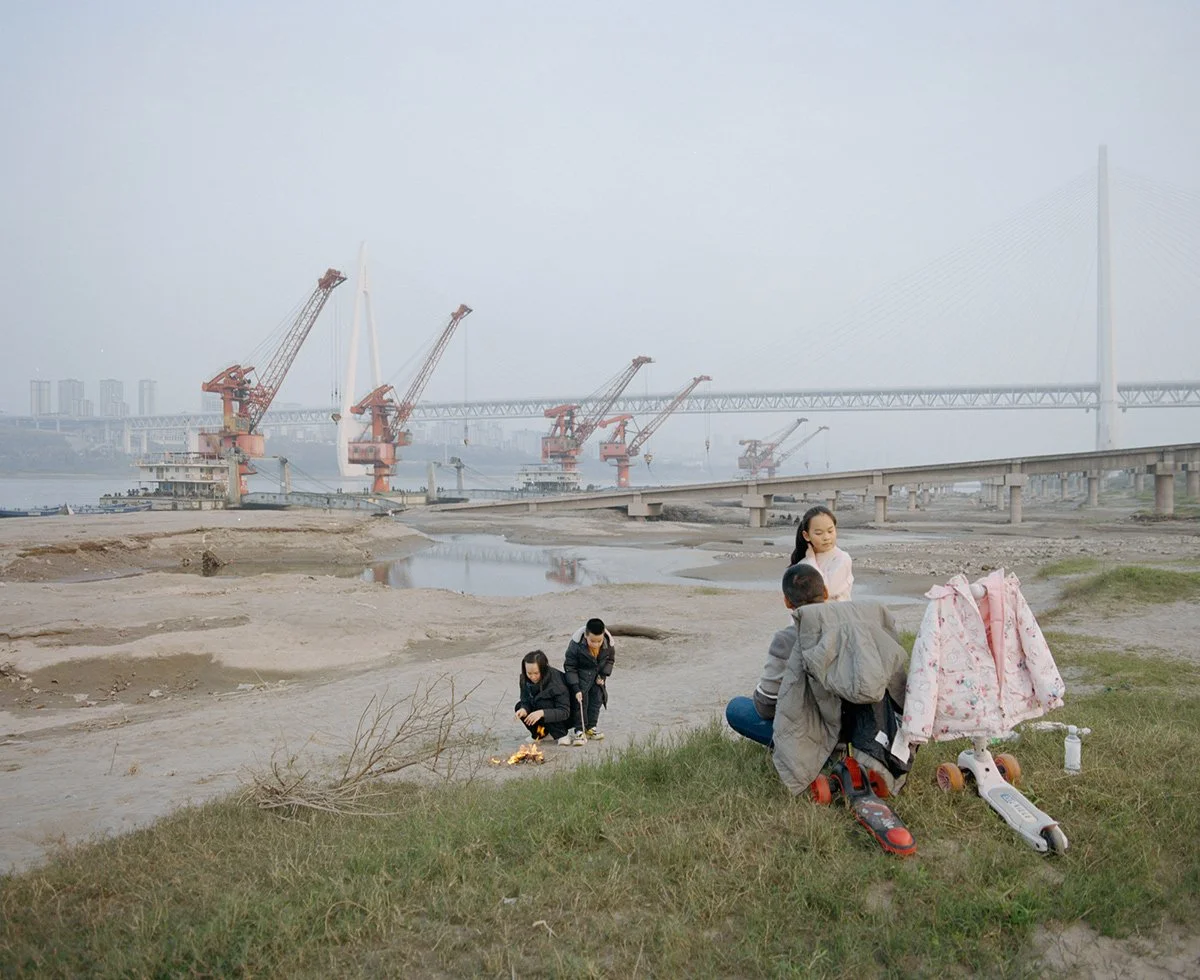
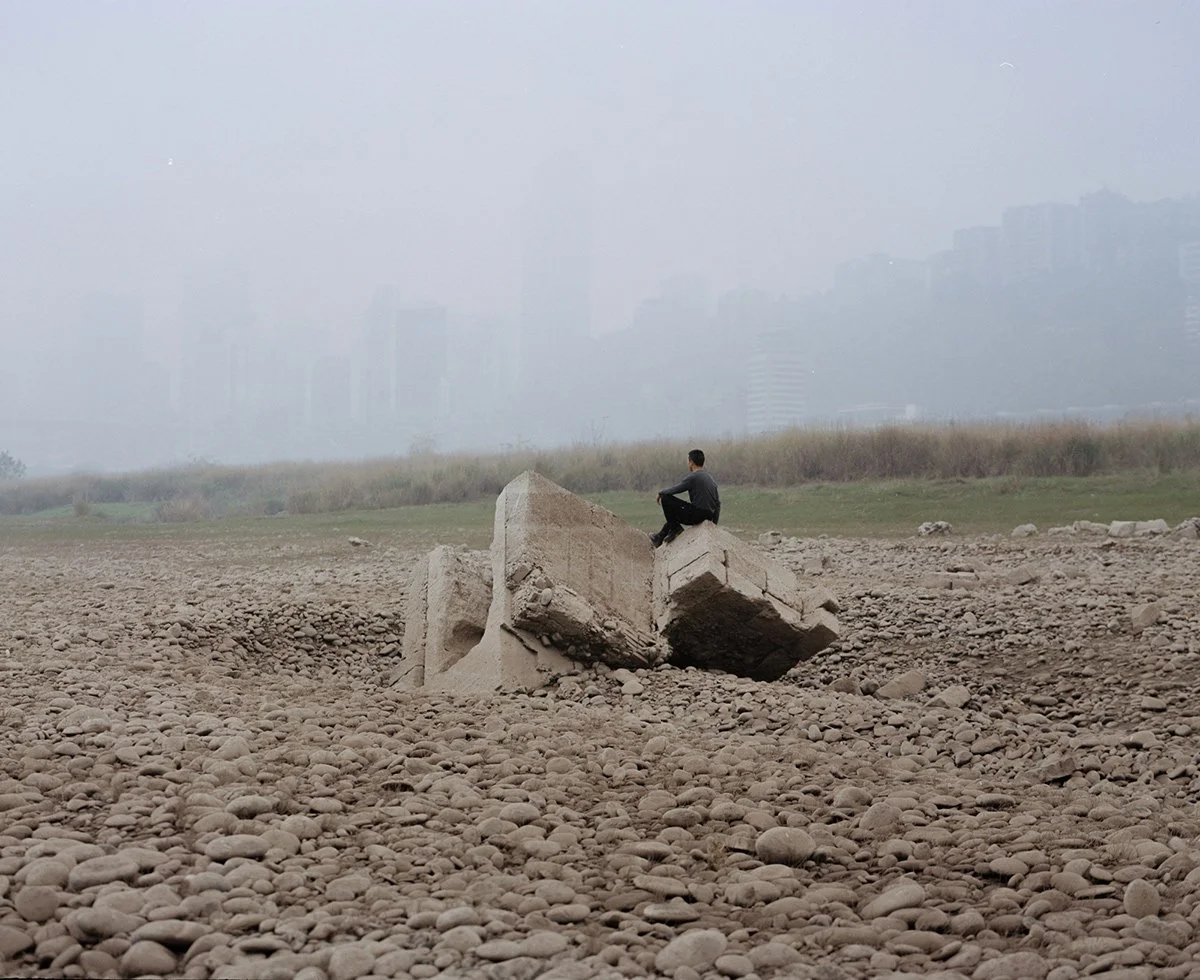
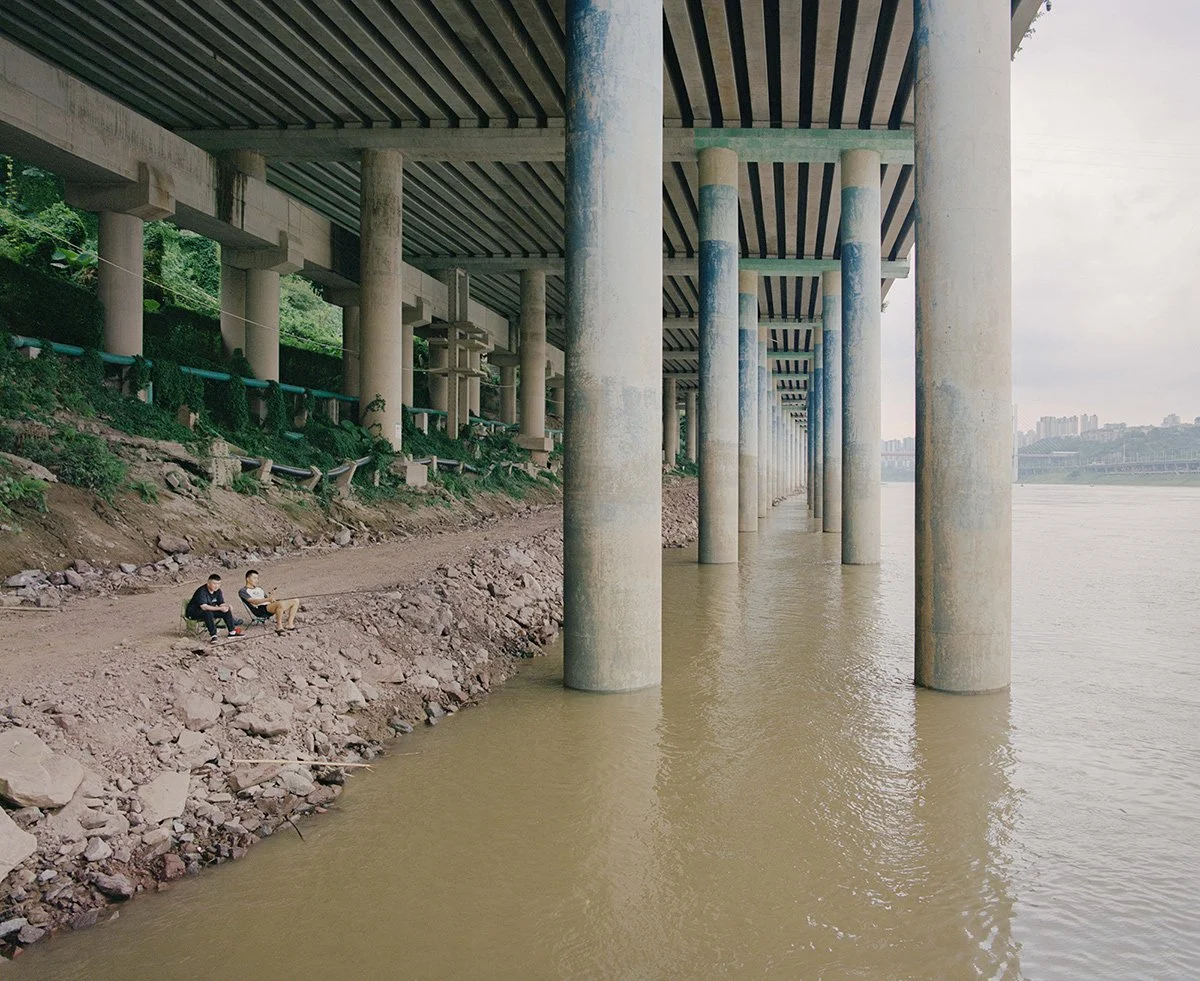
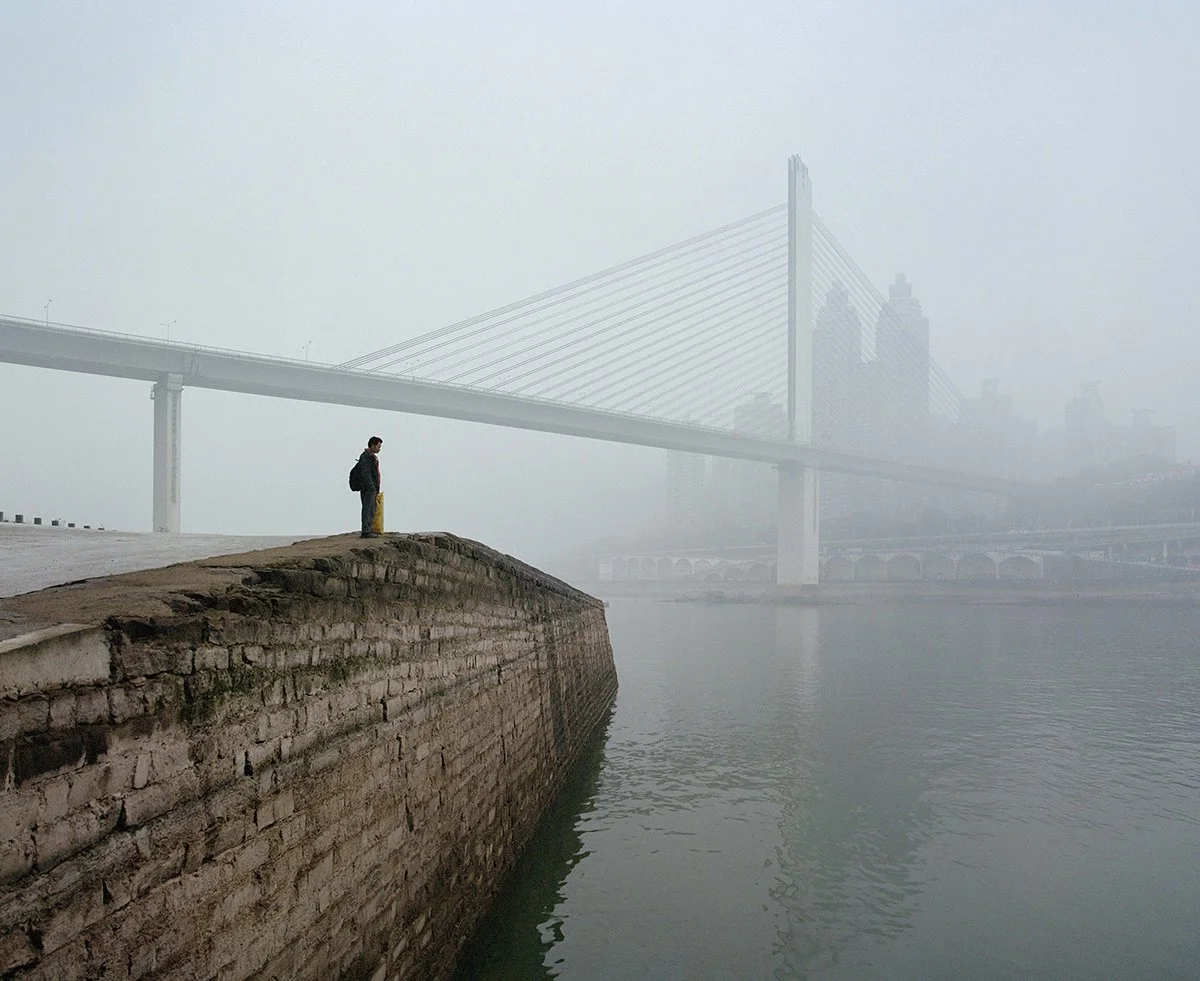
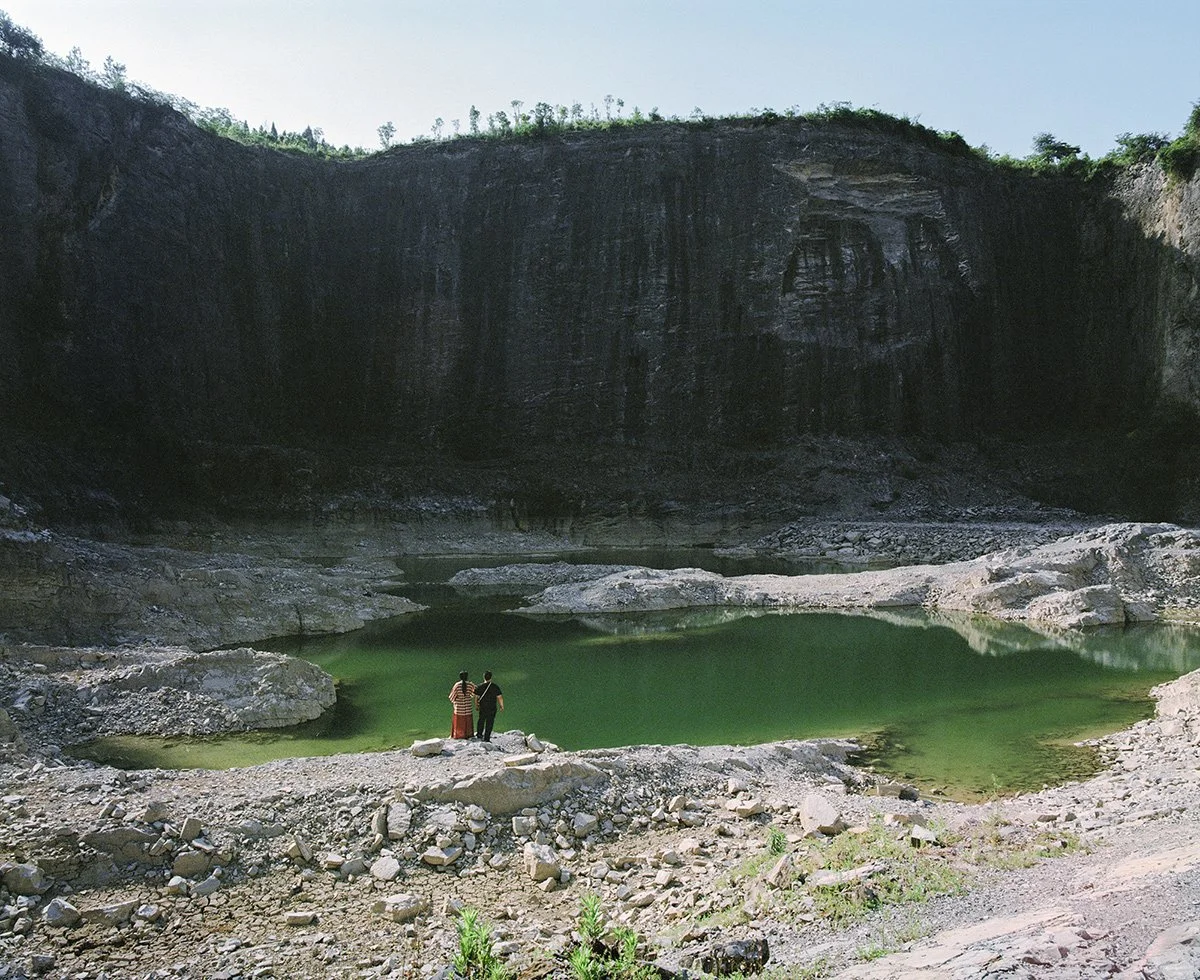
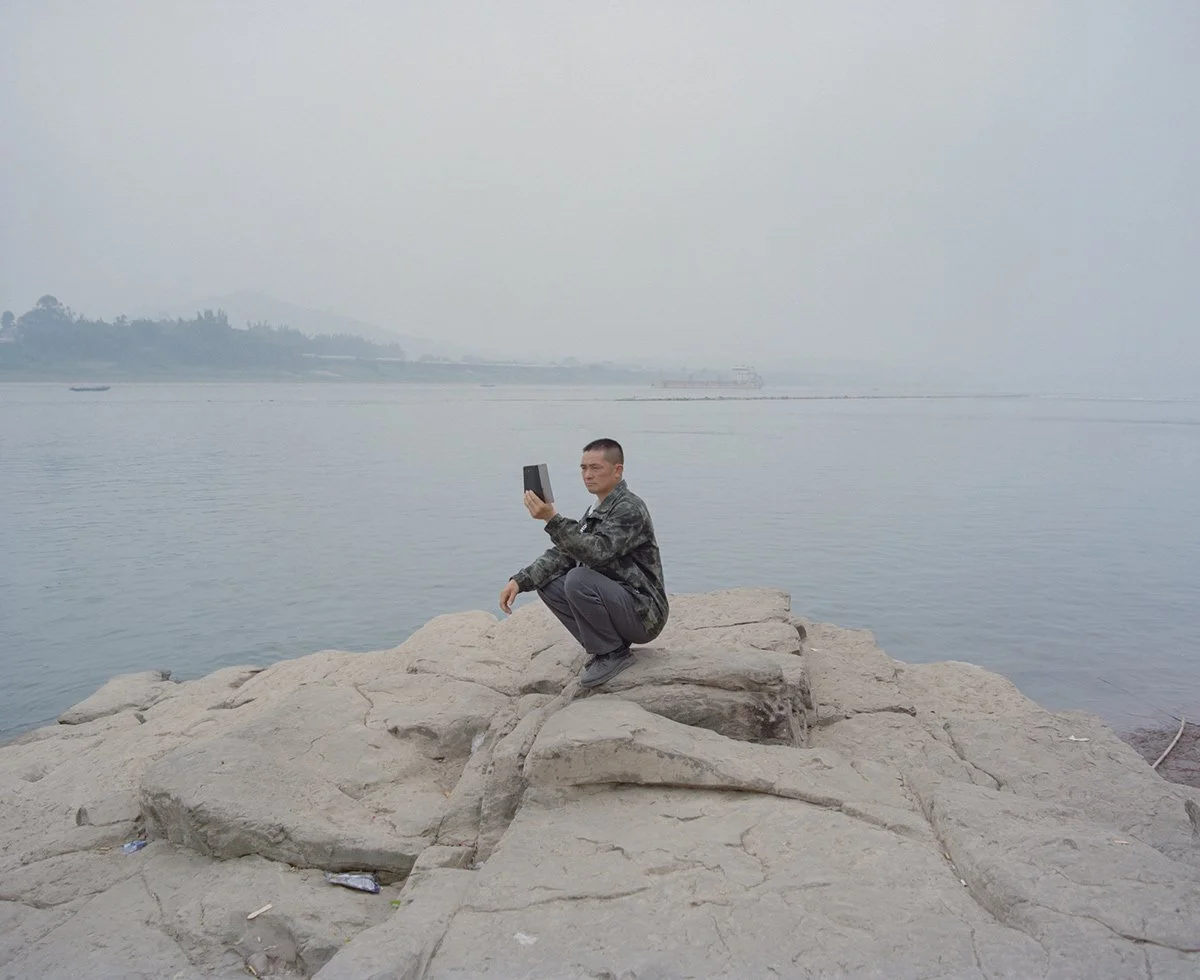
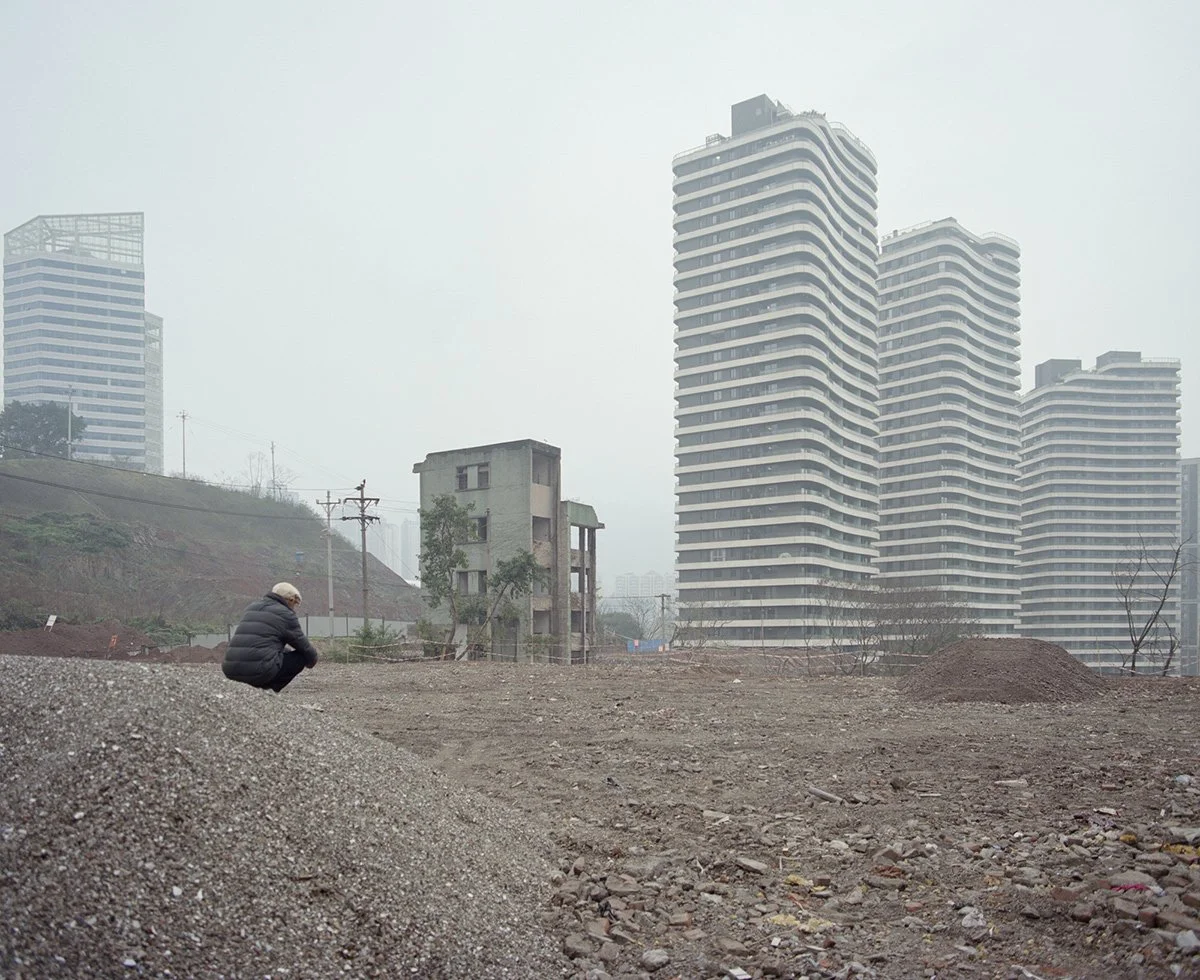
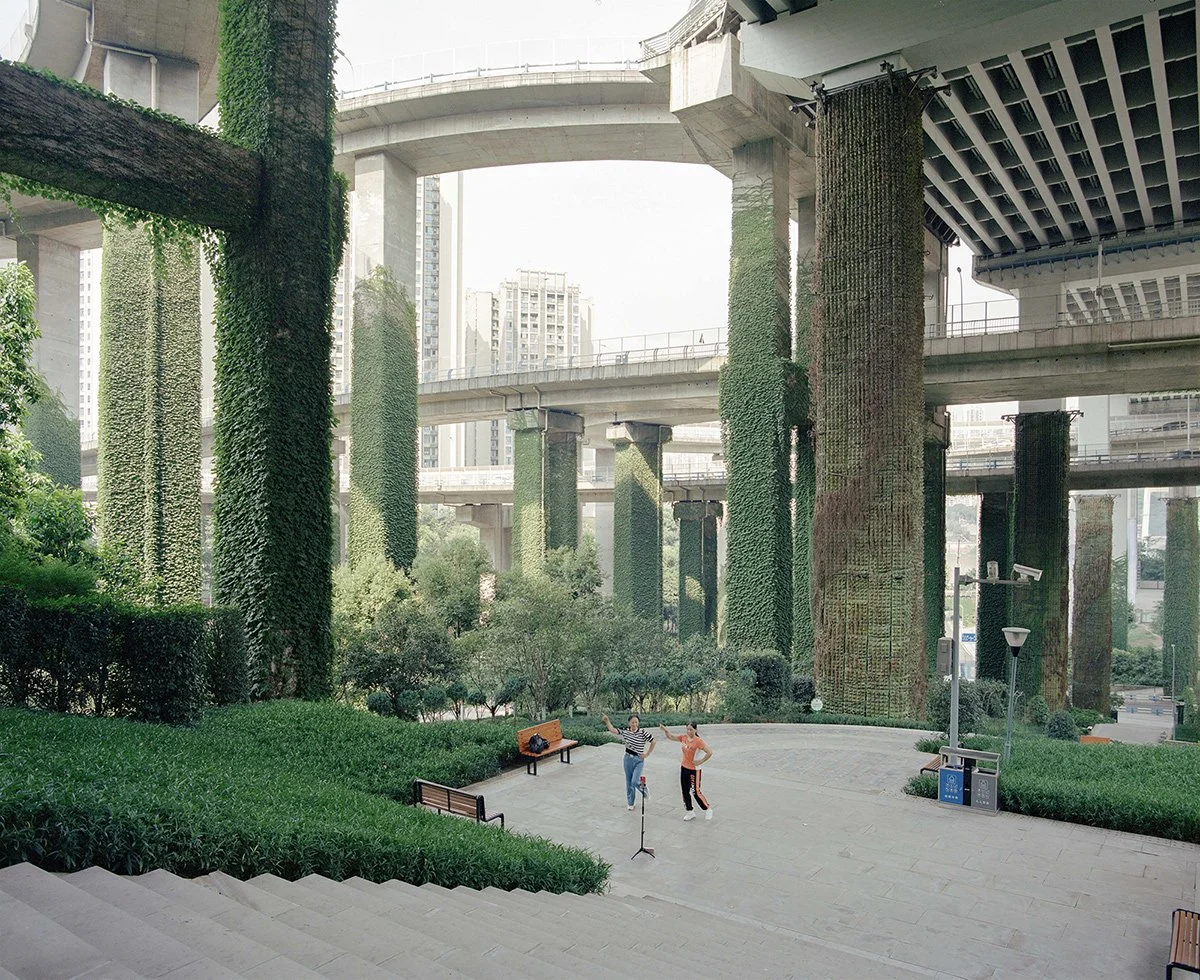
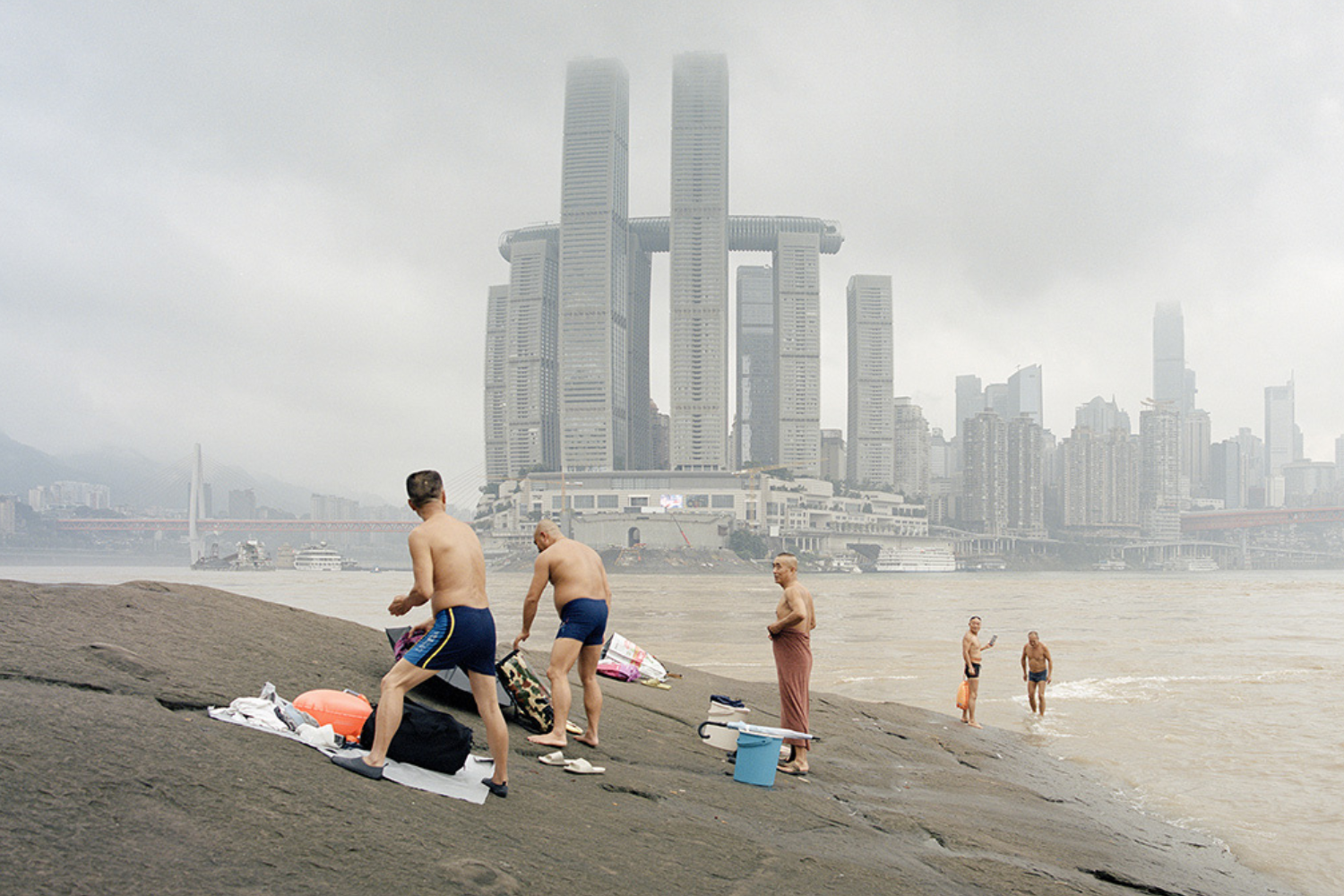
In his ongoing body of work, Whither Rivers Flow, Tu shifts his attention from the skyline to the quieter rhythms of everyday life. Along the banks of the Jialing and Yangtze rivers, his photographs reveal swimmers, ferry terminals, ageing neighbourhoods, and overlooked corners of the city that continue to exist beneath the relentless pace of urban transformation.
Born and raised in Chongqing, Tu returned home after studying elsewhere in China and found himself seeing familiar streets through a different lens. Rather than documenting the city’s increasingly famous architecture, he became interested in the relationship between people, memory and place. The project gradually evolved into both a visual archive of a changing city and a personal reflection on what it means to return home.
What makes Whither Rivers Flow so compelling is its restraint.
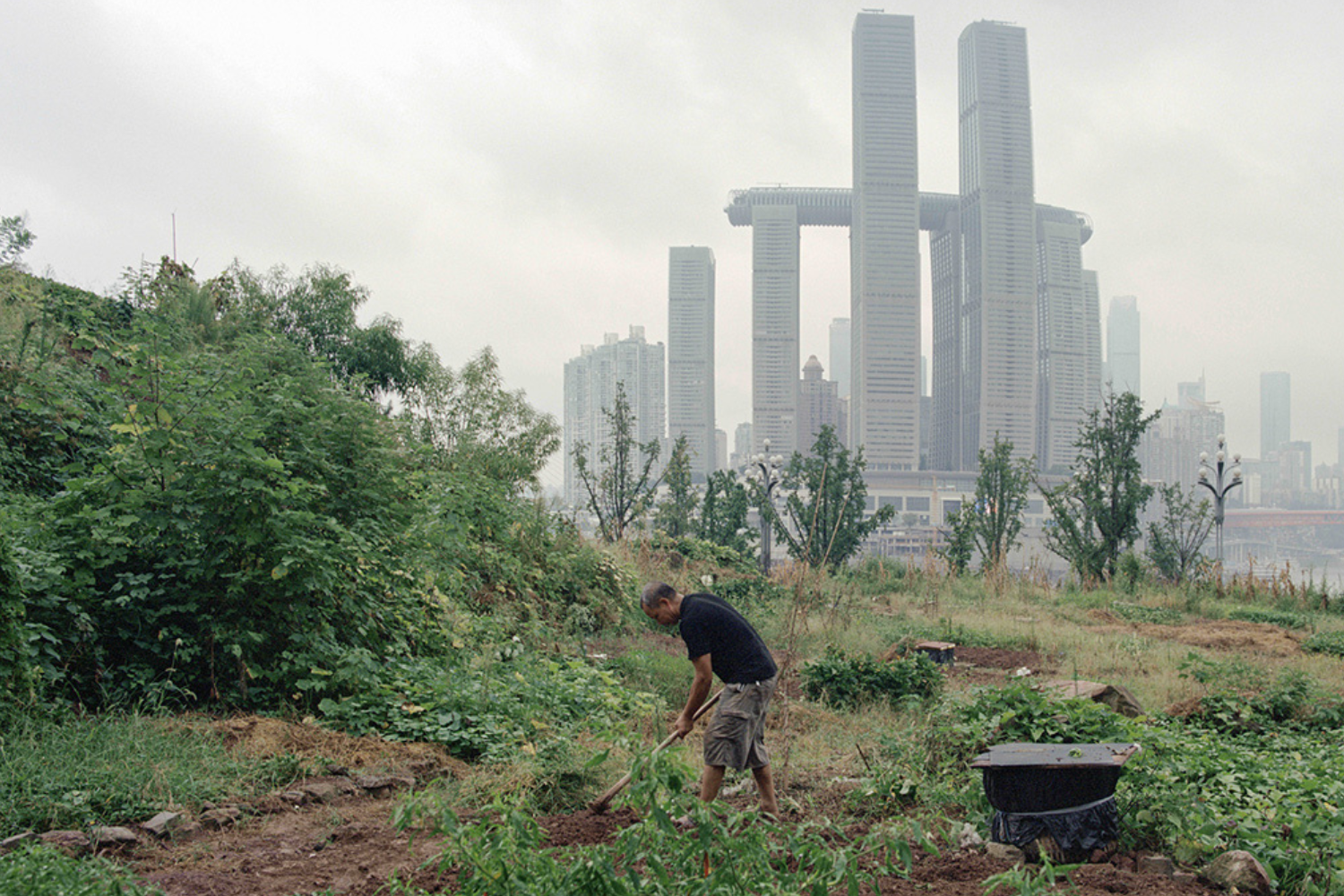
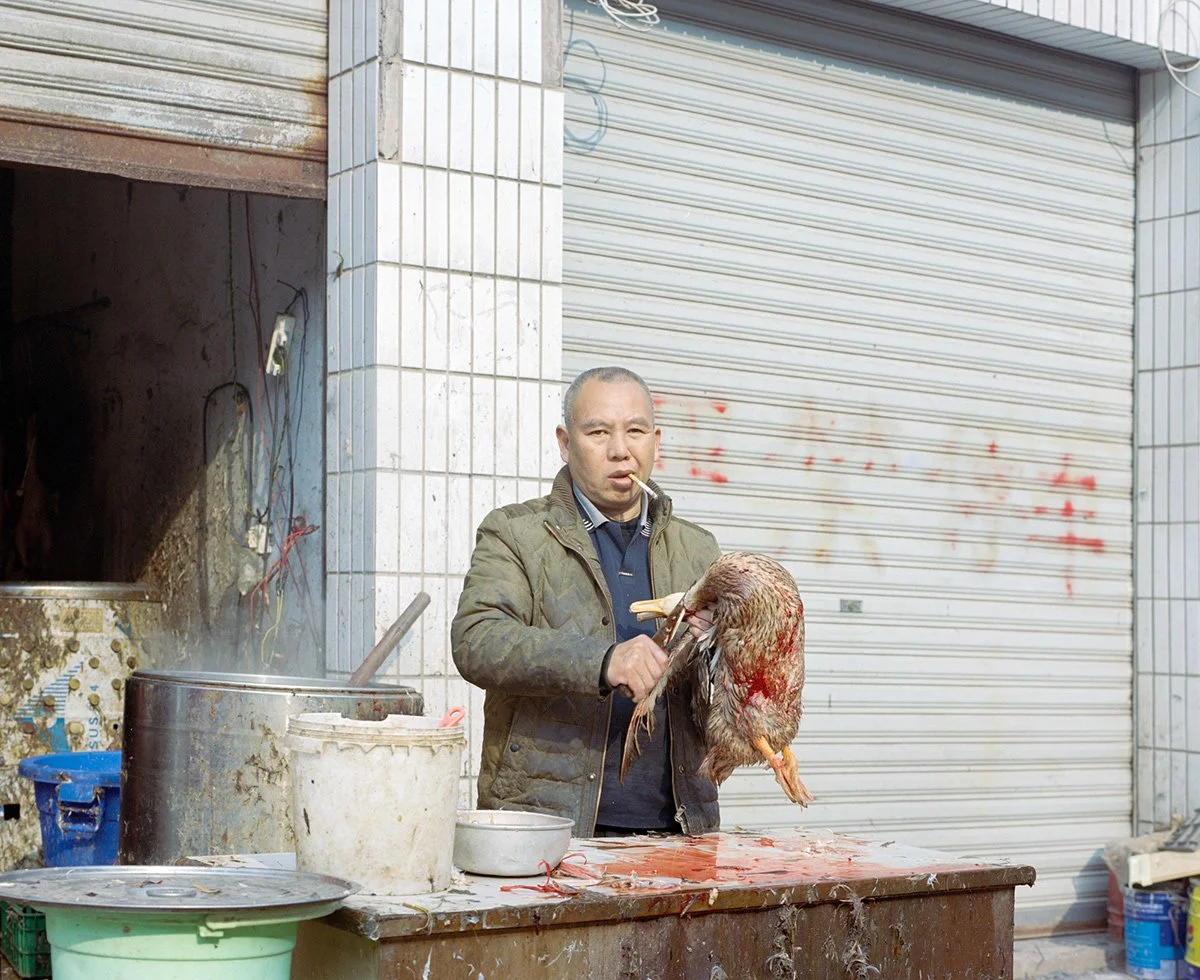
Tu never competes with the scale of Chongqing. Instead, he quietly observes it. His photographs allow everyday moments to occupy the frame, reminding us that cities are defined less by the buildings that shape their skylines than by the lives unfolding beneath them.
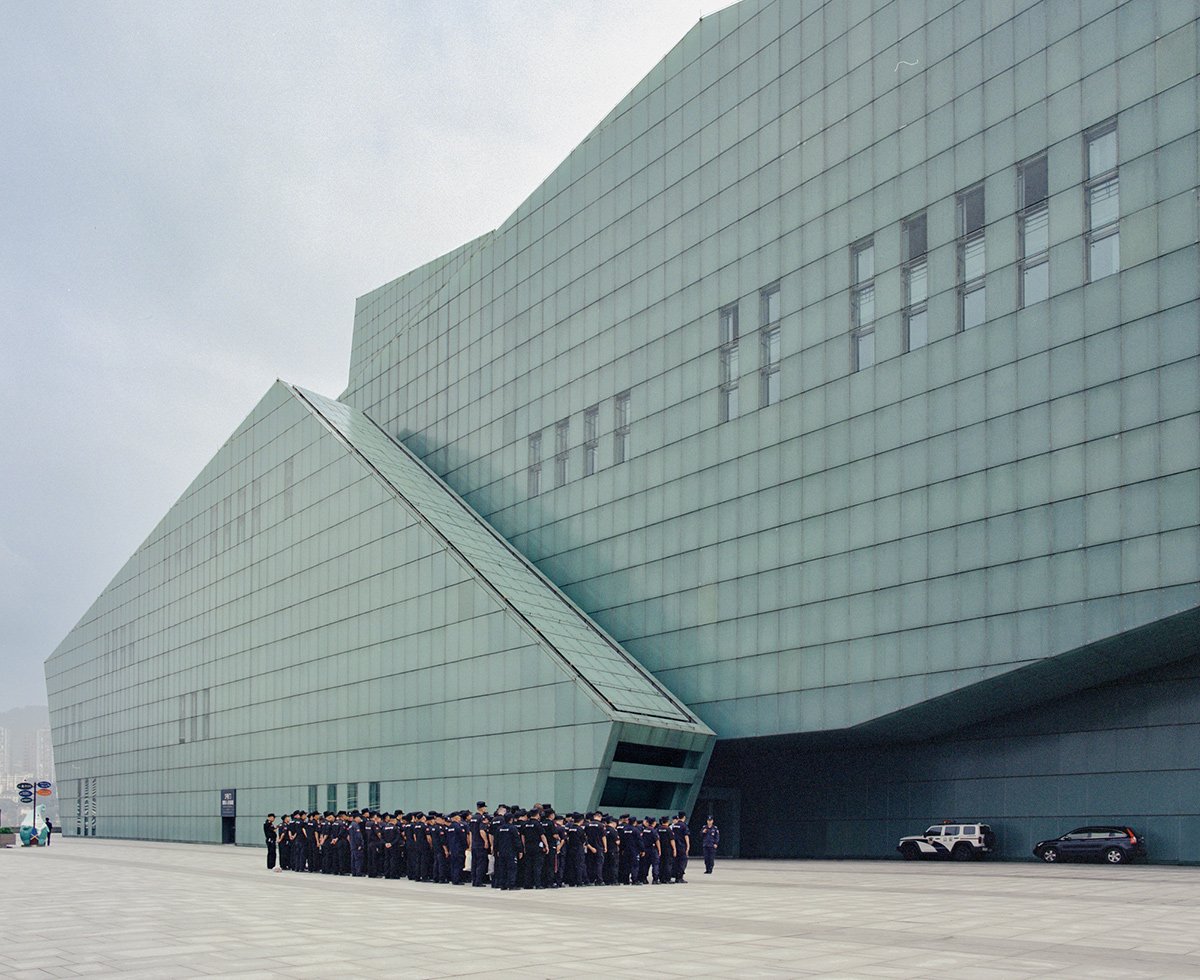
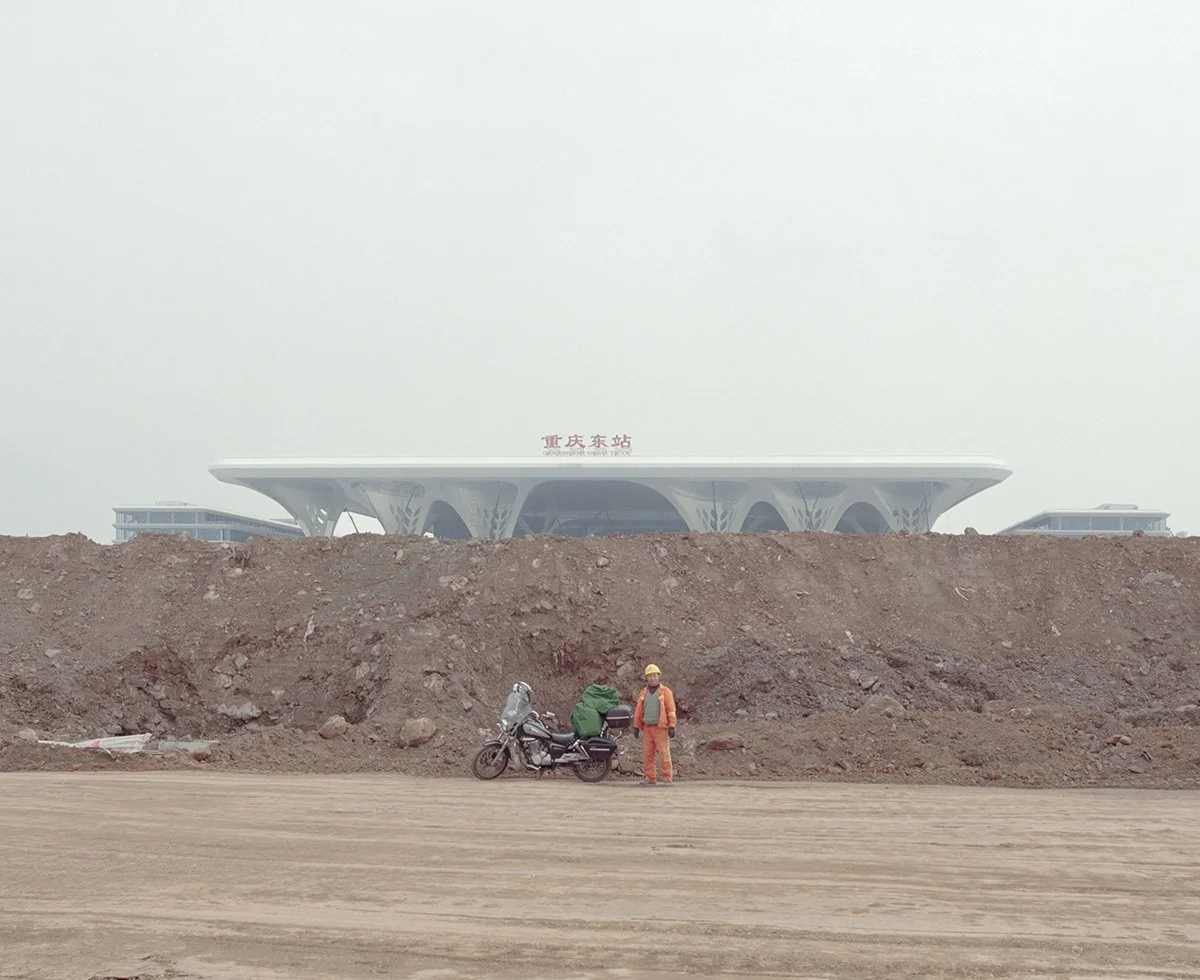
Children swim in rivers overlooked by towering developments. Residents gather along ageing riverbanks. Industrial landscapes sit beside new construction. Rather than presenting these contrasts as spectacle, Tu treats them with patience, allowing the viewer to discover the tension between past and present for themselves.
The title itself feels quietly poetic. Rivers never stop moving, carrying traces of everything that came before while constantly reshaping the landscape ahead. Tu’s photographs reflect that same rhythm, acknowledging change without losing sight of memory, community and the people who continue to anchor the city.
At a time when Chongqing has become an internet fascination for its dramatic architecture and impossible infrastructure, Whither Rivers Flow offers something slower and more enduring. It reminds us that the most compelling photographs of a place rarely come from chasing its landmarks. They come from understanding the people who call it home.
Sometimes the most interesting way to see a city is to stop looking at its skyline.
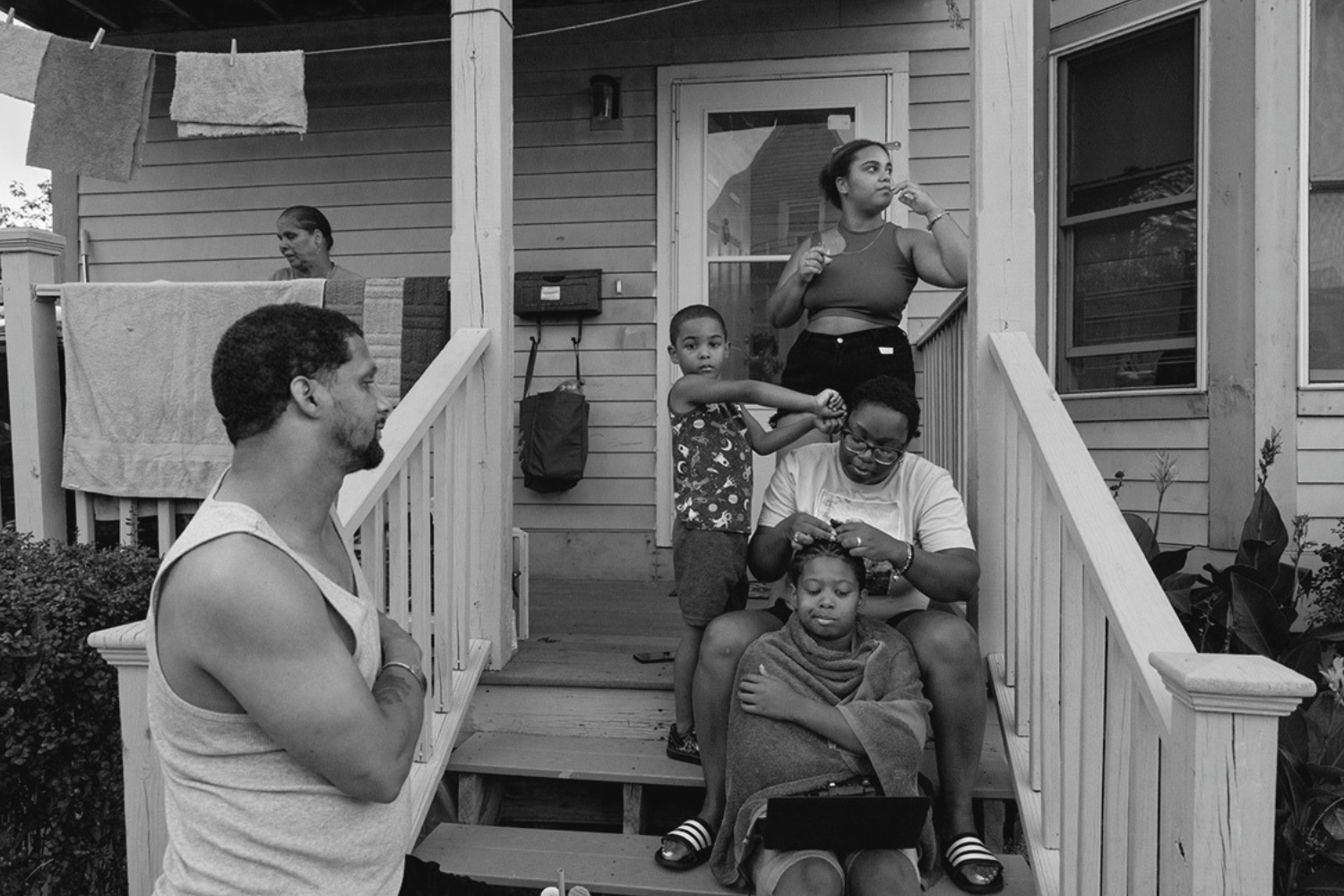
Some photographs tell you exactly what they want you to see. Raul Guillermo’s don’t. In Focus #003 looks at An Inherent Tear and the strange little performances we learn before someone points a camera at us.