
There’s an age when the world gets very small.
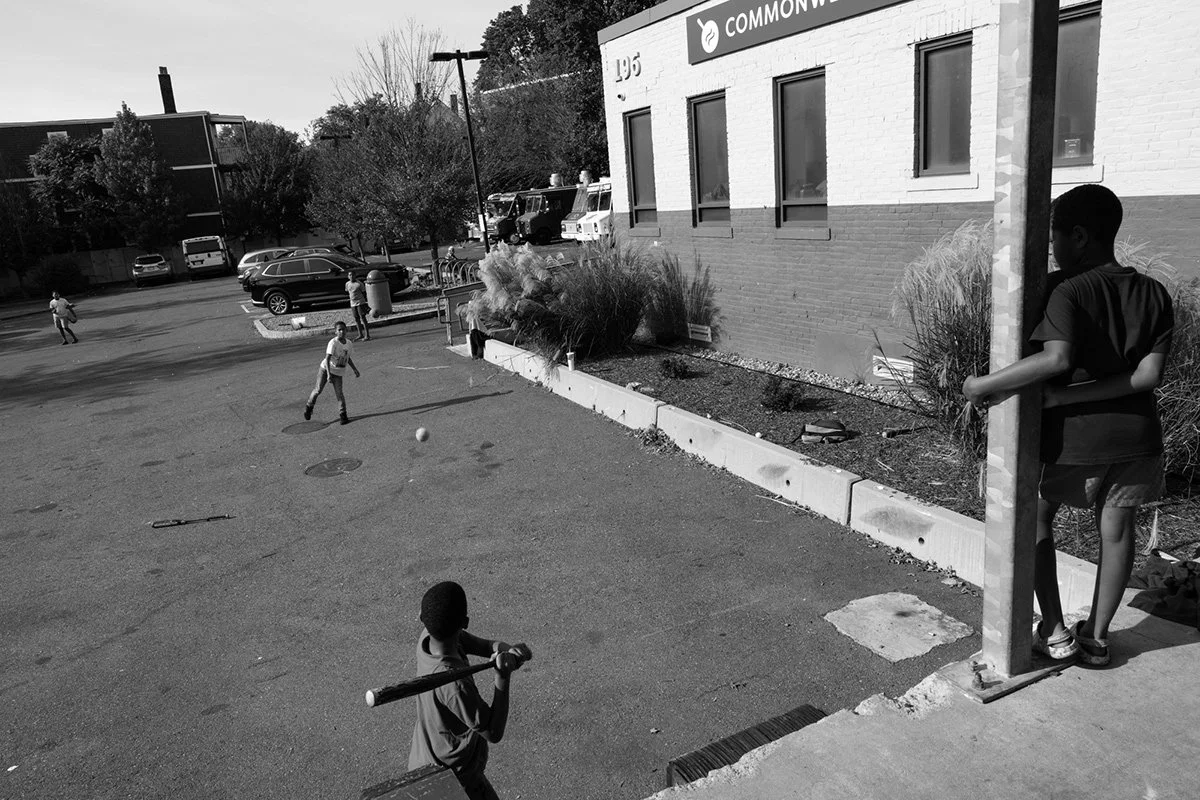
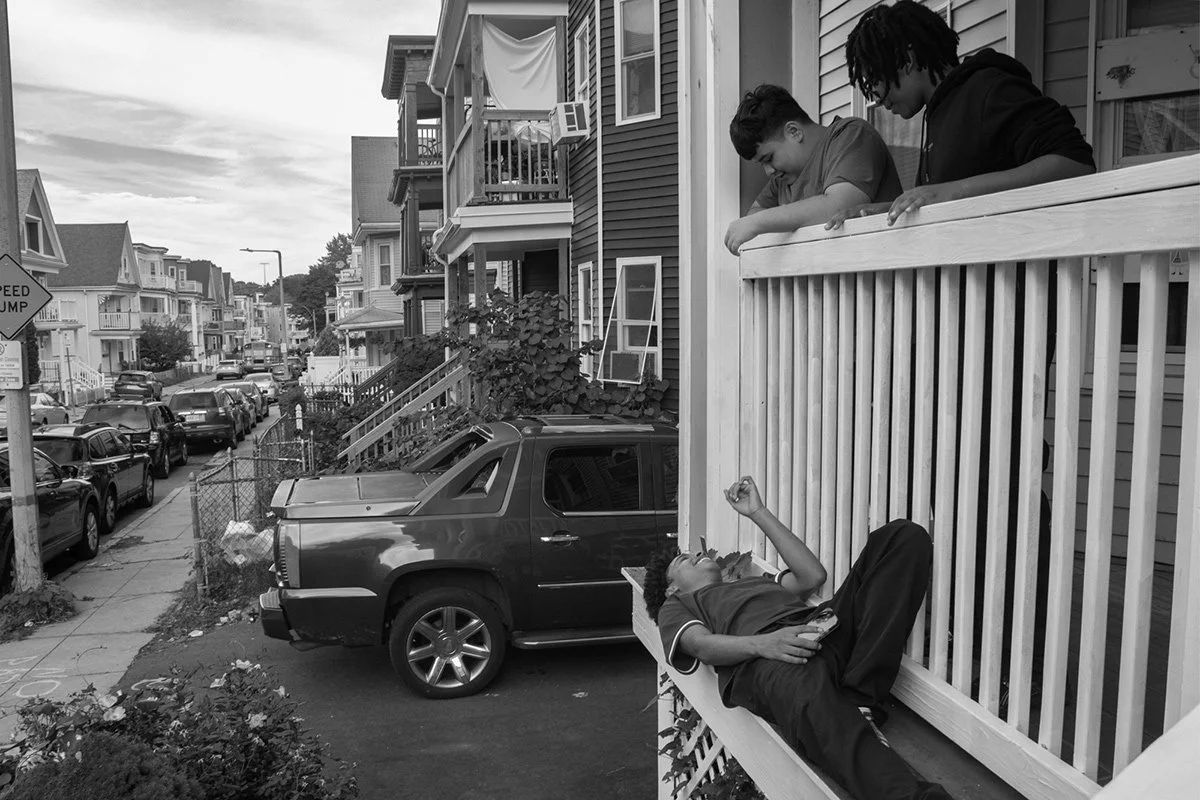
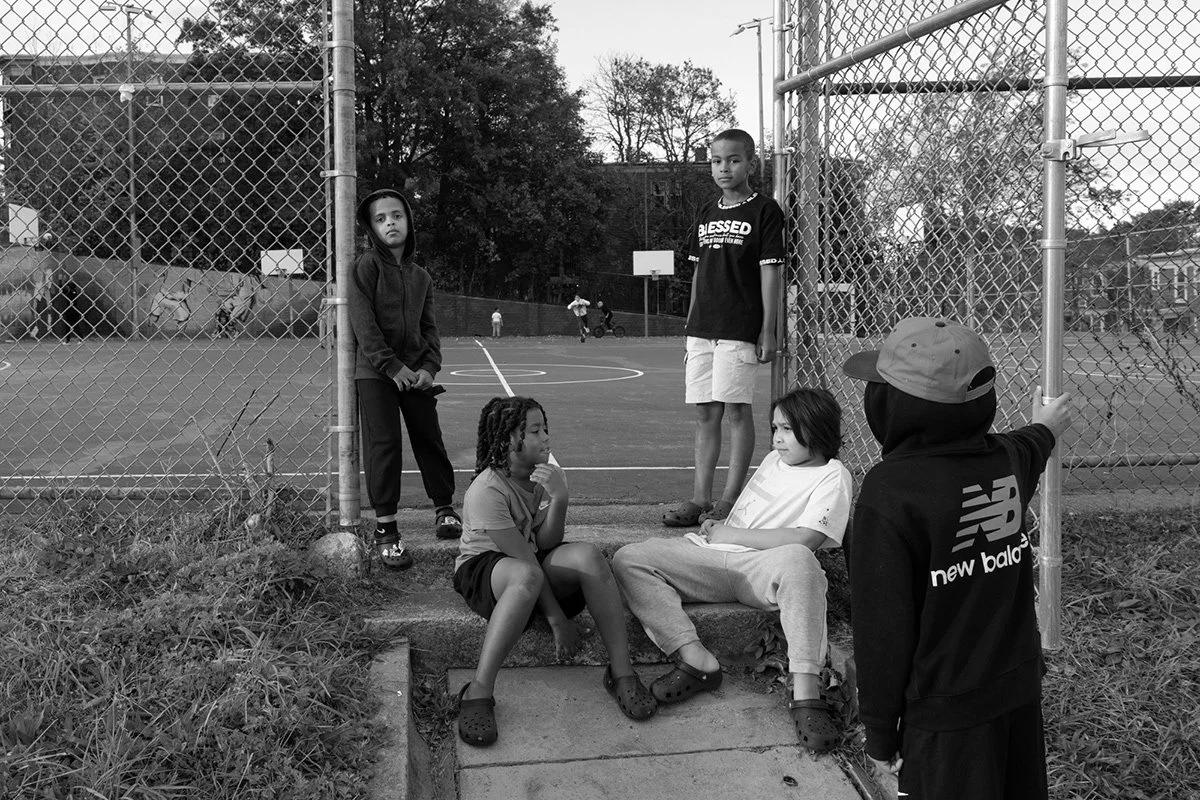
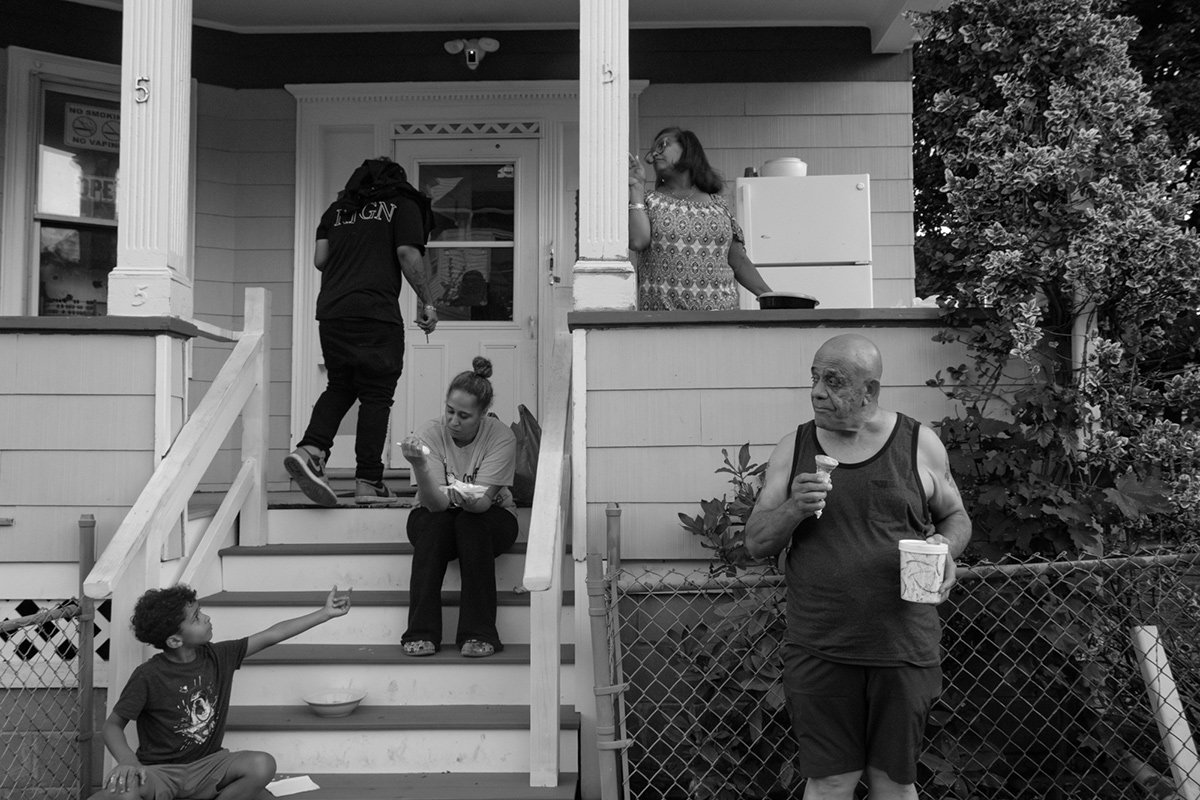
A street. A basketball court. Someone’s front steps. The corner you’re told not to hang around on but do anyway. A handful of people you see every day because, at sixteen, seeing someone yesterday is no reason not to see them again today.
These places rarely look important while you’re standing in them.
Twenty years later, they can mean everything.
Photographer Luke Rosing seems interested in that space. Not adolescence as spectacle, rebellion or some romanticised version of being young, but the quieter machinery underneath it: friendship, proximity, boredom, loyalty and the strange little communities we build before most of us really understand that we’re building anything at all.
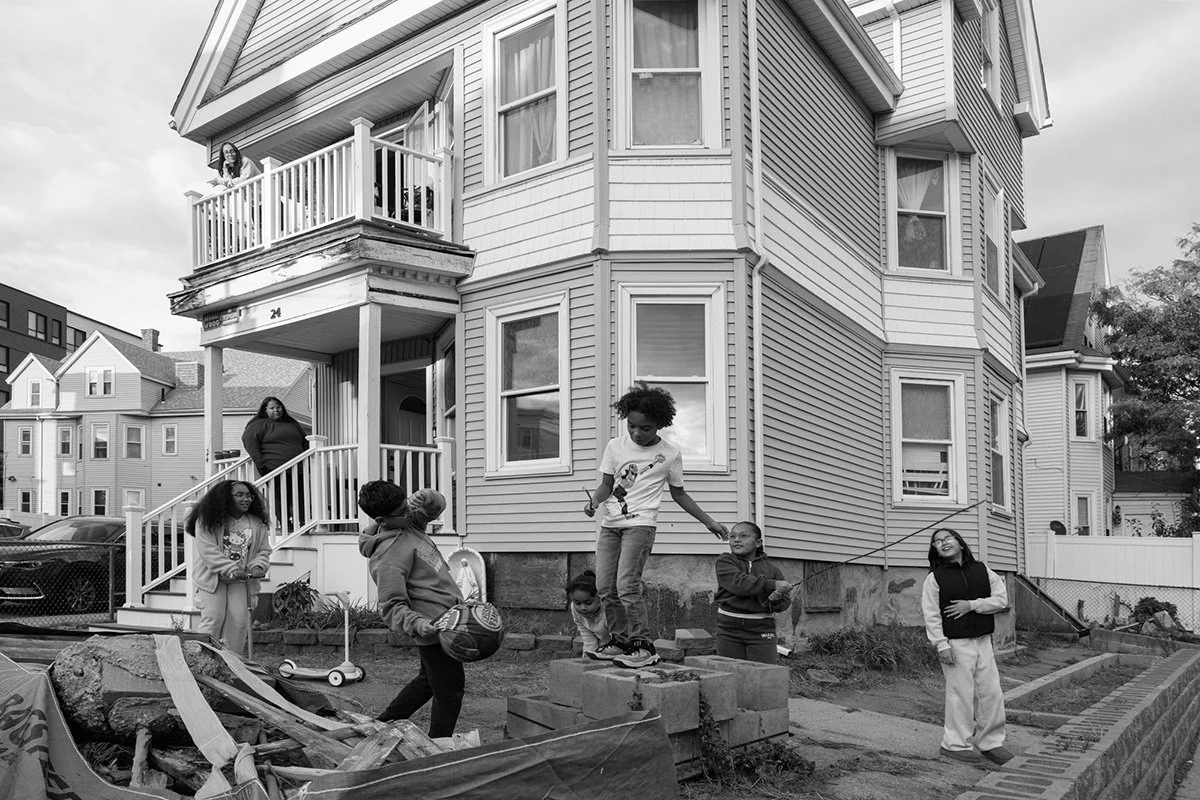
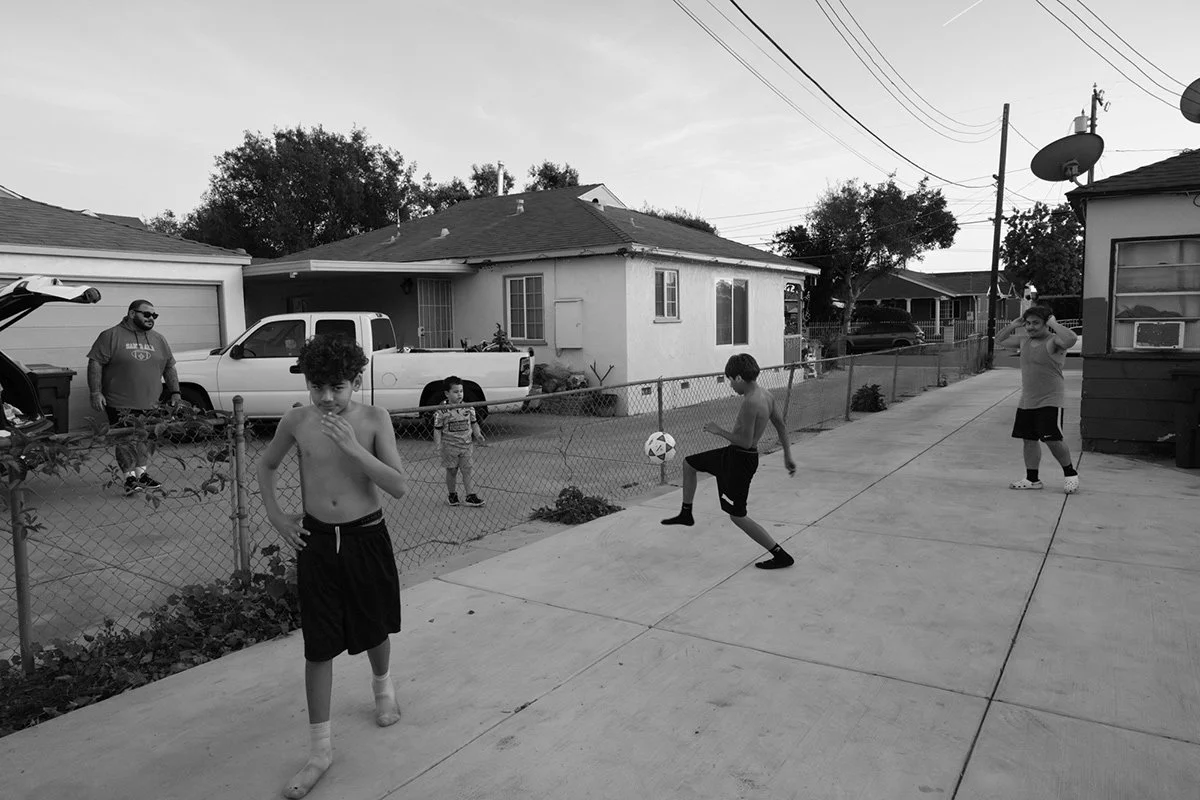
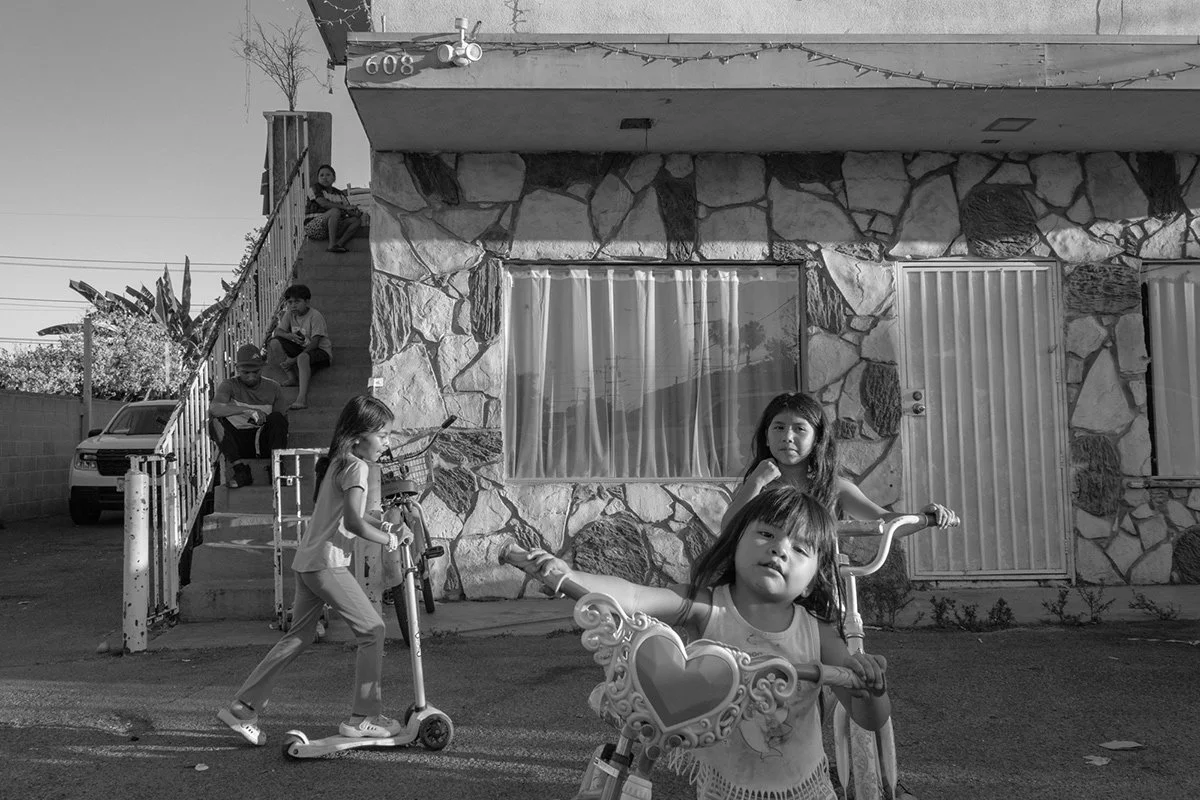
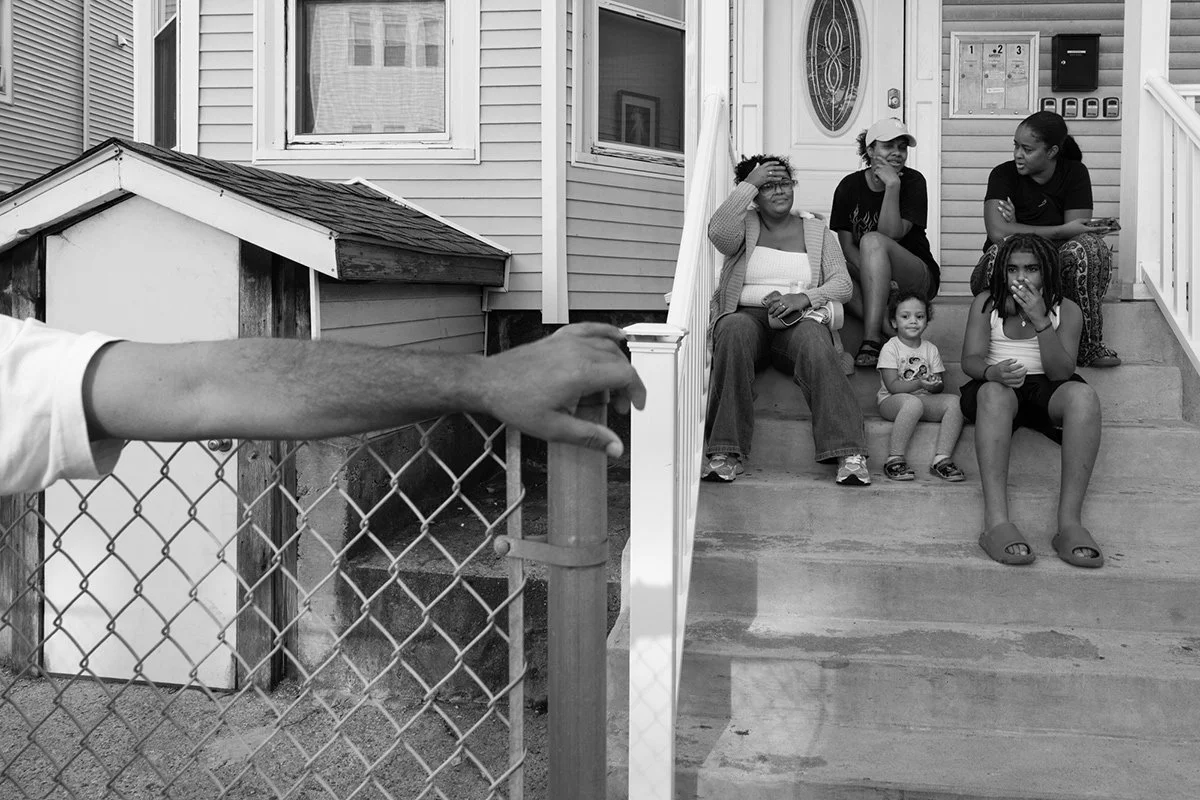
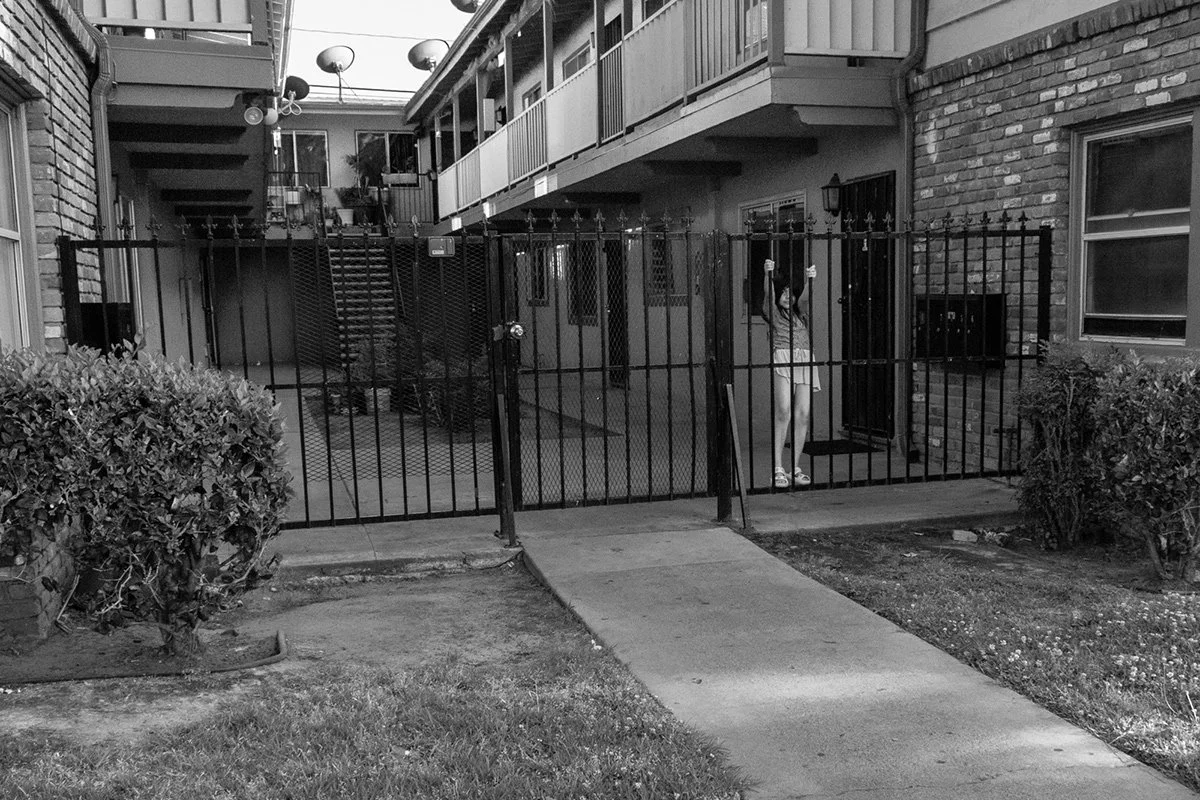
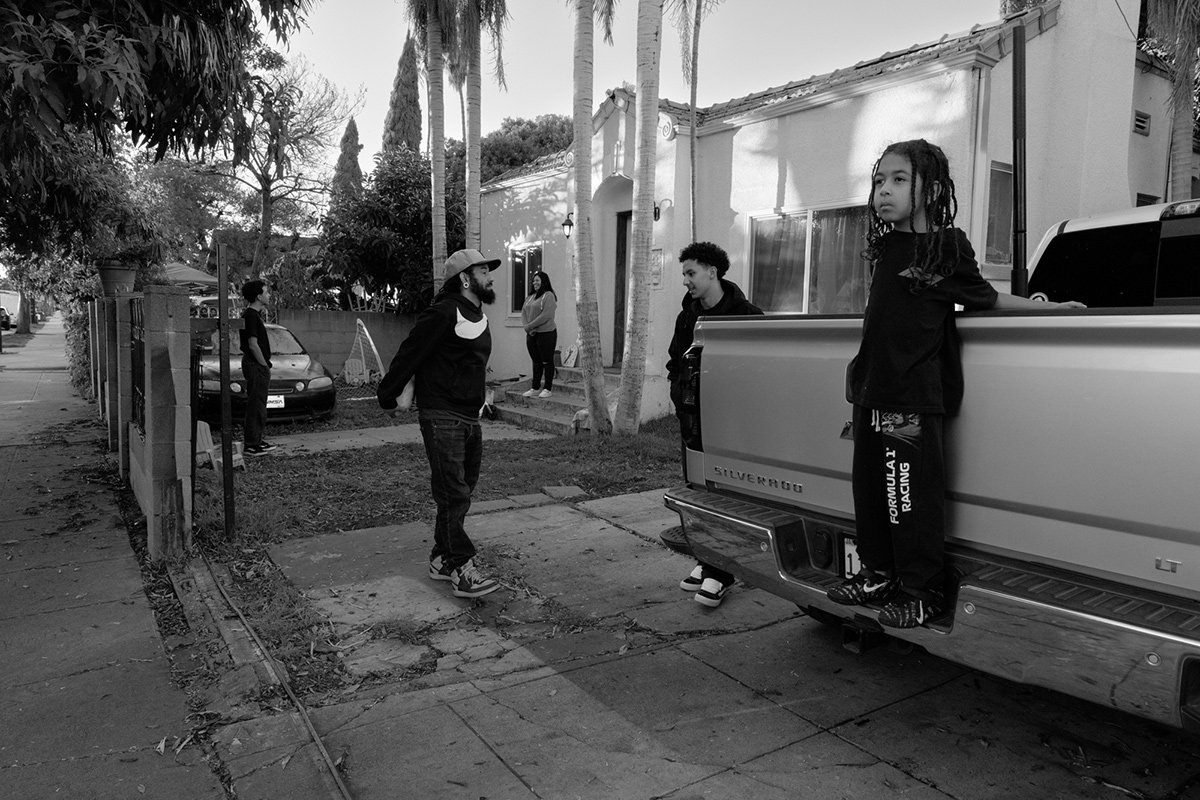
His ongoing series Cartilage moves between Dorchester, Massachusetts, near where Rosing attended college, and Santa Ana, California, close to where he grew up.
Two places on opposite sides of America. Different streets. Different light. Same basic human requirement.
We need people.
Rosing’s interest in community comes partly from having felt its absence himself. Growing up, he has spoken about feeling detached from siblings, extended family and neighbours. Photography appears to have given him a way of walking back towards the thing he felt he missed.
That makes Cartilage less about documenting a particular generation of young people and more about trying to understand what happens between them.
And that distinction matters.
Because the good photographs here aren’t screaming for your attention. They don’t feel like someone arrived with a camera determined to prove how interesting everybody was.
Rosing watches.
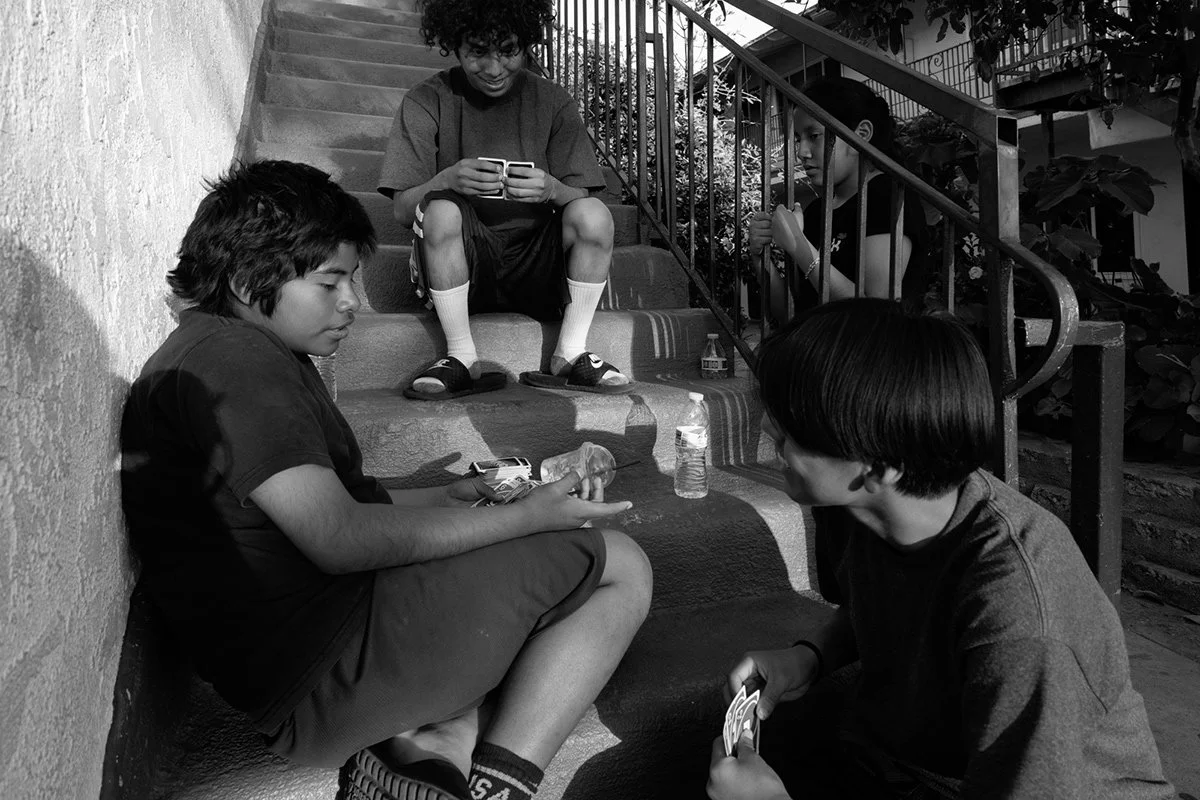
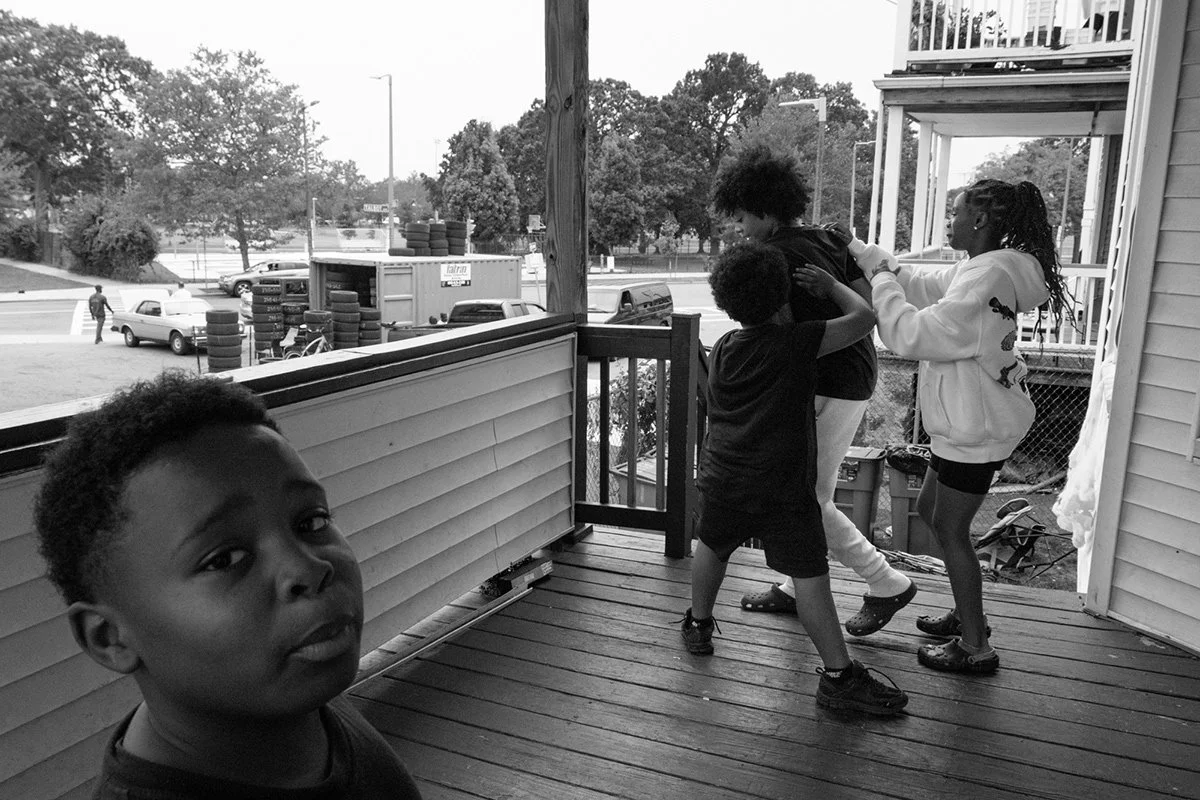
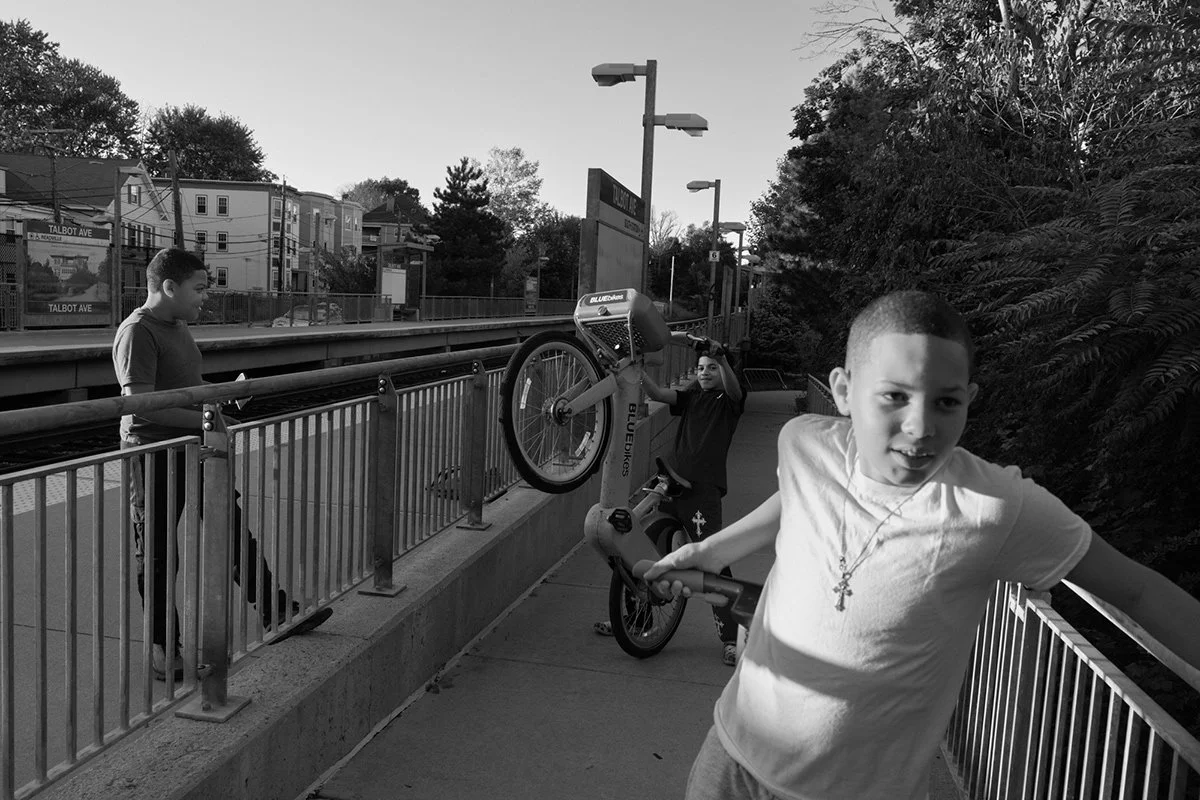
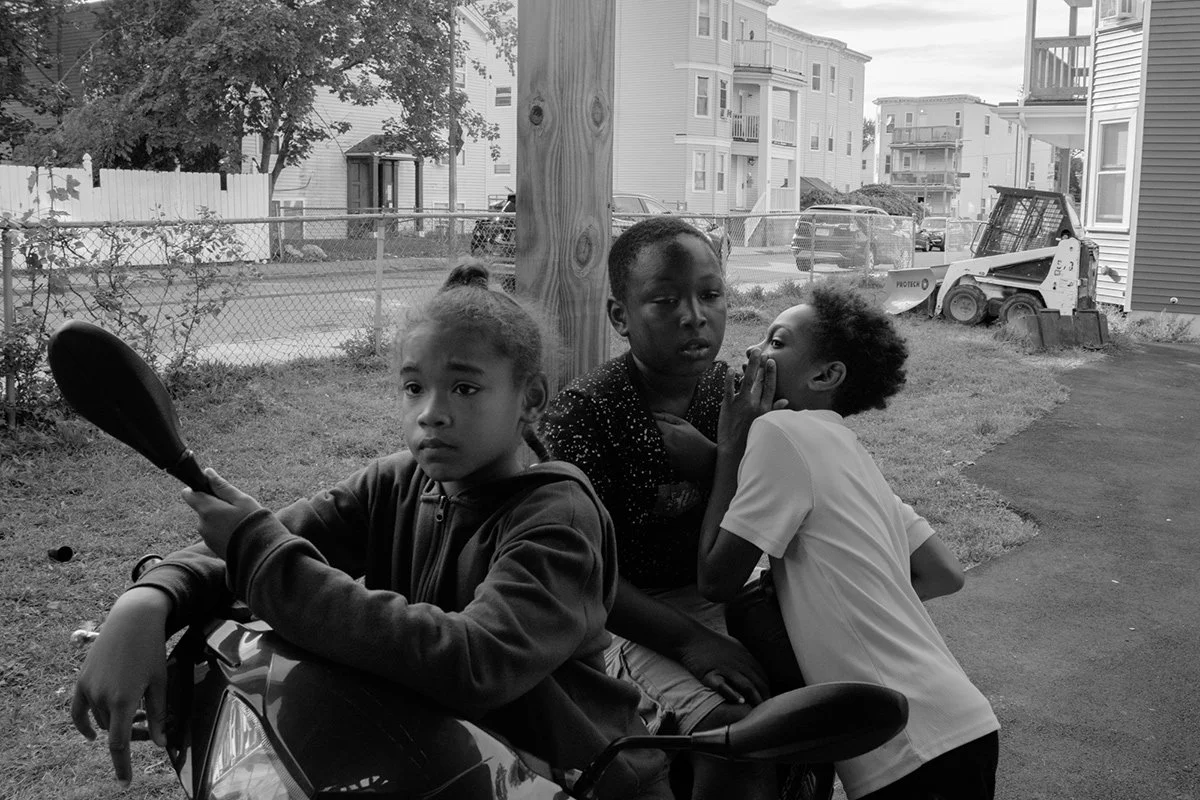
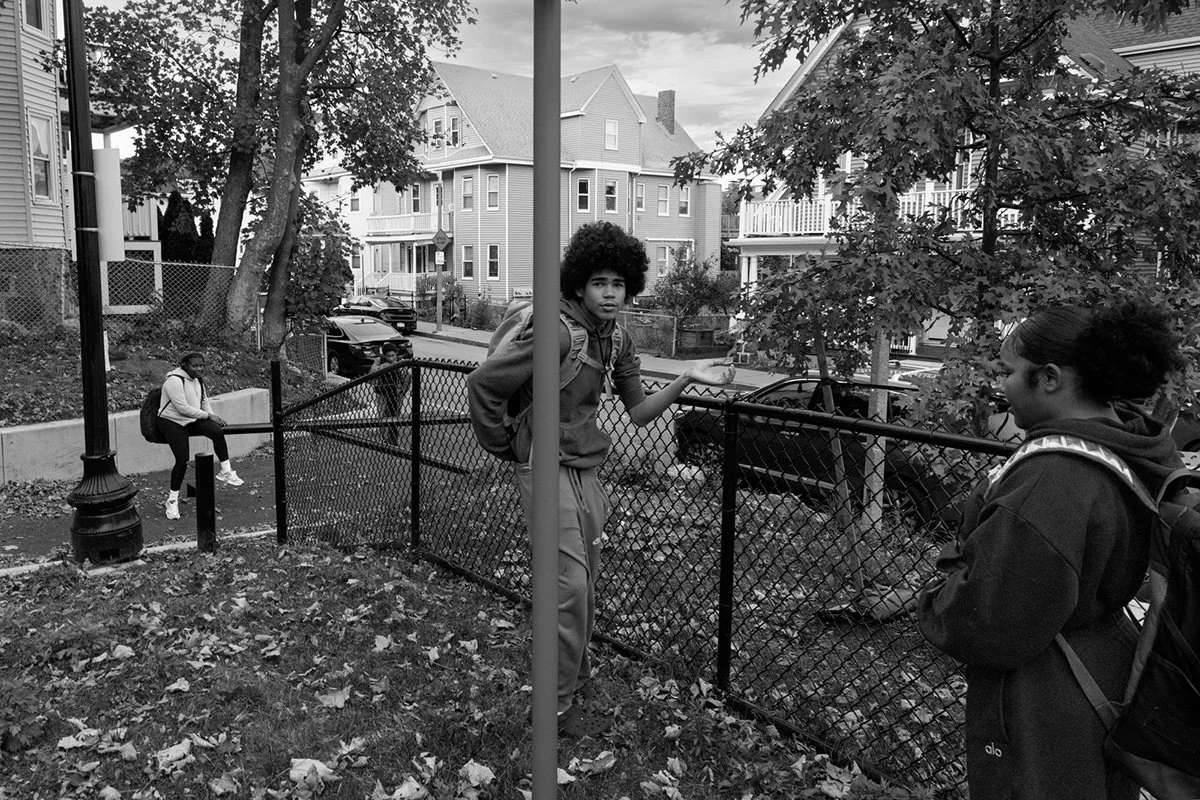
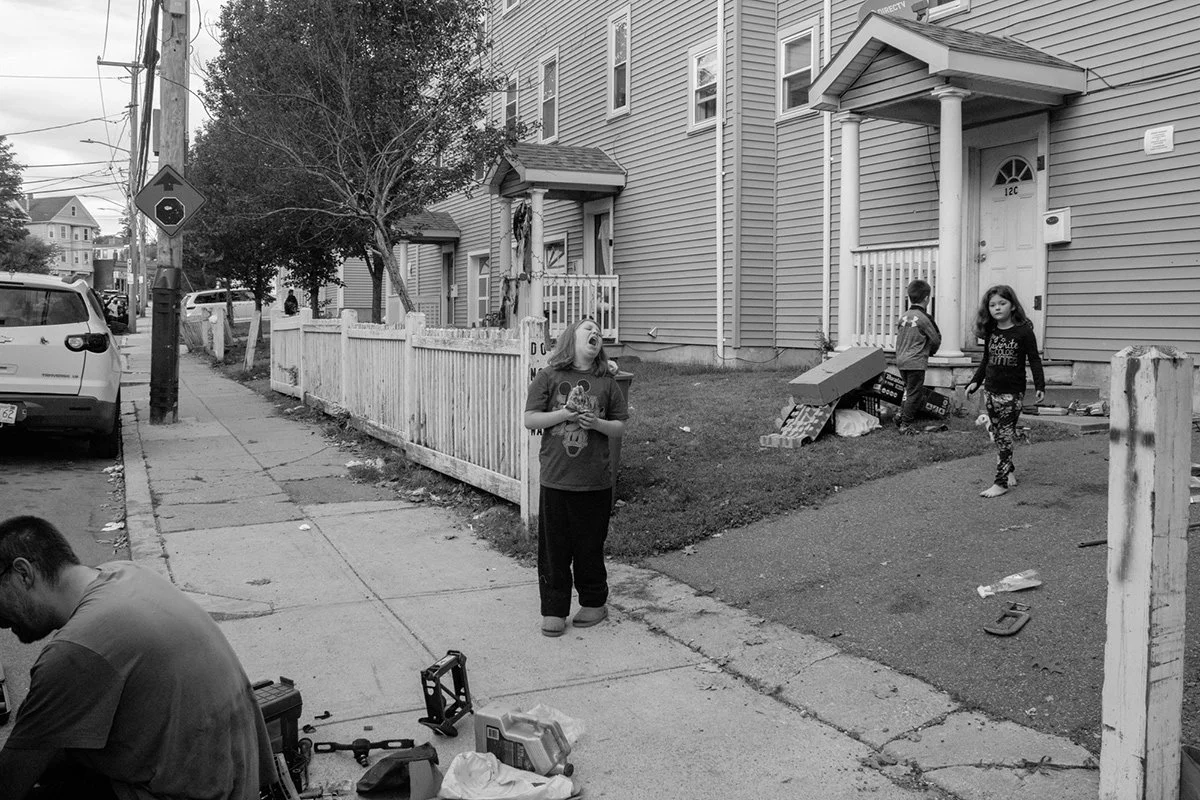
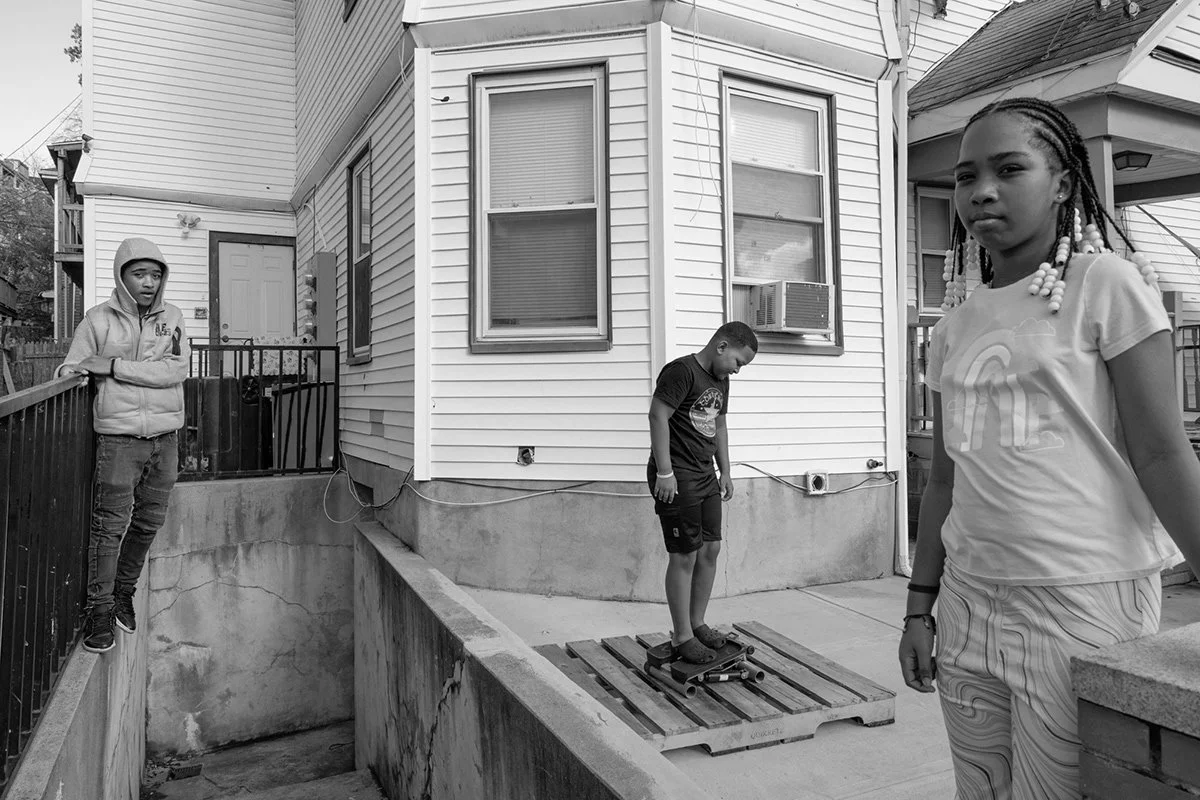
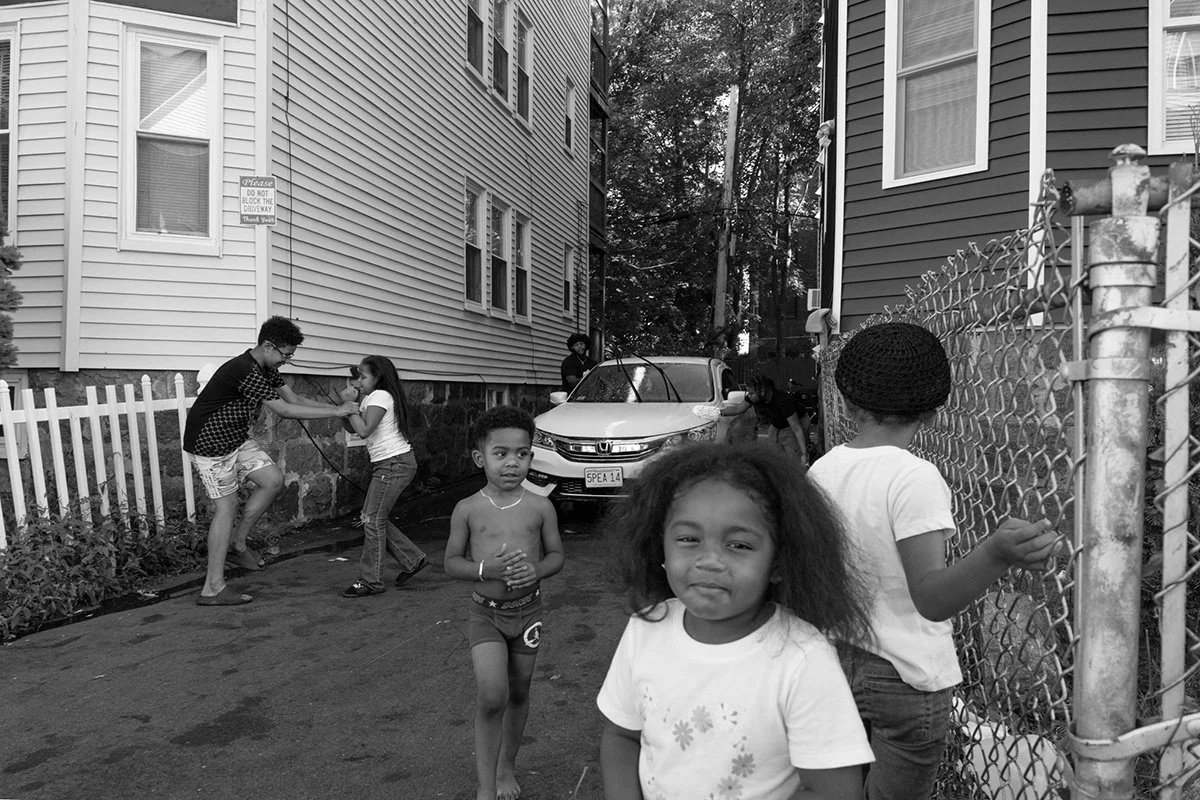
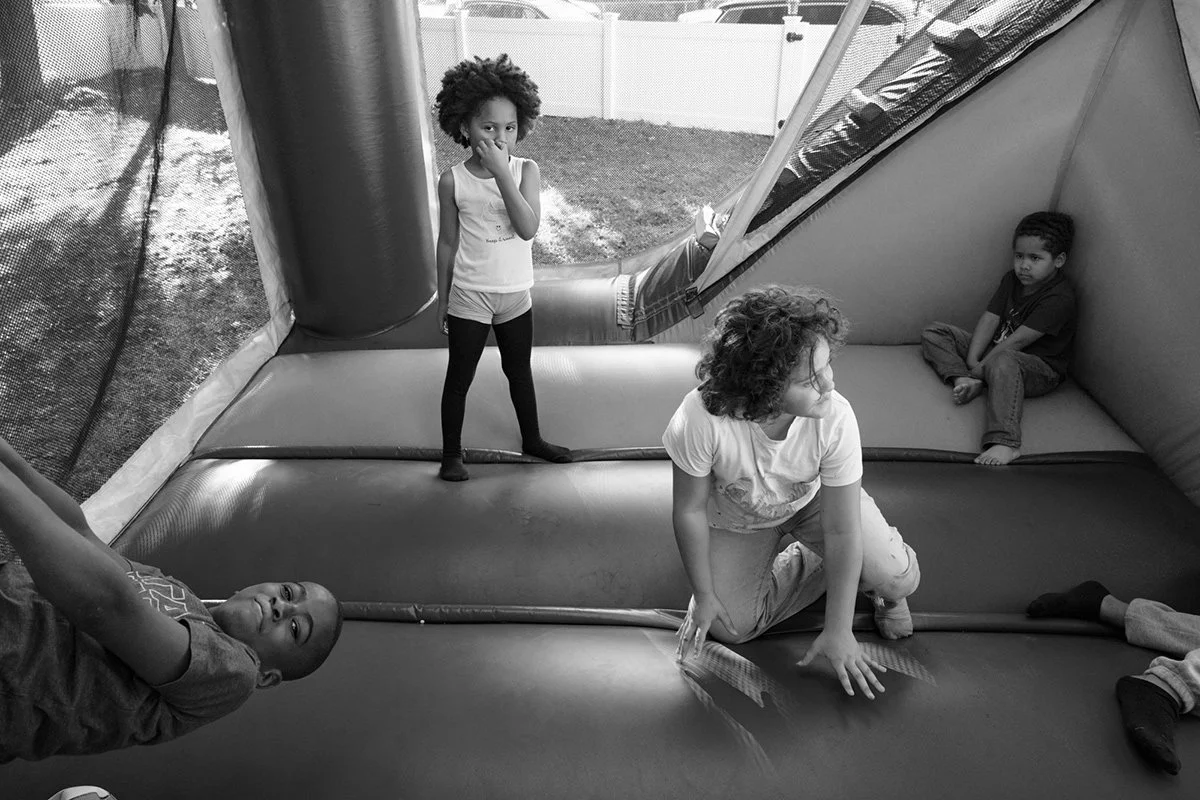
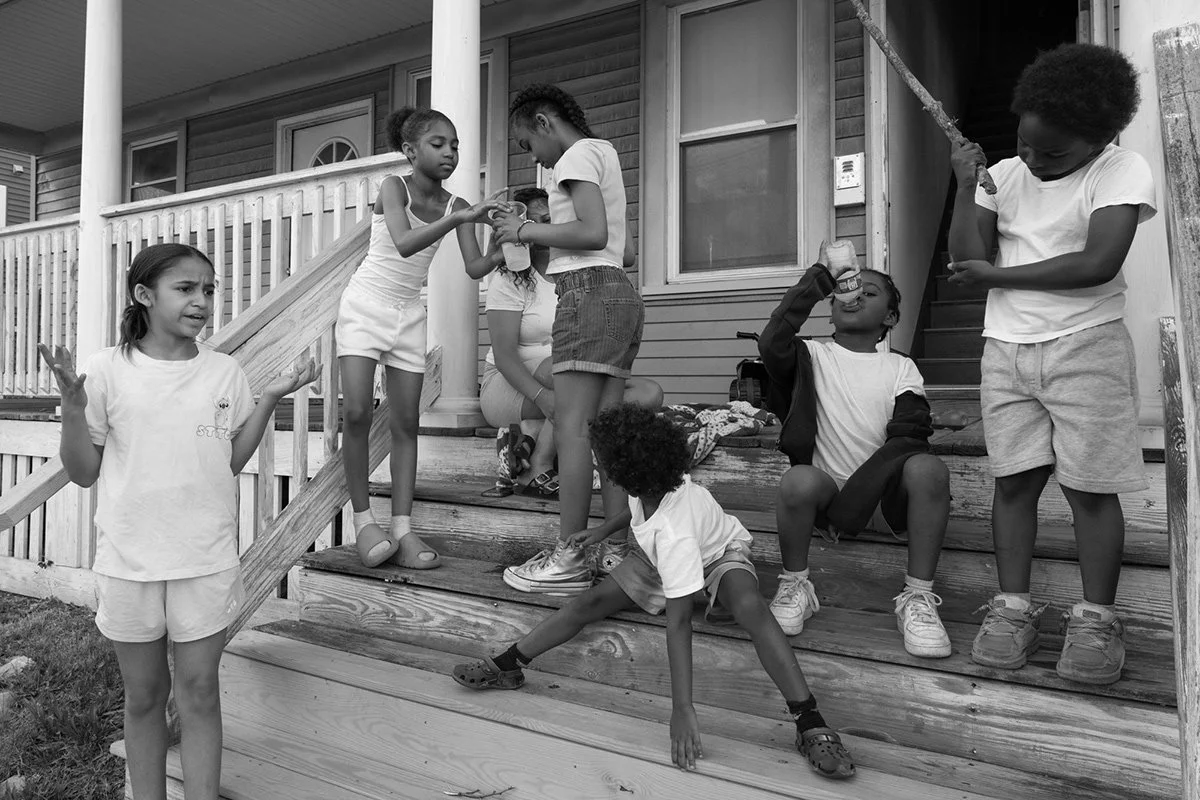
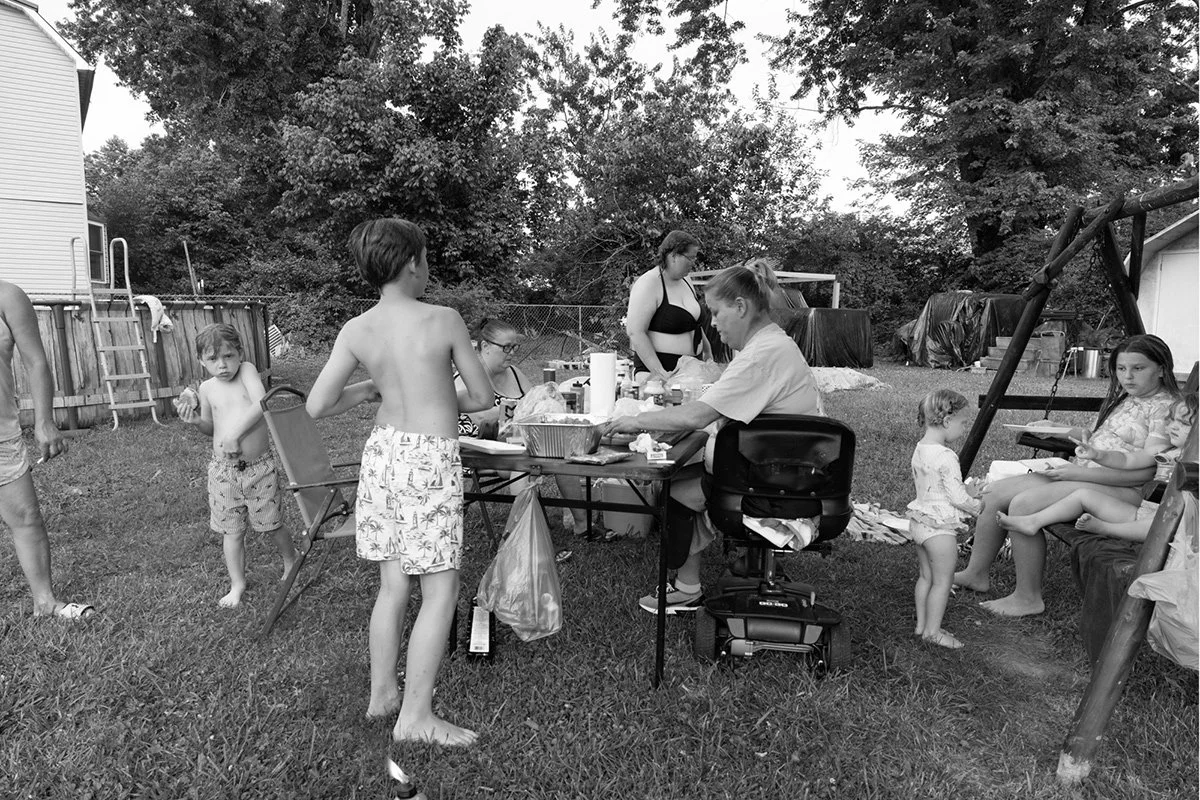
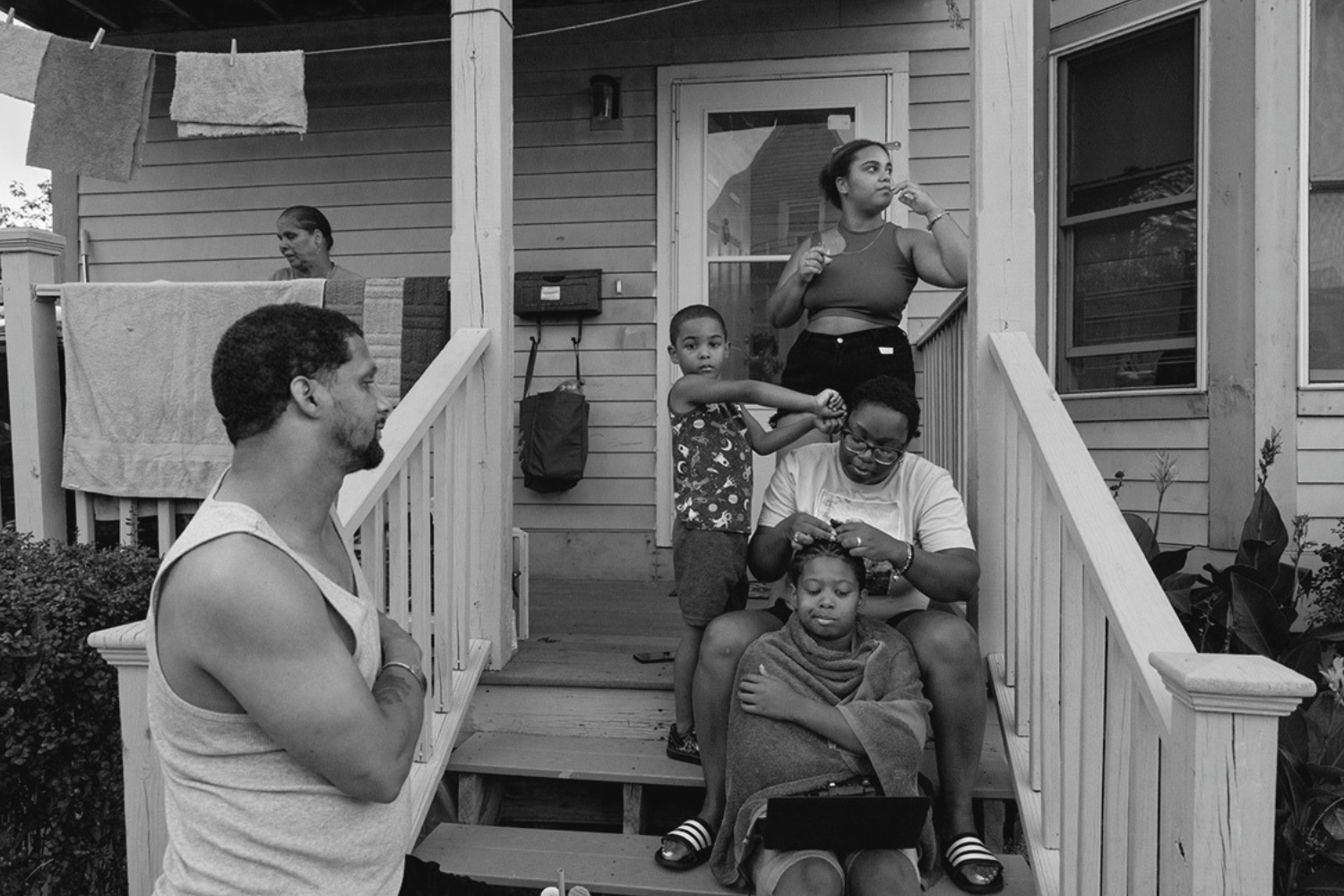
Bodies lean into one another. Kids occupy streets and rooms. Someone looks directly into the lens while someone else seems completely unaware of it. There are gestures that mean absolutely nothing to an outsider and probably everything to the people involved.
That is often where photography gets interesting.
Not in the big event.
In the half second before it, or the five minutes afterwards when everybody assumes nobody is looking.
The title came from something Rosing’s father once told him about cartilage during a discussion about surgery. It is resilient, malleable and necessary for growth. Rosing began thinking about community in adolescence in much the same way: connective tissue that gives us enough support to expand.
It’s a good metaphor because adolescence itself is basically one long structural renovation.
Nothing quite fits.
Your body changes. Your ideas change. Your relationship with your parents changes. You discover sex, music, disappointment, confidence, embarrassment, bad haircuts and people you’re absolutely certain you’ll know forever.
Some disappear by twenty-one. A few remain for life. But for a while, they hold the whole damn structure together. Perhaps that is what Rosing is photographing. Not youth itself, but its scaffolding.
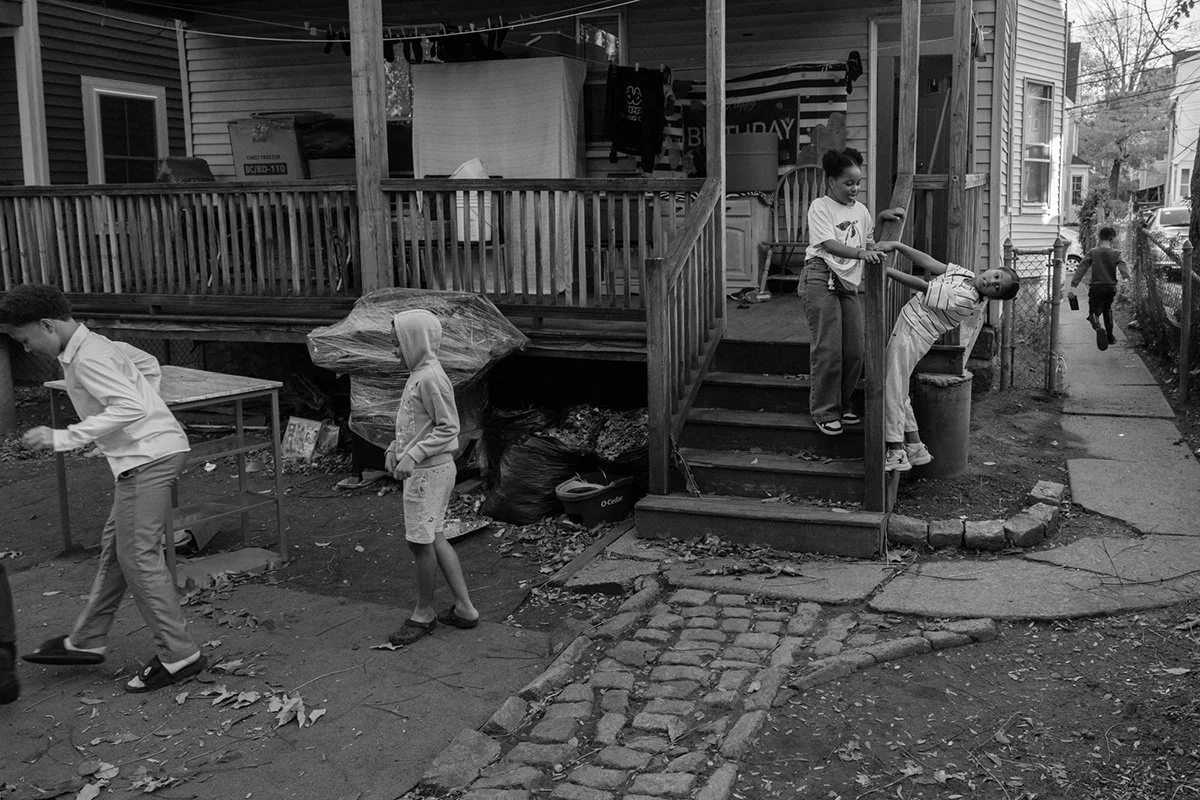
There’s something else worth watching in his work too. Rosing is still at the beginning of his photographic career. Boston College recently recognised him with its Emergence Award, describing a practice rooted in documentary photography, community and sustained observation. His work was also recognised with an Honourable Mention in the 2026 Lenscratch Student Prize.
Awards are nice.
But photography ultimately has to survive without the paragraph underneath it.
Rosing’s pictures do.
They carry the looseness of youth without turning young people into characters. They allow awkwardness to remain awkward. They leave enough unresolved that you have to stay with them for a while.
That restraint is becoming increasingly rare.
Some photographs tell you exactly what they want you to see. Raul Guillermo’s don’t. In Focus #003 looks at An Inherent Tear and the strange little performances we learn before someone points a camera at us.